- Category
- Herbs and spices
- State
- Powdered
- Usual unit
- teaspoon
What it is
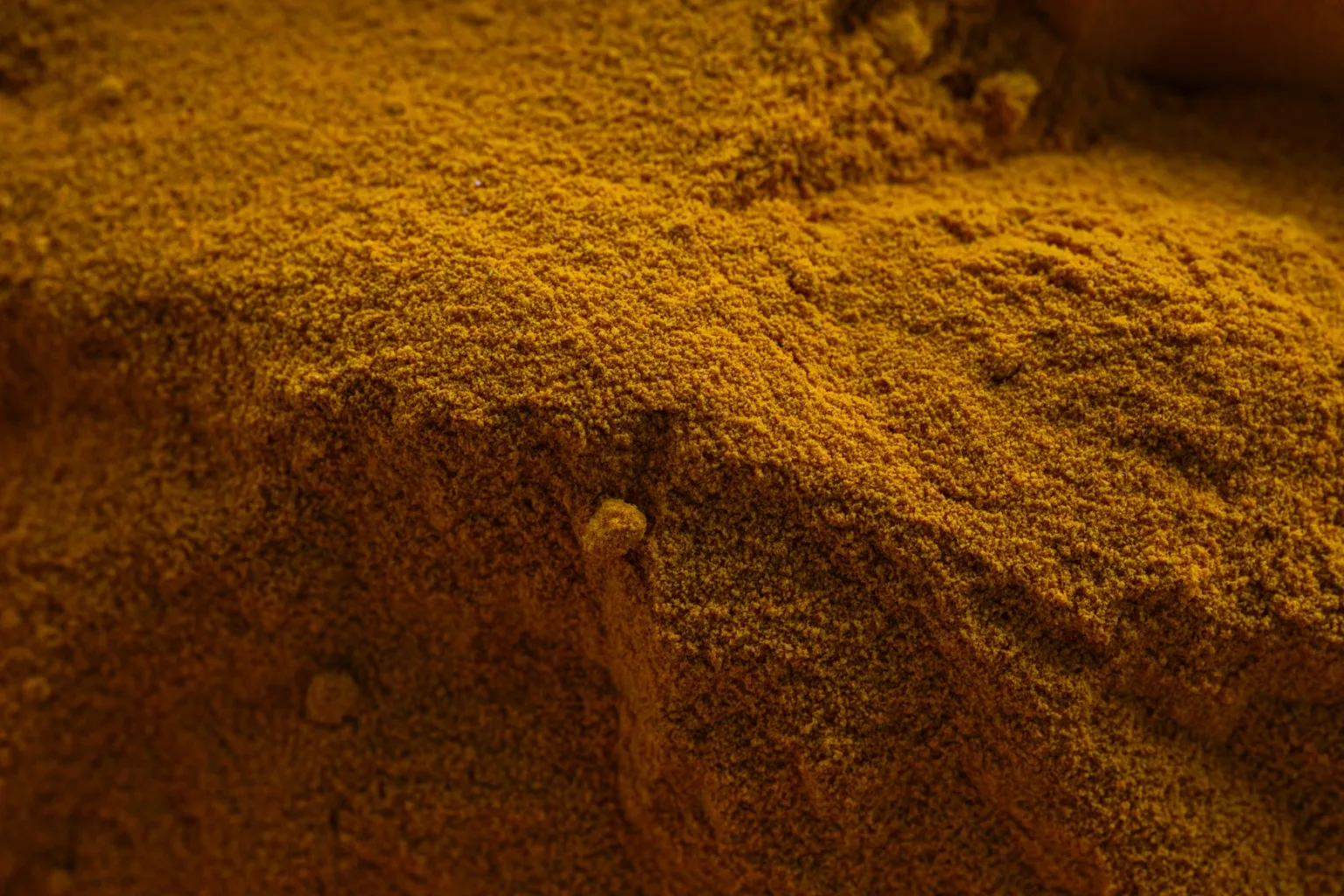
Ground ají amarillo is a dry powdered seasoning sold as a ground form of ají amarillo, a chile identified as Capsicum baccatum and used in Peruvian preparations. The powder is not the same as fresh chile or paste: moisture, texture, and how it is incorporated into a recipe all differ. The available information mentions ají amarillo powder products but does not establish one composition for every package or confirm that each contains only this chile. Read the ingredient list to see whether the product is pure ají amarillo or a blend of chiles and spices. Treat it as a seasoning whose intensity may vary, rather than assuming it can be exchanged measure for measure with fresh chile or paste.
When to use it
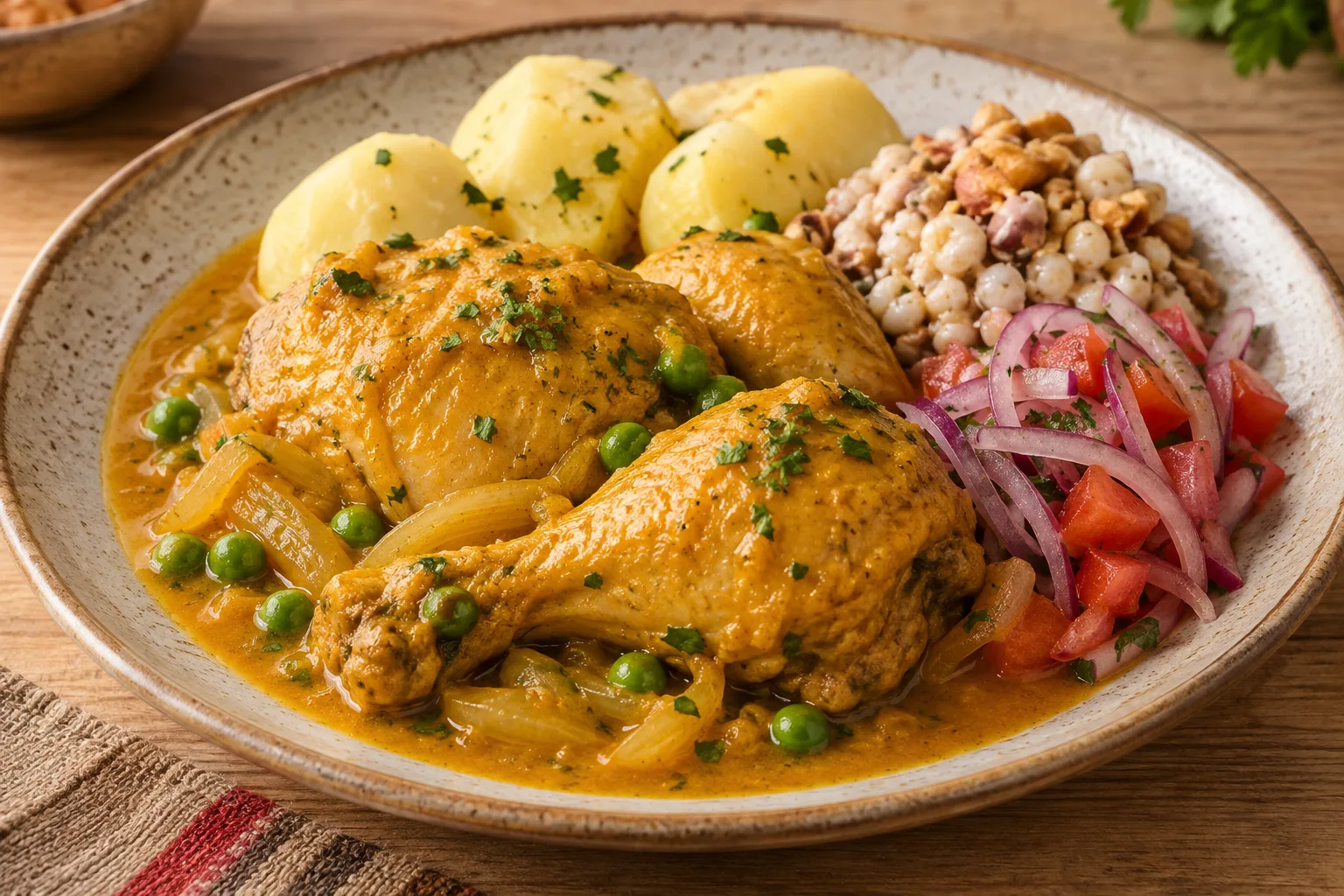
Use it when you want to add chile flavor and color without adding pieces of fresh pepper. It can work in sauces, creamy preparations, stews, and cooked seasoning bases inspired by Peruvian dishes. Ají amarillo is used in preparations such as ají de gallina, causa, and huancaína sauce, although those recipes may use fresh chile or paste rather than ground powder. Powder is convenient for seasoning, but it does not reproduce the moisture or texture of fresh ají amarillo or paste. Since composition and heat can vary between products, begin with a small amount, taste, and adjust to suit the dish.
How to use it
Read the ingredient list before cooking: the product name alone does not guarantee that the contents are pure ají amarillo. Add a small amount, mix well, and taste before adding more; adjust to the product's heat and the result you want. For sauces or creamy preparations, mix it into the wet ingredients so it is evenly distributed. In stews or cooked bases, add it with the other seasonings and follow the recipe. It can complement flavors used with ají amarillo, such as garlic, onion, cilantro, or citrus. There is no universal proportion that applies to every product. Powder is not a direct one-for-one replacement for fresh chile or paste: moisture, texture, and possibly intensity differ.
Flavour and texture
Ají amarillo is described as aromatic, fruity, and moderately hot; some descriptions also note a slightly sweet quality. In ground form it is a dry, fine powder, but aroma, color, and heat depend on the product and whether it is pure or a blend. A single heat level cannot be guaranteed for every package. The powder distributes easily through a dish, but it does not provide the flesh or texture of fresh or paste-form ají amarillo.
How to choose it
Check the ingredient list for a clear indication of whether the product contains ají amarillo alone or a blend of chiles and spices. The product name by itself does not define a standard composition shared by all brands. Choose an intact package and read the manufacturer's information. If you are making a particular Peruvian recipe, remember that it may call for fresh ají amarillo or paste, which are different forms from powder. When the label does not clarify the ingredients, expect flavor and heat to be less predictable and begin with a small amount.
Storage
Store the product according to its label and the manufacturer's directions; the available information does not establish a shelf life or specific storage conditions that apply to every ground ají amarillo product. Keep the package closed and avoid putting wet utensils into the powder to reduce the chance of clumping. If the manufacturer specifies a cool, dry place, follow that advice. Check the package and contents before use, and do not use the product if the package is damaged or the contents have changed unusually.
Substitutions
No substitute is guaranteed to match the same flavor, color, and heat exactly. You can try ají amarillo paste, allowing for its moisture and different texture, or use fresh ají amarillo and adjust the amount gradually. Dried ají amarillo can be hydrated for preparations that allow a different texture, but that does not make it an equivalent powder. The best substitute depends on the ingredients listed and how much the recipe can accommodate a change in texture.
Common mistakes
Do not assume that every product called ground ají amarillo contains only this chile or has the same heat level. Avoid replacing fresh chile or paste with the same measure of powder without tasting; their moisture and texture differ. Adding too much at once can overwhelm a dish, especially if the product includes other chiles. Read the label and season gradually so you can adjust the result.
Safety and allergens
Follow the package directions and handle the chile with care. These sources do not establish a specific official warning for this ground product; avoid breathing in the powder and wash your hands after cooking.
Culinary uses
- Adds chile flavor, color, and heat to sauces and cooked dishes
- Seasoning for creamy preparations, stews, and cooked flavor bases
Recommended techniques
- Add gradually, mix thoroughly, and taste before adding more
- Blend into wet ingredients for sauces or creamy preparations
- Stir into a cooked seasoning base or stew according to the recipe
Pairs well with
- Garlic and onion
- Potatoes and other tubers
- Cilantro and citrus
- Creamy preparations and fish
Frequently asked questions
Is ground ají amarillo the same as ají amarillo paste?
No. Powder is dry and paste is moist, so their texture and incorporation differ. Adjust the recipe rather than substituting equal amounts.
Does every product have the same heat?
That cannot be assumed. Intensity can vary, and a product may be pure or a blend. Check the label and start with a small amount.
What can I use if I cannot find ground ají amarillo?
You can try ají amarillo paste or fresh ají amarillo, adjusting gradually and accounting for differences in moisture and texture. Neither guarantees an identical result.
Sources and review
Automatically researched, cross-checked and validated content. Sources consulted:
- Sabores de nuestras tierras/recetas - 2024 | Agricultura y Recursos Naturales ucanr.edu
- How to Make Chili Powder from Spices • southernwv.edu staging.southernwv.edu
- Sistemas de túneles uprm.edu
- Capsicum baccatum var. pendulum - Wikipedia, la enciclopedia libre es.wikipedia.org
- Ají amarillo: el ingrediente estrella de la cocina peruana y sus 4 beneficios nutricionales - ESPECIAS.BLOG especias.blog
- Ají Amarillo: Origen, Propiedades y Usos en la Gastronomía Peruana | El Brujo elbrujo.pe
- Ají Amarillo: El Ingrediente Clave del Sabor Peruano iperu.pe
- Ají Amarillo: sabor, historia y usos del ají amarillo en la cocina contemporánea – Topcuchillos.com.es topcuchillos.com.es
- Ají Amarillo: El toque secreto de la cocina peruana (47 caracteres) guiagastronomica.net
- Ají amarillo peruano: qué es, cómo usarlo y sustitutos | Recetas en casa recetas.casa
- 3 grados de cocción del ají amarillo | Umami Madrid umami-madrid.com
- - YouTube youtube.com
- Cómo hacer pasta de ají amarillo peruano - Cravings Journal es.cravingsjournal.com