- Category
- Vegetables
- State
- Fresh
- Usual unit
- unit
What it is
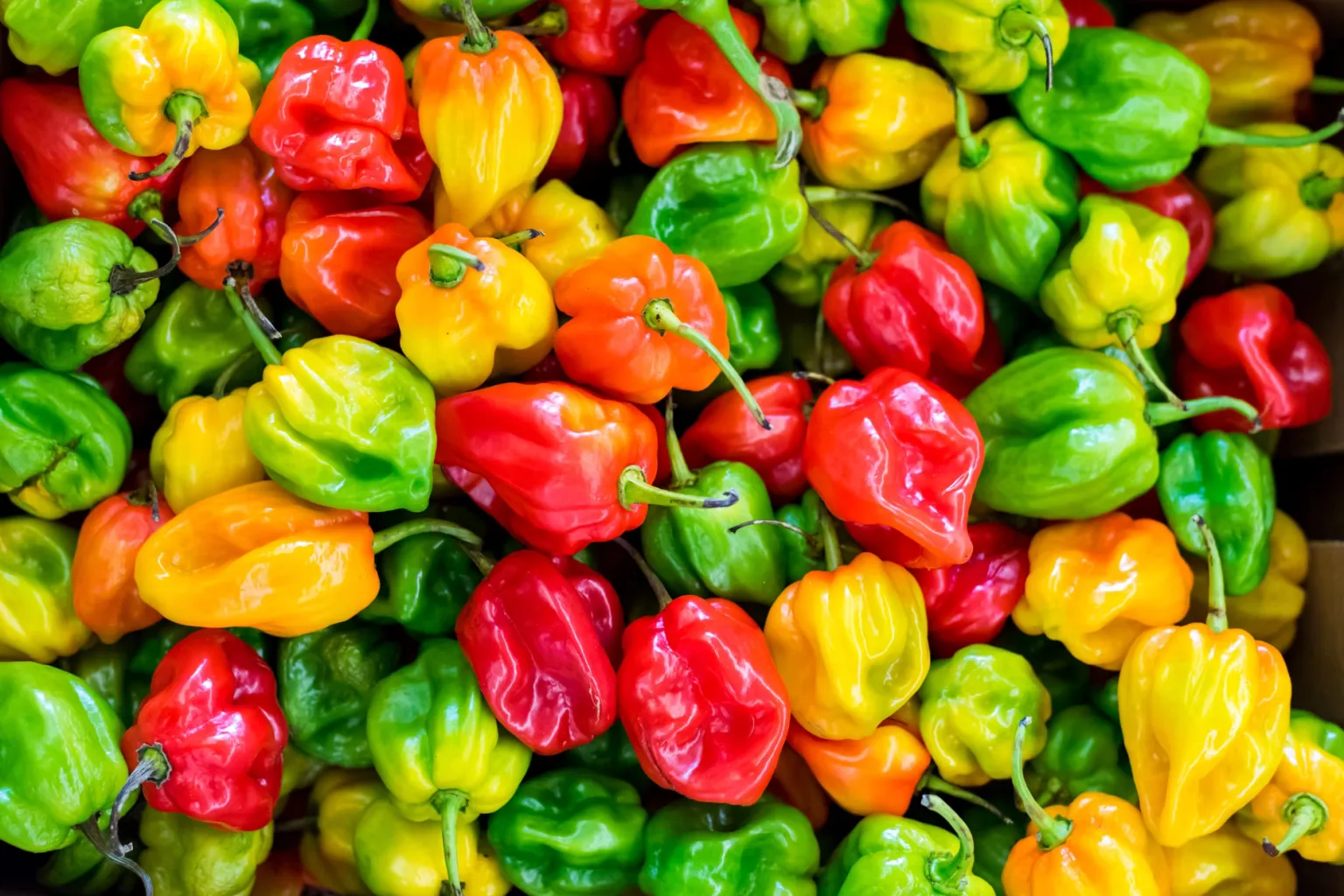
Habanero chile is the fresh fruit of a pepper in the Capsicum chinense species. Young fruits are usually green and change color as they mature; depending on the variety, mature fruits can be orange, red, or other colors. Its profile pairs a fruity aroma with very intense heat, and the heat is not identical in every habanero. It is used as a seasoning, often chopped or blended, and also goes into sauces, stews, and pickles. This profile concerns the fresh fruit, rather than sauces, pastes, or dried products made from it.
When to use it
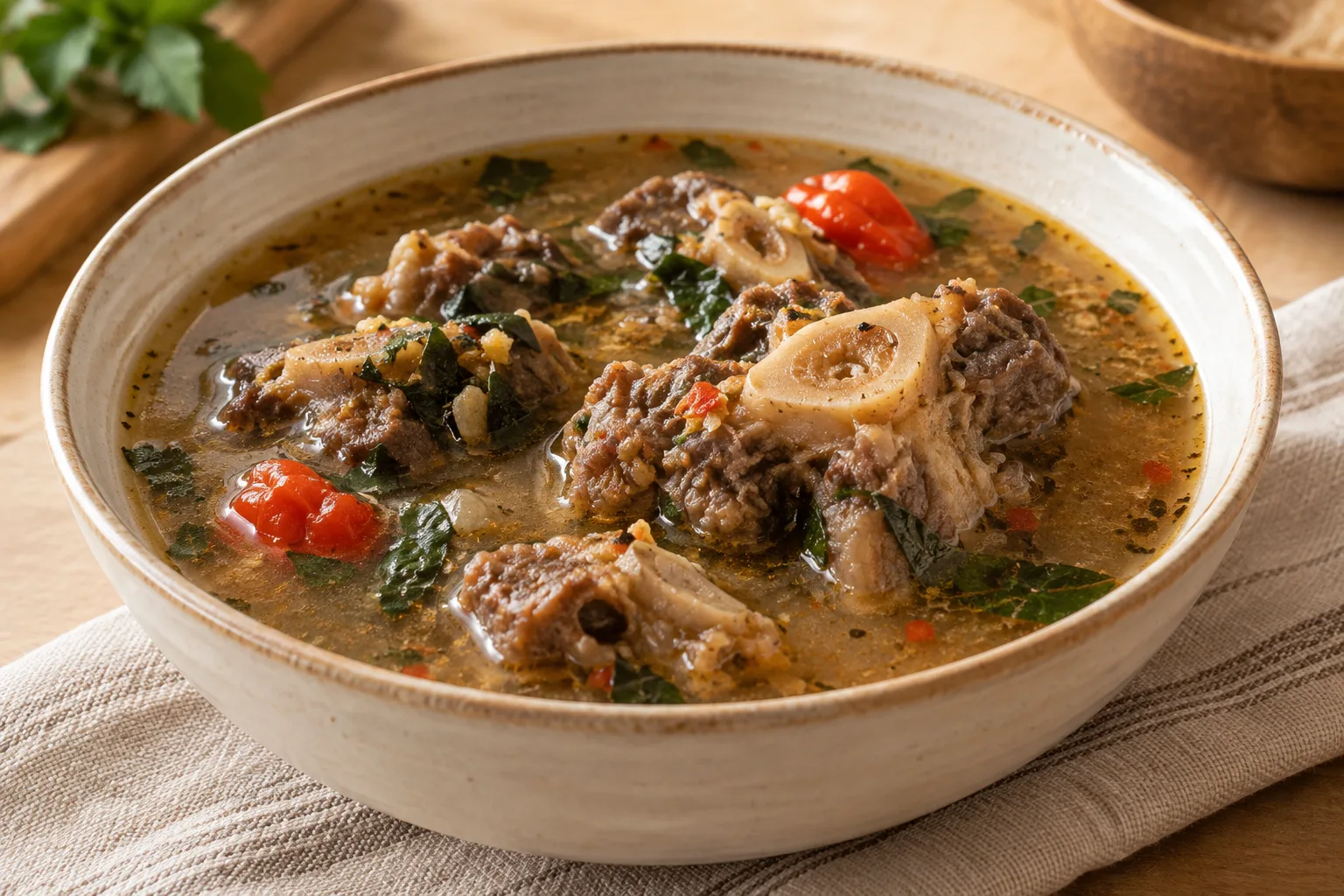
Use habanero when you want pronounced heat and a fruity aroma in a sauce or stew, or when you want a lively accompaniment to a strongly flavored dish such as cochinita pibil. It can also bring a vivid contrast alongside citrus, mango, pineapple, or tomato. Because its intensity can vary, start with a small amount and taste the dish before adding more. If you want a much milder result, jalapeño is a lower-heat alternative.
How to use it
Wash the fruit, then chop it finely or blend it into a sauce; you can also add it to a stew or make a pickle. To keep the result under control, begin with a small amount, mix thoroughly, and taste before adding more. It pairs especially well with citrus, mango, pineapple, and tomato, and can be served alongside cochinita pibil. Habanero is also available as sauces and pastes, as well as dried products; these are not exact equivalents to fresh fruit, so adjust the amount to the product. Habanero can also be smoked.
Flavour and texture
Its most striking feature is intense heat, accompanied by an aroma that can be described as fruity. Heat varies among fruits and varieties, so color alone cannot tell you how hot a chile will be. When fresh, it can be chopped or blended to distribute it through a dish; the final texture depends on how finely you prepare it.
How to choose it
Choose the form you need: this profile covers fresh fruit, while sauces, pastes, and dried habaneros are also available. Unripe fruits are usually green; as they mature, they can become orange, red, or other colors. Color alone cannot reliably establish heat level. If you want to gauge its intensity before using more, buy a small quantity to try first.
Storage
The available evidence does not establish a specific shelf life or storage conditions for fresh habanero. Follow the seller's or package's directions where provided, and do not assume advice for dried chiles, sauces, or preserved products also applies to fresh fruit. For drying, canning, or making preserved sauces, use reliable instructions specific to that product.
Substitutions
Jalapeño can replace habanero when you want a much milder level of heat, but the result will differ in intensity. Prepared habanero sauce offers the same chile in another form, though its concentration and ingredients can vary. Start with a small amount and taste before adding more. Neither option exactly reproduces the aroma and behavior of fresh fruit.
Common mistakes
Adding a lot of habanero at once can make a dish excessively hot. Start with a small amount, mix, and taste before adjusting. Another mistake is treating color as a reliable measure of heat: the level varies among fruits and varieties. Also distinguish fresh chile from sauce, paste, or dried products; they are different forms and may not be used in the same proportions.
Safety and allergens
Habanero is very hot. Start with a small amount and taste the dish before adding more. The evidence reviewed does not provide official, fresh-fruit-specific handling or storage instructions; do not use this profile as a guide to home canning or preservation.
Culinary uses
- Condimento picante
- Base o acento para salsas
- Aporte aromático para guisos
Recommended techniques
- Picar finamente o licuar en fresco
- Incorporar a salsas
- Añadir a guisos
- Encurtir
- Ahumar
Pairs well with
- Cítricos, como lima y naranja agria
- Mango y piña
- Tomate
- Cochinita pibil
Frequently asked questions
Is habanero always orange or red?
No. Immature fruits are usually green; as they mature, they can become orange, red, or other colors depending on the variety.
What can I use if I do not have habanero?
Jalapeño can work if you are happy with a much milder result. Habanero sauce is another option, but it is a different form, so adjust the amount.
What flavors pair well with habanero?
It pairs with citrus, mango, pineapple, and tomato. It is also used as an accompaniment to dishes such as cochinita pibil.
Estimated nutrition
- Fat
- 0 g
- Saturates
- 0 g
- Carbohydrate
- 8.93 g
- Sugars
- 1.79 g
- Fibre
- 3.6 g
- Protein
- 1.79 g
- Salt
- 0.07 g
Sources and review
Automatically researched, cross-checked and validated content. Sources consulted:
- Client Challenge doi.org
- Assessing Food Access in Oregon's Willamette Valley pdxscholar.library.pdx.edu
- New Mexico Chile Resources | New Mexico State University | BE BOLD. Shape the Future. bernalilloextension.nmsu.edu
- Food | Ohioline ohioline.osu.edu
- University Culinary Services | Kent State University kent.edu
- Salsa, Peppers and Spices ucanr.edu
- Game On: The Hunt for the Perfect Rustic Dish - Escoffier escoffier.edu
- Panther Bites: Recipes for Gathering Season - Florida Tech News+ news.fit.edu
- Chile habanero: picor, a qué sabe, usos | Recetas Mexas recetasmexas.com
- Chile habanero; aroma, sabor, propiedades... y picante - Agromática agromatica.es
- Crónicas del habanero laanita.com
- Cinco usos del habanero fuera de la cocina | Grupo Animal grupoanimal.mx
- Chile Habanero, con Denominación de Origen | Fideicomiso de Riesgo Compartido | Gobierno | gob.mx gob.mx
- - YouTube youtube.com