- Category
- Fish and seafood
- State
- Fresh
- Usual unit
- g
What it is
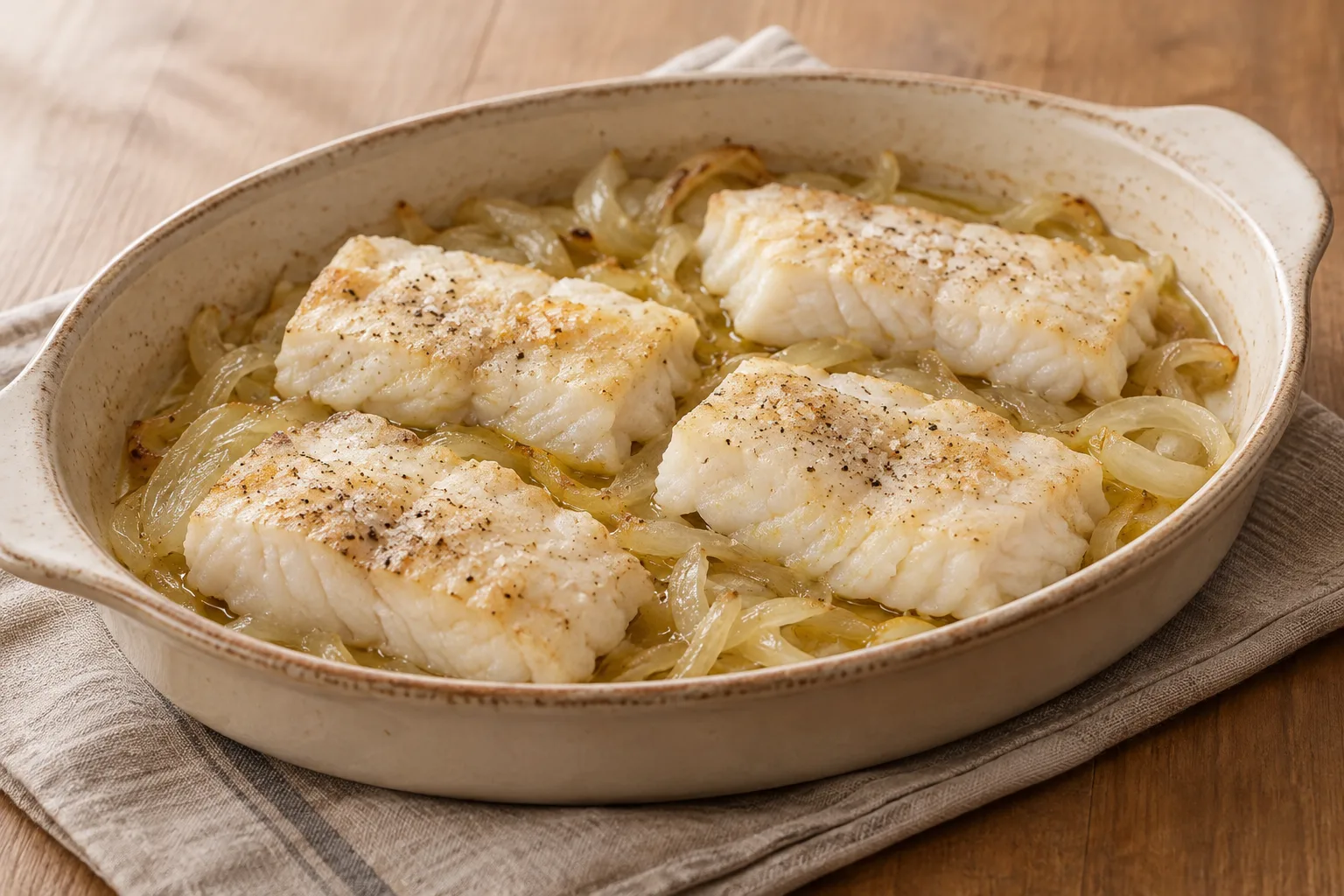
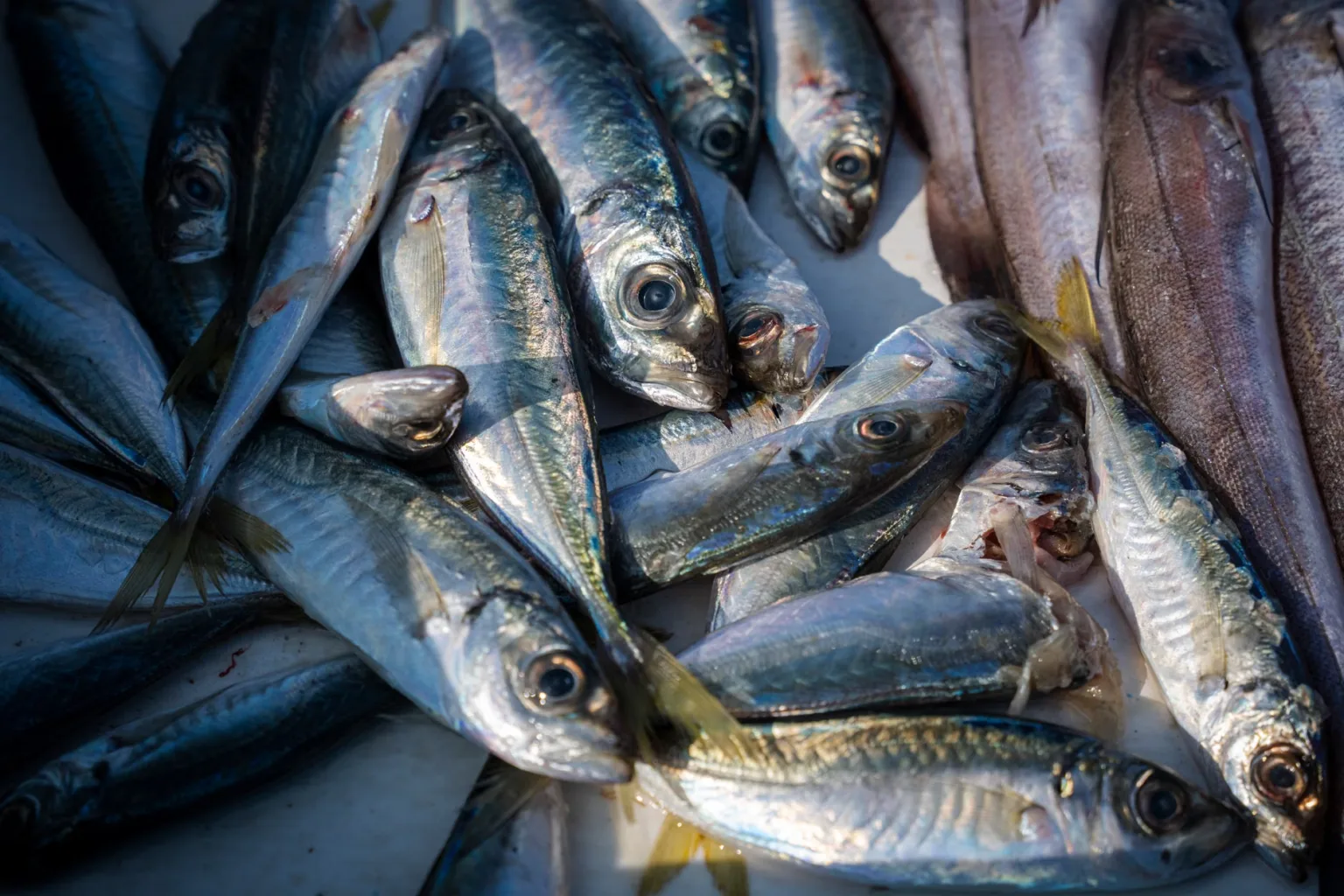
Hake is a common name used for different fish sold under that designation, so the name alone may not identify one exact species. In the kitchen it is sold whole, in steaks, fillets and loins, and parts such as the head, belly and cheeks may also be used. It is available fresh and frozen, among other forms. Its flesh is described as mild and delicate in flavor, making it easy to serve with sauces and accompaniments without overpowering them. If the exact species or origin of a piece matters to you, check the seller’s information or the product label.
When to use it
Choose hake when you want a mild-flavored fish as the main ingredient, or a fish that can suit several preparations. Loins and steaks can be used in stews or with sauces; thin fillets work well on a griddle or when coated and fried, while larger pieces can be baked or grilled. The head and trimmings can also be used for stock if they are available and suitable for that purpose. Let the cut and thickness guide your choice of technique, and check the label for the product form and any applicable instructions.
How to use it
Before cooking, check which cut you have and follow the package instructions if provided. Hake can be baked, grilled, cooked on a griddle, fried, steamed or stewed. Oven cooking, grilling and stewing are described for some thicker or skin-on cuts; thin fillets are suited to griddling or coating and frying. Steaks can also be served with sauce, and the head can be used for stock. Try pairing it with potatoes, onion, garlic and paprika, or with a green or seafood-style sauce. Handle the fish carefully, keep it cold and cook it thoroughly; no universal cooking times or temperatures are given here because they depend on the cut and preparation.
Flavour and texture
Hake flesh is described as mild, delicate and fine in flavor. Depending on the cut, it may be sold as thick pieces, steaks or thinner fillets; shape and thickness affect which cooking method is practical. Its restrained flavor works with accompaniments such as potatoes, onion and peppers, as well as green or seafood-style sauces. The finished texture depends on the cut and preparation, so do not assume every piece will cook in the same way.
How to choose it
Choose a form that suits the recipe: fillets, loins, steaks or a whole fish. If exact species, origin or another specific characteristic matters, check the label or ask the seller, since the common name may cover different species. For packaged fish, review the product name, date and storage and use instructions. For frozen hake, check that the packaging is intact and follow its date and directions.
Storage
Keep hake cold from purchase and refrigerate it promptly, protected and separate from other foods. The seafood guidance consulted advises using fish within one to two days or freezing it; follow the package date and instructions first. For frozen hake, maintain the cold chain and follow the manufacturer’s directions. Do not leave perishable fish in a hot place or at room temperature.
Substitutions
For white-fish recipes, cod or sole may work as alternatives when the cut and preparation are compatible. They are not identical to hake and may change a recipe’s texture, flavor and result. Adjust the method to the thickness of the substitute and consult its product instructions.
Common mistakes
Choosing a technique without considering the cut can lead to a poor result: a thin fillet does not cook like a thick loin or a whole fish. Other mistakes include assuming the name hake always identifies one exact species or overlooking the package date and directions. Keep the fish cold and do not eat it insufficiently cooked.
Safety and allergens
Fish is perishable: keep it cold, refrigerate it promptly and follow the package directions. AESAN associates some cases of anisakiasis with insufficiently cooked fish; cook hake thoroughly. If you have questions about storage, species or the product’s allergen information, consult the seller or label.
Culinary uses
- Proteína principal para platos de pescado
- Ingrediente para sopas y caldos cuando se aprovechan cabeza y recortes
Recommended techniques
- Al horno o a la parrilla
- A la plancha o frita, también rebozada
- Al vapor o guisada
Pairs well with
- Patatas, cebolla, ajo y pimentón
- Pimientos, champiñones y espárragos
- Salsa verde o salsa marinera
Frequently asked questions
Can fresh and frozen hake be cooked in the same ways?
Both are used in a range of preparations, but product form and instructions can differ. Check the package and choose a method suited to the cut.
Which hake cuts work for griddling?
Thin fillets are described as suitable for griddling; center cuts are also cited for griddling or baking. Choose according to the recipe and thickness.
How long can I keep fresh hake in the refrigerator?
The general seafood guidance consulted advises using fish within one to two days or freezing it while keeping it cold. Follow any specific package date or instruction.
Estimated nutrition
- Fat
- 0.88 g
- Saturates
- 0 g
- Carbohydrate
- 0 g
- Sugars
- 0 g
- Fibre
- 0 g
- Protein
- 17.5 g
- Salt
- 0.25 g
Sources and review
Automatically researched, cross-checked and validated content. Sources consulted:
- En el etiquetado alimentario hay algunas menciones que son obligatorias eletiquetadocuentamucho.aesan.gob.es
- Client Challenge doi.org
- Cooking Food Storage | USU extension.usu.edu
- The Essential Glossary of Cooking Terms for the Culinary Arts - Escoffier escoffier.edu
- Culinary MakerSpace | Auxiliary Services | Binghamton University binghamton.edu
- La alergia por anisakis y medidas de prevención aesan.gob.es
- Foc ESTRUCTURA DE LOS PRECIOS EN LA CADENA DE SUMINISTRO NOVIEMBRE 2025 mapa.gob.es
- Page Not Found | South Central College southcentral.edu
- Safe Handling of Seafood | Home & Garden Information Center hgic.clemson.edu
- Artes culinarias/Ingredientes/Merluza - Wikilibros es.wikibooks.org
- Merluza que es: Guía completa sobre la merluza, su significado y usos en la cocina – Eatdrinkmore.es eatdrinkmore.es
- Partes de la merluza: tipos de corte y usos | Trucos de cocina pescanova.es
- Merluza | Curiosidades y cómo prepararlo | Pescados y mariscos | EROSKI CONSUMER pescadosymariscos.consumer.es
- Aprovechamiento de la merluza | Consumer consumer.es
- Diccionario gastronónico » » Merluza 1 diccionariogastronomico.es
- Merluza: Características, información, tipos, recetas lonjadeceleiro.com
- Propiedades de la merluza, beneficios y recetas recetasdecocina.elmundo.es
- Merluza a la gallega, receta tradicional | El arte de comer bien | mentta mentta.com