- Category
- Dairy and eggs
- State
- Fresh
- Usual unit
- unit
What it is
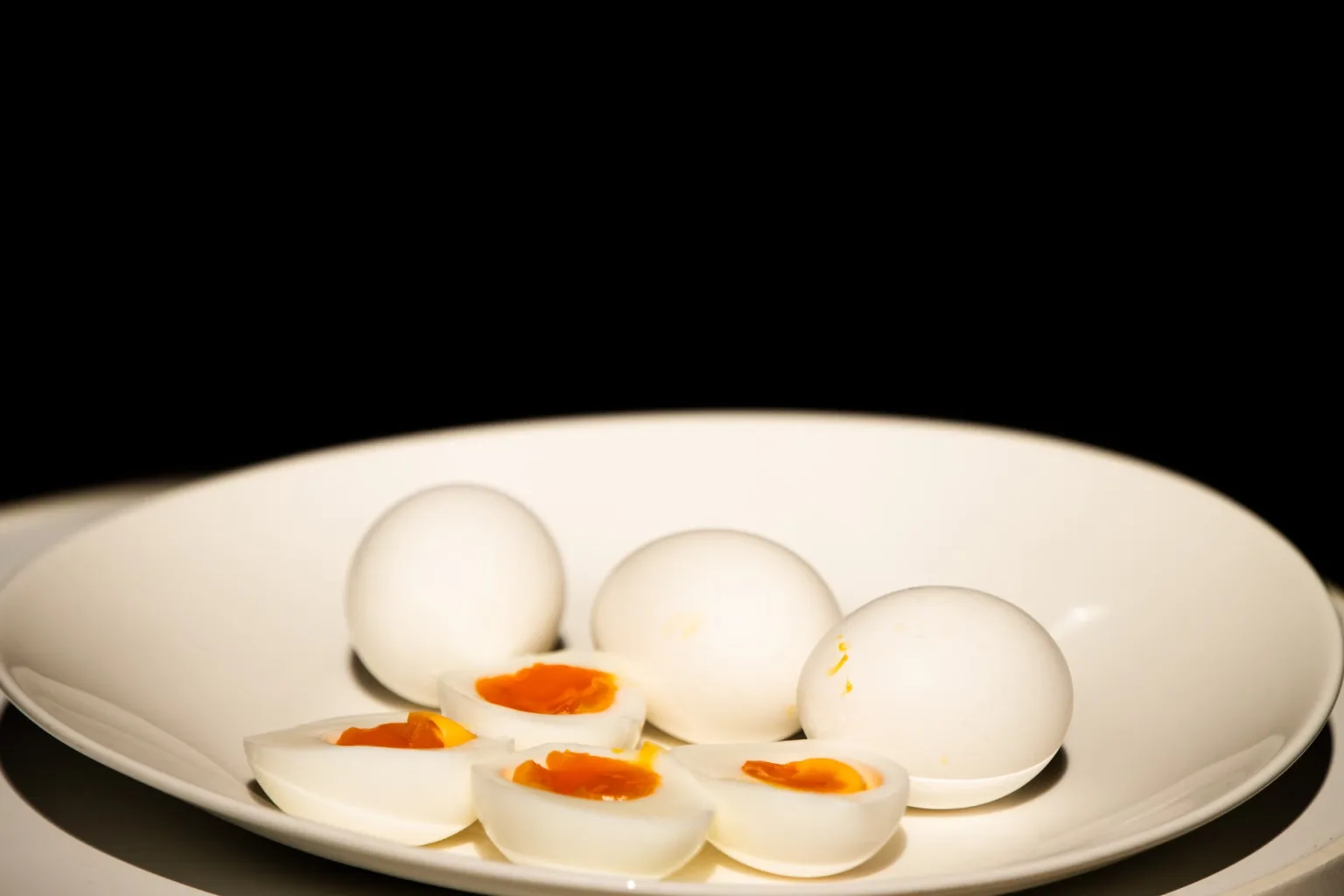
A hard-boiled egg is cooked in its shell until both the white and yolk are fully set. This entry describes the prepared food, not a raw egg or a poached egg, which is cooked without its shell. Once firm, it can be served whole or cut into slices, quarters or cubes; it can also be grated or crumbled into other dishes. The white and yolk remain together as one ingredient but provide different textures in each bite. Cooking level and egg size can affect the result. If you want a runny or creamy yolk, choose a different preparation, such as a soft-boiled or mollet egg, rather than a fully hard-boiled one.
When to use it
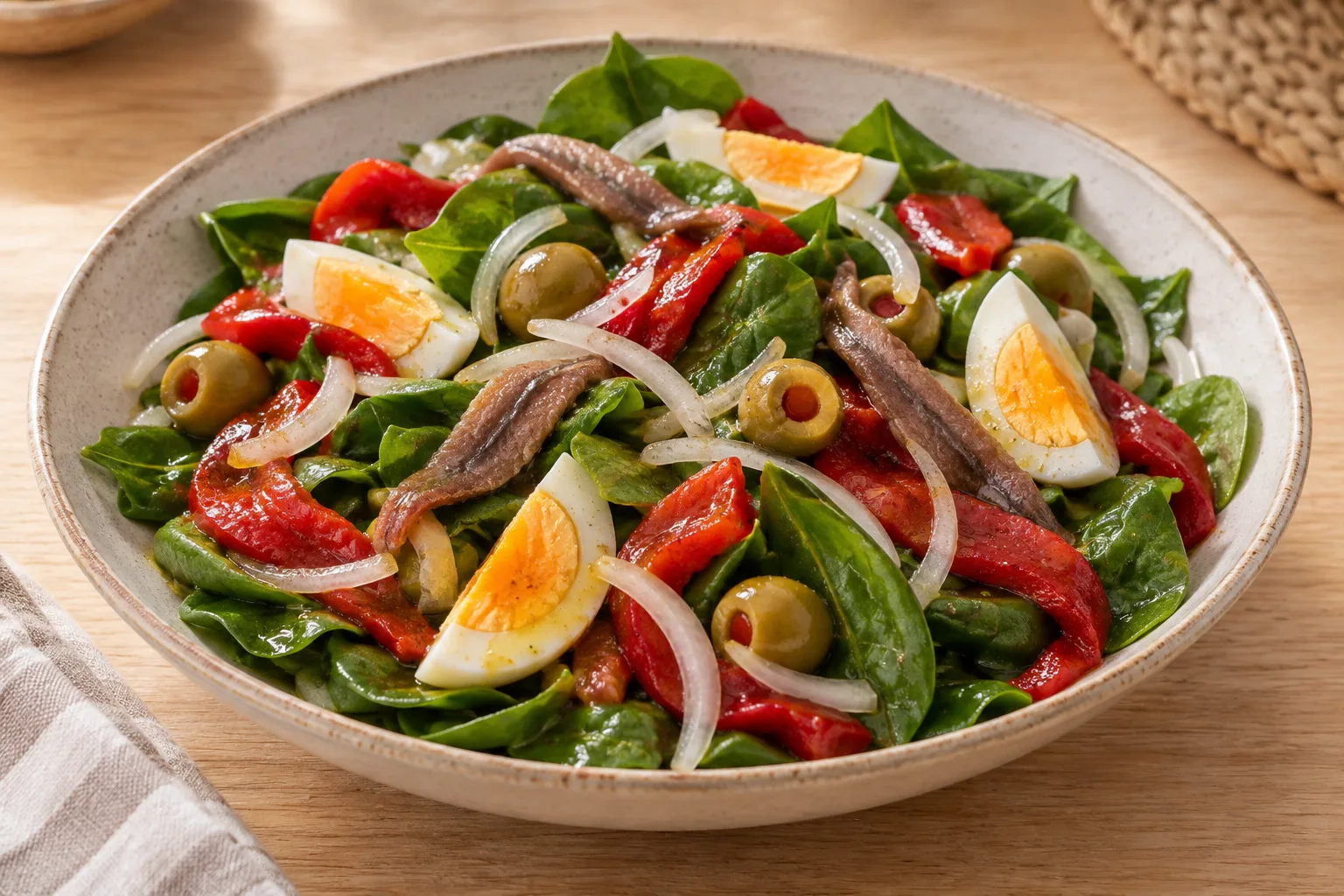
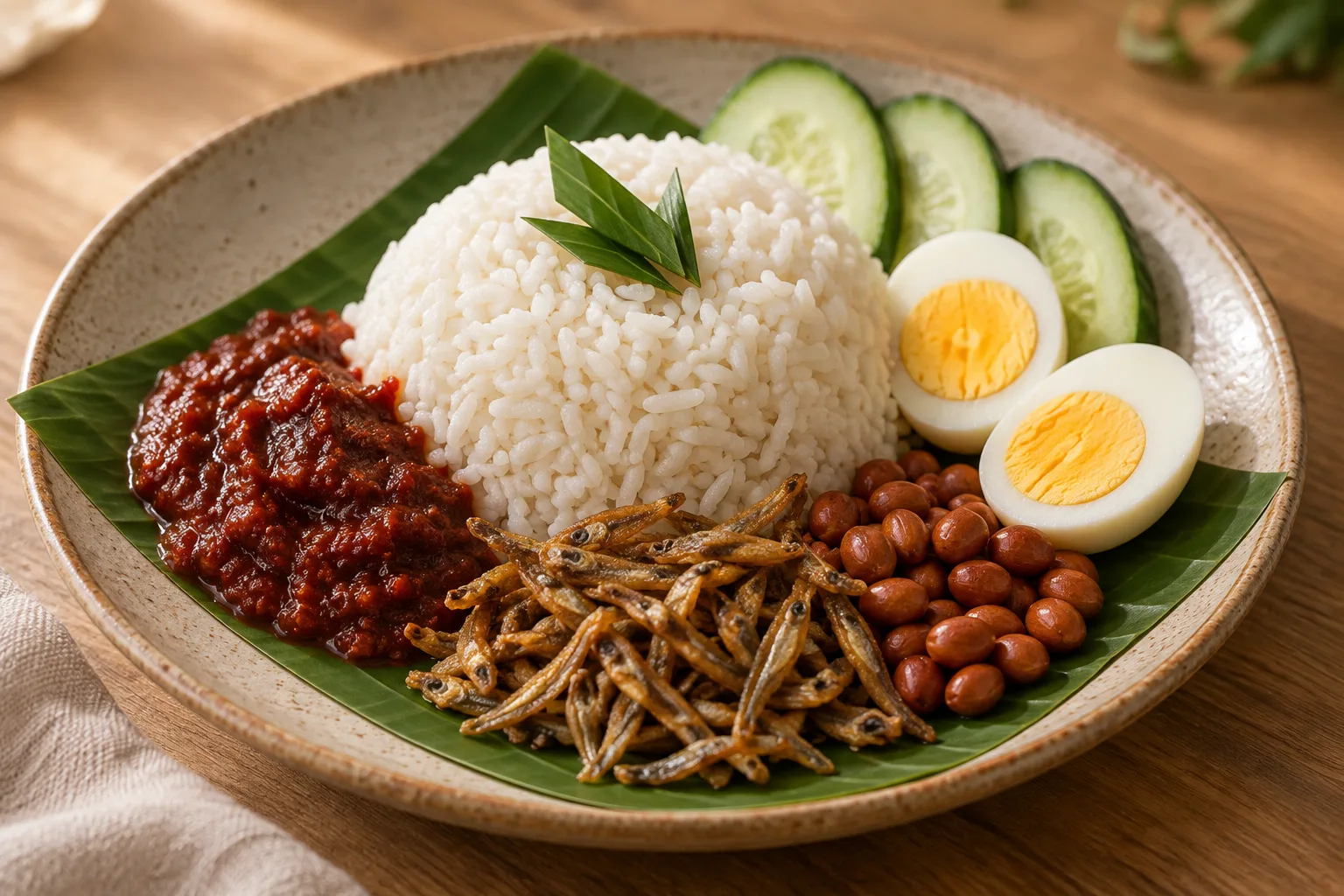
Use hard-boiled eggs when you want an ingredient that can be sliced or mixed into a dish without cooking it as part of that dish. They work in salads, composed salads, sandwiches and fillings, and can be served as an appetizer or garnish. Chopped, grated or crumbled egg can also finish soups, creams and stews. Its firm texture makes the egg easy to portion and lets it take a starring role or complement other ingredients. If the dish calls for a runny or creamy yolk, a fully hard-boiled egg is not the right choice; a mollet or soft-boiled egg has a different consistency.
How to use it
Serve the egg whole, halved or sliced when you want its shape to show; dice it for salads, composed salads or fillings. You can also grate or crumble it over soups, creams and stews as a finishing ingredient. For a filling, cut up the egg and combine it with the ingredients specified by the recipe; the available sources include tuna-based fillings as one example. Choose a cut that suits the dish: larger pieces remain distinct, while smaller pieces spread more evenly. If you need a creamy yolk, use a mollet egg instead of one that is fully hard-boiled. Do not confuse a hard-boiled egg with a poached egg, which is cooked out of its shell.
Flavour and texture
The defining feature of a hard-boiled egg is its firm texture: both the white and yolk are set. It holds its shape when cut and can be served whole, sliced, quartered or diced; grated or crumbled, it blends more into a dish. The white and yolk have different qualities, even though both are solid in this preparation. Cooking level affects the result, so hard-boiled eggs need not all have precisely the same texture. A fully set yolk is not the same as the creamier yolk of a mollet egg or the liquid yolk of a soft-boiled egg.
How to choose it
When buying eggs that are already cooked, check that the product is clearly identified as cooked and read the package information and manufacturer’s directions. The available sources describe both peeled and unpeeled cooked eggs as possible product formats, so choose according to the task: peeled eggs can be served or cut directly, while unpeeled eggs can be peeled before use. Do not assume every product has the same texture, size or format. If buying uncooked eggs to prepare at home, check their condition and follow the label.
Storage
The available evidence does not establish a specific storage time or temperature for a hard-boiled egg prepared at home, so do not infer one or promise a particular shelf life. For a packaged product, follow the storage conditions and dates on its label. For home-prepared eggs, consult the official food-safety guidance that applies where you live. Egg dishes that are not shelf-stable may have specific storage requirements; do not apply a time limit stated for one preparation to every hard-boiled egg.
Substitutions
If you do not have a fully hard-boiled egg, a mollet egg can work in a dish where a set white and creamy yolk are acceptable. A soft-boiled egg is another option for a dish served immediately, but its inside is more liquid. Neither option has the same firm texture as a hard-boiled egg, and neither suits every recipe; choose according to the consistency the dish needs.
Common mistakes
Do not treat mollet, soft-boiled and hard-boiled eggs as the same preparation: the white and yolk set to different degrees. Do not assume there is one universal cooking time or storage period; the available sources show variation in cooking guidance and do not establish a home-storage duration here. Also, do not confuse a hard-boiled egg with a poached egg, which is cooked without its shell.
Safety and allergens
The available official source concerns requirements for egg products and does not establish home-storage guidance for hard-boiled eggs. For that reason, this profile does not set a time or temperature; consult applicable official guidance where you live and the package directions when relevant.
Culinary uses
- Main ingredient
- Texture and garnish for salads, soups and sandwiches
- Filling ingredient
Recommended techniques
- Cook in the shell until the white and yolk are fully set
- Peel and serve whole, sliced, quartered or diced
- Grate or crumble as a topping
Pairs well with
- Salads and composed salads
- Sandwiches and rolls
- Soups, creams and stews
- Tuna and other filling ingredients
Frequently asked questions
What is the difference between a hard-boiled and a mollet egg?
In a hard-boiled egg, both the white and yolk are fully set. In a mollet egg, the white is set while the yolk remains creamier.
How can I serve a hard-boiled egg?
Serve it whole or cut into halves, slices, quarters or cubes. It can also be grated or crumbled into salads, fillings, soups, creams and stews.
Can I use hard-boiled eggs in sandwiches and salads?
Yes. The available sources describe hard-boiled eggs as an ingredient for salads and sandwiches, as well as fillings and garnishes.
How long does a hard-boiled egg keep?
The available evidence does not set a universal storage period for a hard-boiled egg prepared at home. Follow the label and applicable official guidance.
Estimated nutrition
- Fat
- 10.6 g
- Saturates
- 3.27 g
- Carbohydrate
- 1.12 g
- Sugars
- 1.12 g
- Fibre
- 0 g
- Protein
- 12.6 g
- Salt
- 0.31 g
Sources and review
Automatically researched, cross-checked and validated content. Sources consulted:
- Client Challenge doi.org
- Guía de Buenas Prácticas de Higiene para la Elaboración de Ovoproductos aesan.gob.es
- Usos del Huevo – Instituto de Estudios del Huevo institutohuevo.com
- Huevo: tipos, usos, técnicas y recetas - CocinoPedia.com cocinopedia.com
- Artes culinarias/Ingredientes/Huevo - Wikilibros es.wikibooks.org
- 3.- Diferentes variedades de huevos chefcampus.com
- Tipo de cocción de huevos: guía completa para prepararlos en casa | Recetas Nestlé recetasnestlecam.com
- Cómo cocinar huevos: nueve técnicas distintas | Consumer consumer.es
- El huevo en la cocina: usos y secretos | CEAC ceac.es
- Huevo cocido - Wikipedia, la enciclopedia libre es.wikipedia.org
- Huevos cocidos: cómo cocerlos, beneficios y recetas - Gallina Blanca gallinablanca.es
- Cocer huevos. Tiempo, tipos y recetas con huevo duro recetasdecocina.elmundo.es
- Huevo marinado en soja jugandoconlacocina.blogspot.com
- Más de 20 formas distintas de cocinar un huevo y un cuento lacocinarojadecris.blogspot.com
- 7 recetas con huevo cocido: cómo prepararlo y platos fáciles para sacarle partido bonviveur.com
- 3 Tipos de Huevos Cocidos y Cómo Prepararlos | Aranda arandaformacion.com
- Estudio de mercado Estudio de mercado Observatorio del Consumo mapa.gob.es