- Category
- Vegetables
- State
- Fresh
- Usual unit
- unit
What it is
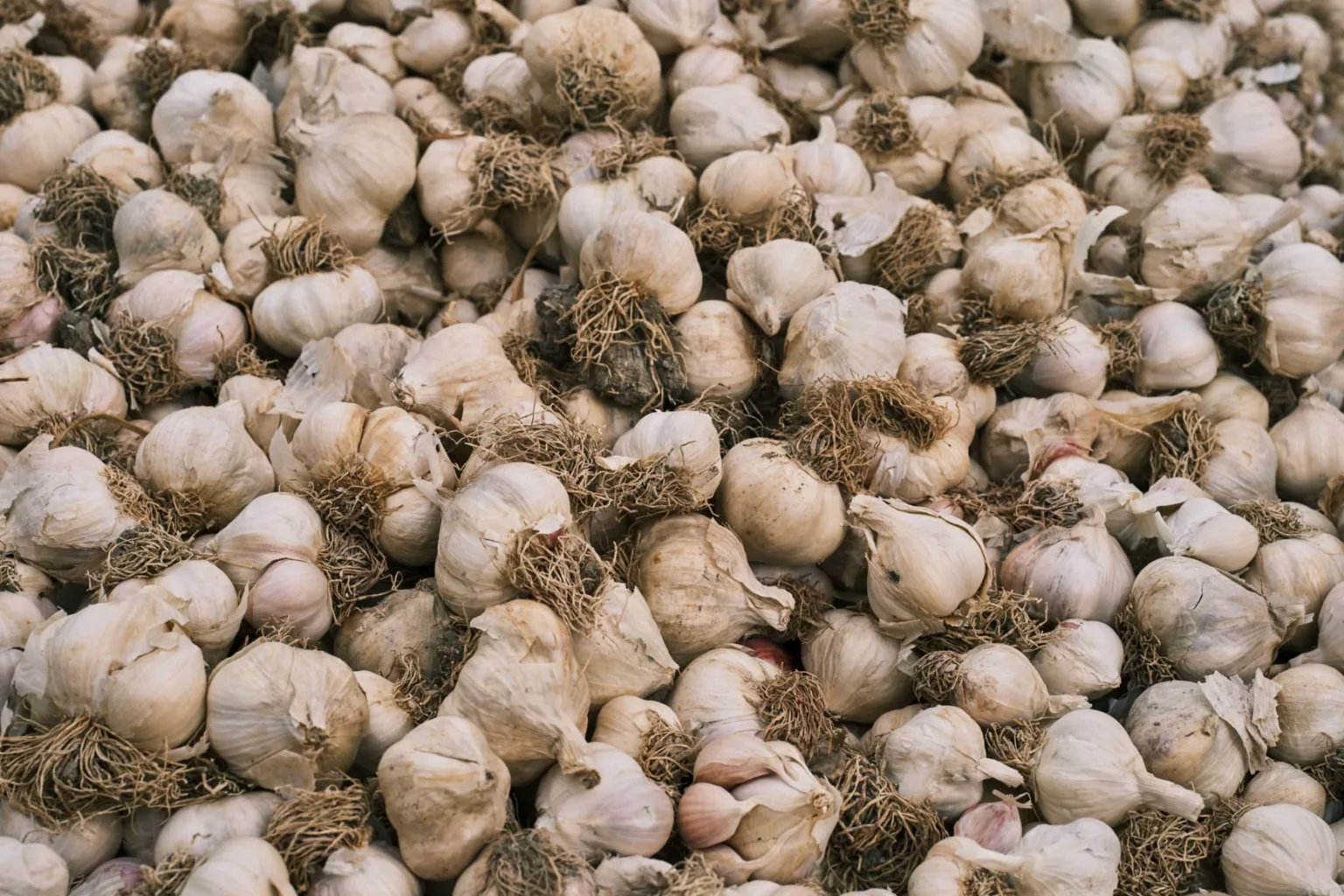
A head of garlic is the bulb of the plant Allium sativum, made up of several cloves enclosed by an outer skin. Each clove has a thin covering that is usually removed before use, although a clove can be cooked whole and peeled afterward. Fresh garlic is commonly sold as a whole head or as separate cloves. Its aroma and flavor are released when it is cut, chopped, or crushed, and the degree of cutting affects how strongly it tastes. A whole head is not the same product as garlic powder or granules: those are dried, ground forms that are convenient for distributing garlic flavor but do not provide the same texture or result.
When to use it
Use garlic when you want to add aroma and depth to a dish, from a sauté or stew to a dressing or sauce. Chopped or crushed garlic gives a more pronounced flavor; whole cloves or slices are gentler options. Adding it early in cooking allows its flavor to soften, while adding it later keeps a stronger garlic presence. Powder or granules can be convenient when you want the flavor spread evenly through a dish. When garlic is meant to stand out, as in an à l’ail preparation, choose the cut and timing to suit the intensity you want.
How to use it
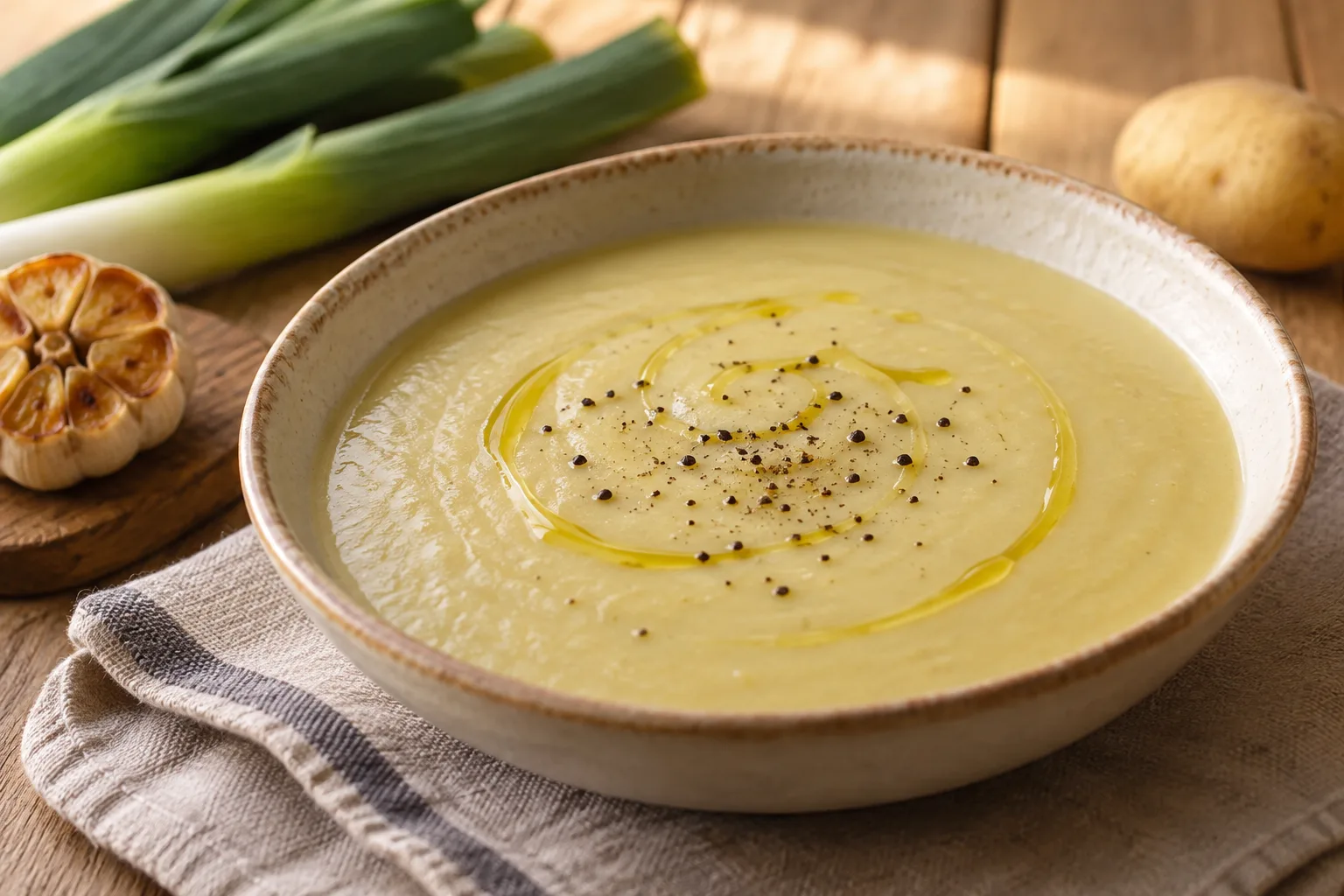
Separate the cloves from the head and remove their skins. To make peeling easier, press a clove with the flat side of a broad knife or another flat kitchen tool, using a stable cutting board and care. Slice, chop, or crush it according to the intensity you want: the finer or more crushed it is, the more pronounced its flavor can be. Add it raw to a sauce or dressing, or cook it in oil as part of a sauté. Choose when to add it: early cooking softens its flavor more, while adding it later preserves more intensity. Watch it as it cooks, since excessive browning or burning can make it bitter. You can also roast a whole head and squeeze out the cooked cloves to spread on bread or enrich another dish.
Flavour and texture
Raw garlic has a pronounced aroma and a stronger taste than cooked garlic. Chopping or crushing it releases more flavor than leaving cloves whole or cutting them into thicker slices. Cooking softens its profile; excessive browning or burning can make it taste bitter. Garlic powder and granules are easy to distribute, but they do not provide the texture of fresh cloves.
How to choose it
Choose compact heads with cloves that feel firm. Avoid garlic that is soft, moldy, or showing green shoots. Check that the outer skin is dry and that the head does not appear hollow or yellowed. Size, color, and aromatic intensity can vary by variety, so prioritize firmness and sound condition rather than a particular color when choosing garlic for everyday cooking.
Storage
Keep whole heads in a container that allows air circulation, in a dark, cool, dry place; do not refrigerate them. Check the cloves occasionally and use any that begin to soften or sprout: they may still be safe, though their flavor can be milder. Refrigerate peeled cloves in an airtight container and use them within a few days. Storage life varies with the product and storage conditions.
Substitutions
Garlic powder or granules can stand in for fresh garlic when an evenly distributed flavor or a dry, convenient form is useful. They do not reproduce the texture or aroma of a freshly cut clove exactly. Because intensity differs by form, begin with a modest amount, taste, and adjust. Garlic salt is also available, but it contains salt, so account for it when seasoning.
Common mistakes
Do not chop garlic more finely than needed if you want a mild result: more finely cut garlic can taste stronger. Avoid letting it brown too much or burn, since it can become bitter. Do not assume that a sprouted clove is automatically unusable; it may still be safe, though its flavor can be weaker. Avoid keeping whole heads somewhere damp or without airflow.
Safety and allergens
Choose firm heads without mold, and follow the package directions when buying prepared garlic. If you have a food allergy or intolerance, check product information and ask the manufacturer if anything is unclear; prepared products can have different ingredients.
Culinary uses
- Aromático para dar profundidad a sofritos, guisos y salteados
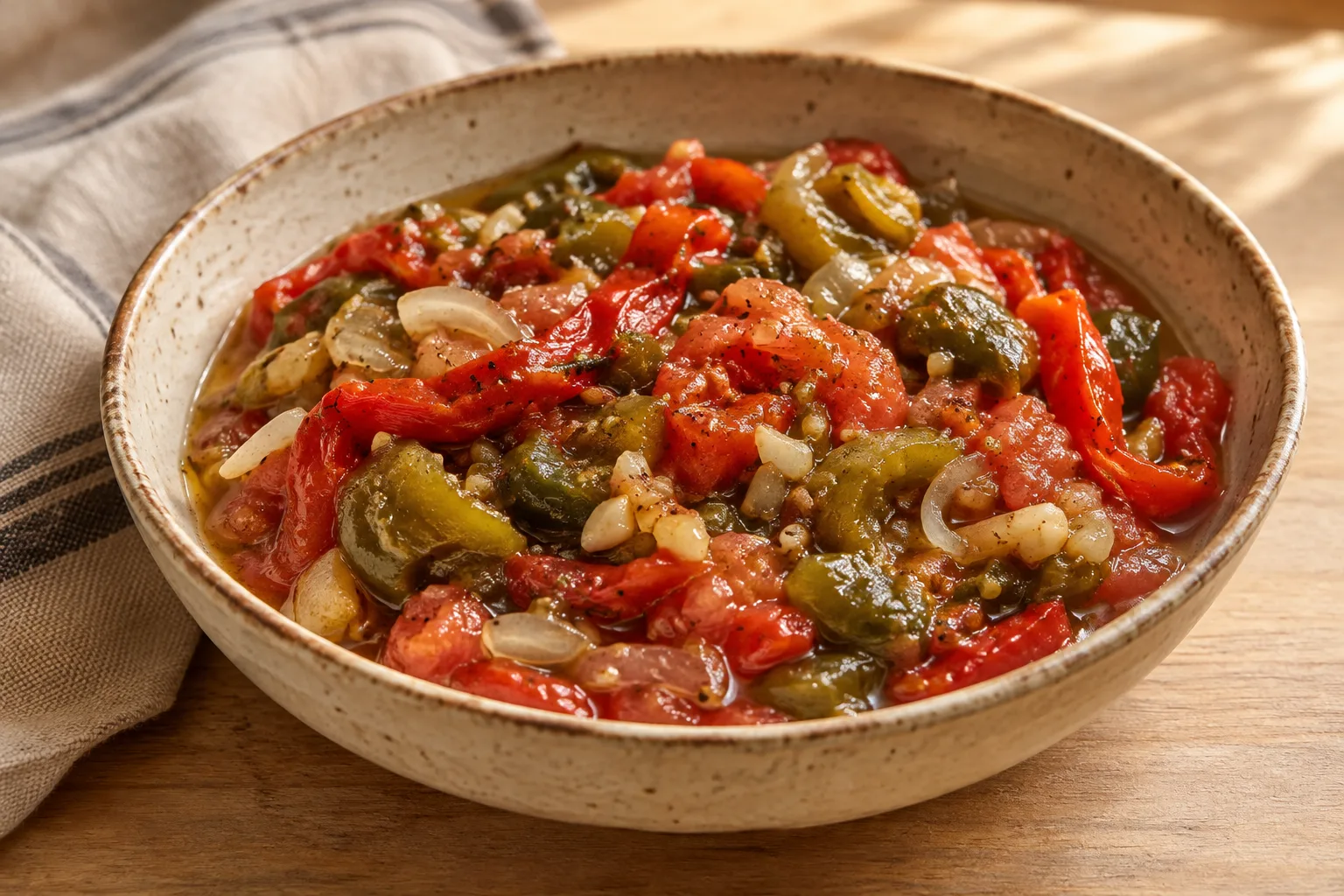
- Condimento protagonista en salsas, aliños y preparaciones al ajillo
- Ingrediente para untar o enriquecer purés cuando se asa
Recommended techniques
- Picar, laminar o machacar para ajustar la intensidad del sabor
- Saltear con cuidado para dorarlo sin quemarlo
- Asar la cabeza entera y exprimir los dientes una vez cocidos
- Añadirlo crudo a aliños y salsas
Pairs well with
- Aceite de oliva, limón y perejil
- Tomate, cebolla y pimiento
- Pasta, pan, verduras, carnes y pescados
Frequently asked questions
How does cutting change garlic’s flavor?
The more finely garlic is chopped or crushed, the more flavor it releases. Whole cloves or slices generally give a milder result.
Can I use garlic that has started to sprout?
Yes. It may still be safe, although its flavor can be milder; check that the clove is not soft or moldy.
How should I store a whole head of garlic?
Keep it in an airy container in a dark, cool, dry place. Avoid refrigerating the whole head.
Sources and review
Automatically researched, cross-checked and validated content. Sources consulted:
- En el etiquetado alimentario hay algunas menciones que son obligatorias eletiquetadocuentamucho.aesan.gob.es
- Al conservar alimentos frescos en casa, siga las técnicas bookstore.ksre.ksu.edu
- ¿Por qué la muerte es origen de miedos y tabúes? doi.org
- El Ajo, Un Ingrediente Milagro En La Gastronomía Mundial - Restaurante Romero restaurante-romero.es
- Ajo: historia, beneficios y usos - CocinoPedia.com cocinopedia.com
- Ajo, el ingrediente milenario que transforma el sabor en la cocina chefyerika.com
- Ajo | HerbaZest herbazest.com
- Todo sobre el ajo: qué es, cómo se cultiva, cómo utilizarlo en cocina y qué propiedades tiene directoalpaladar.com
- Las variedades del ajo y el origen español marcan la diferencia en la calidad y el sabor de cada plato - Cantabria Económica cantabriaeconomica.com
- El Origen e Historia del Ajo josebernad.com
- ::AESAN:: Agencia Española de Seguridad Alimentaria y Nutrición aesan.gob.es
- DICIEMBRE 2012 ESTUDIO DE LA CADENA DE VALOR Y FORMACIÓN DE PRECIOS DEL SECTOR mapa.gob.es
- Ajo - Abril 2024 extension.oregonstate.edu
- Ajo - Postharvest Research and Extension Center - UC Davis postharvest.ucdavis.edu
- 1 PM 1894(S) October 2003 Guía de Horticultura de Iowa State University walworth.extension.wisc.edu
- (PDF) Características Físicas y Químicas De Ajo Cosechado en Dos Estados De Madurez y Almacenado en Condiciones Ambientales | Henry Mujica - Academia.edu academia.edu
- Allium sativum - Wikipedia, la enciclopedia libre es.wikipedia.org
- Ajo y ajos frescos | Introducción | Verduras y hortalizas | EROSKI CONSUMER verduras.consumer.es