- Category
- Sauces and condiments
- State
- Liquid
- Usual unit
- ml
What it is
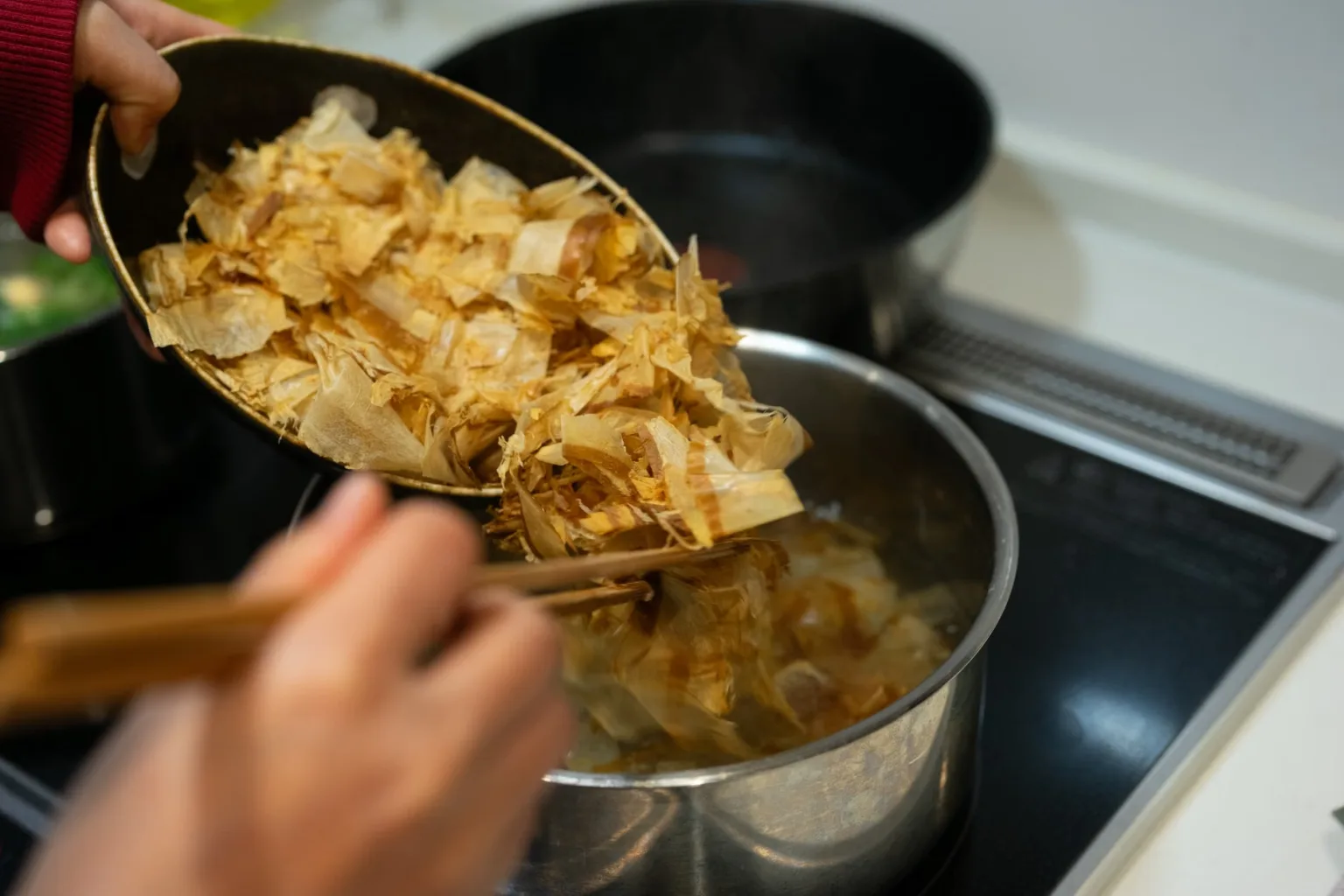
Homemade stock is the liquid left after ingredients have been cooked in water, taking on some of their flavor and aroma. It can be made from vegetables and herbs alone or include meat, bones, fish or shellfish, so there is no single ingredient list for every stock. A clear stock generally starts with raw or lightly browned ingredients, while browning them first makes a darker, more assertive liquid. Stock can be served as it is or used as a liquid ingredient in other dishes. In culinary usage, stock is sometimes distinguished from a more concentrated base, often used chiefly as a foundation for other preparations.
When to use it
Use it when you want to bring flavor to a dish rather than adding plain water, especially in soups, purées, rice dishes, risotto, stews, braises and sauces. Choose vegetable stock when you want to avoid animal-derived ingredients; for other dishes, select a stock whose ingredients suit the main flavors. It can also be served on its own. If it is strongly flavored or seasoned, add it gradually and taste the dish before adjusting its other seasonings.
How to use it
Add it as the cooking liquid for rice, risotto or a stew, replacing some or all of the water called for, depending on how pronounced a stock flavor you want. You can also use it to start a soup or purée, or stir it into a sauce to give the dish a more savory base. To serve it on its own, heat it and taste before adding more seasoning. Homemade stock may be vegetable-based or contain meat, fish or other ingredients, so check that its composition suits the dish and the people eating it. Strain it first if you want a smooth liquid, and adjust salt near the end, especially if the recipe will concentrate as it cooks.
Flavour and texture
Flavor and aroma depend on the vegetables, herbs, spices and other ingredients cooked in the liquid. Vegetable stock may be lighter, while stock made with meat, bones or fish has a different, potentially more pronounced profile. Browning ingredients before simmering produces a darker, more intense stock than starting with raw ingredients. Texture can range from light to fuller-bodied; strained stock is liquid, while any solids served with it depend on how it is prepared.
How to choose it
If buying a stock described as homemade, check its product name, ingredients and storage directions on the package; these can vary from one product to another. If making it yourself, start with ingredients in good condition and choose a combination that suits how you plan to use it. Vegetables, herbs and, where included, meat, bones or fish determine its profile. Vegetable and meat stocks are not interchangeable for every diner or recipe, so check the ingredients before serving.
Storage
After straining, place stock in a covered container and refrigerate or freeze it, following applicable food-safety guidance and the product instructions if it was purchased. The available evidence does not support a universal storage-life recommendation here. If you do not know how long it has been stored, do not assume it is still suitable to use. Check its ingredients before using it again, since each preparation may contain different components.
Substitutions
Water is the most neutral alternative, but it adds less aroma and flavor. Vegetable, poultry, meat or fish stock can replace another stock when its ingredients suit the dish and the preferences of the people eating it. A substitution may change flavor, color and intensity, so taste before adjusting seasonings. Check the label of packaged stock rather than assuming it has the same composition as homemade stock.
Common mistakes
Do not assume every homemade stock has the same ingredients: it may be vegetable-based or include meat, fish and other components. A strongly flavored stock can change a delicate dish, so choose a compatible profile and taste before seasoning. Do not confuse a light stock with a reduced, concentrated base, or expect water to produce exactly the same flavor when used instead.
Safety and allergens
Ingredients and potential allergens depend on the specific recipe. Check the recipe or label, and ask if you do not know what the stock contains. Handle and store stock according to applicable official food-safety guidance; no universal time or temperature can be specified here.
Culinary uses
- Base líquida para sopas y cremas
- Líquido de cocción y refuerzo de sabor para arroces, guisos y salsas
Recommended techniques
- Cocer suavemente los ingredientes en agua para extraer sabor
- Dorar previamente los ingredientes para obtener un caldo más oscuro e intenso
- Colar para retirar los sólidos antes de usar
Pairs well with
- Arroz y risotto
- Sopas, guisos y estofados
- Salsas y cremas
Frequently asked questions
What is the difference between stock and a concentrated base?
In culinary use, stock is often less concentrated and may be served on its own; a more concentrated base is generally used to build other dishes.
Does homemade stock always contain meat?
No. It can be made with vegetables and herbs, or include meat, bones, fish or shellfish. Check the specific ingredients before using it.
Can I use stock instead of water?
Yes, when its flavor suits the recipe. Stock adds aroma and flavor, so taste the dish and adjust its seasonings as needed.
Sources and review
Automatically researched, cross-checked and validated content. Sources consulted:
- TIEMPO-TEMPERATURA.pdf aesan.gob.es
- En el etiquetado alimentario hay algunas menciones que son obligatorias eletiquetadocuentamucho.aesan.gob.es
- Los trucos para cocinar el mejor caldo casero: todo lo que hay que saber para que te salga de cine directoalpaladar.com
- Las cinco claves para cocinar un caldo casero sabroso y nutritivo eldiario.es
- Cómo hacer el mejor caldo casero hola.com
- CALDO CASERO PERFECTO: COMO PREPARARLO alambique.com
- Client Challenge doi.org
- Como hacer caldo de verduras: todos los trucos y aplicaciones conasi.eu
- Caldo - Wikipedia, la enciclopedia libre es.wikipedia.org
- Cómo hacer caldo de verduras casero bonviveur.com
- Caldos caseros: cómo prepararlos, usarlos y conservarlos - La Tercera latercera.com
- Maridajes perfectos: platos caseros y vinos que realzan su sabor - RutasyVinos rutasyvinos.com
- Caldo de Huesos: Beneficios, preparación y usos culinarios | Freshis.com freshis.com
- Caldo casero de pollo y verduras: la receta tradicional eladerezo.com
- Qué es un caldo: guía completa para hacerlo de forma correcta cocinadelirante.com
- Caldo casero: receta paso a paso y 6 posibles usos gastrolibreta.com
- Cómo hacer los caldos caseros lazyblog.net
- Receta de caldo casero – Esencial para sopas y salsas | PEKIS Recetas pekis.net