- Category
- Herbs and spices
- State
- Powdered
- Usual unit
- teaspoon
What it is
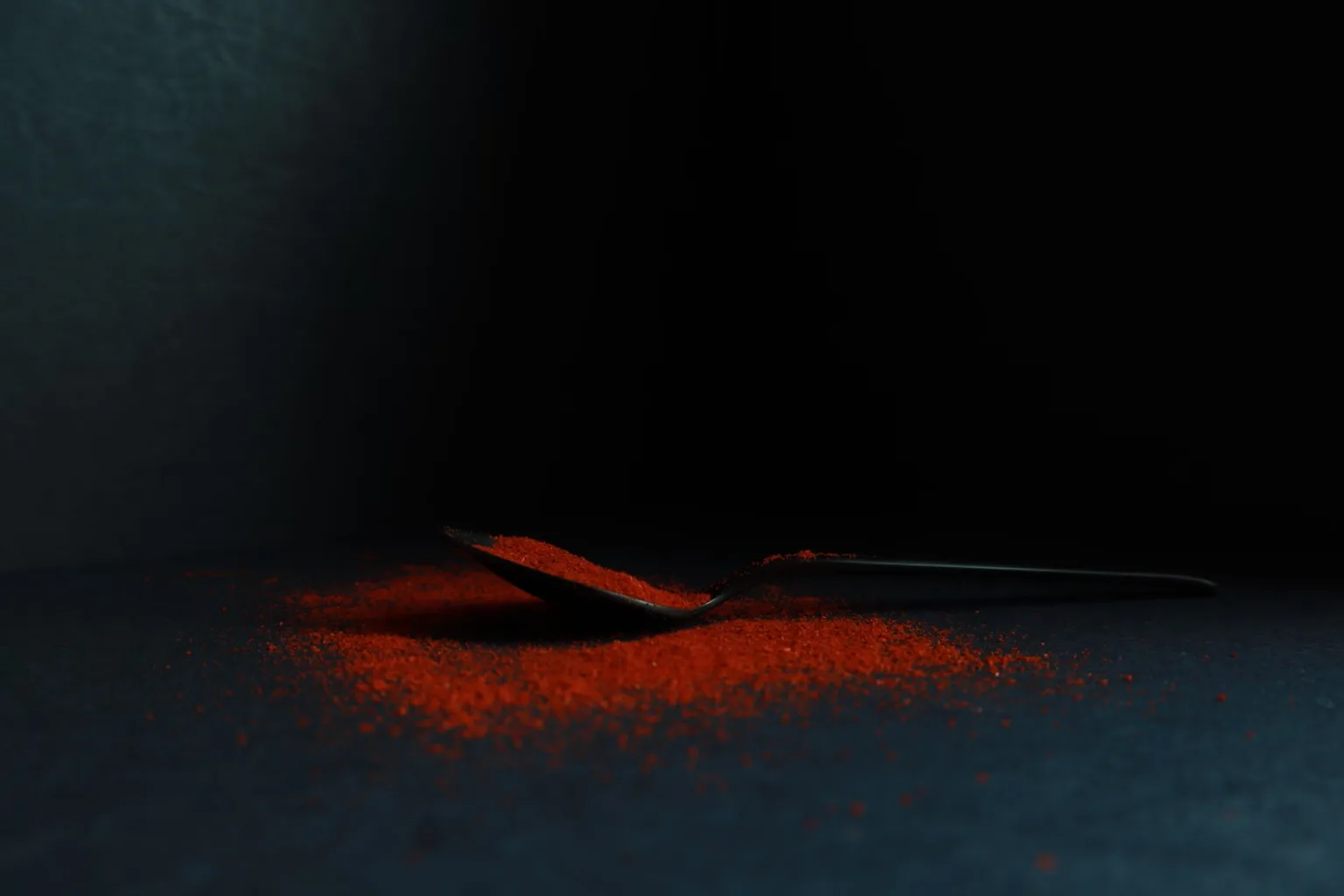
Hot paprika is a powdered spice made by drying and grinding varieties of red pepper. Its defining feature is heat, but the strength can vary with the peppers and the particular product. Like other paprika, it also contributes red color and aroma. It is not fresh bell pepper: it is a dry, ground seasoning. The word paprika covers different products, so check the package to confirm that it is the hot variety and whether it is also smoked. The available evidence does not establish one fixed heat level for every product, so the label and a cautious taste are the practical guides.
When to use it
Use hot paprika when a savory preparation needs heat, red color and concentrated flavor, such as a stew, legume dish, sauce or marinade. It can also be sprinkled over potatoes, cooked vegetables, soups or cheese as a finishing touch. Since products vary in intensity, begin with a modest amount and taste before adding more. For a sofrito, stir it in briefly at the end and add liquid promptly rather than letting the powder fry in oil for an extended time.
How to use it
For a stew or sofrito, add hot paprika at the end of the sofrito and stir briefly; promptly add the liquid called for in the recipe. Prolonged heating in oil can darken the spice and make it bitter, so do not leave it frying unattended. You can also mix it into sauces or marinades, or sprinkle a small amount over potatoes, cooked vegetables, soups or cheese just before serving. Adjust the amount to the heat you want and to the product's stated character. If you do not know how strong the jar is, start with a little, taste, and adjust at the end.
Flavour and texture
Hot paprika has a spicy, warming flavor, with strength that varies from one product to another. It is usually a fine powder, colored red to reddish orange. Some products are also smoked, but the term hot paprika alone does not confirm a smoky character; check the package. Excessive heat during cooking can darken the powder and make its flavor bitter.
How to choose it
Read the product name and description to make sure you are buying hot paprika rather than sweet paprika, and check whether it is described as smoked. Products do not all have identical heat, so the label and maker's information are more useful than assuming a standard intensity. Choose a clearly identified product with its food information available. Where possible, look for a recent harvest or production year; the cited culinary guidance recommends paprika from the same year.
Storage
Protect hot paprika from light and keep it in a dry, dark place to help preserve its aroma and color. Close the container between uses and follow any product-specific directions on the label. The available guidance recommends keeping paprika away from light in a dry, dark place; it does not establish a universal shelf life or exact storage temperature, so neither should be assumed.
Substitutions
Sweet paprika can stand in when you want some paprika flavor and color but are willing to lose much of the heat. Ancho chile powder is another ground-chile alternative, though it will not reproduce the original product exactly. There is no universal quantity-for-quantity conversion: heat varies among products, so add a little at a time and taste as you go.
Common mistakes
A common mistake is frying paprika for too long: it can darken and become bitter. In a sofrito, add it at the end and pour in liquid promptly. It is also easy to assume that every hot paprika has the same intensity or is smoked; check both details on the package and taste a small amount before adjusting the dish.
Safety and allergens
Follow the package directions for use and storage, and check its ingredient and allergen information, since requirements can depend on the product and how it is sold. No specific safety warning for hot paprika is established by the supplied evidence.
Culinary uses
- Aporta picor y sabor a platos salados
- Añade color rojo y aroma a guisos y salsas
Recommended techniques
- Incorporar brevemente al sofrito y añadir enseguida líquido para evitar que se queme
- Espolvorear en crudo sobre patatas, verduras cocidas, cremas o queso
Pairs well with
- Legumbres y guisos
- Patatas, verduras cocidas y cremas
- Carnes, pescados y salsas
Frequently asked questions
Does hot paprika always have the same heat level?
No. Heat can vary with the peppers and the product. Start with a small amount and taste before adding more.
When should I add it to a sofrito?
Add it briefly at the end of the sofrito, then add liquid promptly to help prevent darkening and bitterness.
Does hot paprika mean smoked paprika?
Not necessarily. Hot describes its heat; whether it is smoked depends on the product and should be confirmed on the package.
Estimated nutrition
- Fat
- 60.7 g
- Saturates
- 5.36 g
- Carbohydrate
- 14.3 g
- Sugars
- 3.57 g
- Fibre
- 7.1 g
- Protein
- 21.4 g
- Salt
- 1.88 g
Sources and review
Automatically researched, cross-checked and validated content. Sources consulted:
- En el etiquetado alimentario hay algunas menciones que son obligatorias eletiquetadocuentamucho.aesan.gob.es
- Client Challenge doi.org
- Pimentón - Wikipedia, la enciclopedia libre es.wikipedia.org
- Qué es el pimentón: guía completa sobre su origen, variedades y usos – Reposteriaypasteleria.com.es reposteriaypasteleria.com.es
- Pimentón: Propiedades, Tipos y Recetas | Enciclopedia... cocinista.es
- Todo sobre el pimentón: Variedades y usos cocinaespanola.es
- Cómo cocinar con pimentón hola.com
- Pimentón: qué es, tipos y usos en la cocina citopendia.es
- Pimentón: conoce qué es, para qué sirve, tipos y beneficios agrotendencia.tv
- El Pimentón como especia | El Huerto Urbano elhuertourbano.net
- Pimentón: un condimento que no puede faltar en todas las cocinas cerditomio.es
- Irresistible Cómo Cocinar con Pimentón | Recetas Nestlé recetasnestlecam.com
- 6 métodos para cocinar el pimentón | Recetas Nestlé recetasnestle.cl
- Sustituto del pimentón: 5 especias alternativas que puedes usar en tus recetas | Info Cafe info-cafe-wuppertal.org
- Pimentón. Cómo sacarle el mayor partido en tu cocina abc.es