- Category
- Baking
- State
- Dry
- Usual unit
- teaspoon
What it is
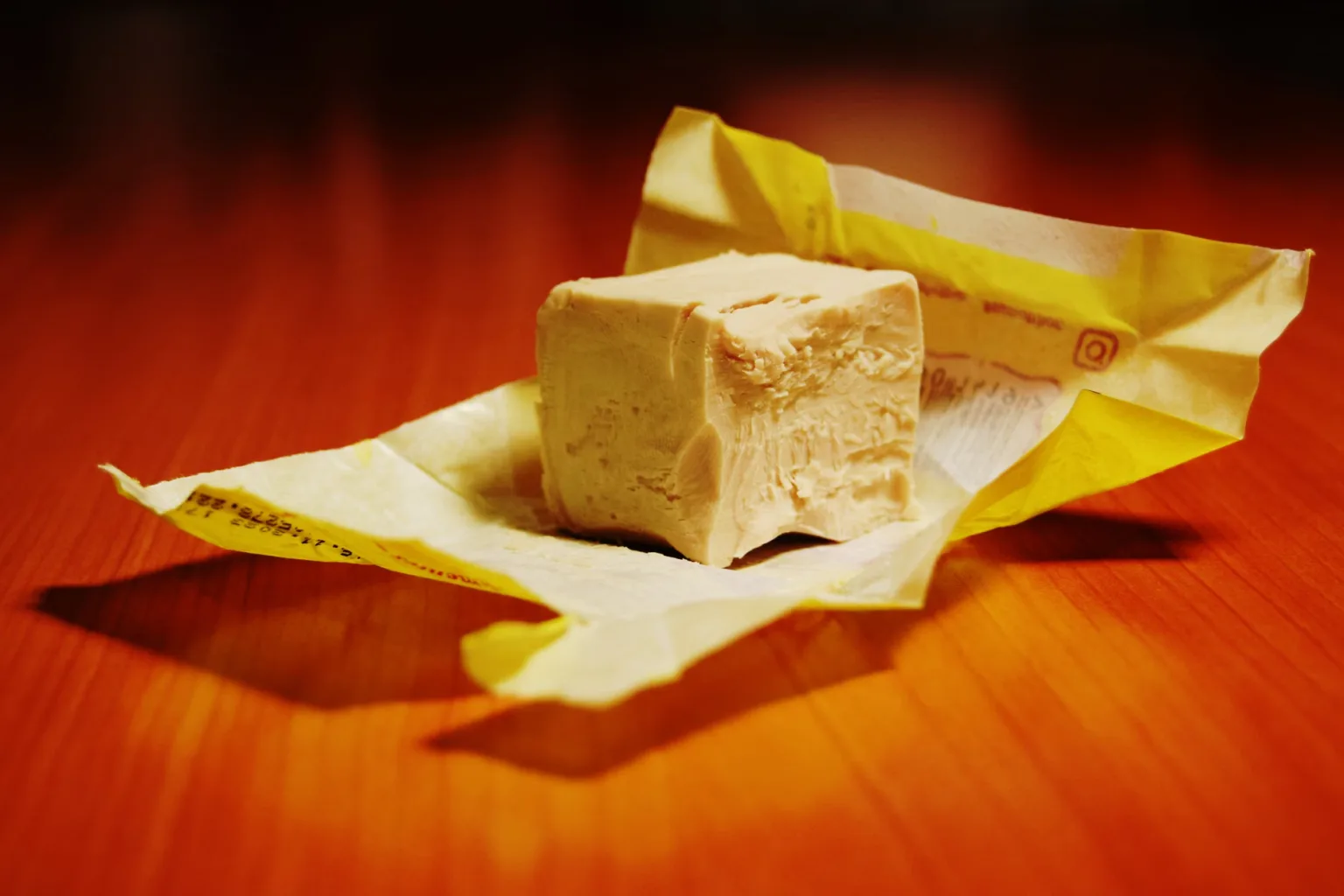
Instant yeast is baker’s yeast sold in small, dry granules. Dry yeast is made by removing much of the water from yeast; the instant form is designed to go directly into flour or other dry ingredients and hydrate in the dough. It is not the same as baking powder: instant yeast is a biological leavener that ferments dough, while baking powder releases gas through a chemical reaction. Instant yeast is used for fermented doughs and is not a direct, all-purpose replacement for baking powder in recipes.
When to use it
Choose instant yeast for doughs that need fermentation, such as bread, pizza and some enriched or sweet doughs. It is handy when you want to add yeast straight to the flour rather than dissolve it first. Check that the recipe calls for baker’s yeast, not baking powder; the two work differently, and baking powder does not provide the fermentation used to raise bread dough. If a recipe specifies active dry or fresh yeast, adapt the method and amount to the recipe and the package directions instead of assuming every form is interchangeable.
How to use it
Measure the amount specified in the recipe and mix instant yeast directly with the flour or other dry ingredients. Add the liquids and continue mixing and kneading as directed. Allow the dough to ferment before baking: yeast produces carbon dioxide, which helps the dough expand. Follow the recipe and package instructions, since the amount and process depend on the bake. Do not confuse instant yeast with active dry yeast, which is commonly hydrated before use, or with baking powder, which does not require dough fermentation.
Flavour and texture
Instant yeast is dry and sold as small, fine granules that mix readily into flour. Its main job is to ferment dough and contribute to rise and an airy crumb, not to add a gritty texture to baked food. The finished flavor depends on the dough and fermentation. Dried yeast may leave a yeast-like note in some preparations, so measure it as the recipe directs rather than adding it by eye.
How to choose it
Look for a package clearly labeled instant yeast or instant baker’s yeast. Do not mistake it for active dry yeast, which may need to be hydrated, or for baking powder. Choose a sealed package in good condition and check the manufacturer’s directions for use and storage. If you plan to replace a different form of yeast, first check what type and quantity the recipe calls for.
Storage
Keep an unopened package in a dry place at room temperature, following the product label. Once opened, seal it tightly or transfer it to an airtight container and use it soon to help maintain its effectiveness. Keep moisture out and check the package for specific directions. Do not compensate for an older product by changing the recipe quantity without guidance; follow the recipe and manufacturer’s instructions.
Substitutions
Active dry yeast can replace instant yeast, but it is commonly hydrated before it is added; follow its package directions and adapt the amount to the recipe. Fresh compressed yeast can also perform the leavening role; a practical guide is about three parts fresh yeast by weight to one part dry yeast. Ratios can differ by product and recipe. Baking powder is not an equivalent substitute because it works by chemical gas production rather than fermentation.
Common mistakes
A common mistake is confusing instant yeast with active dry yeast or baking powder. Instant yeast goes directly into dry ingredients; active dry yeast is commonly hydrated first, while baking powder is not baker’s yeast. Another pitfall is swapping forms without adjusting the amount, or expecting dough to rise without allowing time for fermentation. Check the yeast type named in the recipe and the package directions before starting.
Safety and allergens
Use a food product with intact packaging and follow the manufacturer’s directions. Keep dry yeast away from moisture, and do not use it if the package is damaged or the product appears contaminated.
Culinary uses
- Leudante biológico para masas
- Agente de fermentación en panadería
Recommended techniques
- Mezclar directamente con la harina o los ingredientes secos
- Amasar y dejar fermentar la masa antes de hornear
Pairs well with
- Harina de trigo
- Agua
- Masa para pan y pizza
Frequently asked questions
Do I need to dissolve instant yeast before using it?
Usually not. Mix it directly with flour or other dry ingredients; it hydrates in the dough. Follow the package and recipe instructions.
Is instant yeast the same as baking powder?
No. Instant yeast is a biological ferment that works in dough, while baking powder releases gas through a chemical reaction. They are not direct substitutes.
Can I replace it with fresh yeast?
As a general guide, use about three times as much fresh compressed yeast by weight. The ratio and method can vary, so check the recipe and product directions.
Estimated nutrition
- Fat
- 0 g
- Saturates
- 0 g
- Carbohydrate
- 0 g
- Sugars
- 0 g
- Protein
- 0 g
- Salt
- 0 g
Sources and review
Automatically researched, cross-checked and validated content. Sources consulted:
- Tipos de levadura, características y usos | IFEMA MADRID ifema.es
- Levadura: qué es, tipos y beneficios bonviveur.com
- Qué es la punción seca y para qué la usan los fisioterapeutas doi.org
- Neologismes documentats en textos escrits i orals en ... repositori.upf.edu
- CARACTERIZACIÓN DE COMPUESTOS VOLÁTILES EN ... diposit.ub.edu
- Diversificación en acuicultura: Una herramienta para la ... mapa.gob.es
- Levadura fresca: qué es, usos y diferencias con la levadura seca lesaffre.es
- Levadura de panadería (levadura seca activa, ¿orgánica?) | Fundación G+E diet-health.info
- - YouTube youtube.com
- Las levaduras. Su uso en cocina directoalpaladar.com
- Los diferentes tipos de levadura | LEVITAL levital.blog
- Chicha - Wikipedia, la enciclopedia libre es.wikipedia.org
- Tipos de levadura: seca activa, instantánea y fresca (tabla) | Fond fond.kitchen
- Descubre Tipos de Levadura y sus Usos en Panadería levapan.com