- Category
- Vegetables
- State
- Fresh
- Usual unit
- g
What it is
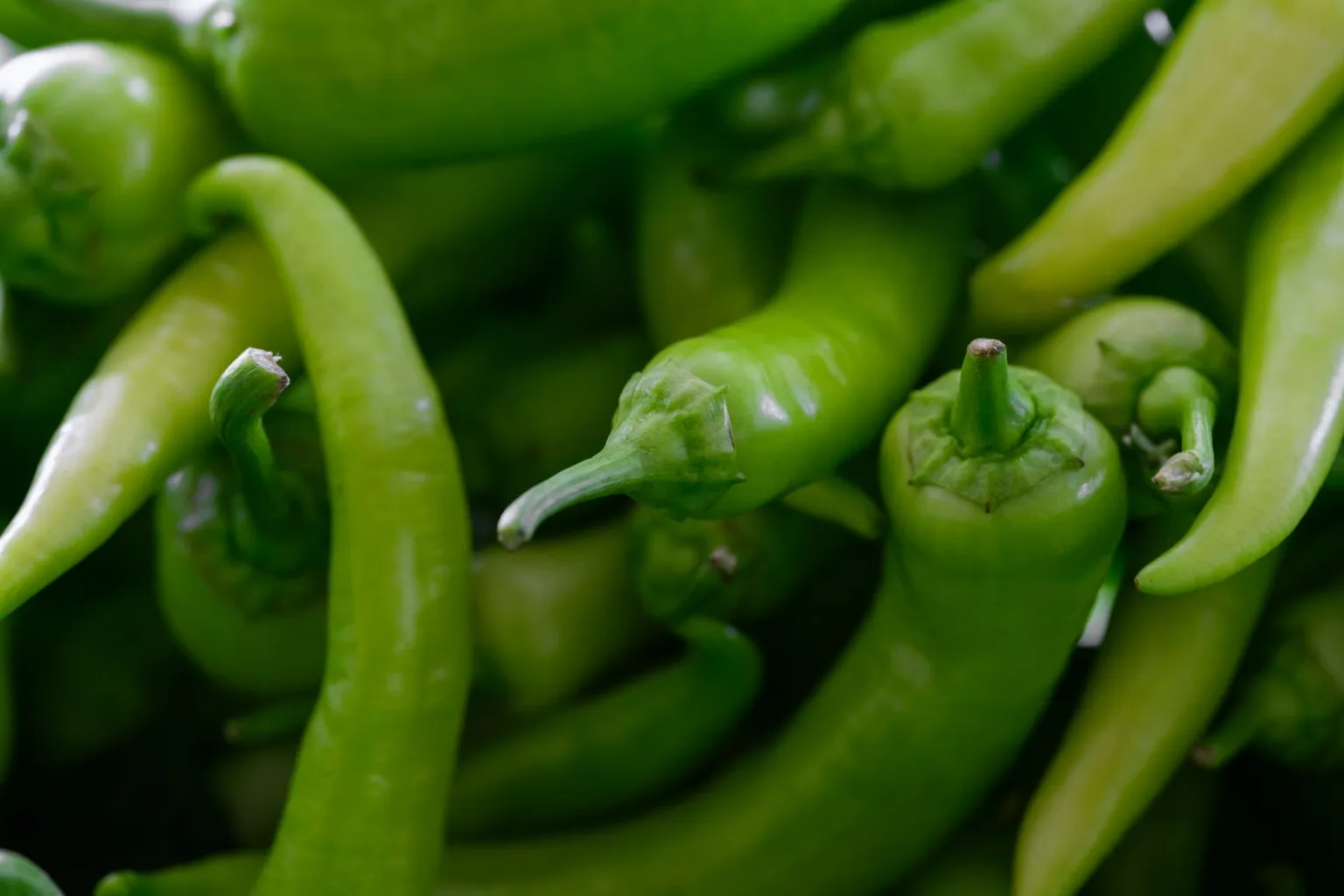
Italian green pepper is a sweet pepper variety usually recognized by its long, narrow shape, pointed end and green skin. It is sold fresh and can be eaten raw or cooked. Descriptions of the variety note thin skin and thin or medium-firm flesh, making it convenient to cut and cook. Green indicates a less mature stage; some peppers of this type may turn red or yellow as they ripen. Do not automatically confuse it with green hot-pepper varieties such as Padrón or Guernica peppers: neither the shape nor the name alone guarantees a particular level of heat.
When to use it
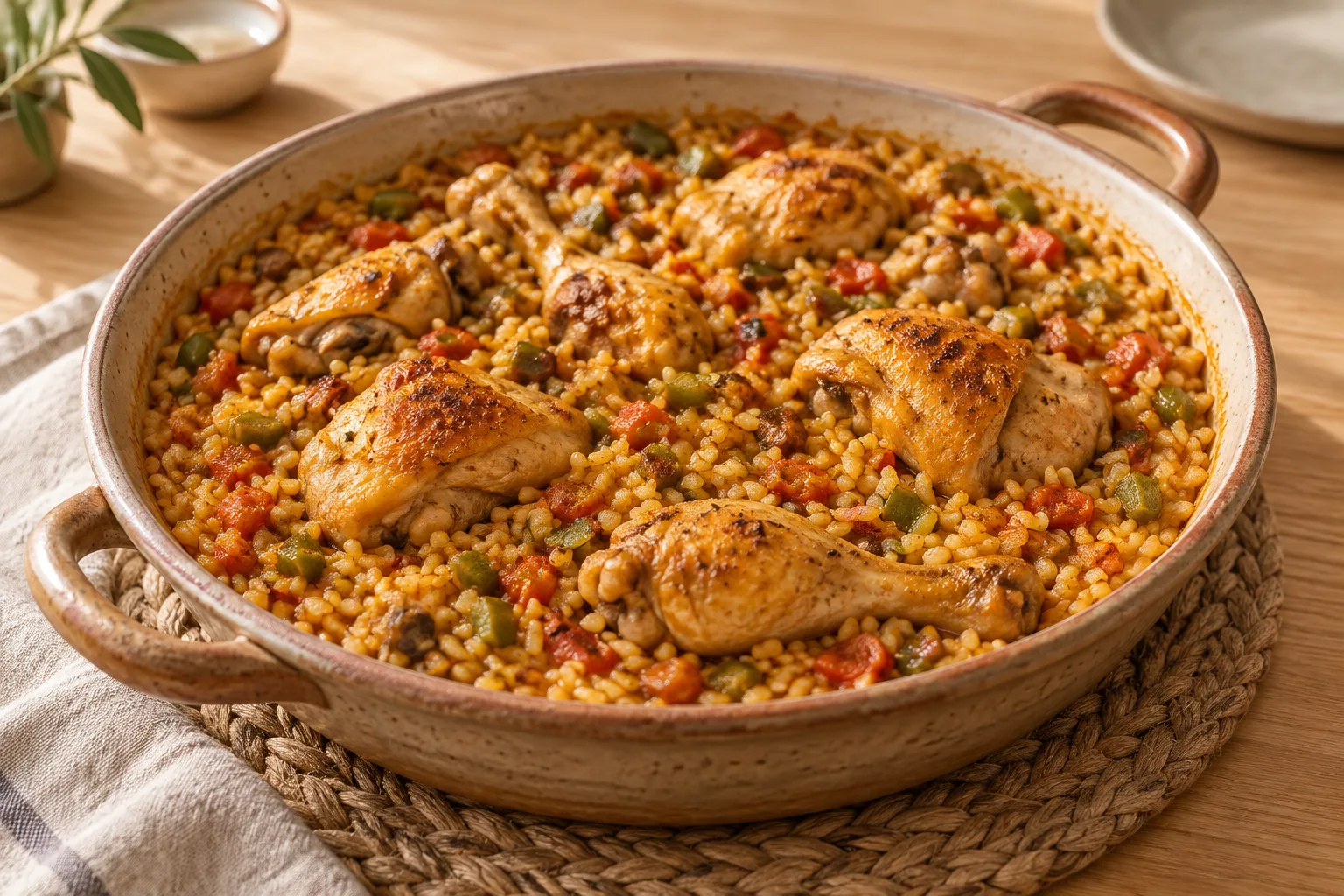
Choose it when you want a generally mild pepper that is easy to cut into strips or pieces. Raw, it brings freshness and texture to salads and sides; cooked, it works in sofritos, sauces, stews and sautés. It can also be fried as a side dish, roasted or added to fillings. Its relatively thin flesh can be useful when you want pepper to integrate into a dish, but it will not behave exactly like a thicker pepper when a recipe depends on a broad cavity or substantial flesh.
How to use it
Remove the stem and, if you prefer, the seeds and inner white ribs; cut the pepper to suit the dish. For a raw preparation, add strips or dice to salads and sides to retain their fresh texture. For a sofrito or sauce, chop it and cook it with ingredients such as onion, garlic or tomato. You can also sauté, fry, roast or grill it and serve it as a side. Its shape can work for some stuffed preparations, although size and flesh thickness vary from pepper to pepper. Match the cut and technique to the texture you want rather than assuming a fixed cooking time.
Flavour and texture
Its flavor is commonly described as mild, slightly sweet and vegetal; some descriptions also note a faintly bitter or more neutral edge. The profile can vary with the individual pepper and its maturity, so uniform sweetness should not be assumed. Raw, the flesh is fresh and somewhat firm; cooking makes it more tender. Its relatively thin skin and flesh suit it to frying, sofritos and stews.
How to choose it
Look for elongated, narrow peppers with green skin and a fresh appearance. Product descriptions often highlight smooth or glossy skin, but shape, size and firmness can vary. Green color does not mean every pepper will taste exactly the same, and it does not by itself show whether a pepper is hot. Choose a size suited to your purpose: manageable peppers for chopping and wider ones if you plan to stuff them.
Storage
Keep fresh peppers in the refrigerator, preferably in the vegetable drawer, and check their condition before use. Commercial advice about wrapping and storage duration is not consistent, so a single shelf-life estimate cannot be given here. If the pepper is packaged, follow its storage and use instructions. Avoid leaving it exposed or crushed during storage if you want to preserve its texture.
Substitutions
Another mild green pepper can replace it when the recipe uses chopped pepper in a sofrito, sauce or salad, though flesh thickness and texture may differ. A red Italian pepper can give a riper, sweeter character. A green bell pepper also works in many dishes, but it is broader and has different flesh; it is not an exact substitute when the Italian pepper’s slender shape matters.
Common mistakes
Do not assume every green pepper is hot or that all Italian peppers have the same sweetness. Also, do not treat a thin-fleshed pepper as though it had the thick flesh of a bell pepper: the result may differ in stuffed or roasted dishes. When substituting, consider the pepper’s shape, texture and role in the recipe.
Safety and allergens
For packaged produce, follow its storage and safe-use instructions. Check that the pepper is in good condition before cooking and handle it hygienically; the available sources do not identify a specific safety warning for this variety.
Culinary uses
- Fresh, crisp vegetable for salads and garnishes
- Aromatic base for sofritos, sauces and stews
- Fried or roasted side dish
- Vegetable to stuff or add to fillings
Recommended techniques
- Eat raw, sliced or diced
- Fry
- Sauté
- Roast or grill
- Cook in sofritos, sauces and stews
Pairs well with
- Onion and tomato
- Garlic and herbs
- Eggs
- Rice and other vegetables
- Meat or fish
Frequently asked questions
Is Italian green pepper hot?
It is commonly described as a mild, sweet pepper. It should not be confused with hot green varieties; the name or color alone cannot guarantee the heat of an individual pepper.
Can Italian green pepper be eaten raw?
Yes. Slice or dice it for salads and sides. It also works in cooked dishes such as sofritos, fried preparations, roasts and stews.
What is the difference between green and red Italian pepper?
Green indicates a less mature stage, and some peppers may turn red as they ripen. Red peppers tend to have a riper, sweeter profile, though the exact flavor varies.
Estimated nutrition
- Fat
- 11.8 g
- Saturates
- 1.59 g
- Carbohydrate
- 4.22 g
- Sugars
- 2.17 g
- Fibre
- 1.8 g
- Protein
- 0.78 g
- Salt
- 0.04 g
Sources and review
Automatically researched, cross-checked and validated content. Sources consulted:
- En el etiquetado alimentario hay algunas menciones que son obligatorias eletiquetadocuentamucho.aesan.gob.es
- Pimientos: variedades y usos en cocina - CocinoPedia.com cocinopedia.com
- Pimientos verdes – Vargaleza vargaleza.com
- Usos culinarios apropiados de las variedades de plátano verde barraganete, dominico y maqueño, en la gastronomía ecuatoriana. | Revista de Gastronomía y Cocina doi.org
- Pimiento Verde Italiano - PideSano pidesano.es
- Pimiento Italiano Verde | Frutas Daniela frutasdaniela.es
- Propiedades y beneficios del pimiento italiano | Almagro Nature almagronature.com
- PIMIENTO ITALIANO VERDE lahuertadelavilla.es
- Pimiento Verde Italiano – Crujiente, aromático y lleno de sabor 🫑 - Gastroebre gastroebre.es
- Todo sobre el pimiento italiano: características, cultivo, propiedades y variedades jardineriaon.com
- Pimiento verde italiano de La Vega de San Martín (kg) - Delahuertacasa delahuertacasa.com
- Pimiento Verde Italiano - Ammarket ammarket.com
- Capsicum - Wikipedia, la enciclopedia libre es.wikipedia.org
- Pimiento Verde Italiano Extra - Shopi Fresh shopifresh.es
- Pimientos verdes italianos - GialloZafferano Recetas italianas giallozafferano.es
- Pimiento Italiano Verde - ALMIRA almiradevelez.es
- Sorprendentes recetas con pimientos verdes italianos para cada ocasión cookpad.com