- Category
- Grains, flour and pasta
- State
- Dry
- Usual unit
- cup
What it is
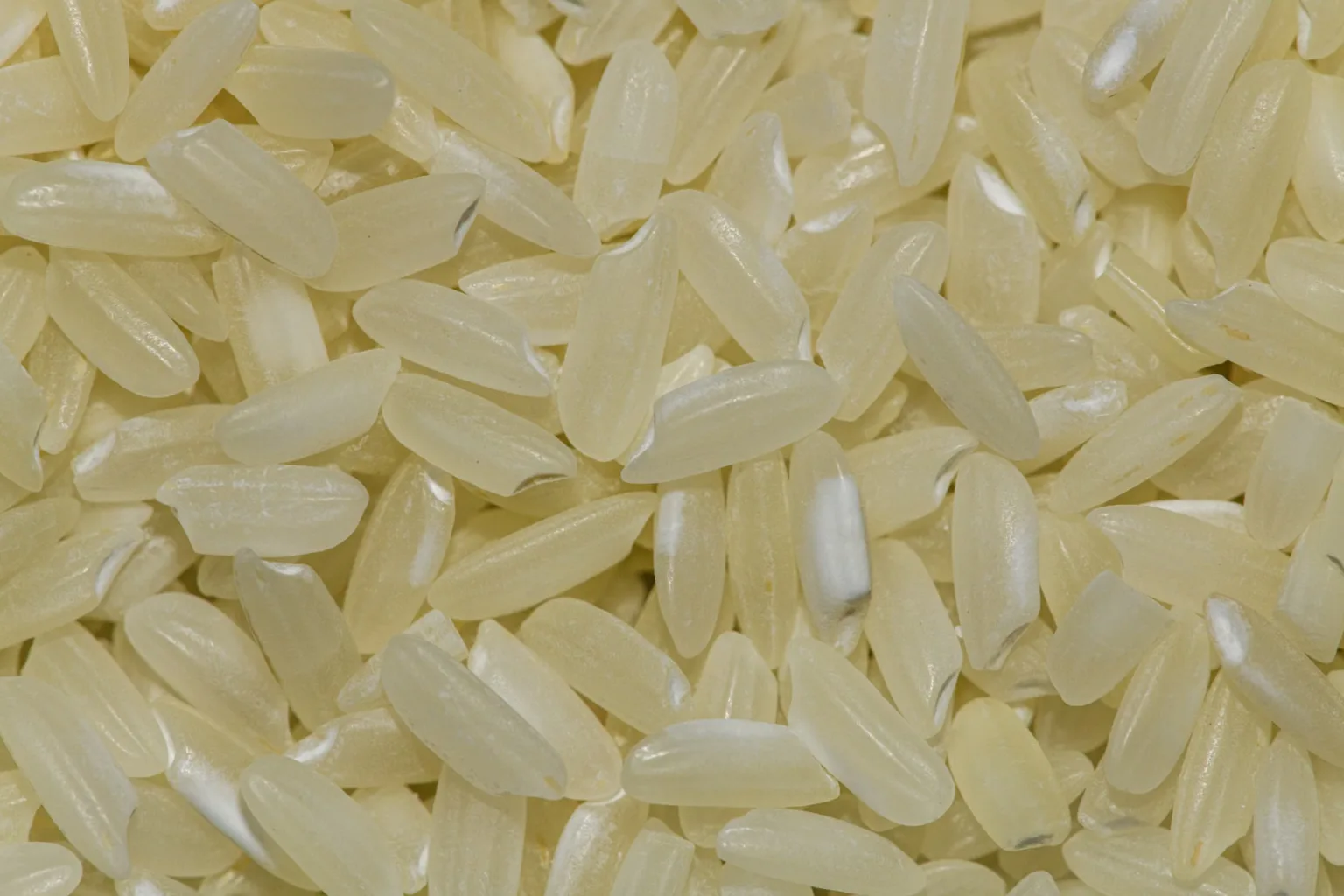
Jasmine rice is an aromatic variety of long-grain rice. It is known for a delicate fragrance often described as floral, and a mild flavor with a slight sweetness. Once cooked, it is generally more tender and cohesive than basmati, while the grains keep their shape; it is not the same as glutinous rice. It is sold in white and brown versions, which can differ in texture and cooking behavior. The name “jasmine” refers to its aroma, not to the presence of jasmine flowers. Check the package label and directions, since grain processing and cooking guidance can vary among products.
When to use it
Choose jasmine rice when you want a fragrant, tender side that works with sauces, especially Thai-style curries, coconut-based dishes, or stir-fried vegetables. Its slightly cohesive texture also suits bowls and fried-rice dishes. If a recipe depends on very separate, dry grains, as some pilafs and rice salads do, basmati may be a better fit. Jasmine rice is not the most suitable choice for dishes that rely on the properties of other rice types, such as risotto or sushi.
How to use it
Measure the rice and liquid according to the package directions: the ratio and method can vary by product, particularly between white and brown versions. If you want to remove some surface starch, rinse the grains with water before cooking and drain them. Cook the rice covered as directed on the package, and avoid repeatedly lifting the lid, which interrupts steaming. When it is done, gently fluff the grains with a fork and serve as a side or as the base for a saucy dish. It can also be used in bowls or stir-fries. With curry, coconut, ginger, or soy, its aroma and texture complement the other ingredients without requiring a single fixed recipe.
Flavour and texture
Jasmine rice has a fragrant aroma often described as floral, with a mild flavor and a slight sweet note. Cooked grains are tender and moist, and may cling together lightly. It is generally more cohesive than basmati but keeps its grain shape and is not as sticky as glutinous rice. Variety and processing, including whether the rice is white or brown, affect the finished texture.
How to choose it
Choose a sealed package in good condition from a trusted supplier. Inspect visible grains and avoid rice showing insects or unusual discoloration. Check whether the product is white or brown and read the label, since processing and preparation instructions can differ. Jasmine rice is distinguished from other long-grain rice by its aroma and cooked texture, but individual packages need not behave identically.
Storage
Keep dry rice in a clean, tightly sealed container, protected from moisture and pests. Utah State Extension recommends airtight packaging and checking rice for insects or discoloration before storage. Reseal the container after use and follow any product-specific label guidance. For cooked rice, use safe leftover practices: do not leave it at room temperature for more than two hours, and cool it promptly before refrigerating.
Substitutions
Basmati can replace jasmine when you want another aromatic long-grain rice, but it generally cooks up drier with more separate grains. Another long-grain rice can also work as a base, though its aroma and texture will differ. Follow the substitute’s own cooking directions rather than assuming it needs the same amount of liquid.
Common mistakes
Do not assume every jasmine rice product needs the same water ratio or cooking method: follow its package, especially for brown rice. Repeatedly lifting the lid can disrupt steaming. Also, do not confuse jasmine rice with glutinous rice or expect the dry, separate grains often associated with basmati.
Safety and allergens
Handle cooked-rice leftovers carefully: do not leave them at room temperature for more than two hours, and cool them promptly before refrigeration. Toxins associated with improper cooling can resist reheating, so reheating does not make unsafe storage safe.
Culinary uses
- Acompañamiento aromático para curris y platos con salsa
- Base tierna para salteados y bowls
Recommended techniques
- Cocción tapada con agua, siguiendo las instrucciones del envase
- Enjuague antes de cocinar cuando se desea reducir el almidón superficial
Pairs well with
- Curry verde o rojo y leche de coco
- Verduras salteadas, jengibre y salsa de soja
- Pollo o pescado con sabores del sudeste asiático
Frequently asked questions
Is jasmine rice always white?
No. White and brown versions are available; check the label to identify the type and its preparation directions.
Should I rinse jasmine rice before cooking?
Rinsing can remove some surface starch. Whether to rinse depends on the recipe and the package directions.
How does jasmine rice differ from basmati?
Both are aromatic long-grain rices, but jasmine rice tends to be more tender and cohesive, while basmati is usually drier and more separate.
Estimated nutrition
- Fat
- 0 g
- Saturates
- 0 g
- Carbohydrate
- 81.6 g
- Sugars
- 0 g
- Fibre
- 0 g
- Protein
- 6.12 g
- Salt
- 0 g
Sources and review
Automatically researched, cross-checked and validated content. Sources consulted:
- Client Challenge doi.org
- Storing White Rice | USU extension.usu.edu
- Memory Dishes simmonscenter.brown.edu
- Is Rice Good For You? - Kendall Reagan Nutrition Center chhs.colostate.edu
- Choosing the Best Rice for Your Cooking Needs |Which rice is best? uaex.uada.edu
- Rice • The Nutrition Source nutritionsource.hsph.harvard.edu
- Safety of Leftover Rice - Brunswick County Center | N.C. Cooperative Extension brunswick.ces.ncsu.edu
- Arsenic in Rice and Rice Products – Arsenic and You sites.dartmouth.edu
- food practices, dietary patterns, and leisure behaviors among ideals.illinois.edu
- Arroz jazmín, qué es y cómo prepararlo en casa para que quede en su punto bonviveur.com
- ▷ Arroz jazmín 105, historia de la exquisita flor de Tailandia | Blog de Cocina Internacional mercadoflotante.com
- Arroz basmati o jazmín: diferencias y usos • Legumbres Guillermo legumbresguillermo.es
- Sabrosas recetas orientales con arroz jazmín | Arroz Mahatma® mahatmarice.com
- Arroz jazmín - Wikipedia, la enciclopedia libre es.wikipedia.org