- Category
- Meat
- State
- Fresh
- Usual unit
- g
What it is
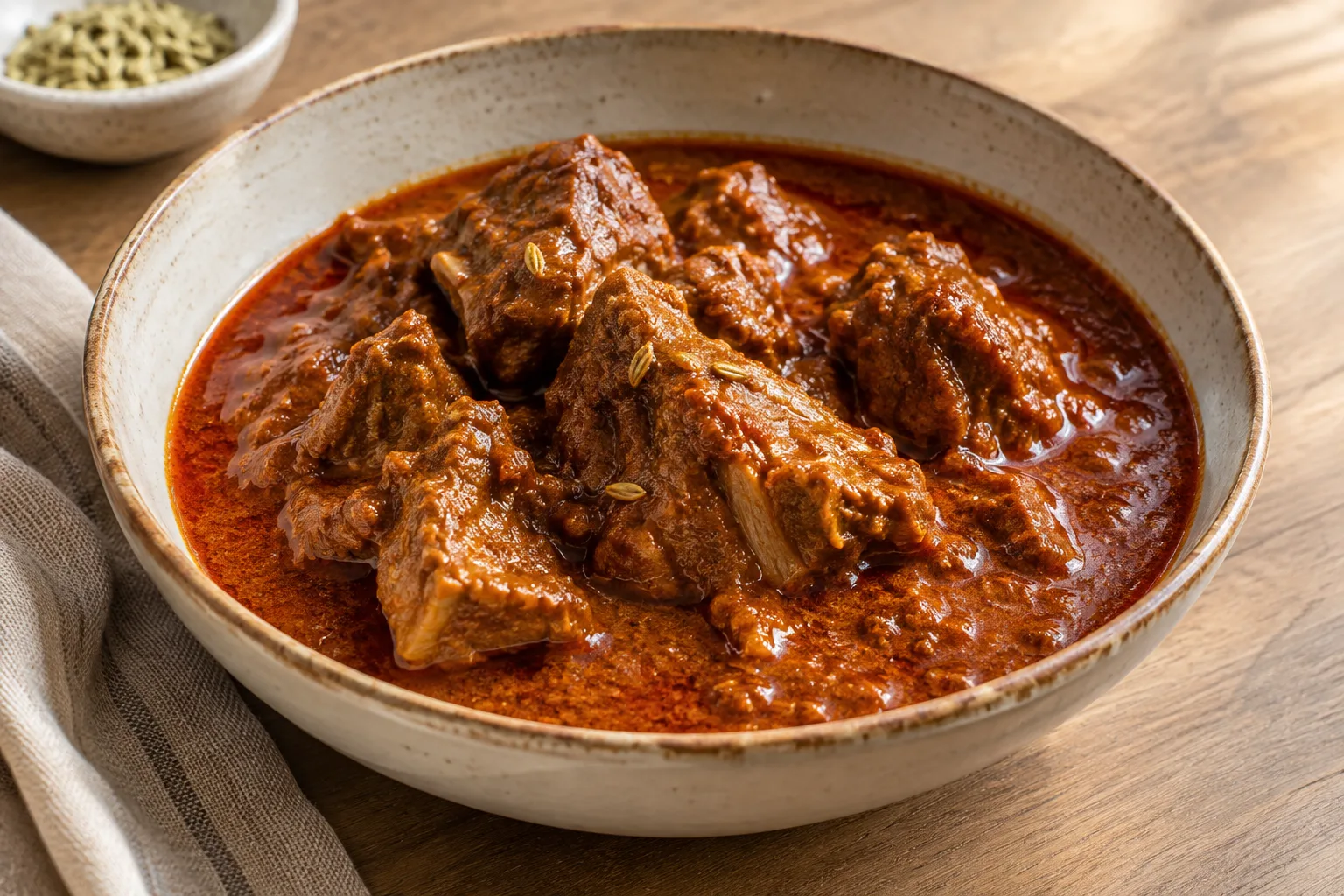
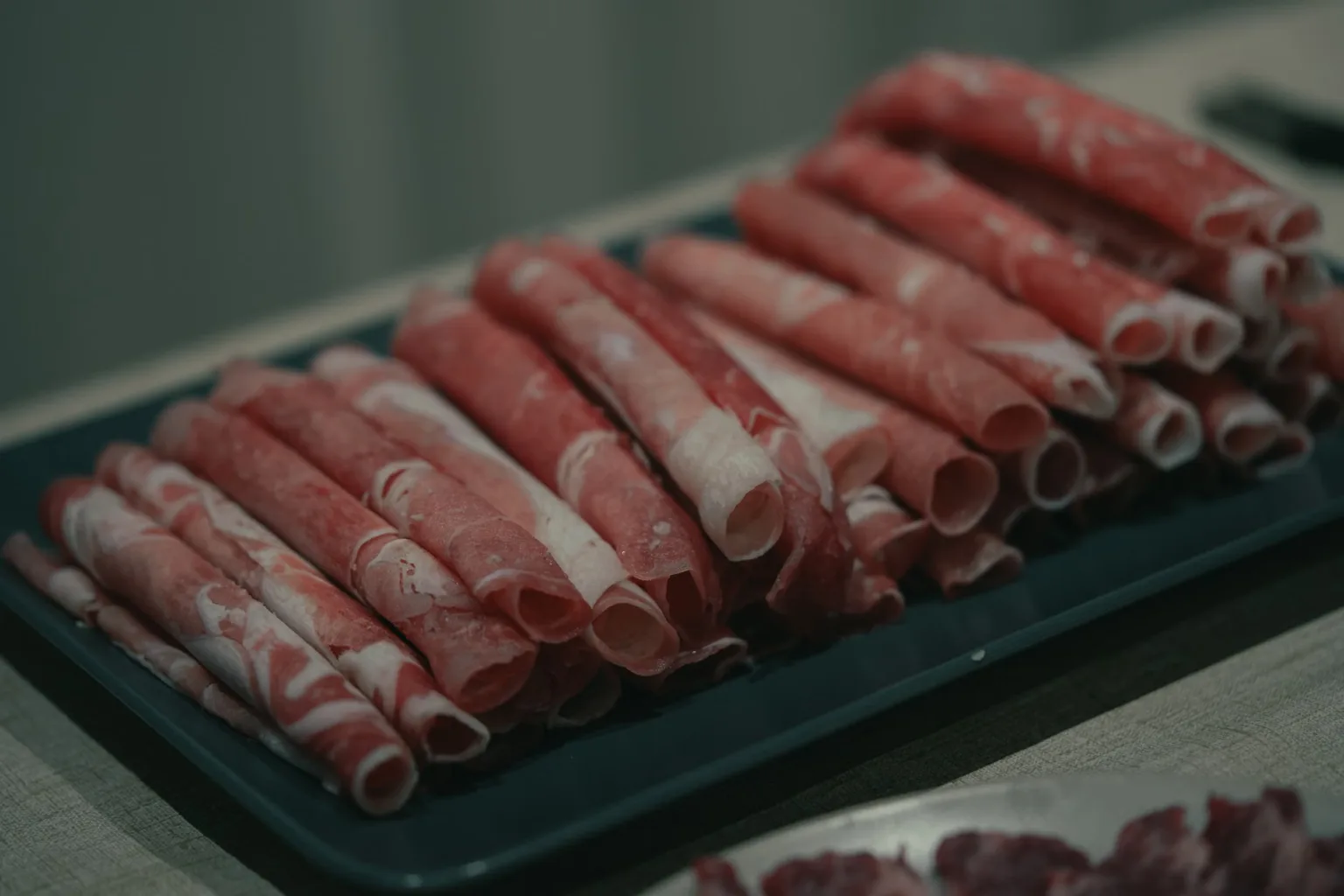
Lamb pieces are portions cut from lamb, but the name alone does not identify a particular part of the animal or say whether the pieces contain bone. Several cuts are commonly used for stews, including shoulder, neck, and breast. Shoulder is described as juicy and tender but with more bone than leg; neck may contain bone, tendons, and fat. As a result, pieces can differ in usable meat, texture, and cooking performance. Check which cut you have and choose a recipe that suits it rather than assuming all lamb pieces are interchangeable. The meat’s flavor can also vary with the animal’s age: younger lamb is described as more delicate, while older animals have a more pronounced flavor.
When to use it
Choose lamb pieces for stews or casseroles when the recipe suits cut portions and, if applicable, bone-in meat; shoulder, neck, and breast are commonly used for these dishes. Pieces can also be threaded onto skewers or used in sautéed dishes when their cut and size suit the method. Do not assume that every piece will cook or taste alike: the cut matters, and lamb from older animals is described as having a stronger flavor than meat from younger animals. Pick the cooking method first, then select pieces that fit it, and follow a recipe appropriate to the cut.
How to use it
Identify the cut and whether the pieces contain bone before cooking, since both affect yield and serving. For stews and casseroles, shoulder, neck, and breast are commonly used; pair the meat with vegetables, potatoes, or vegetable and legume purées according to the dish. Pieces can also be threaded onto skewers. For roasting, frying, or griddling, choose a cut suited to that technique rather than treating all pieces the same. Use a recipe that specifies the method and doneness: the supplied evidence does not establish universal cooking times or temperatures. Adapt the preparation to the actual cut instead of relying on the generic label “lamb pieces.”
Flavour and texture
Flavor and tenderness vary with factors including the animal’s age and the cut. Meat from younger animals is described as more delicate, while meat from older animals has a stronger flavor. Shoulder is characterized as juicy and tender but with more bone than leg; neck can contain tendons and fat. The generic label “lamb pieces” therefore does not promise a uniform texture or meat-to-bone ratio.
How to choose it
Ask which cut has been portioned and whether the pieces are bone-in. Shoulder, neck, and breast are commonly used in stews, but they differ in bone, fat, and usable meat. If you plan to make skewers or a sauté, choose pieces cut appropriately for that use and confirm that the cut suits the method. Do not infer the animal’s age or the meat’s tenderness from the generic product name alone.
Storage
The supplied evidence does not specify storage temperatures, time limits, or preservation methods for lamb pieces. Follow the package instructions and local official food-safety guidance for storing and handling raw meat. Do not estimate shelf life from appearance, cut, or whether pieces contain bone; if instructions are unclear, consult an official local source.
Substitutions
For a stew, another lamb cut suitable for stewing, such as shoulder, neck, or breast, may work if you account for differences in bone and fat. Goat meat is also used as an alternative in recipes that allow a similar preparation. Neither substitution guarantees identical flavor or texture, so check the cut and follow a suitable recipe.
Common mistakes
Treating every piece as having the same bone, fat, tenderness, and usable yield can lead to a different result than expected. Do not assume that lamb pieces always come from one specific cut or apply instructions for a whole joint without adjustment. Identify the cut, select a suitable method, and use a recipe designed for that preparation.
Safety and allergens
Handle raw meat hygienically and follow local official food-safety guidance for storage and cooking. The supplied evidence does not provide specific safe temperatures or cooking times.
Culinary uses
- Main ingredient for stews and casseroles
- Meat for skewers, quick-cooking dishes, and shared meals
Recommended techniques
- Stewing or braising
- Skewering and grilling
- Roasting
- Pan-frying or sautéing
Pairs well with
- Potatoes and vegetables
- Vegetable or legume purées, including hummus
- Thyme and rosemary
- Sauces
Frequently asked questions
Which cuts might be sold as lamb pieces?
The name does not identify one specific cut. Shoulder, neck, and breast are commonly used for stews; ask which cut is in the pack.
Can lamb pieces be used for skewers?
Yes. Lamb cut into pieces and threaded onto skewers appears in recipe examples. Choose pieces that suit the method and follow a complete recipe.
What goes well with lamb pieces?
Vegetables, potatoes, and vegetable or legume purées such as hummus or mutabal are cited accompaniments. Choose according to the dish.
Sources and review
Automatically researched, cross-checked and validated content. Sources consulted:
- Romanica Olomucensia : «¿Qué pinga es esto?». Usos disfemísticos en el español de Cuba doi.org
- The Essential Glossary of Cooking Terms for the Culinary Arts - Escoffier escoffier.edu
- Culinary - Cibola High School cibola.aps.edu
- El cordero, base de nuestra cultura, gastronomía y economía | Cultura restaurantecain.es
- El cordero, un auténtico placer gastronómico - La Mesa Habla lamesahabla.com
- As the labor crisis continues for Colorado restaurants, immigrants stock up on culinary knowledge - MSU Denver RED red.msudenver.edu
- Culinary Arts / Hospitality Administration & Events - Ivy Tech Community College ivytech.edu
- Latin American and Caribbean Food Security Scale (ELCSA) | ANH Academy inddex.nutrition.tufts.edu
- USDA - National Agricultural Statistics Service - Census of Agriculture agcensus.library.cornell.edu
- Dn Chad Cordero: Why I Joined the St Vladimir’s Society | St Vladimir's Orthodox Theological Seminary svots.edu
- 29 recetas de cordero y cabrito para triunfar estas fiestas. Receta de Navidad. directoalpaladar.com