- Category
- Fruit
- State
- Fresh
- Usual unit
- unit
What it is
Lemon peel is the outer covering of the fruit used in cooking, most often as grated zest, strips, or small pieces. For most recipes, cooks use the colored yellow layer and avoid the white layer underneath because it can add bitterness. Peel can perfume a dish without adding the same kind of acidity as lemon juice. It may be used fresh or grated and dried for later use. Whole lemons are available year-round, although a university extension guide notes that they are generally most plentiful and flavorful in winter.
When to use it
Use lemon peel when you want citrus aroma in a dish but do not need to add juice. It works in desserts and baked goods, and can also lift the flavor of fish, salads, vegetables, pasta, and drinks. Add finely grated zest at the end for a noticeable aromatic finish, or mix it into a batter or other recipe before cooking. If you want to save some for another use, grate and dry the peel. Lemons are available throughout the year, though they are generally most plentiful and flavorful in winter.
How to use it
Wash the lemon surface well before removing the peel, so dirt or bacteria on the surface are not transferred to the inside. Use a grater, channel zester, knife, or peeler to remove only the yellow outer layer; try not to include the white pith, which can taste bitter. Use fine zest as it is, or chop it if a recipe calls for smaller pieces. You can also cut strips for a garnish or to flavor a drink. Lemon peel adds aroma to sweet and savory dishes, including baked goods, desserts, salads, fish, vegetables, and pasta. To save peel for later, grate and dry it; store the dried zest in an airtight container in a cool, dry place.
Flavour and texture
The yellow outer peel contributes a distinct citrus aroma and can flavor a dish without relying on juice. Texture depends on how it is cut: fine zest blends in readily, while strips or larger pieces are more noticeable. The white inner layer can taste bitter, so it is usually left out when preparing zest.
How to choose it
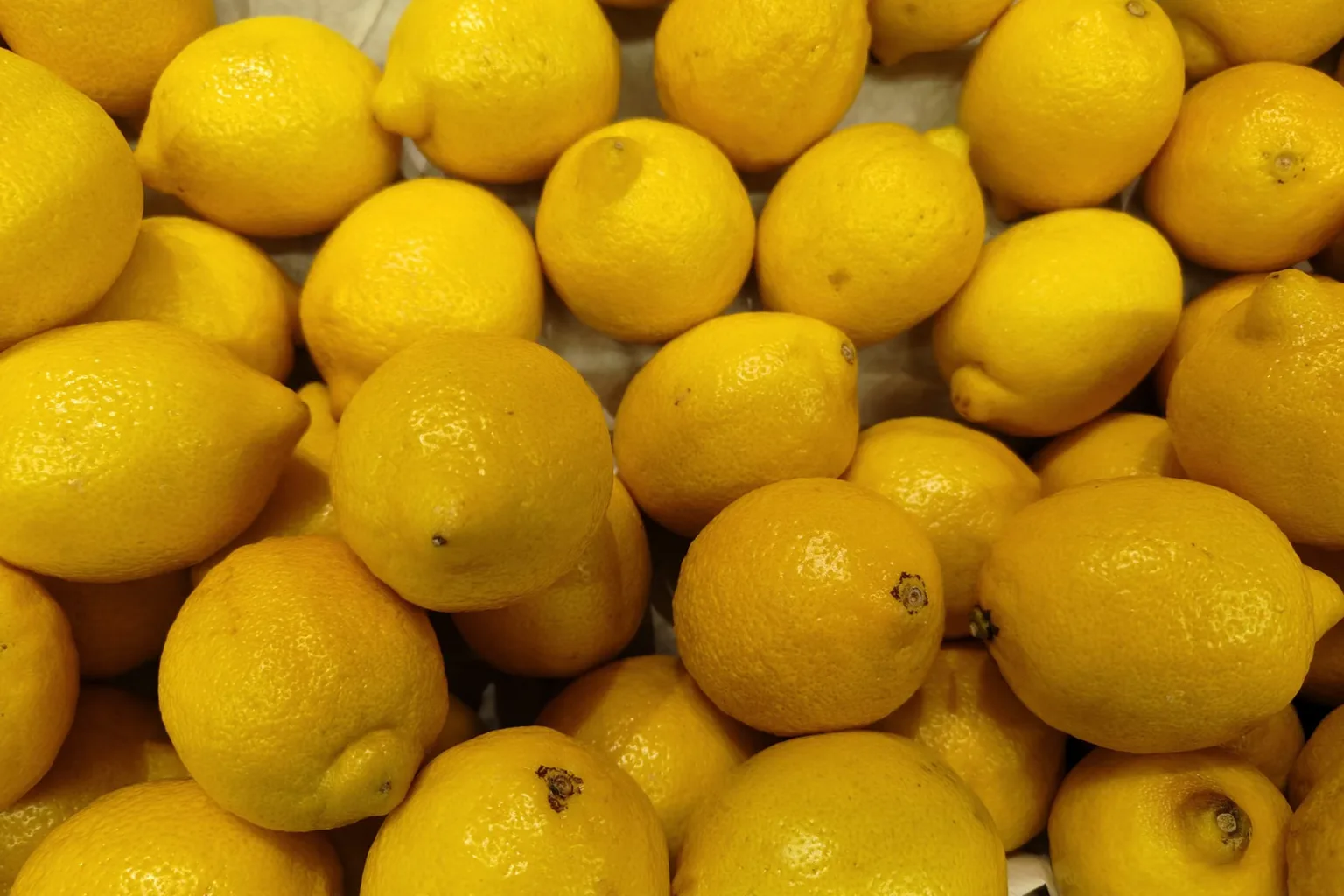
Choose lemons that are firm, bright yellow, and have shiny, thin skin. For good-quality fruit, the guide recommends lemons that feel heavy for their size. Avoid lemons that are soft, spongy, wrinkled, or have rough, bumpy, or hard skin; these are not the selection qualities recommended by the guide.
Storage
A university extension guide says whole lemons can be kept at room temperature for about two weeks or in a plastic bag in the refrigerator for about six weeks. It recommends using cut lemons as soon as possible. To preserve peel, grate and dry it; store the dried zest in an airtight container in a cool, dry place.
Substitutions
Dried lemon zest can stand in for fresh zest, though its form and concentration differ; add a little at a time and adjust to taste. Orange zest is a related citrus alternative, but it changes the aroma. Lemon juice can contribute flavor and acidity, but it does not reproduce the aroma of peel exactly.
Common mistakes
A common mistake is grating too deeply: the white layer beneath the yellow peel can add bitterness. Wash the surface before using the peel, and do not treat zest and juice as interchangeable: juice adds acidity, while peel is used mainly for aroma.
Safety and allergens
Wash the lemon well before grating or cutting the peel, to reduce the chance of transferring dirt or bacteria from the surface to the inside. Use clean utensils and handle the fruit carefully.
Culinary uses
- aromatic seasoning
- garnish
- flavoring for sweet and savory dishes
Recommended techniques
- finely grate or zest the colored outer peel
- cut into thin strips or remove with a peeler
- chop the zest finely
- dry grated zest for later use
Pairs well with
- fish and seafood
- salads and vegetables
- baked goods and desserts
- pasta and drinks
Frequently asked questions
Which part of a lemon is used as zest?
The yellow outer layer is normally used. Avoid the white layer underneath, which can taste bitter.
Should I wash a lemon before zesting it?
Yes. Wash the surface well to help prevent dirt or bacteria from being transferred inside when you cut or grate it.
How can I preserve lemon peel?
One documented option is to grate and dry it. Store dried zest in an airtight container in a cool, dry place.
Estimated nutrition
- Fat
- 0 g
- Saturates
- 0 g
- Carbohydrate
- 0 g
- Sugars
- 0 g
- Protein
- 0 g
- Salt
- 0 g
Sources and review
Automatically researched, cross-checked and validated content. Sources consulted:
- Fruit and Vegetable Guide Series: Lemons | USU extension.usu.edu
- Ingredientes para Recetas de Salsa (Spanish) - National Center for Home Food Preservation nchfp.uga.edu
- ¿Por qué la muerte es origen de miedos y tabúes? doi.org
- The Essential Glossary of Cooking Terms for the Culinary Arts - Escoffier escoffier.edu
- Comité Científico aesan.gob.es
- Appendix B: Recipes for Disease Prevention – Culinary Medicine opentextbooks.library.arizona.edu
- Le Chef Club | Culinary Institute Lenotre culinaryinstitute.edu
- KOHLRABI - Extension St. Croix County stcroix.extension.wisc.edu
- Provider Spotlight: Daniela Limón, Dietetic Technician | Rush rush.edu
- Lemon Broccoli Pasta/Pasta con Brócoli y Limón (LCH) | CSU Northridge w2.csun.edu
- Piel de limón | Nutrepedia nutrepedia.com
- 9 usos para la piel de limón en la cocina - PequeRecetas pequerecetas.com
- Cáscara (ingrediente) - Wikipedia, la enciclopedia libre es.wikipedia.org
- Trucos para aprovechar la piel del limón hola.com
- Propiedades que tiene la piel del limón y que no sabías vida.es