- Category
- Fruit
- State
- Fresh
- Usual unit
- unit
What it is
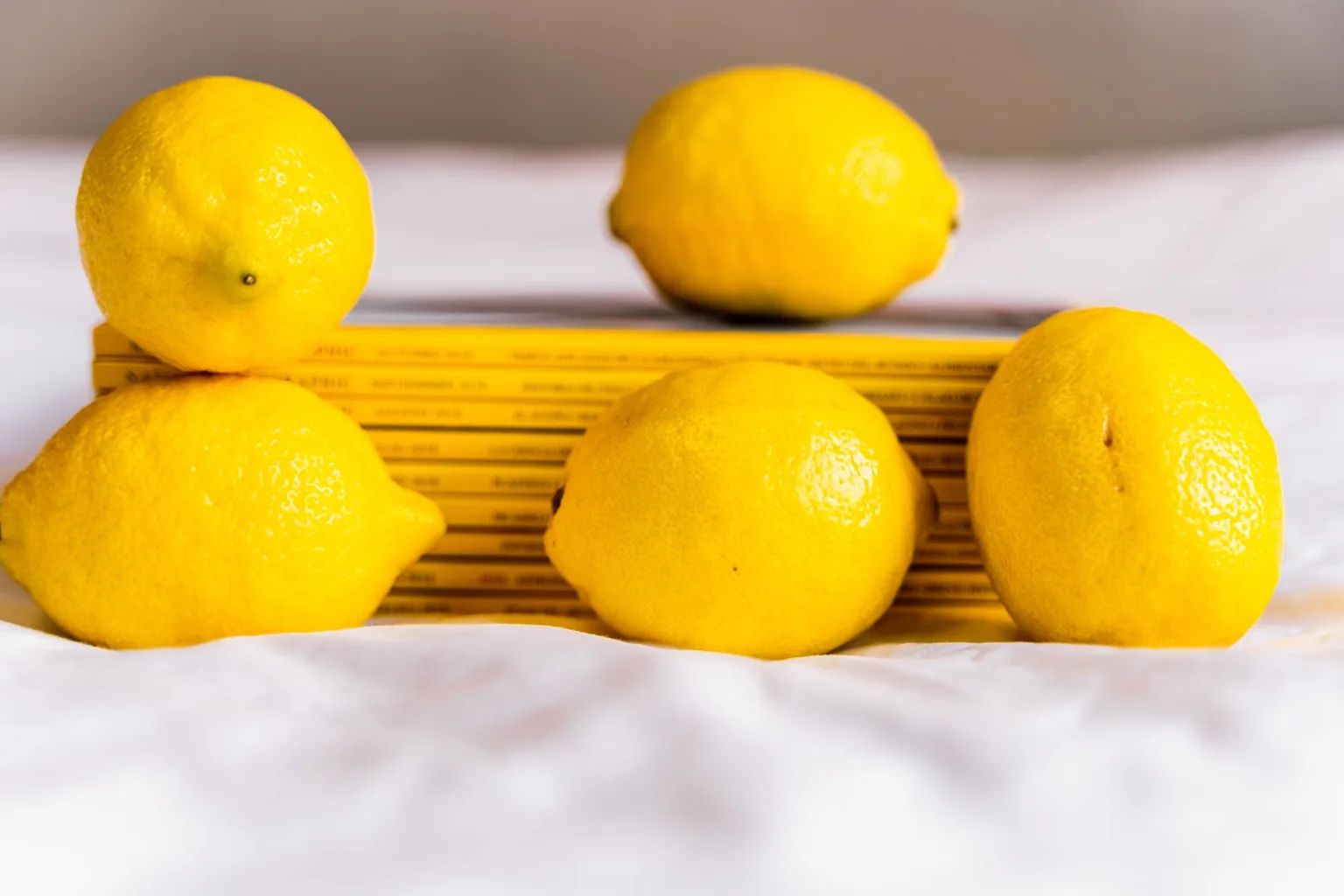
Lemon zest is the yellow outer surface of lemon peel, grated or cut into small pieces. It is different from lemon juice: zest mainly contributes the aroma and pronounced citrus flavor of the peel, rather than the juice’s acidity and moisture. Beneath the colored layer is the white pith, which can taste bitter and is usually avoided when zesting. A fine grater, channel knife, or vegetable peeler can be used; the tool determines whether the zest is fine or left in wider strips. Zest is used fresh, and dried forms are also available, along with other prepared presentations.
When to use it
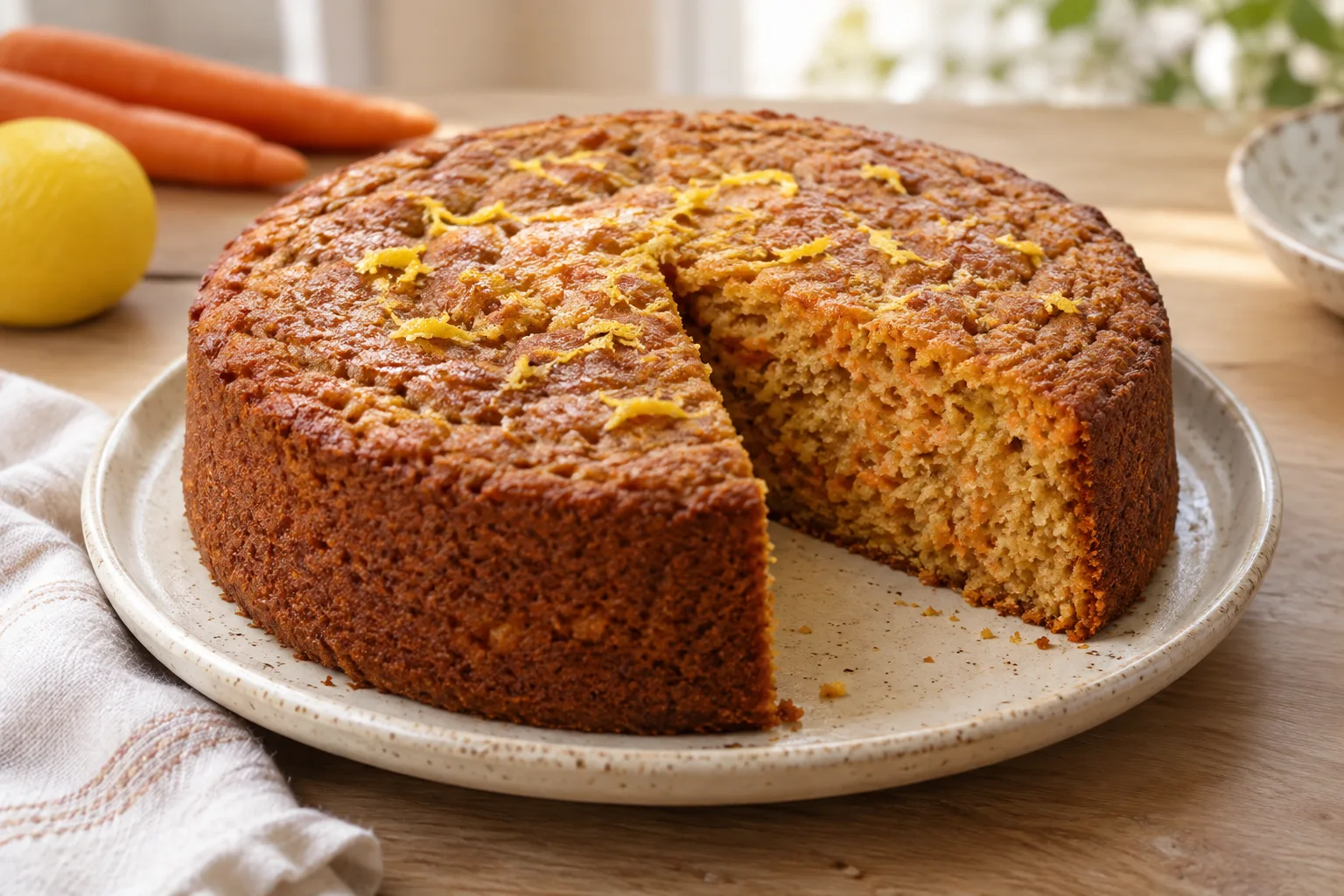
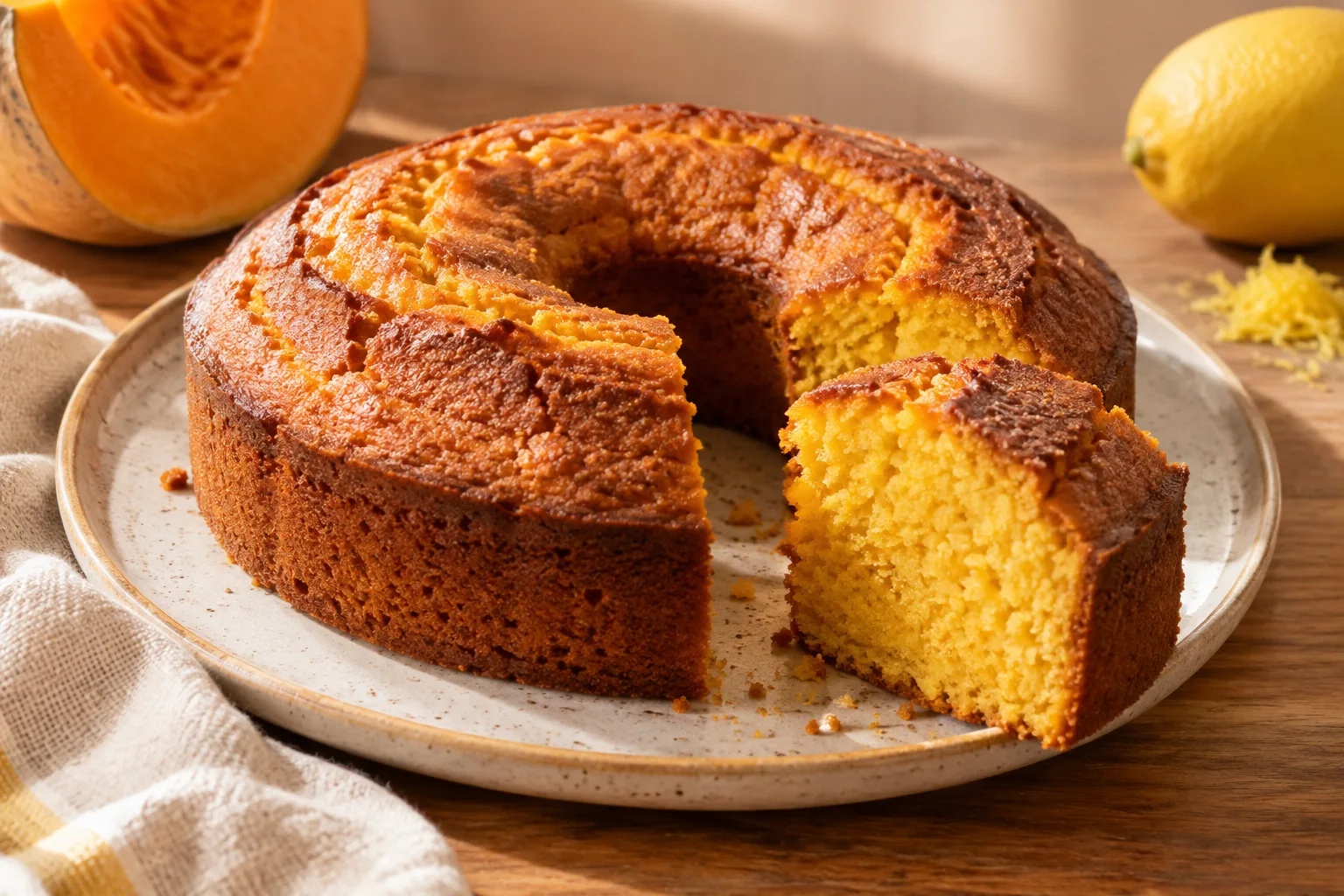
Use lemon zest when you want a clear lemon aroma without adding the liquid from the juice, such as in cakes, cookies, creams, or glazes. It can also add a citrus note to vinaigrettes, sauces, rice dishes, and fish or seafood. Zest works in drinks and cocktails, either mixed into the preparation or used as an aromatic strip. If a recipe needs acidity or moisture, zest alone does not do the same job as juice: they are different parts of the lemon, so choose according to the result you want.
How to use it
Grate or cut only the yellow surface of the lemon: move a fine grater gently over the peel, or use a peeler when you want strips. Turn the fruit to work around it, and stop before reaching the white layer, which can add bitterness. Use a grater for fine zest; for a drink or infusion, cut strips of peel and remove them when the preparation has enough aroma. Add zest to batters, creams, dressings, sauces, or rice dishes as the recipe directs. Grate it close to the time of use to make better use of its aroma, which can lose intensity over time.
Flavour and texture
Lemon zest is citrusy, fresh, and aromatic, with a concentrated peel fragrance distinct from the fruit’s flesh. Fine zest blends readily into batters and dressings; strips remain visible and can perfume liquids. The adjoining white pith can taste bitter, so flavor depends in part on removing only the colored surface.
How to choose it
You can make fresh zest from a whole lemon or choose prepared zest, including dried or frozen forms. The available evidence does not establish a lemon variety, exterior appearance, or size as a reliable sign of better zest, so avoid relying on unsupported selection rules. For a packaged product, check its name, ingredients, and any storage or use directions on the label; choose a format that suits the recipe.
Storage
Freshly prepared zest has a stronger aroma when used soon after grating. If you have extra, one culinary source says it can be frozen in small portions, though it may lose some aroma. For dried, frozen, or packaged products, follow the storage directions on the label rather than applying one product’s conditions to another. No reliable storage period for all fresh zest is established here.
Substitutions
Lime or orange zest can provide a similar citrus-aroma function, but each fruit has its own profile and the result will not be identical. Dried lemon zest is also available; its form and aroma may differ from freshly grated zest. Adjust to the recipe and the product at hand, since the evidence does not establish exact equivalences or a universal conversion.
Common mistakes
The most common mistake is grating too deeply and including the white pith, which can make a dish bitter. Another is treating zest as interchangeable with juice: zest mainly contributes peel aroma, while juice adds acidity and liquid. Leaving zest prepared long before use can also reduce its aromatic intensity.
Safety and allergens
No specific safety warning for fresh lemon zest is provided. For a packaged product, follow its label directions for storage and use, and check the ingredient information.
Culinary uses
- aromatic accent
- citrus flavoring
- finishing garnish
Recommended techniques
- fine grating of the colored peel
- paring or cutting zest into strips
- infusing zest into liquids
Pairs well with
- cakes, cookies, creams, and glazes
- vinaigrettes, sauces, and rice dishes
- fish and seafood
- herbs such as dill or parsley
Frequently asked questions
Which part of the lemon should I zest?
Grate the yellow outer layer. Avoid the white pith beneath it, which can taste bitter.
Can lemon zest replace lemon juice?
Not directly: zest mainly adds peel aroma, while juice adds acidity and moisture.
What can I do with leftover zest?
It can be frozen in small portions; according to the available source, it may lose some aroma. Follow the label if it is a packaged product.
Estimated nutrition
- Fat
- 25 g
- Saturates
- 17.9 g
- Carbohydrate
- 10.7 g
- Sugars
- 10.7 g
- Fibre
- 3.6 g
- Protein
- 14.3 g
- Salt
- 1.25 g
Sources and review
Automatically researched, cross-checked and validated content. Sources consulted:
- En el etiquetado alimentario hay algunas menciones que son obligatorias eletiquetadocuentamucho.aesan.gob.es
- ¿Zumo, ralladura o gajos? Cómo usar cada parte del limón en la cocina hogarmania.com
- Limón, un sol en la cocina | Diario Sur diariosur.es
- ¿Por qué la muerte es origen de miedos y tabúes? doi.org
- Aecosan - Agencia Española de Consumo, Seguridad Alimentaria y Nutrición aesan.gob.es
- Estudio sobre el Limón: Orígenes, Beneficios y Usos Culinarios - Studocu studocu.com
- Limón: propiedades, beneficios y usos - Herbolario Casa Pià casapia.com
- AI Chef Pro Funciones Avanzadas: Técnicas de Power User | Blog AI Chef Pro blog.aichef.pro
- Almeja Rosa: Análisis y comparativa de los mejores cocktails con esta bebida alcohólica bazulrestaurante.es
- Guía Completa: ¿Qué es la Ralladura de Limón y Cómo Prepararla en Casa? entretenido.eshowto.com
- La ralladura del limón en la cocina - Missouri Blog missouririversup.com
- Cáscara (ingrediente) - Wikipedia, la enciclopedia libre es.wikipedia.org
- Ralladura de limón - significado de ralladura de limón diccionario es.thefreedictionary.com
- Esencia de Limón en Perfumaria | Première Peau premierepeau.com
- Zeste de citron : utilisations en cuisine et en boisson – KitchyGoods kitchygoods.com
- Ralladuras de limón y otras – Las recetas de casa lasrecetasdecasa.wordpress.com
- Ralladura de limón - Frotz frotzfruits.com
- Cómo cocinar la merluza para que quede sabrosa y no se desarme: seis ideas con salsas y guarniciones - Infobae infobae.com