- Category
- Sauces and condiments
- State
- Liquid
- Usual unit
- tablespoon
What it is
Light soy sauce is a style of soy sauce distinguished from dark soy sauce chiefly by its lighter color and generally thinner consistency. In Chinese cooking, it is often called light soy sauce or shengchou; “light” does not necessarily mean low in salt. The name can vary by style and producer, so it is worth checking the label rather than assuming every product described as light is the same. This sauce is used to season food and add salty, savory character without darkening a dish as much as dark soy sauce. Its exact ingredients and production method depend on the individual product.
When to use it
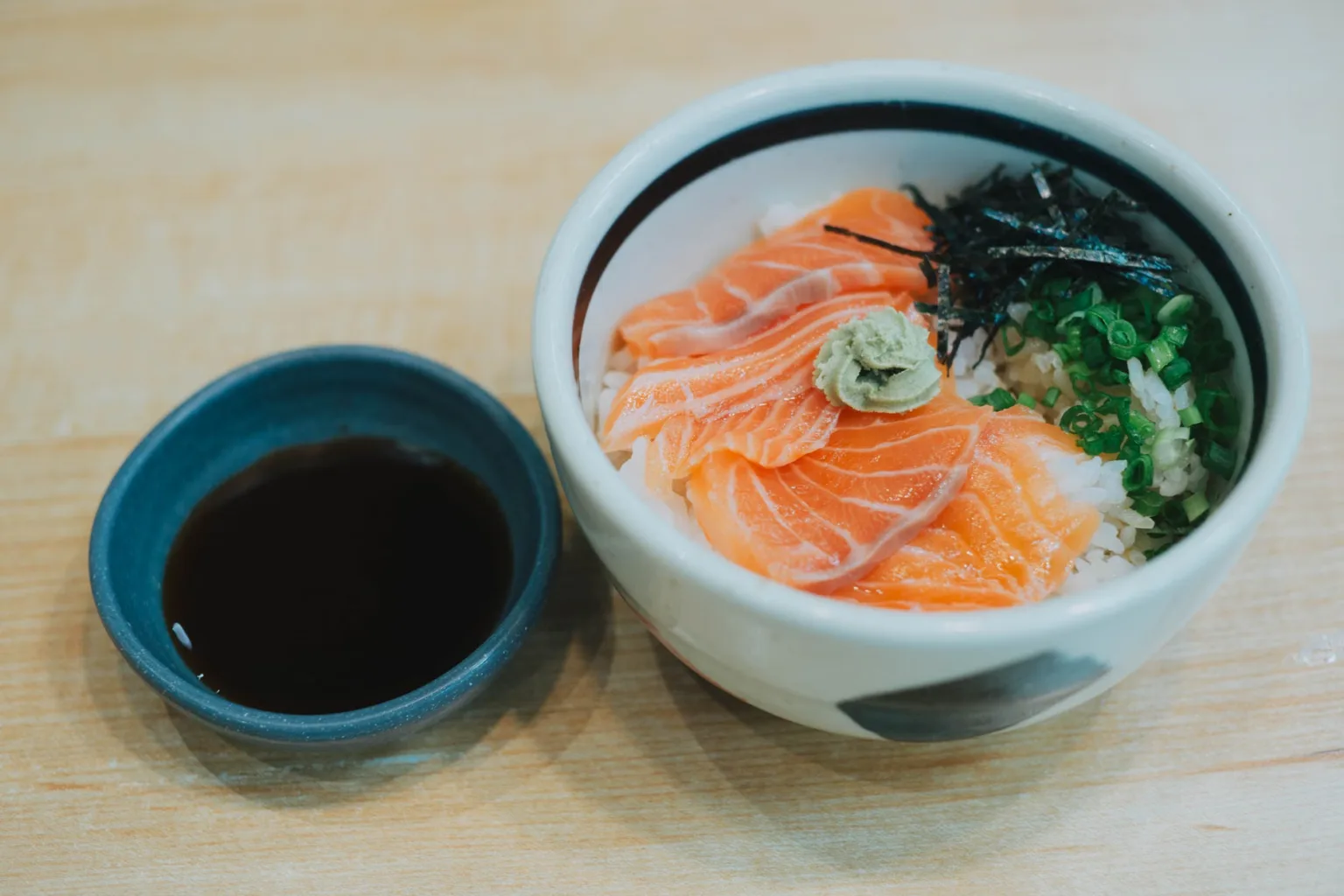
Choose it when you want to season a dish with soy sauce while keeping the ingredients’ color more visible. It works in stir-fries, soups, broths, marinades and dressings, and can also be served as a dipping condiment. Its flavor may be saltier than that of a dark soy sauce, so add it gradually and taste before adding extra salt. Do not automatically treat it as a reduced-sodium sauce or as interchangeable with every pale Japanese soy sauce: styles and characteristics differ.
How to use it
Add it gradually to stir-fries, soups or broths as you adjust the flavor, and avoid replacing all the salt in a recipe without tasting the result. For a marinade or dressing, combine it with an acidic ingredient such as vinegar or lime juice; add aromatics such as garlic or ginger if they suit the dish. It can also be used as part of a dipping sauce. If the food’s color matters, start with a small amount: although it is lighter than dark soy sauce, it can still tint a preparation. Check the label for the specific product’s ingredients and adjust the amount to the desired saltiness.
Flavour and texture
Its profile is generally salty and savory, with a lighter color and thinner texture than dark soy sauce. Compared with dark soy sauce, it is usually less sweet and less viscous, though flavor and intensity vary among styles and brands. Here, “light” mainly describes the style or appearance; it does not guarantee a reduced salt content.
How to choose it
Check the label for the specific style, ingredient list and any soy or wheat information. The word “light” alone does not tell you the salt content or whether the product is Chinese or Japanese in style. Choose according to the flavor and color you want, and consult the producer’s information if you have dietary requirements or allergies.
Storage
Follow the producer’s storage instructions and check the label after opening, as guidance can differ between products. Keep the bottle tightly closed and avoid contaminating its contents when serving. There is no single storage condition or shelf life that can be assumed for every light soy sauce.
Substitutions
Japanese shoyu can work as a seasoning substitute, but it may give the dish a different profile. Tamari can also replace it in some preparations and often has a more intense flavor; always check its label, especially if you need to avoid an ingredient. Add substitutes gradually and taste, since the sauces are not identical in saltiness, flavor or color.
Common mistakes
Do not assume that “light” means low in salt or mild in flavor: some pale styles are quite salty. Do not swap it freely with dark soy sauce when color or sweetness matters. Add it gradually, taste before adding more salt, and check the label to confirm the product’s style and ingredients.
Safety and allergens
Soy is a food allergen that must be identified in food information. Some soy sauces also contain wheat. If you have an allergy or intolerance, read the full label and confirm the ingredients of the specific product; do not assume a variety is suitable based on its name alone.
Culinary uses
- Condimento salado y sabroso
- Realzador de sabor para platos y salsas
Recommended techniques
- Añadir a salteados, sopas y caldos
- Usar en marinadas, aliños y vinagretas
Pairs well with
- Vinagre, lima o limón
- Ajo, jengibre y setas
Frequently asked questions
Does light soy sauce contain less salt?
Not necessarily. “Light” often describes the style or color; some pale varieties are saltier than dark soy sauce. Check the label and taste before adding more salt.
What dishes can I use it in?
It can season stir-fries, soups, broths, marinades and dressings, or be served as a dipping sauce. Add it gradually to control both saltiness and color.
Does it contain soy or wheat?
Soy is a relevant food allergen, and some soy sauces contain wheat. Always check the ingredients and allergy information on the specific product you plan to use.
Estimated nutrition
- Fat
- 0.3 g
- Saturates
- 0.04 g
- Carbohydrate
- 5.59 g
- Sugars
- 0.5 g
- Fibre
- 0.7 g
- Protein
- 9.05 g
- Salt
- 9 g
Sources and review
Automatically researched, cross-checked and validated content. Sources consulted:
- ¿Por qué la muerte es origen de miedos y tabúes? doi.org
- Etiquetado de sustancias que causan alergias e intolerancias alimentarias aesan.gob.es
- Types of Soy Sauce | Institute of Culinary Education ice.edu
- Salsa de soja: origen, beneficios y usos en cocina - Coosur coosur.com
- ¿Qué es la salsa de soja y para qué sirve? | ComerJapones comerjapones.com
- Distintos tipos de salsas de soja | Umami Madrid umami-madrid.com
- Healthy Eating Plan for Weight Management med.uc.edu
- Additional file 1: The Antioxidant Food Table. vtechworks.lib.vt.edu
- Salsa de soja ligera y salsa de soja oscura: Diferencias clave y usos culinarios | Gastronomía & Cía gastronomiaycia.com
- Fresh Produce Recipe Book | Wsu s3.wp.wsu.edu
- Nutrition Education Materials for Food Pantries | UNL Food | Nebraska food.unl.edu
- Quelites—Agrobiodiversity beyond our crops | Elementa online.ucpress.edu
- Communities of Sense in Sacramento Urban Gardens. communitydevelopment.ucdavis.edu