- Category
- Fruit
- State
- Liquid
- Usual unit
- ml
What it is
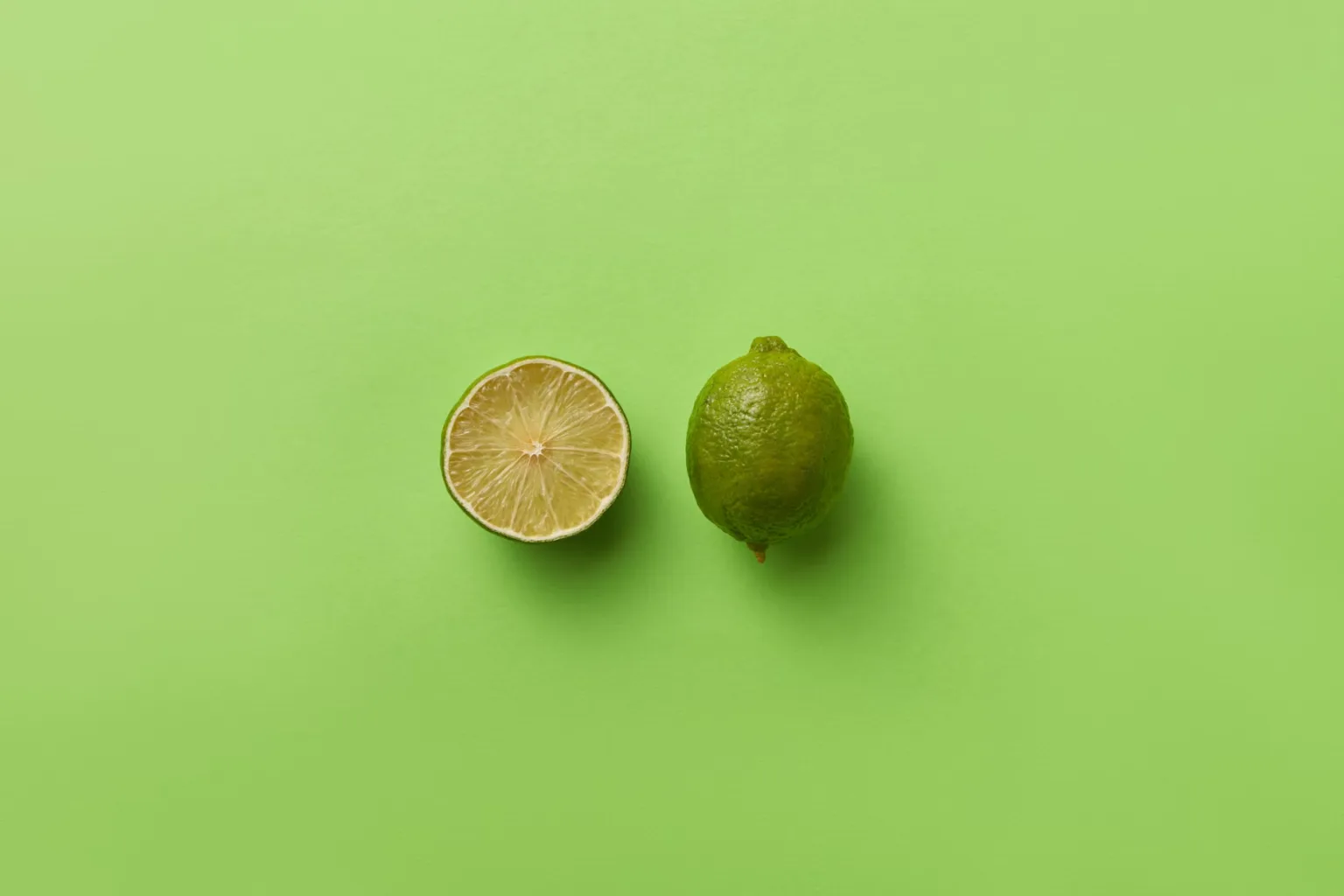
Lime juice is the liquid extracted by squeezing limes. It is also sold bottled, in both unsweetened and sweetened forms, so products bearing the same general name may not behave alike in a recipe. Freshly squeezed juice and commercial products can also differ depending on how they are made. Its flavor is typically acidic and citrusy, similar to lemon juice, and it is used to add acidity and aroma to drinks, dressings, sauces, marinades and other dishes. Lime juice is not the same thing as limeade or lemon juice.
When to use it
Use lime juice when a drink or dish needs an acidic, aromatic citrus note. It works in cocktails and other drinks, as well as salad dressings, marinades, sauces, soups, vegetable dishes, rice and noodles. It can also complement avocado preparations and desserts such as sorbets or creams. Choose an unsweetened version when you want more control over sweetness; use a sweetened product only when its added sweetness suits the recipe.
How to use it
With fresh limes, cut and squeeze the fruit to collect the juice, using your hands or a citrus juicer. Taste the juice before adding it, then work it in gradually because its acidity can change a dish’s balance. For a dressing, whisk it with oil and herbs; for a drink, mix it with the other ingredients and adjust sweetness to suit the recipe. It can also be incorporated into marinades, sauces, soups, rice or noodle dishes and vegetable preparations. If using bottled juice, check whether it is sweetened and adjust the recipe accordingly.
Flavour and texture
Lime juice tastes distinctly acidic and citrusy, similar to lemon juice, with an aroma that can vary in intensity depending on the fruit or product. It is liquid and blends readily into drinks, dressings and sauces. Bottled juice may be sweetened or unsweetened, so its perceived sweetness is not always the same.
How to choose it
First decide whether you need fresh juice or a bottled product. Check the label to see whether the bottled juice is sweetened, since that affects the balance of drinks and dishes. Fresh juice is squeezed from the fruit; commercial products may differ according to how they are made. Choose the format that suits your recipe and review the product information.
Storage
The supplied sources do not establish a shelf life for lime juice or universal storage conditions for every format. For bottled juice, follow the package directions. If you make a salad or another dish with lime juice and have leftovers, refrigerate them within two hours, following the recommendation cited for prepared salads.
Substitutions
Lemon juice can replace lime juice when a similar citrus acidity is wanted, although the result will not be identical. In a dressing, vinegar can provide an alternative acidity if it fits the recipe’s flavor. Recheck the sweetness if replacing a sweetened bottled product with fresh or unsweetened juice.
Common mistakes
Do not assume bottled lime juice is always unsweetened; check the label before adjusting a drink or dish. Avoid swapping lime for lemon or vinegar without tasting, since the substitution changes the flavor profile. Add the juice gradually so you can balance its acidity.
Safety and allergens
The supplied sources do not provide a lime-juice-specific safety warning. Handle it with clean utensils and follow the product label. If you keep leftovers of a prepared salad made with lime juice, refrigerate them within two hours.
Culinary uses
- acidulant for drinks and dishes
- flavoring for dressings, marinades, sauces and desserts
Recommended techniques
- squeeze fresh limes to obtain juice
- whisk into a dressing or mix into a drink
Pairs well with
- cilantro, olive oil, peas, green beans and radishes
- avocado, rice, noodles, vegetables and curry spices
Frequently asked questions
Is lime juice the same as lemon juice?
No. Their citrus acidity is similar, but their flavors are not identical. Lemon juice can substitute when the recipe can accommodate the difference.
How can I tell whether bottled lime juice is sweetened?
Check the product label. Bottled lime juice is sold both sweetened and unsweetened, and that difference affects a recipe.
What dishes use lime juice?
It is used in drinks, dressings, marinades, sauces, soups, and dishes with vegetables, rice, noodles or avocado; it can also be used in some desserts.
Sources and review
Automatically researched, cross-checked and validated content. Sources consulted:
- Almacenamiento Seguro de Alimentos: - El Refrigerador y el ... bookstore.ksre.ksu.edu
- Ingredientes para Recetas de Salsa (Spanish) - National Center for Home Food Preservation nchfp.uga.edu
- ¿Por qué la muerte es origen de miedos y tabúes? doi.org
- The Essential Glossary of Cooking Terms for the Culinary Arts - Escoffier escoffier.edu
- sistema appcc en la - industria de zumos de frutas aesan.gob.es
- Publications | Food Engineering | Washington State University labs.wsu.edu
- Jugo de lima (¿crudo?, ¿orgánico?) | Fundación G+E diet-health.info
- Zumo de Lima, Pulpa & Puré al por mayor | Nutrada nutrada.com
- Safe & Healthy Food Pantries Project - Health & Well-Being health.extension.wisc.edu
- Qué es la lima kaffir, ingrediente imprescindible de la cocina tailandesa directoalpaladar.com
- vinagre o jugo de lima Archives | Dinner Tonight dinnertonight.tamu.edu
- Snap Pea Salad with Radish & Lime/Ensalada de Vainas de Chícharos Dulces con Rábanos y Limas (LCH) | CSU Northridge w2.csun.edu
- Jugo de lima - Wikipedia, la enciclopedia libre es.wikipedia.org