- Category
- Vegetables
- State
- Fresh
- Usual unit
- unit
What it is
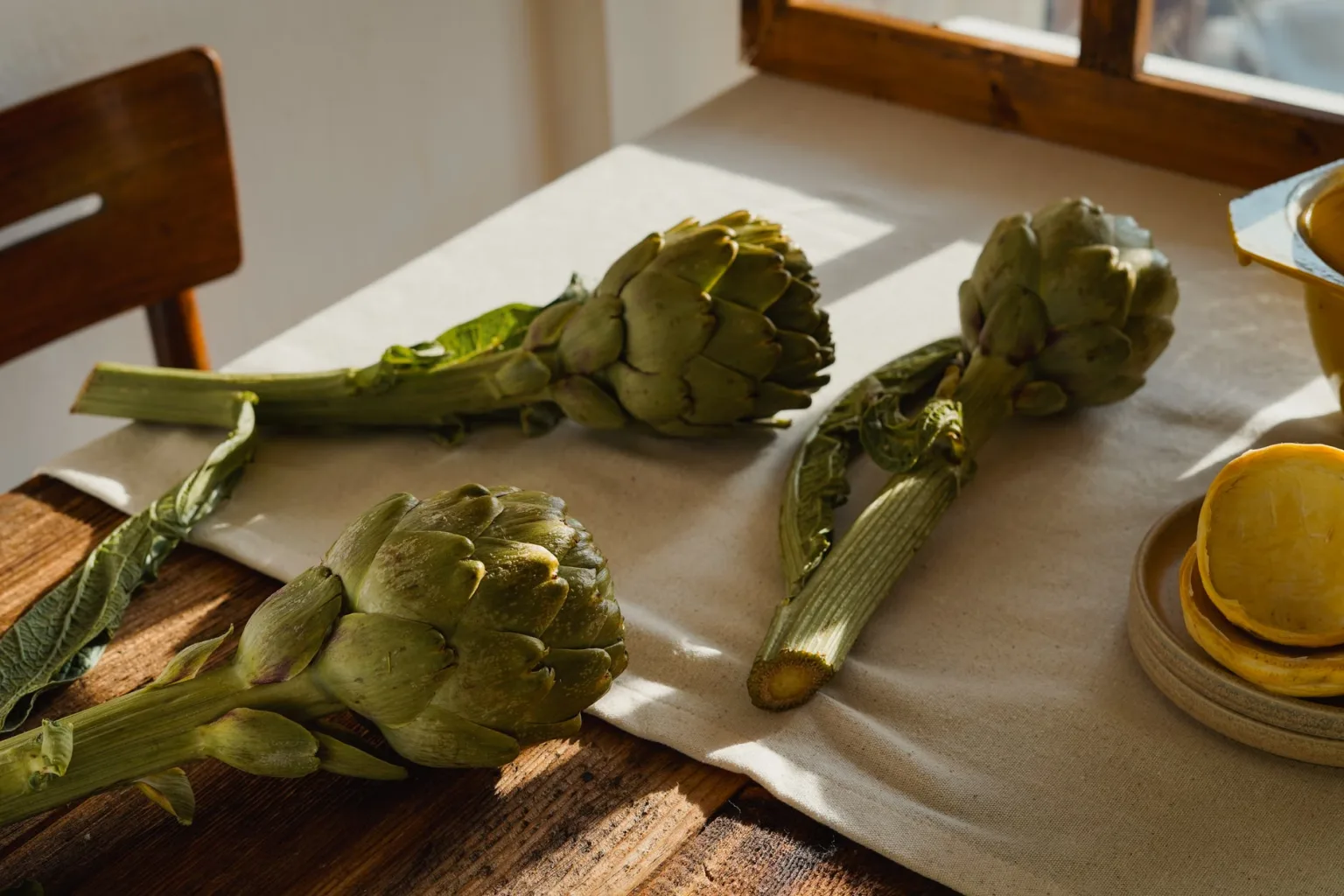
An artichoke is the edible flower head of a plant in the Asteraceae family. The fresh vegetable is a compact head made up of overlapping leaves; the tenderest portions are toward the inside and at the base. The heart is the fleshy central portion, while the outer leaves are often tougher. “Medium” describes the size of the individual, not a single variety: artichokes vary in shape, color, and size by variety. This profile covers whole fresh artichokes, not canned hearts or frozen products.
When to use it
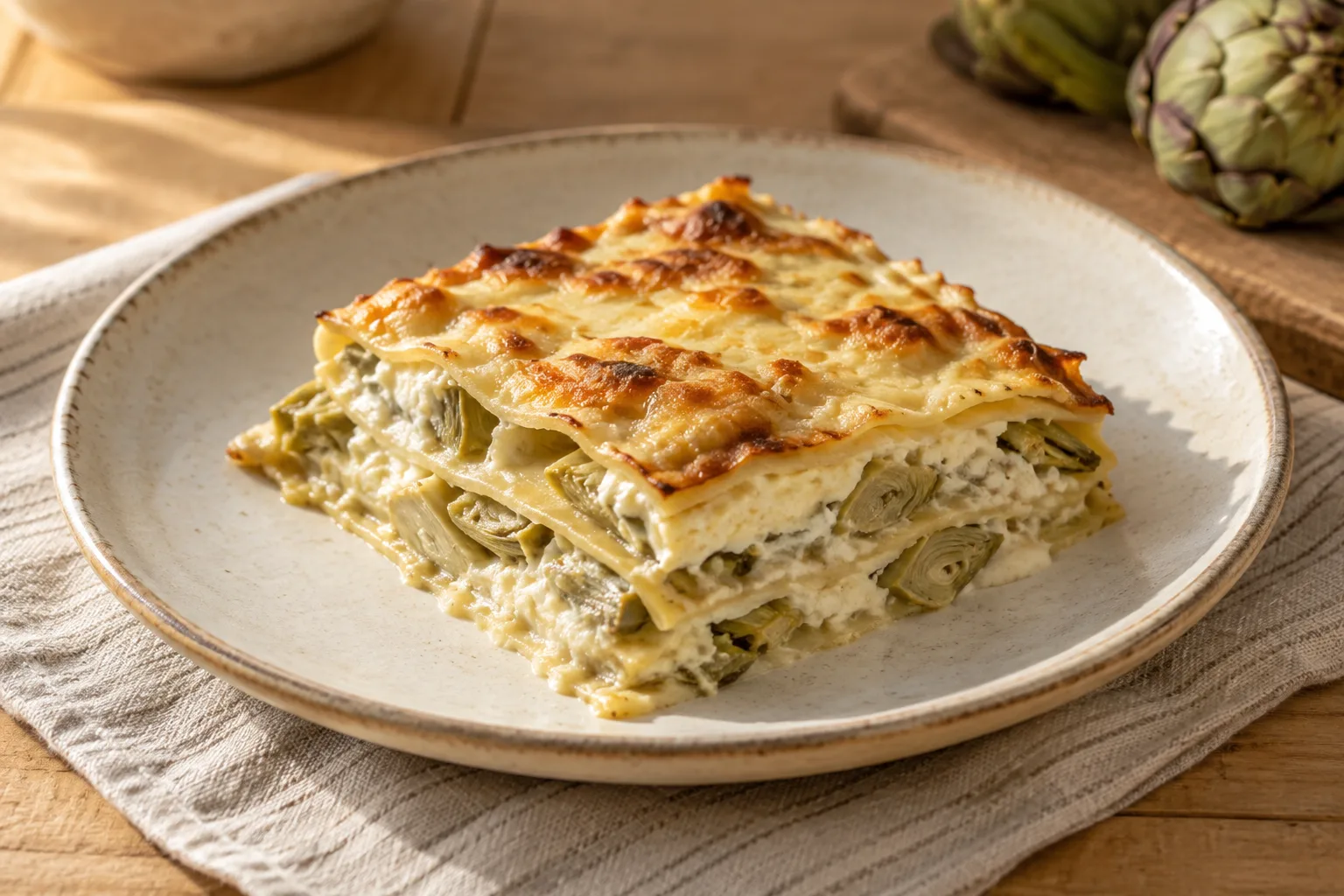
Use them when you want a distinctive vegetable for a starter or side dish, or a vegetal addition to rice or a stew. Fresh whole artichokes suit preparations where their leaves and heart can be appreciated, such as roasting or cooking and dressing them. For a raw preparation, choose a method that removes tough parts and slices the tender interior very thinly. Size alone does not determine the best method: assess each artichoke’s firmness and condition.
How to use it
Remove the tougher outer leaves and trim fibrous sections that would not suit the chosen preparation; keep the tender parts and heart. To serve raw, remove woody portions, slice very thinly, and dress, for example, with oil and a little acidity. You can also braise them in slices or cut them for roasting or grilling. Cooked or steamed artichokes can be dressed or added to other dishes. They pair well with garlic, parsley, lemon, ham, anchovies, and some cheeses. Follow the product directions when using a prepared version.
Flavour and texture
Their flavor combines mild bitterness with a sweet note at the finish. The interior and tender parts of the heart are more delicate than the outer leaves, which can be tough and fibrous. Roasting can leave the flesh juicy and the surfaces more toasted; the final texture depends on variety, the part used, and the cooking technique.
How to choose it
Choose artichokes that feel heavy for their size and have tightly packed, fresh-looking leaves. A rich green color and firm leaves are useful signs when comparing individual pieces; do not rely only on their medium size, because shape and size differ among varieties. Check that they do not look widely opened or deteriorated. Varieties naturally differ in color and form, so not every artichoke will look identical.
Storage
The available evidence does not establish a specific storage period, temperature, or method for whole fresh artichokes. Check the seller’s or package’s storage instructions, if available, rather than inferring a shelf life from size or appearance. If they are sold loose, ask the retailer how they recommend storing them. Instructions can depend on the particular product and how it is presented.
Substitutions
For recipes that can use prepared artichoke, canned hearts or frozen artichokes can be alternatives to fresh ones. They are not identical: the format differs and the texture may differ too. Check package directions and adapt the preparation to the product at hand. If a recipe relies on whole leaves to be eaten one by one, hearts will not provide the same way of serving the dish.
Common mistakes
Do not treat every part of an artichoke as having the same texture: outer leaves can be tough, while the interior is more tender. For a raw preparation, simply cutting the whole artichoke into thick pieces is not enough; removing woody parts and slicing very thinly helps make it more pleasant to eat. Do not judge quality by size alone, since varieties differ.
Safety and allergens
Use care with a knife when trimming and slicing artichokes. If you buy prepared artichokes or serve them with other ingredients, check the allergen information on the label or ask the food business; the available evidence identifies no specific safety warning for whole fresh artichokes.
Culinary uses
- vegetable side dish
- starter or shared dish
- ingredient in rice dishes and stews
Recommended techniques
- trim and slice thinly for raw preparations
- braise
- roast or grill
- boil or steam
Pairs well with
- olive oil and lemon
- garlic and parsley
- ham or anchovies
- hard or melting cheeses
Frequently asked questions
Which parts of an artichoke can I eat?
The tender parts of the leaves and the heart are the most valued portions. Outer leaves are often tougher and may need trimming, depending on the recipe.
Can a medium artichoke be eaten raw?
Yes. Remove the tough, woody parts and slice the tender interior very thinly. It can be dressed with oil and a little acidity.
What can I use if fresh artichokes are unavailable?
Canned hearts or frozen artichokes can be alternatives in recipes that suit those formats. Follow the package directions and expect the texture and serving style to differ.
Estimated nutrition
- Fat
- 1.56 g
- Saturates
- 0 g
- Carbohydrate
- 6.25 g
- Sugars
- 6.25 g
- Fibre
- 3.1 g
- Protein
- 0 g
- Salt
- 1.56 g
Sources and review
Automatically researched, cross-checked and validated content. Sources consulted:
- En el etiquetado alimentario hay algunas menciones que son obligatorias eletiquetadocuentamucho.aesan.gob.es
- Client Challenge doi.org
- Aesan - Agencia Española de Seguridad Alimentaria y Nutrición aesan.gob.es
- ▷ Alcachofa: La Guía Definitiva sobre nuestro Vegetal Favorito cynara.net
- Alcachofas. Qué son, propiedades, beneficios y tipos abc.es
- Alcachofa | Introducción | Verduras y hortalizas | EROSKI CONSUMER verduras.consumer.es
- ¿Qué es la Alcachofa? Origen, beneficios y posología | Dieti Natura dieti-natura.es
- La verdadera esencia de la alcachofa solococinar.com
- La alcachofa, historia, leyendas y variedades. Apuntes. - Cocina y Aficiones cocinayaficiones.com
- La alcachofa | EROSKI eroski.es
- Cómo cocinar alcachofas: ocho técnicas y un truco para aprovecharlas enteras | El Comidista | Gastronomía | EL PAÍS elpais.com
- Alcachofas a la parrilla y jerez - Bodegas Lustau lustau.es
- Webconsultas – Sitio Cerrado webconsultas.com
- Cynara scolymus - Wikipedia, la enciclopedia libre es.wikipedia.org
- Alcachofas al horno con parmesano: recetas, trucos y maridaje bezzia.com
- La alcachofa lo mejora todo: tres recetas fáciles y de temporada hola.com