- Category
- Herbs and spices
- State
- Powdered
- Usual unit
- tablespoon
What it is
Mild curry powder is a dry seasoning made from a blend of ground spices. There is no single fixed formula: commercial blends often use spices such as turmeric, cumin and coriander, and may include other ingredients, so aroma, color and heat differ from one product to another. “Mild” suggests a comparatively moderate level of heat, but it does not guarantee identical ingredients or exactly the same heat level across brands. Curry powder should also be distinguished from the many dishes called curry: this ingredient is the spice blend used to season those and other preparations.
When to use it
Use it when you want to give a dish a spiced profile without combining individual spices yourself. It can season rice and legumes, add character to vegetables, or flavor sauces and stews made with meat or fish. Since blends differ in flavor and intensity, start with a modest amount and taste before adding more. If you need very little heat or have to avoid a particular ingredient, check the product label rather than relying on the word “mild” alone.
How to use it
For a sauce or stew, stir the powder into onions or vegetables that have already been sautéed, distributing it before adding stock, water or another liquid. You can also add it to a sauce, marinade, rice or legume dish, taking care to mix it evenly. Some instructions for a sautéed base recommend taking the pan off the heat before adding curry powder to reduce the chance of scorching. Add a little at first, taste, and adjust: each blend can have a different intensity. Avoid leaving the powder unmixed against a very hot cooking surface.
Flavour and texture
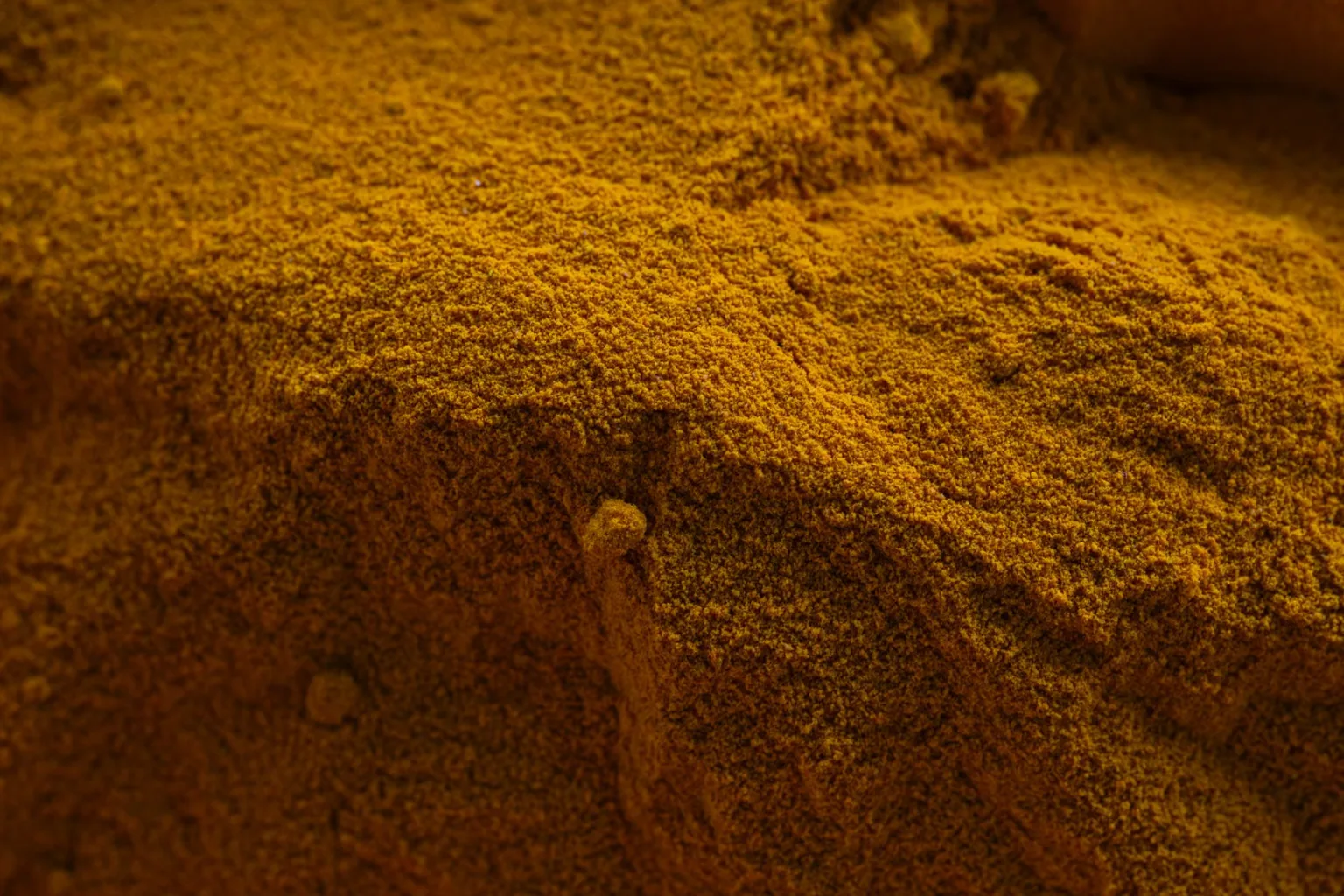
The flavor is aromatic and spiced, but there is no universal profile: it depends on the spices used and their proportions. Color also varies, although some blends are yellow or orange. The powder is dry and fine, and stirring helps it disperse through liquids and moist dishes. “Mild” usually signals less heat than hotter blends, but the particular product is worth checking.
How to choose it
Compare the ingredient list and any heat-level description on the package, since curry blends do not follow one fixed recipe. Choose a product described as mild if you prefer moderate heat, and check for ingredients you need to avoid, such as mustard or celery. It also helps to choose a blend whose aroma and ingredients suit the dish; the name alone cannot predict its flavor precisely.
Storage
The available evidence does not establish universal storage conditions for every blend. Store the powder as directed on its package and protect it from moisture, following the manufacturer’s instructions for its closure and container. Check the date or storage guidance printed on the label; different brands and formulations may not have the same shelf life.
Substitutions
Another mild curry blend can be used instead, but begin with a small amount because ingredients and intensity may differ. A homemade ground-spice blend can also season the dish, although it will not necessarily have the same flavor, color or heat. If an ingredient restriction matters, check the substitute’s ingredient list before using it.
Common mistakes
Do not assume all curry blends taste alike or that “mild” means completely heat-free. Adding too much at once can overwhelm a dish. Avoid leaving the powder unmixed on a very hot surface, where it may scorch and lose aromatic quality. Check the ingredient list rather than assuming every blend has the same formula.
Safety and allergens
The blend varies by brand and may include ingredients such as mustard or celery. If you need to avoid either, check the product’s ingredient list and package warnings before use.
Culinary uses
- Condimento para aportar sabor y color
- Base aromática para salsas y guisos
Recommended techniques
- Incorporar a cebolla o verduras ya salteadas y cocinar brevemente antes de añadir líquido
- Disolver en un líquido caliente para repartir el aroma en arroces y potajes
Pairs well with
- Arroz
- Lentejas y otras legumbres
- Verduras
- Pollo, otras carnes y pescado
Frequently asked questions
Does mild curry powder always contain the same ingredients?
No. It is a blend, and its ingredients vary between products. Check the ingredient list on the package.
How do I use it in a stew?
Stir it into onions or vegetables that have already been sautéed, then add the recipe’s liquid. Taste the dish before adjusting the amount.
Does mild curry powder contain no heat at all?
Not necessarily. Heat varies by blend, so check the label and try a small amount while cooking.
Estimated nutrition
- Fat
- 0 g
- Saturates
- 0 g
- Carbohydrate
- 0 g
- Sugars
- 0 g
- Fibre
- 0 g
- Protein
- 0 g
- Salt
- 6.25 g
Sources and review
Automatically researched, cross-checked and validated content. Sources consulted:
- Romanica Olomucensia : «¿Qué pinga es esto?». Usos disfemísticos en el español de Cuba doi.org
- Curry - Wikipedia, la enciclopedia libre es.wikipedia.org
- Curry en polvo | Cook for Your Life cookforyourlife.org
- Cómo usar el curry en la cocina | Consumer consumer.es
- Fresh Produce Recipe Book | Wsu s3.wp.wsu.edu
- Mexicanidad Reloaded: Multiple Histories and Narratives in ... scholarship.miami.edu
- Ernest Hemingway DEATH IN THE AFTERNOON la.utexas.edu
- Atenea Dec 2003.pmd - Scholar@UPRM scholar.uprm.edu
- actualización de la regla de ocha-ifá - OAKTrust oaktrust.library.tamu.edu
- Curry: qué es, origen y propiedades - Oriental Market orientalmarket.es
- Elaborando nuestra propia mezcla de curry - El blog de Especias Céltigos | Trucos, curiosidades y recetas 1001especias.com