- Category
- Grains, flour and pasta
- State
- Fresh
- Usual unit
- g
What it is
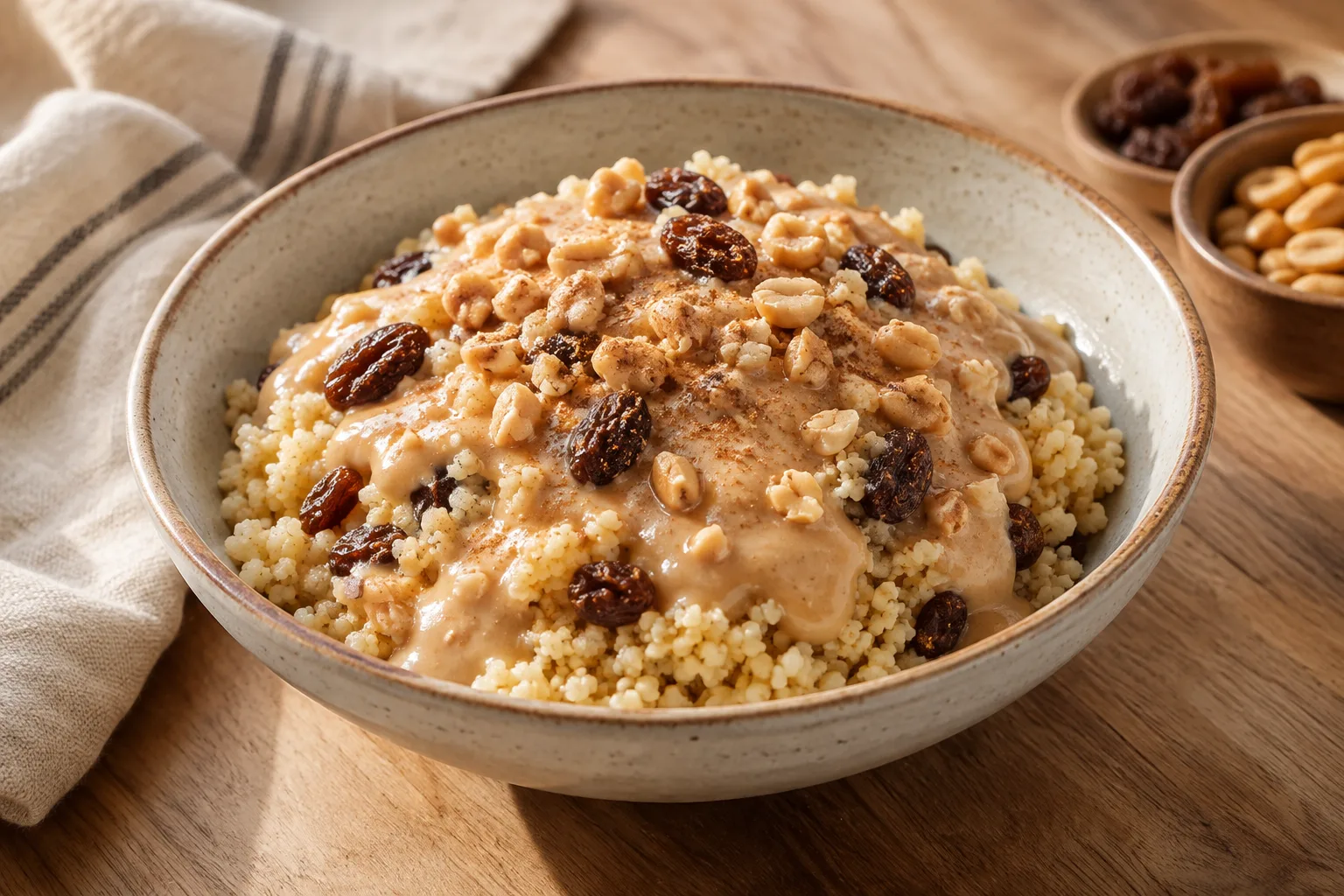
Thiakry, also spelled thiacry or chakery, is the name of a sweet couscous preparation. The available description associates it with millet grains and also notes that wheat may be used. The grains are mixed with milk, sweetened condensed milk or yogurt; some versions include dried fruit such as raisins or coconut and spices such as nutmeg. The name thiakry is used especially in Senegal, while preparations known as dégué are reported in Mali, Mauritania and Côte d’Ivoire. The specific ingredients can vary, so distinguish millet couscous as a grain from the completed dessert, which contains additional ingredients.
When to use it
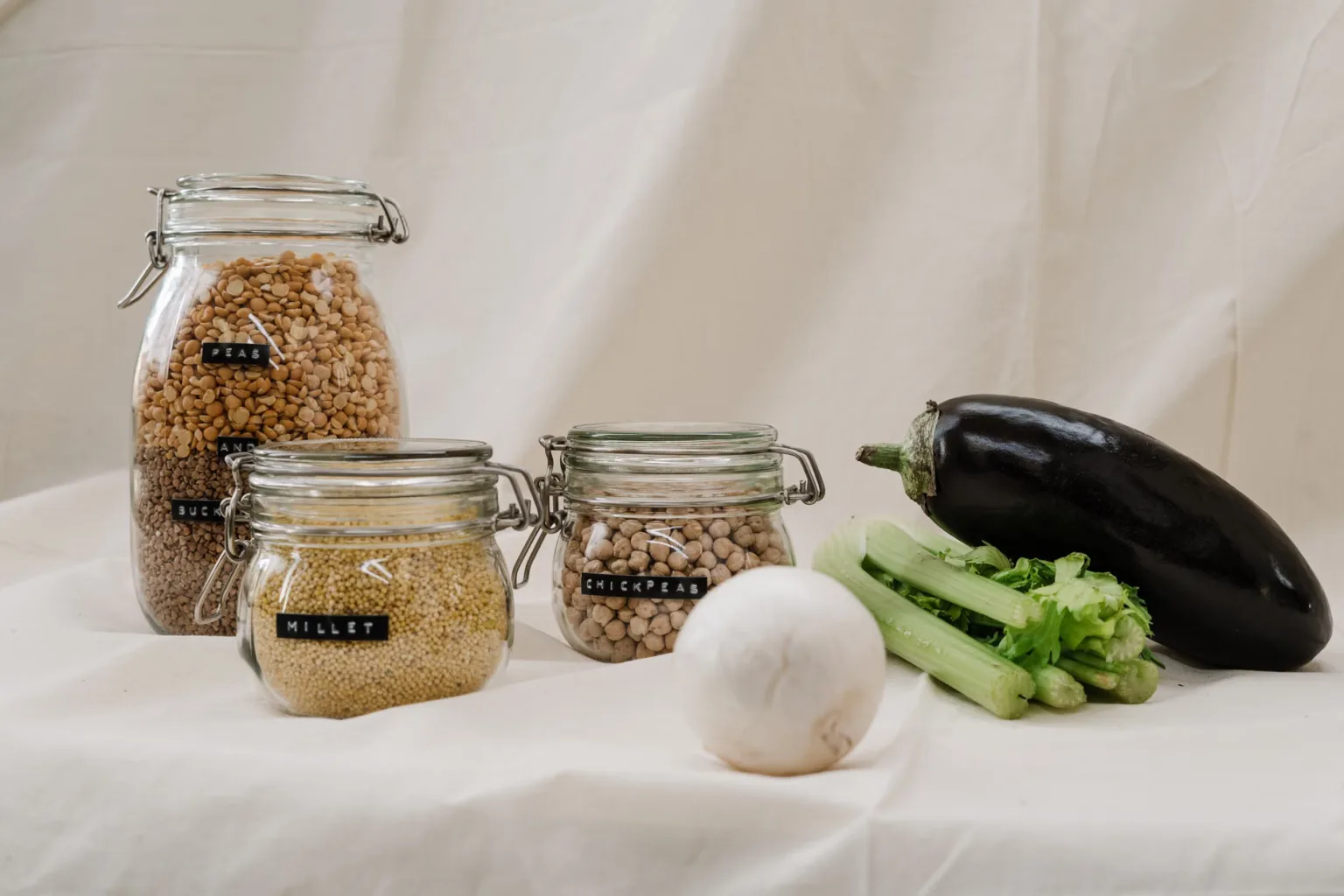
Choose millet couscous when you want to make a thiakry version based on millet grains rather than wheat. Mixing it with yogurt or milk suits the described sweet, creamy preparation; sweetened condensed milk is another listed option. Raisins, coconut and nutmeg are cited additions. Before buying or serving it, check whether you have plain grains or an already mixed dessert, and review the ingredient list if you need to avoid dairy or wheat.
How to use it
For a simple thiakry-style preparation, combine millet couscous grains with a dairy ingredient such as milk or yogurt; sweetened condensed milk is another option described. Add dried fruit, for example raisins or coconut, and include nutmeg if it suits the version you want. The available description does not establish universal proportions or a cooking method, so follow the product instructions or chosen recipe. If you have a prepared mixture, check its ingredients before adding more dairy, fruit or spices, so you can adjust sweetness and avoid duplicating ingredients.
Flavour and texture
The available description presents thiakry as a sweet preparation combining couscous grains with milk, sweetened condensed milk or yogurt. Dried fruit, such as raisins or coconut, and nutmeg may add complementary notes. It does not specify a single texture: that can depend on the grain, chosen dairy ingredient and proportions in each version. Check whether your product is plain couscous or a prepared dessert before deciding how to finish it.
How to choose it
Read the product name and ingredient list to confirm whether you are buying millet grains, wheat couscous or prepared thiakry. The described versions differ: some include dairy and may contain raisins, coconut or spices. If you need to avoid milk or wheat, do not rely on the product name alone; check the label or ask the person who prepared it. The available evidence does not establish quality standards, grain size or one standard retail format.
Storage
The available information does not set a shelf life or specific storage method for thiakry or millet grains. Check the package for product-specific directions and follow them. If it is a preparation made with milk, sweetened condensed milk or yogurt, do not assume that storage guidance for dry grains applies; consult the recipe or the person who prepared it. Keep the product identified and do not use it if the package or prepared food shows signs of spoilage.
Substitutions
The thiakry description allows for millet or wheat grains, so choose either base to suit the version you want. It also lists milk, sweetened condensed milk and yogurt as options for mixing with the grains; they are not necessarily identical in sweetness or consistency. When substituting, check the ingredients and adjust the additions rather than assuming every swap produces the same result.
Common mistakes
Do not assume that every product called thiakry is made only with millet: the description also mentions wheat grains. Nor should you assume that the grains already come mixed with yogurt, milk or dried fruit; the product may be a complete preparation or a base. Checking the label or asking about the ingredients helps distinguish versions and identify milk or wheat when that matters.
Safety and allergens
Check the ingredients before serving thiakry to someone who must avoid milk or wheat: the preparation may contain dairy, and some versions use wheat grains. Follow the package or recipe storage directions, since the available information does not give a specific storage duration.
Culinary uses
- Base de un postre dulce de cuscús
- Ingrediente de una preparación cremosa con lácteos
Recommended techniques
- Mezclar los granos con leche, leche condensada azucarada o yogur
- Terminar con fruta seca y especias
Pairs well with
- Leche o yogur
- Pasas, coco y nuez moscada
Frequently asked questions
What is thiakry?
It is a sweet couscous preparation mixed with milk, sweetened condensed milk or yogurt, and sometimes dried fruit and spices.
Is thiakry always made with millet?
Not necessarily. The available description mentions both millet and wheat grains, so check the label or recipe.
What can be added to thiakry?
Raisins, coconut and nutmeg are among the additions described. Versions differ, and not every preparation includes the same ingredients.
Sources and review
Automatically researched, cross-checked and validated content. Sources consulted:
- ¿Por qué la muerte es origen de miedos y tabúes? doi.org
- Cuscús: origen, variedades, recetas y otras curiosidades sientemarruecos.viajes
- Qué es (y qué no es) la estadística, usos y abusos de una disciplina clave en la vida de los países y las personas | Estudios económicos doi.org
- Thiakry - Wikipedia, la enciclopedia libre es.wikipedia.org
- THIAKRY (DÉGUÉ) - wpchdadmin chdimport.com
- Antes de ir a YouTube youtube.com
- Gambia - Wikipedia, la enciclopedia libre es.wikipedia.org
- - YouTube youtube.com