- Category
- Vegetables
- State
- Fresh
- Usual unit
- cup
What it is
Miltomate is a regional name for certain fruits also known as tomatillo or green husk tomato. The fruit grows inside a thin outer husk, and its size, color, and flavor can vary by type. In Oaxaca, miltomate is described as small, tart, and seeded; some forms may be green or purple. It is not simply an ordinary tomato harvested before ripening, but a different fruit. The available evidence also associates the name with forms identified as Physalis ixocarpa and Physalis pubescens, so miltomate can refer to more than one type of produce.
When to use it
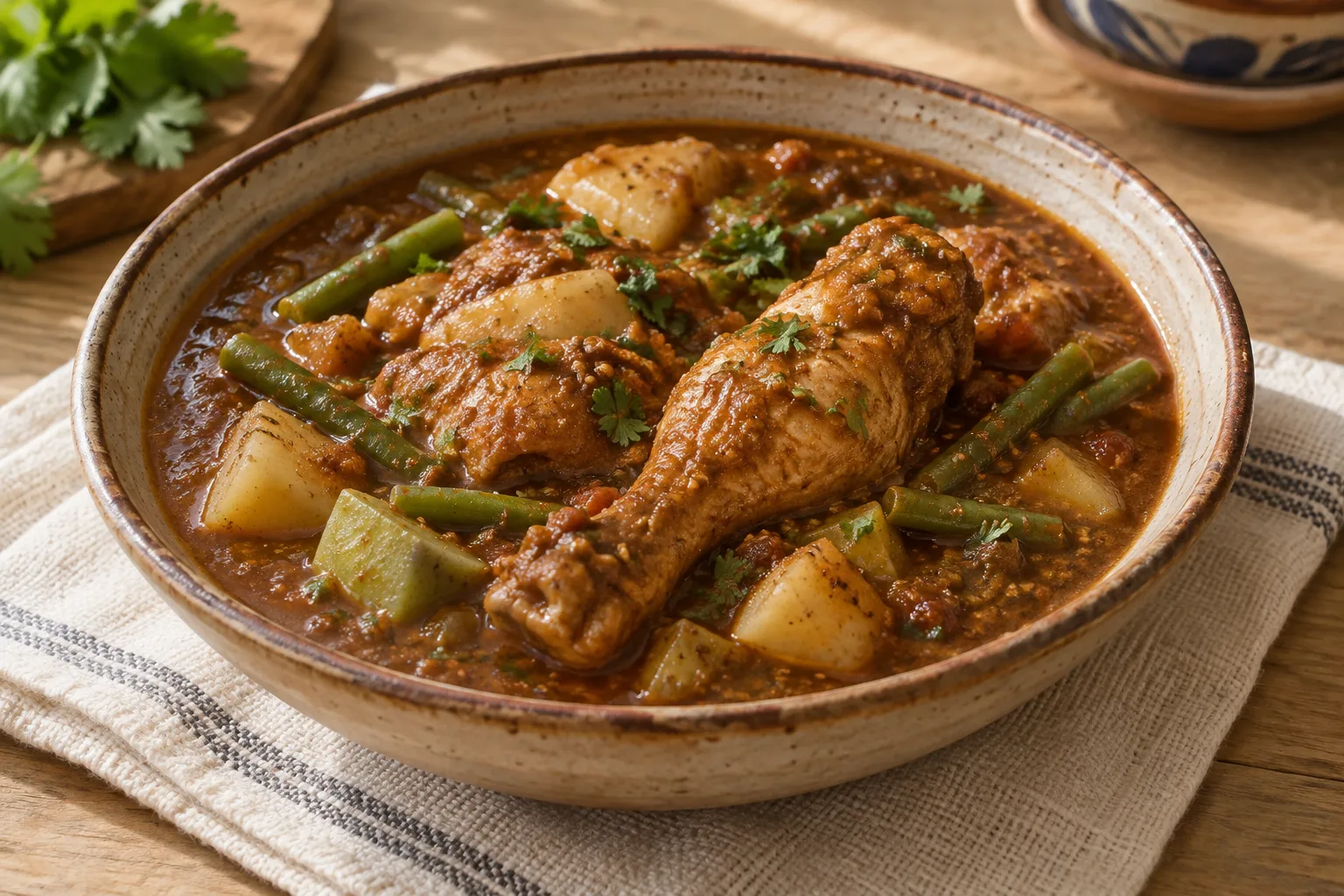
Use miltomate when you want tartness and a vegetal character in a green sauce, an entomatado-style stew, or a green mole. It works in raw preparations as well as cooked or roasted ones. It is also mentioned as an ingredient in traditional dishes such as enchiladas and chilaquiles. Miltomate may taste more intensely than other green tomatoes, but size, color, and tartness vary. Taste the preparation and adjust the other ingredients to suit the fruit you have.
How to use it
Remove the thin husk surrounding the fruit before adding it to a preparation. Use it raw in a green sauce or salad, or cook it for a sauce, an entomatado-style stew, or green mole. Roasting is another documented way to prepare it for sauces. Small fruits may contain many seeds and have pronounced tartness. Taste as you go: intensity differs among types, so do not assume every miltomate will contribute the same flavor or texture.
Flavour and texture
Miltomate is generally tart and vegetal, and its flesh may be denser and less watery than that of common tomatoes. Some types are small and intensely flavored; others differ in color, size, and flavor nuances. The fruit’s skin is described as smooth and sticky in some forms. Its tart character stands out in green sauces and stews, though its intensity is not identical from one fruit to another.
How to choose it
Choose fruit without visible spoilage and check whether the outer husk is still present if it is sold uncleaned. Miltomate can be green or purple, and size and appearance vary by type; those differences alone do not mean the produce is spoiled. In some Mexican markets it is less common than commercial green tomatoes and may be sold under different names, including tomatillo or miltomate.
Storage
The available evidence does not establish a specific storage method or storage life for fresh miltomate. To avoid giving unsupported guidance, follow the seller’s or package instructions and inspect the fruit before use. Types can differ in size, color, and husk, so these features alone do not indicate how long it will keep or guarantee freshness.
Substitutions
Cultivated green tomato or commercial tomatillo can be an alternative if miltomate is unavailable, but it is not identical: miltomate may be smaller and more intensely flavored. Different forms of miltomate also exist, including those associated with Physalis ixocarpa and Physalis pubescens. When substituting, account for changes in tartness, size, and flesh, which may affect the result.
Common mistakes
Do not mistake miltomate for an ordinary green tomato that has not ripened; they are different fruits. Also, do not assume every miltomate has the same size, color, or tartness. If you substitute commercial green tomato, remember that the sauce or stew may have a different flavor and texture.
Safety and allergens
The available evidence gives no specific safety warning for miltomate. Remove the husk before cooking and follow the seller’s or package instructions; do not attribute undocumented risks or properties to the ingredient.
Culinary uses
- Ingrediente para salsas verdes
- Ingrediente ácido y vegetal para guisos y moles verdes
Recommended techniques
- Usar crudo en salsas o ensaladas
- Cocer o asar para preparar salsas y guisos
Pairs well with
- Enchiladas
- Chilaquiles
Frequently asked questions
Is miltomate the same as an unripe green tomato?
No. Miltomate is a different fruit; its green color does not mean it is simply an ordinary tomato picked before ripening.
How can I cook miltomate?
It can be used raw, cooked, or roasted, especially in green sauces. It is also used in entomatado-style stews and green moles.
What does miltomate taste like?
It is generally tart and vegetal. Intensity varies by type, and some forms have a more pronounced flavor than commercial green tomato.
Sources and review
Automatically researched, cross-checked and validated content. Sources consulted:
- ¿Por qué la muerte es origen de miedos y tabúes? doi.org
- Client Challenge doi.org
- Tomate - Wikipedia, la enciclopedia libre es.wikipedia.org
- Tomate Italiano: Historia, Variedades y Usos en la Cocina | Casa Longini 🇮🇹 Productos Italianos casalongini.com
- Los 6 mejores tipos de tomate y cómo usarlos en cocina mercadosantamariadelacabeza.es
- Que son los Tomatillos - El Aderezo, blog de cocina y gastronomía desde 2006 eladerezo.com
- El tomate: Historia, cocina y cultura. Cinco siglos entre ... scielo.cl
- De la milpa a tu mesa: El miltomate, la joya de la gastronomía de Oaxaca | Grupo Animal grupoanimal.mx
- Maridajes poco habituales perfectos para winelovers - CestaShop cestashop.com
- Conserva de Tomates Enteros: Comparativa y Recomendaciones para Maridaje con los Mejores Quesos y Embutidos laovejaquebala.es
- Oaxaca de Juárez - Wikipedia, la enciclopedia libre es.wikipedia.org