- Category
- Meat
- State
- Fresh
- Usual unit
- g
What it is
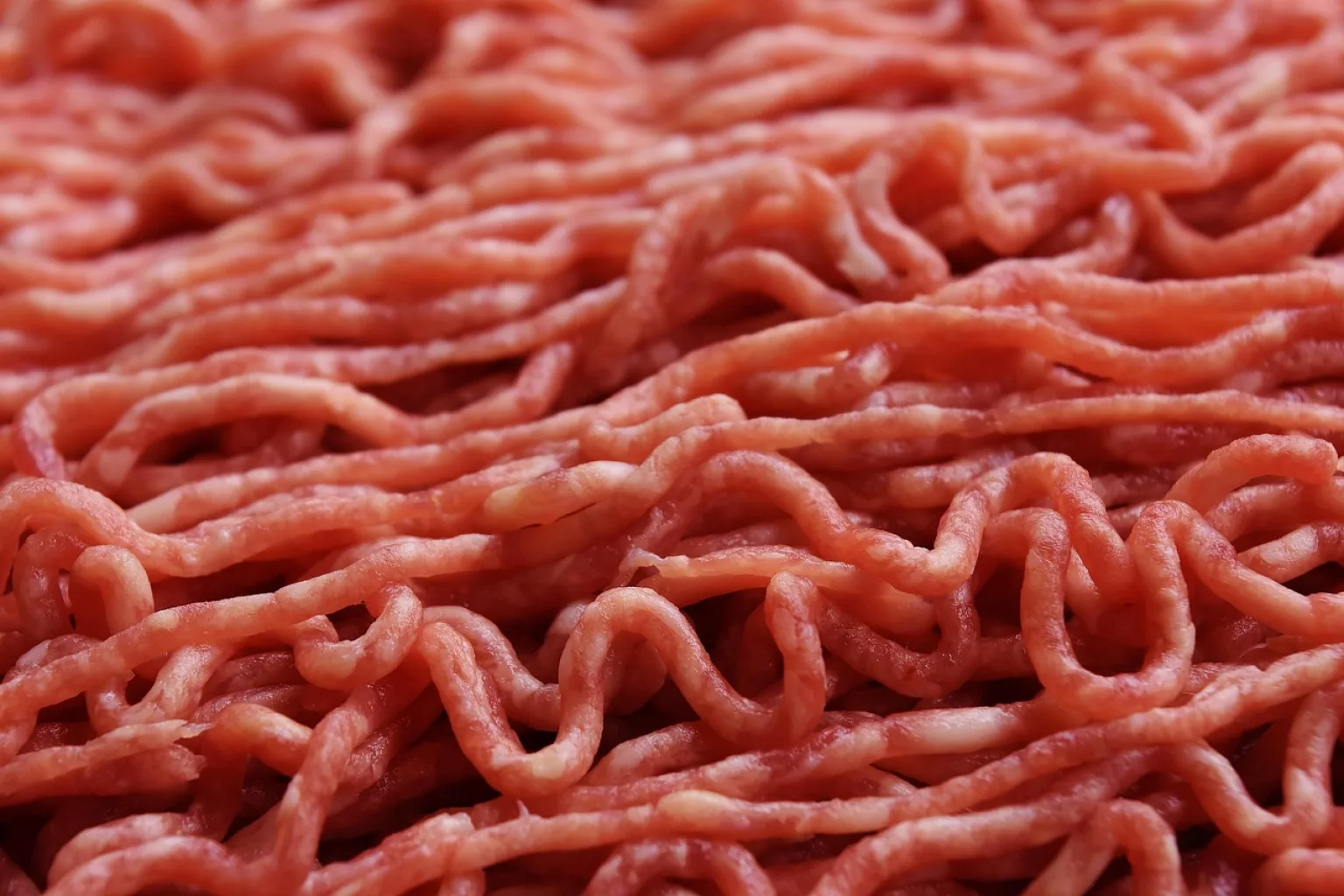
This is beef and pork that has been minced into small, manageable pieces. Minced meat is a culinary ingredient rather than a whole cut, and it can be incorporated into many preparations. The name identifies the two species but does not, by itself, state their proportions or whether other ingredients have been added. Check the product name and ingredient list when buying: a product described as a meat preparation may contain added ingredients. Colour, texture and fat content can also vary between products and blends, so they should not be inferred from the name alone. Choose the product description that suits your recipe and any ingredients you need to avoid.
When to use it
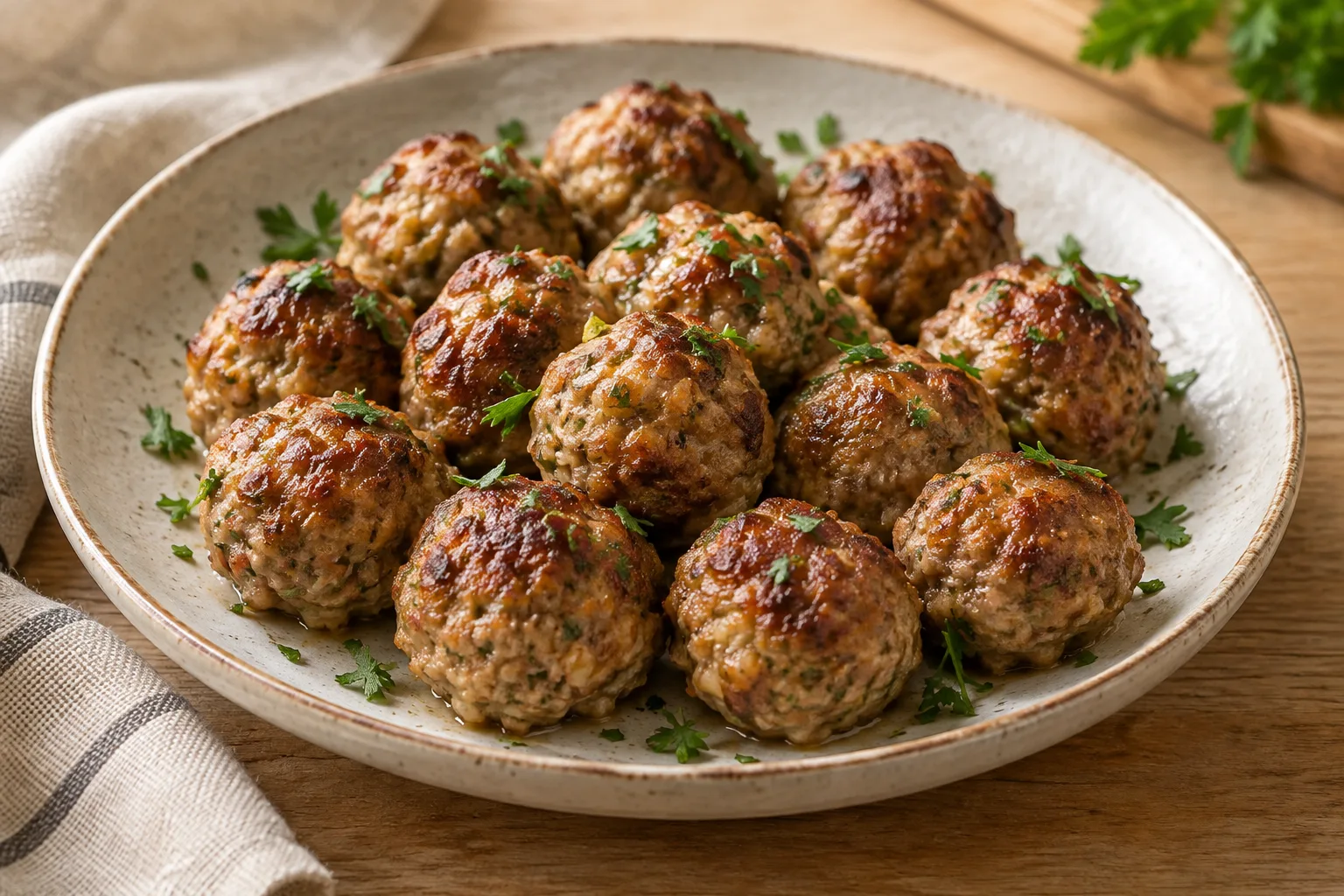
Choose this mince when you want a meat base that is easy to distribute through a dish and season or combine with other ingredients. It works in meatballs, burgers, pastry or pasta fillings, lasagne and tomato-based sauces. It can also be used in dishes with vegetables, potatoes or beans. It is particularly convenient when a recipe calls for minced meat containing more than one species. If a particular beef-to-pork ratio matters to your recipe, check the label or ask the butcher rather than assuming every blend is the same.
How to use it
Before cooking, check the product name and ingredients to find out whether it is minced beef and pork alone or a meat preparation with added ingredients. Season and mix gently when shaping meatballs or patties; keeping portions similar in size helps them cook evenly. For a sauce or filling, break the mince into smaller pieces as it cooks so it distributes through the other ingredients. It can be combined with tomato and pasta, vegetables, potatoes or beans. Cook it as part of a suitable recipe and follow the storage and use directions on the package. Do not use appearance alone to decide whether it is still within its use-by date.
Flavour and texture
The mixture brings together the character of beef and pork, but the balance depends on the proportions and the particular product. Because it is minced, it blends readily with seasonings, sauces and other ingredients. It can remain loose in a filling or become more compact when shaped into meatballs or patties. The size of the mince and the amount of fat also affect the final texture. Check the label for the product’s composition: the name alone does not establish an exact ratio or a specific fat level.
How to choose it
Read the product name and ingredient list, especially if you want meat without seasonings or need to know the beef-to-pork ratio. Products described as meat preparations may contain added ingredients, so do not assume that every similarly presented pack contains meat alone. For packaged mince, also check the storage directions and date shown on the label. If buying from a butcher, ask about the blend and whether it can be minced to your request.
Storage
Follow the storage directions and use-by date on the package; minced meat may carry a use-by date. If buying it unpackaged, ask the seller how it should be stored and when it should be used. Keep raw meat separate from ready-to-eat food while handling it, and clean hands, utensils and surfaces after contact with raw meat. If you cannot follow the label’s instructions, ask the seller for advice instead of guessing at a storage period.
Substitutions
You can replace the mixture with minced beef alone or minced pork alone if you are happy with a different flavor profile. Minced lamb or poultry may also work in recipes that allow a change of meat, but the flavor and texture will not be identical. If the recipe relies on a particular beef-and-pork balance or on a preparation containing added ingredients, adjust the seasoning and check the substitute’s composition.
Common mistakes
Do not assume that every blend contains the same proportion of beef and pork, or that a pack that looks like mince contains meat alone: check its name and ingredients. Do not overlook the use-by date or the package directions. When cooking, avoid compacting the mince if you want it to break up into a sauce, and make meatballs or patties in evenly sized portions.
Safety and allergens
Follow the package use-by date and storage and use directions. Handle raw meat with clean utensils and surfaces, and wash your hands afterwards; cook it as part of a suitable recipe.
Culinary uses
- Main ingredient for meatballs and burger patties
- Filling for pasta, pastry, or layered bakes
Recommended techniques
- Brown in a pan, breaking the mince into small pieces
- Shape and cook as meatballs or patties
- Simmer in a sauce or incorporate into a baked filling
Pairs well with
- Tomato and pasta
- Beans and chile
- Vegetables and potato
Frequently asked questions
Does the blend always contain equal amounts of beef and pork?
Not necessarily. Proportions depend on the product; check its ingredient list or ask the butcher.
Is minced meat the same as a meat preparation?
Not always. A meat preparation may contain added ingredients. Check the product name and ingredient list to find out what you are buying.
What can I cook with minced beef and pork?
Use it in meatballs, burgers, fillings, lasagne and tomato-based sauces, or in another recipe that calls for minced meat.
Sources and review
Automatically researched, cross-checked and validated content. Sources consulted:
- En el etiquetado alimentario hay algunas menciones que son obligatorias eletiquetadocuentamucho.aesan.gob.es
- Vamos a Conservar Alimentos: Carnes extension.psu.edu
- Aesan - Agencia Española de Seguridad Alimentaria y Nutrición aesan.gob.es
- Alicia Bustos Pueche Diplomada en Cocina por el Cordon Bleu CARNES unav.edu
- Comprobando su navegador doi.org
- Compra de animales para procesamiento de carne | Extensión de la UMN es.extension.umn.edu
- Los mejores cortes de carne según su cocinado northbridge.edu
- Carne picada - Wikipedia, la enciclopedia libre es.wikipedia.org
- CARNE PICADA DE TERNERA Y CERDO gonzalezromerosl.es
- 10 recetas con carne picada: descubre todas sus posibilidades con estas ideas bonviveur.com
- Carne de ternera Qué es, origen, características y usos culinarios es.alegsaonline.com
- Carne de ternera picada - Gastronomía Vasca: Escuela de Hostelería Leioa gastronomiavasca.net
- Carne picada: ¿qué hay en las bandejas que compramos? alimente.elconfidencial.com
- Carne picada mixta de ternera - cerdo (kg) - Delahuertacasa delahuertacasa.com
- 🥇Análisis detallado sobre la carne picada común reyvinoblanco.com