- Category
- Herbs and spices
- State
- Fresh
- Usual unit
- leaves
What it is
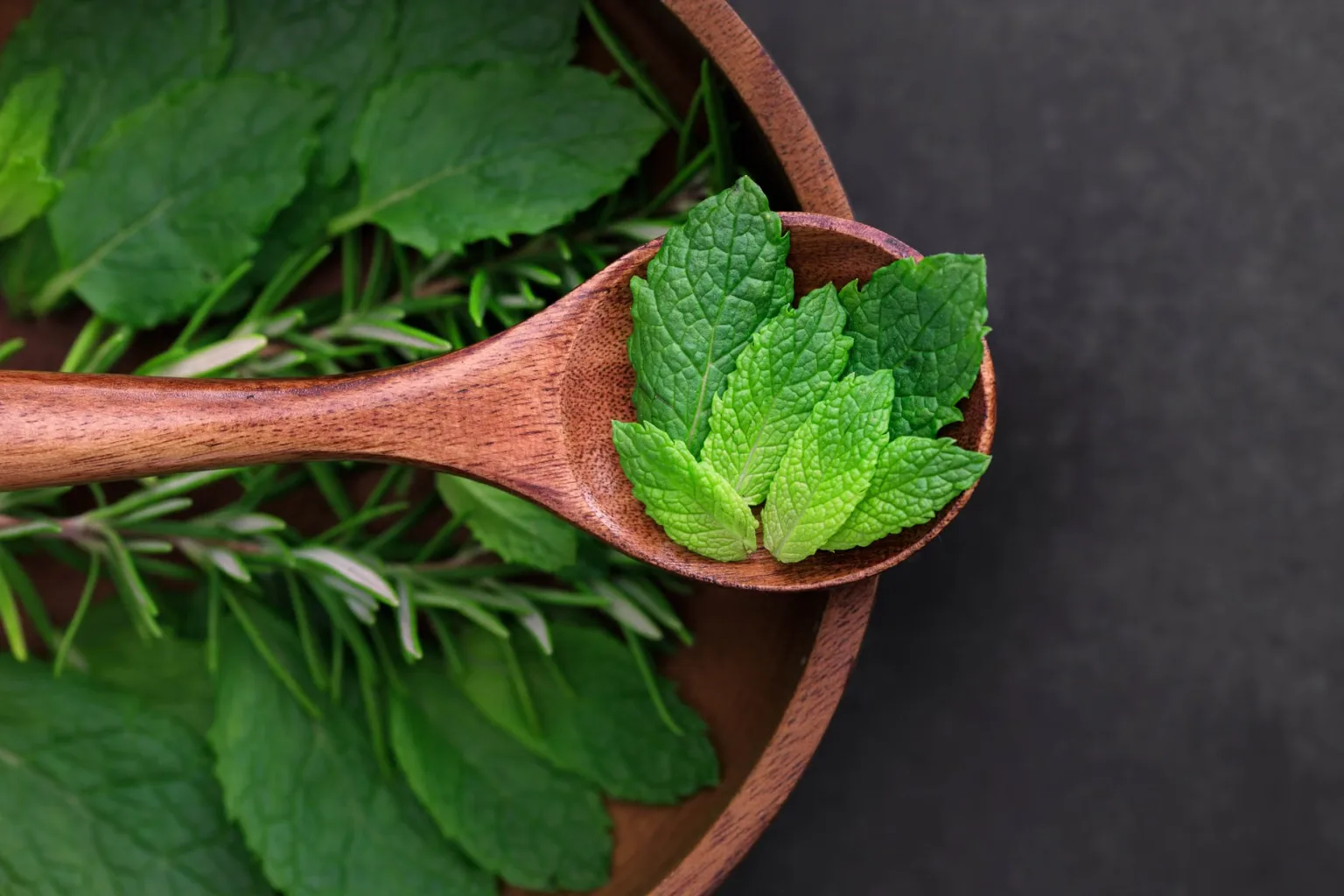
Mint is an aromatic herb from the genus Mentha, in the Lamiaceae family. The name covers different species and varieties, so the aroma and intensity are not identical in every bunch sold as mint. Mint is available fresh or dried; this profile focuses on fresh leaves. Spearmint is also part of the Mentha genus, but it can have a more intense flavor than other mint varieties. Fresh leaves offer a straightforward way to add a green, refreshing character to sweet and savory recipes without making the herb the main ingredient.
When to use it
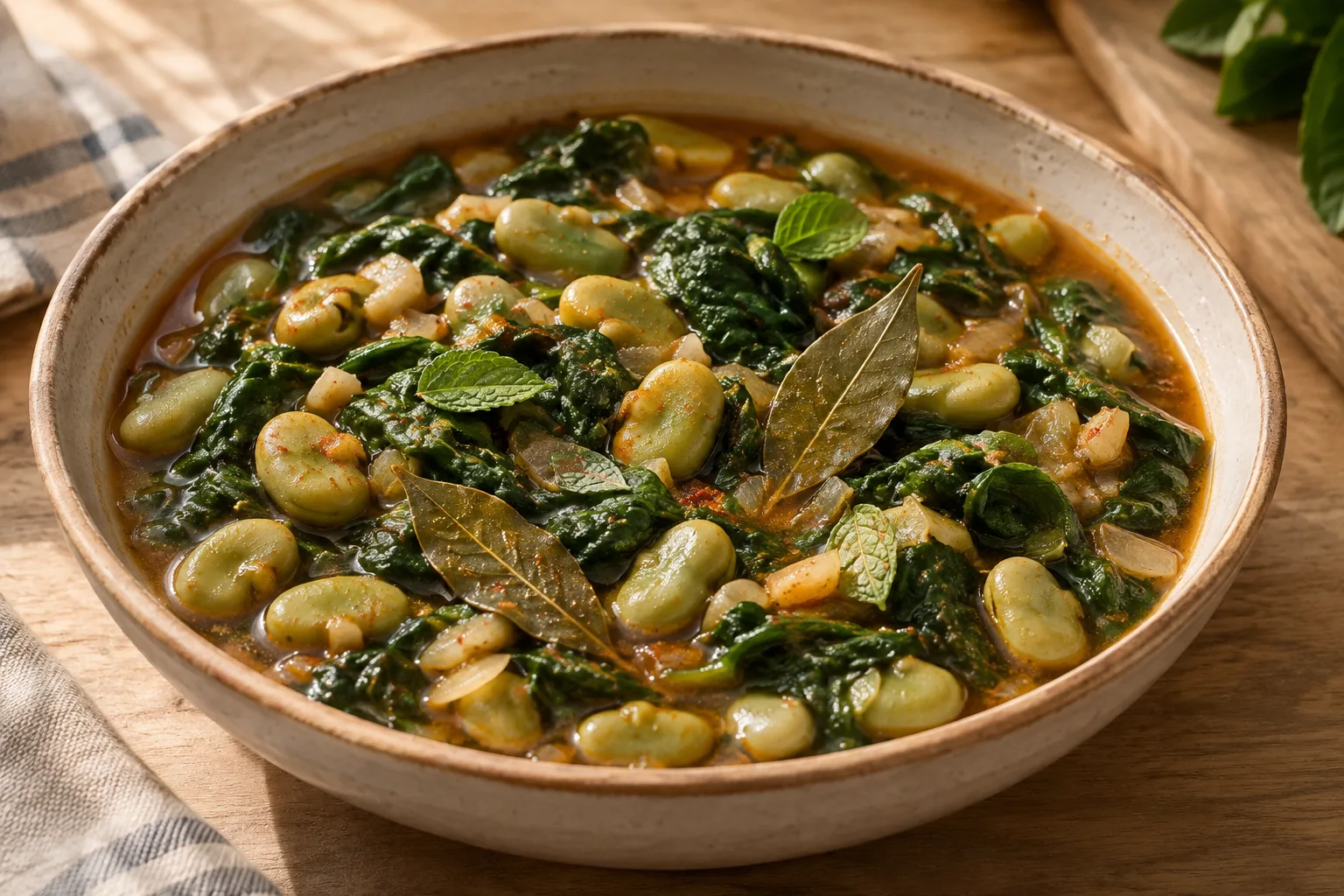
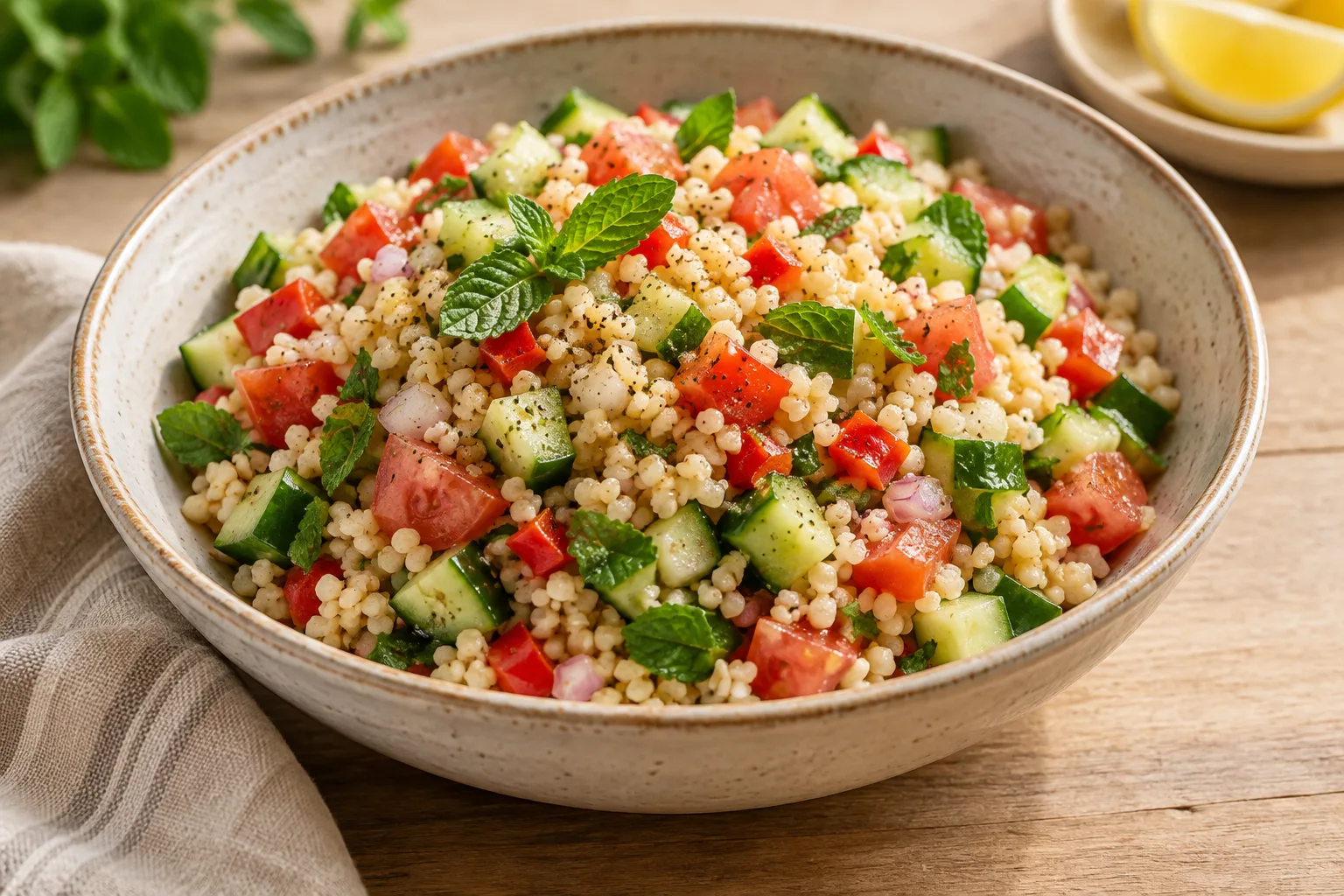
Use fresh leaves when you want their green, refreshing aroma to be noticeable, such as in salads, tabbouleh, cold soups, vegetable purées or drinks. Mint also works in desserts, especially with chocolate, and as an accompaniment to lamb or pork. Dried mint may be more convenient in cooked preparations or when fresh leaves are unavailable. The result depends on the variety: spearmint, for example, can be more intense than other mint leaves.
How to use it
Remove damaged leaves, rinse the herb thoroughly, and dry it carefully before chopping or storing. For salads, cold soups and garnishes, chop or tear the leaves and mix them in near serving time so their aromatic character remains noticeable. In sauces, purées and cooked dishes, start with a modest amount and taste before adding more; intensity varies by variety. Add leaves to cold drinks or steep them in hot water. To keep extra mint longer, dry or freeze it. Frozen mint becomes limp when thawed, so it is generally more suitable for cooked dishes than as a garnish of whole fresh leaves.
Flavour and texture
Fresh mint usually has a green, herbal and refreshing aroma, with intensity that varies by species or variety. Spearmint can be more intense than other mints, so different leaves will not always give the same flavor. The leaves are tender and can be chopped or torn to distribute them through a dish. Drying or freezing changes their texture and the kinds of preparations for which they are most suitable.
How to choose it
Choose leaves that look fresh and tender, and avoid any with visible signs of decay or mold. If you have a choice, young, small leaves are often described as the most flavorful. Check the variety if its flavor matters to your recipe: mint and spearmint are related but may differ in intensity. Appearance alone does not guarantee that two varieties will have the same aroma.
Storage
Rinse freshly harvested mint and dry it carefully before storing. One university extension guide recommends keeping stems in a glass of water or wrapping them in plastic in the refrigerator for up to one week; another source warns that refrigeration can blacken the leaves. Check the leaves as they are stored and follow seller guidance when available. For longer storage, mint can be dried or frozen. Frozen leaves become limp after thawing, so they are more useful in cooked dishes than as a fresh-leaf garnish.
Substitutions
Dried mint can replace fresh mint in cooked preparations, but the texture and intensity will differ. When swapping varieties, spearmint may produce a stronger result. Add the substitute gradually and taste as you go. Parsley or basil can provide a fresh herbal alternative, but neither reproduces mint’s distinctive flavor.
Common mistakes
Do not assume that every variety called mint tastes the same: intensity can vary, especially when using spearmint. Avoid adding a large amount before tasting the dish. Do not use leaves with visible mold or decay. Remember that frozen mint can turn limp when thawed, so it may not work well as a fresh-looking garnish.
Safety and allergens
Discard leaves with mold or visible signs of decay, and rinse the herb thoroughly before use. For packaged mint, check the label for any applicable storage and use directions.
Culinary uses
- Fresh aromatic herb
- Flavoring for dishes and beverages
- Finishing garnish
Recommended techniques
- Chop or tear and add to salads and cold dishes
- Stir into cooked dishes near serving time
- Bruise leaves to release aroma in drinks
- Dry or freeze for later use
Pairs well with
- Lamb
- Pork
- Chocolate
- Lemon and other citrus
- Cold soups and salads
Frequently asked questions
Are mint and spearmint the same?
Both belong to the Mentha genus, but they are distinct and can differ in appearance, aroma and intensity. Spearmint can taste more intense.
Can I cook with fresh mint leaves?
Yes. Mint is used in sweet and savory dishes, drinks and cooked preparations. Add it gradually and taste, since intensity varies.
Can fresh mint be frozen?
Yes. Mint can be frozen, but it becomes limp when thawed, making it more suitable for cooked dishes than as a fresh garnish.
Sources and review
Automatically researched, cross-checked and validated content. Sources consulted:
- En el etiquetado alimentario hay algunas menciones que son obligatorias eletiquetadocuentamucho.aesan.gob.es
- ¿Por qué la muerte es origen de miedos y tabúes? doi.org
- Todo sobre la menta: qué es, cómo utilizarla en cocina y cinco recetas con menta para utilizar esta planta aromática directoalpaladar.com
- Mentha - Wikipedia, la enciclopedia libre es.wikipedia.org
- GUÍA DE APLICACIÓN DE LA LEGISLACIÓN DE AROMAS ALIMENTARIOS aesan.gob.es
- · 106 · USOS PRINCIPALES Javier Tardío menta, menda mapa.gob.es
- Haga un cambio Agua saborizada Rinde: 2 cuartos de galón eatingsmartbeingactive.colostate.edu
- Las hierbas son plantas que son empleadas como agentes aggie-horticulture.tamu.edu
- Drink Up! Looking for ways to hydrate this summer? communitynutrition.cahnr.uconn.edu
- 1057 – Menta – PlantTalk Colorado planttalk.colostate.edu
- Field to Fork Mint | NDSU Agriculture ndsu.edu
- Mentha solarspell-dls.sfis.asu.edu
- Essential Cooking Techniques & Culinary Lessons insights.ehl.edu
- Preserve Smart apps.chhs.colostate.edu
- Menta: para qué sirve, cuidados y recetas | Just Spices | JUST SPICES ® justspices.es
- Menta: Descubre la planta y su origen (awl.ch) amantesdelasplantas.com