- Category
- Fruit
- State
- Fresh
- Usual unit
- cup
What it is
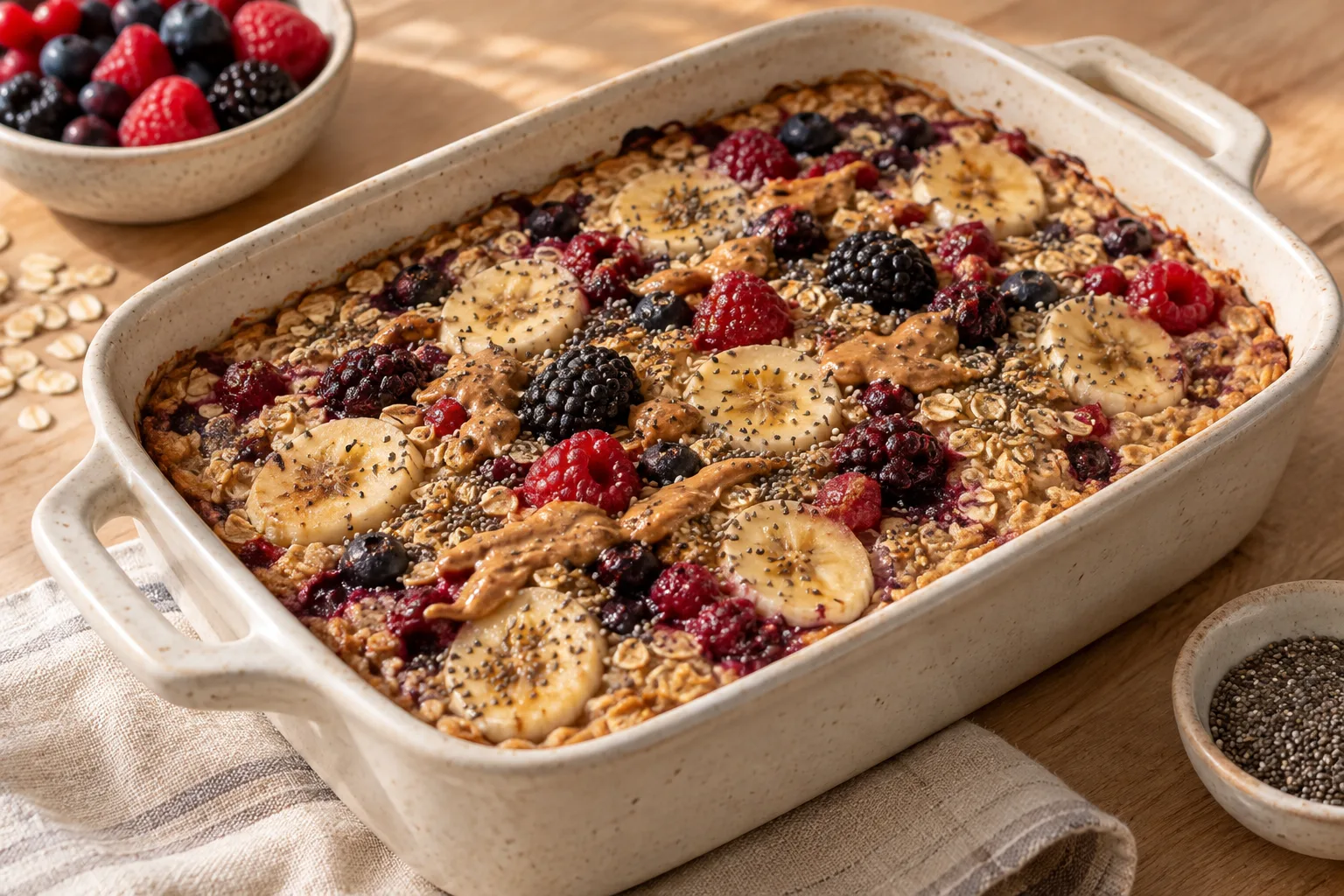
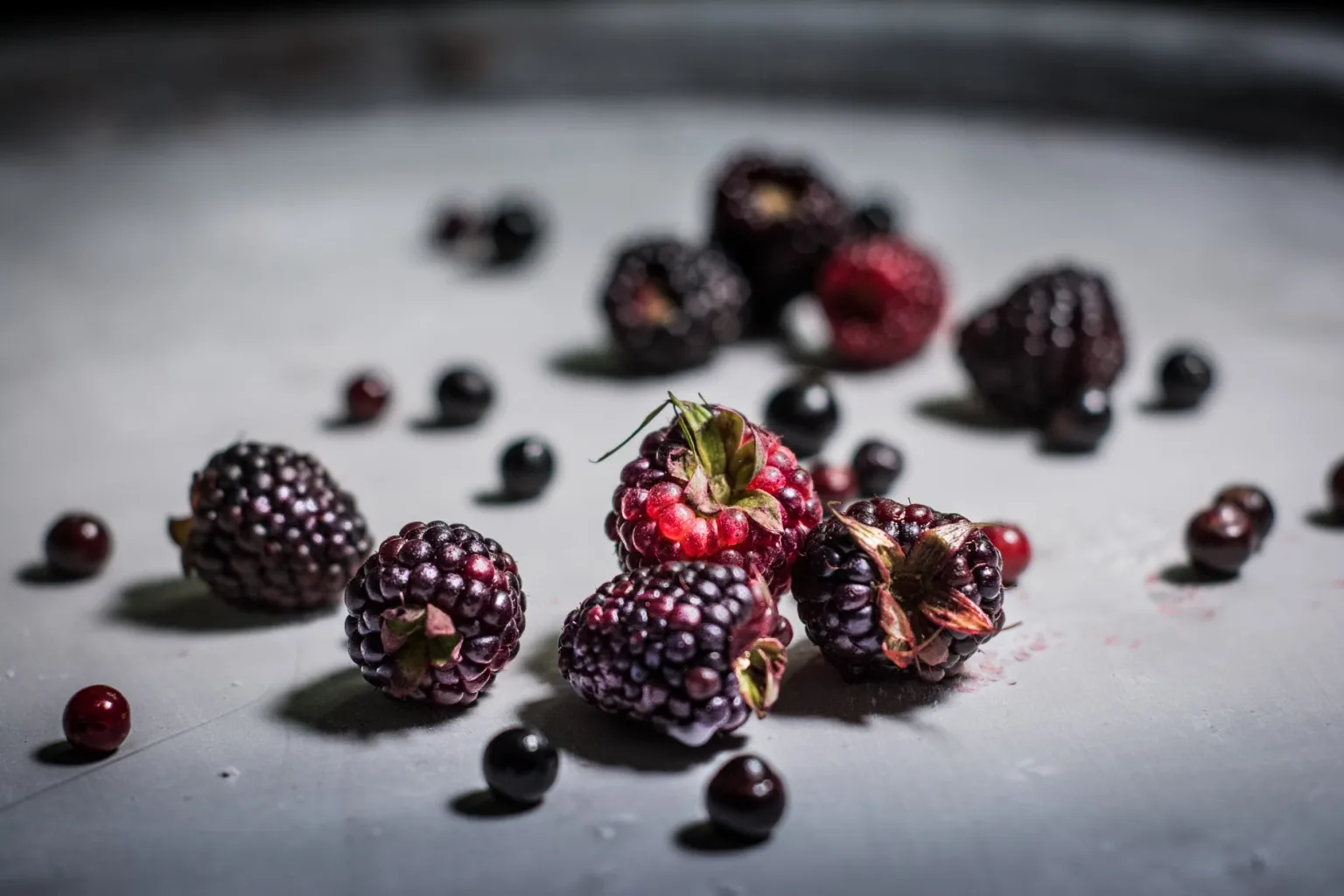
Mixed berries are a combination of small fruits grouped under a broad culinary name rather than one fixed recipe. A blend may include strawberries, raspberries, blackberries, blueberries or currants, but the selection depends on the product and cannot be identified from the name alone. Check the ingredient list on a packaged blend to see which fruits it contains. Mixed berries are sold fresh, and frozen or dried versions are also available; this profile describes the fresh form. Size, color, firmness and the balance of sweetness and acidity vary with the fruits in the blend and their ripeness.
When to use it
Use mixed berries when you want fruit flavor, color and variety in a dish. They can be served on their own or as a dessert topping, and used in tarts, cakes and ice cream. Some savory preparations use berries in salads or sauces served with meat. Since the blend and ripeness can vary, taste a piece before adding sugar or adjusting a dressing. If a recipe depends on a particular fruit, check the ingredients and adapt the result to the varieties available.
How to use it
Check the fruit and remove any visibly damaged pieces, then wash it before use. For fresh serving, leave small berries whole and cut larger fruit into even pieces; add them to a salad, dessert or bowl shortly before serving if you want to preserve their shape. In baking, use them in tarts and cakes, keeping in mind that different fruits may release juice and soften differently. You can also blend the fruit into a sauce or coulis, or use it in ice cream. If you use a frozen blend, follow the package directions and expect the fruit to be softer after thawing.
Flavour and texture
The blend often combines sweet and tart notes, but the balance depends on the fruits and their ripeness. It may include firm, juicy pieces alongside more delicate ones, with varying sizes and colors. Cooking or thawing can soften the fruit and release juice, so the result will differ from a fresh blend served whole.
How to choose it
Choose a blend that looks fresh, with whole pieces and no clearly damaged or crushed areas. For packaged products, check the ingredient list to see which fruits are included, and read the storage and use directions. Do not assume that two products with the same name contain the same varieties: the proportions, size and ripeness can vary between products and purchases.
Storage
Store the blend according to its package directions, taking into account whether it is fresh, frozen or dried, since those forms are not stored in the same way. For loose fresh fruit, remove damaged pieces before storage and use the blend while it still looks and feels in good condition. For frozen versions, follow the package instructions and return any unused portion to the freezer promptly.
Substitutions
Replace the blend with another berry mixture or a single berry variety, recognizing that the flavor, color and texture will change. Frozen fruit may work in preparations that allow it, but it can be softer than fresh fruit after thawing. If a recipe calls for a specific fruit, choose an alternative for its flavor rather than its color alone.
Common mistakes
Assuming every mixed-berry blend contains the same fruits can produce an unexpected result. Avoid adding sugar before tasting, because sweetness and acidity vary. For a fresh presentation, do not blend the fruit or add it too far ahead; delicate pieces may lose their shape and release juice.
Safety and allergens
For packaged products, check the ingredients, allergen information and storage and use directions. Wash the fruit before use and avoid eating pieces that are clearly spoiled. A mixed-berry blend has no universal ingredient list, so consult the label if you need to confirm its contents.
Culinary uses
- Fruta para comer fresca o añadir como cobertura
- Ingrediente para repostería, helados, ensaladas y salsas
Recommended techniques
- Servir fresca, entera o cortada según el tamaño
- Hornear en tartas y otros postres
- Triturar para preparar una salsa o un coulis
Pairs well with
- Queso crema y otros lácteos
- Masa de repostería y helado
- Ensaladas y salsas para platos salados
Frequently asked questions
Which fruits can be in mixed berries?
It depends on the product. A blend may contain different berries or small fruits, such as strawberries, raspberries, blackberries, blueberries or currants; check the ingredient list for the exact mix.
Can I use frozen berries instead of fresh?
Yes, in preparations that can use frozen fruit. Follow the package directions and expect the fruit to be softer after thawing than fresh berries.
Can mixed berries be used in savory dishes?
Yes. They can be added to salads or sauces served with savory dishes. Since sweetness and acidity vary, taste the fruit and adjust the dressing or sauce.
Estimated nutrition
- Fat
- 0.36 g
- Saturates
- 0 g
- Carbohydrate
- 12.1 g
- Sugars
- 7.14 g
- Fibre
- 3.6 g
- Protein
- 0.71 g
- Salt
- 0 g
Sources and review
Automatically researched, cross-checked and validated content. Sources consulted:
- En el etiquetado alimentario hay algunas menciones que son obligatorias eletiquetadocuentamucho.aesan.gob.es
- ¿Por qué la muerte es origen de miedos y tabúes? doi.org
- Tipos de frutos rojos: sabores y usos culinarios - ALDI aldi.es
- Frutos rojos y su uso en la industria alimentaria | Alimentos SAS alimentossas.com
- FOCUS ON WHOLE FRUITS: How to Select and Store Fruit | NDSU Agriculture ndsu.edu
- Presencia de leche en mezcla de frutos secos y arándanos ... aesan.gob.es
- Mezcla de frutos secos | University of Maryland Extension extension.umd.edu
- Frutos secos | Center for Community Health communityhealth.ucsd.edu
- Conservación de alimentos en casa: Untables de frutas | Extensión UMN es.extension.umn.edu
- Preparar frijoles y guisantes secos | Vida real, buena comida es.reallifegoodfood.umn.edu
- Vamos a Conservar Alimentos: La Congelación de Frutas extension.psu.edu
- Los Frijoles ucanr.edu
- Frutos rojos. Cinco recetas para sacarles provecho. - Mister Chippy misterchippy.com
- Mezcla de frutos rojos – Nuestro campo – 454g mx.openfoodfacts.org
- Mezcla de frutos rojos deshidratados - Roser Clapés roserclapes.com
- Frutos rojos en la historia: de la antigua Roma a nuestros días fresondepalos.es