- Category
- Vegetables
- State
- Fresh
- Usual unit
- cup
What it is
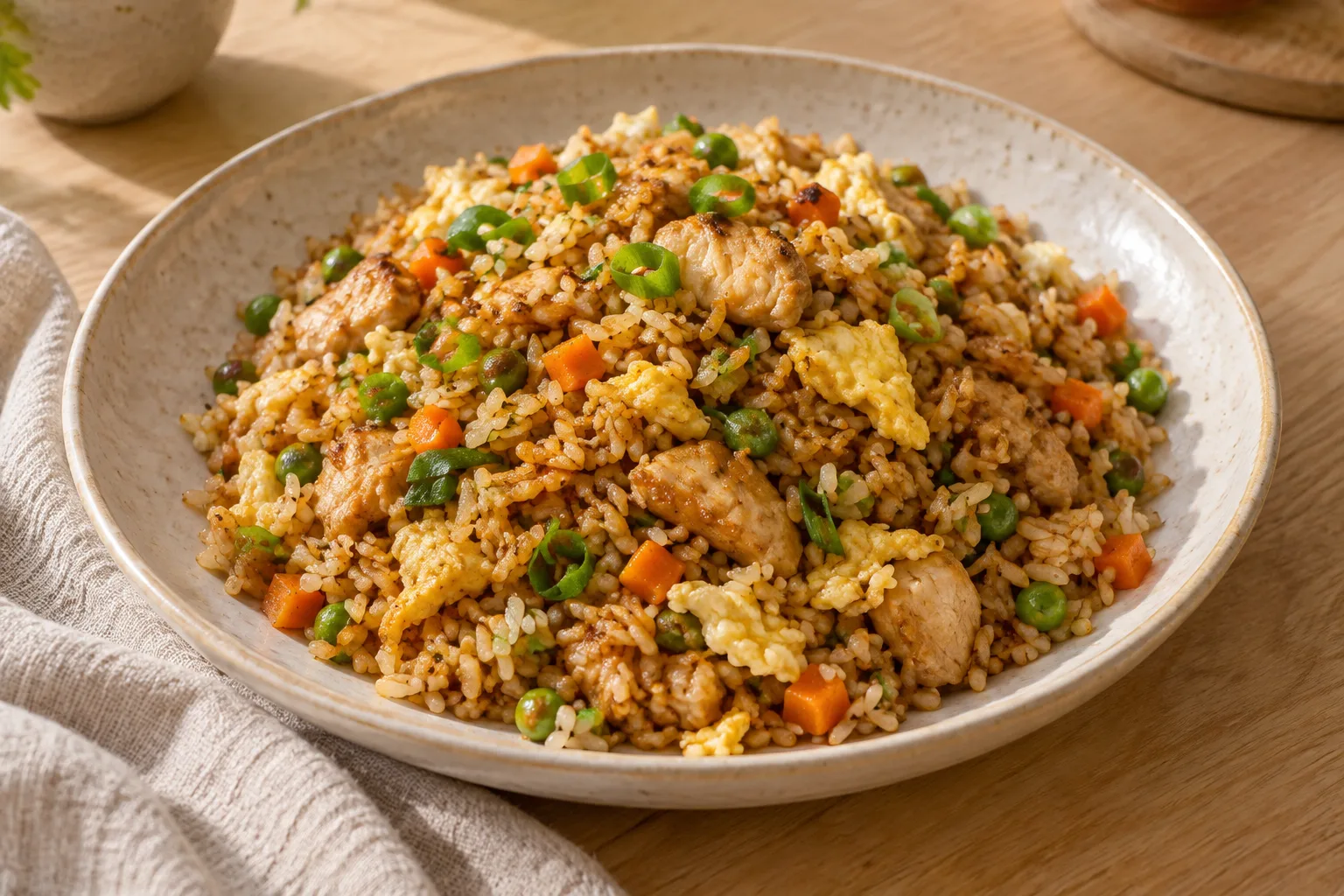
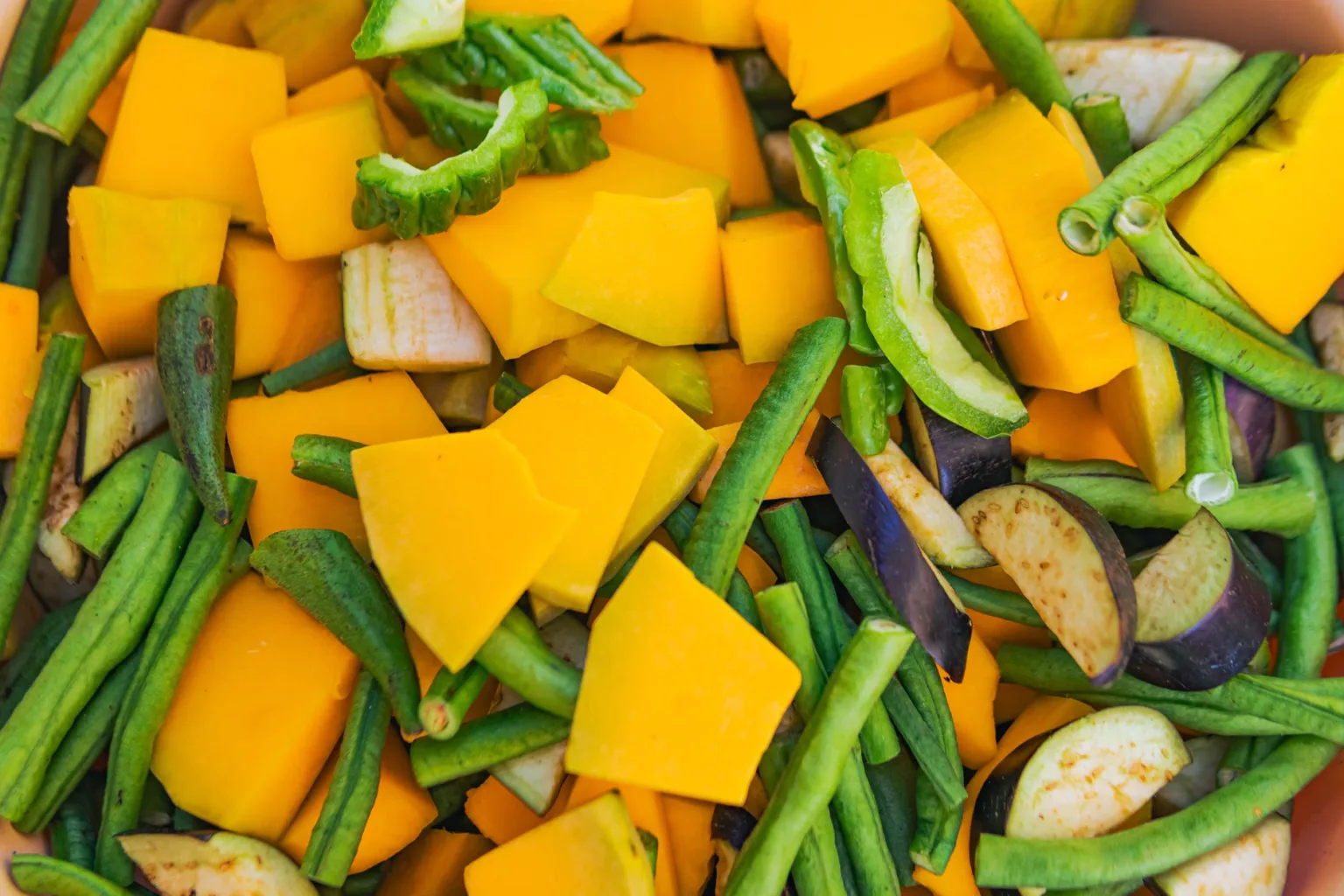
Mixed vegetables is a general name for an assortment of vegetables, not a fixed ingredient list. The available information does not identify which vegetables this product contains or in what proportions, so check the label or seller’s description. This profile refers to the fresh form specified for the ingredient. The assortment can be used in vegetable dishes, side dishes, and other cooked preparations. Its flavor, texture, and behavior during cooking depend on the specific components and how they are prepared. Check what is included before applying a recipe designed for a different assortment.
When to use it
Use mixed vegetables when a recipe allows an assortment and you want to prepare a side dish or add vegetables to a cooked dish. Since there is no single standard composition, first check the ingredients and consider whether they suit the recipe and intended technique. Steaming, roasting, and sautéing are possible approaches; choose according to the dish and the result you want. If you switch blends, keep in mind that different ingredients can change the flavor and texture of the finished dish.
How to use it
Check which vegetables are in the assortment and remove any parts you do not want to use. Choose a preparation that suits those components and your recipe: you can steam, roast, or sauté them. For seasoning ideas, suggested herbs include oregano, thyme, or basil, and suggested spices include paprika, cumin, or black pepper. Adjust the seasoning to your taste and to the actual contents. Do not assume every blend needs the same treatment or will have the same flavor or texture. If you plan to freeze vegetables, consult guidance suited to the specific components.
Flavour and texture
Mixed vegetables do not have one defining flavor or texture: both depend on the vegetables in a particular assortment and how they are prepared. One combination may turn out differently from another when steamed, roasted, or sautéed. Check the contents and taste as you cook so you can adjust the seasoning and doneness instead of assuming a different blend will give the same result.
How to choose it
Look for a product identified as fresh and check its vegetable list and the seller’s information. The generic name alone does not reveal the contents, so make sure the assortment suits your recipe. If you need to avoid a particular ingredient, do not assume it is absent based on the product name; confirm the composition on the label or with the supplier. The available information does not establish a standard blend.
Storage
The available evidence does not specify a storage period or conditions for this fresh product. Follow the package or seller’s directions, and do not apply guidance intended for dried or frozen products to fresh vegetables. If you choose to freeze vegetables, their quality can depend on freshness, preparation, packaging, and freezing conditions; use guidance appropriate to the specific components.
Substitutions
You can substitute another vegetable assortment or individual vegetables that suit the recipe. Flavor and texture may change if the composition changes, and you may need to adapt the technique and seasoning. Check the alternative’s ingredients before using it; the available information does not establish one exact substitute for every blend.
Common mistakes
One mistake is treating all blends as if they contained the same vegetables or were interchangeable without adjustment. Another is choosing a cooking method or seasoning without considering the actual components. Check the contents and adapt the preparation; possible methods for vegetables include steaming, roasting, and sautéing.
Safety and allergens
Check the label for the specific ingredients and follow the package directions. Before preparing vegetables for freezing, wash your hands and clean surfaces, cutting boards, and knives. Freezing does not kill most microorganisms.
Culinary uses
- Component for mixed vegetable dishes
- Vegetable side dish or addition to cooked preparations
Recommended techniques
- Steaming
- Roasting
- Sautéing
Pairs well with
- Oregano, thyme, or basil
- Paprika, cumin, or black pepper
Frequently asked questions
Which vegetables are in a mixed-vegetable blend?
The available information does not establish a fixed composition. Check the label or seller’s description to identify the contents of a particular product.
How can I cook mixed vegetables?
Steaming, roasting, and sautéing are possible approaches. Choose according to the actual components and the preparation in your recipe.
What seasonings go with mixed vegetables?
Suggested herbs include oregano, thyme, or basil, and suggested spices include paprika, cumin, or black pepper. Choose according to the vegetables in the blend.
Estimated nutrition
- Fat
- 0 g
- Saturates
- 0 g
- Carbohydrate
- 12.2 g
- Sugars
- 4.44 g
- Fibre
- 2.2 g
- Protein
- 2.22 g
- Salt
- 0.04 g
Sources and review
Automatically researched, cross-checked and validated content. Sources consulted:
- Client Challenge doi.org
- Comité Científico aesan.gob.es
- Vamos a Conservar Alimentos - Home Food Preservation and Safety - Food Safety and Quality extension.psu.edu
- Safe & Healthy Food Pantries Project - Health & Well-Being health.extension.wisc.edu
- Product Links | WSU Extension Publications | Washington State University pubs.extension.wsu.edu
- UC Master Food Preserver Publications: Food Safety | Master Food Preserver Program of San Diego County ucanr.edu
- Packaging and Storing Dried Foods - National Center for Home Food Preservation nchfp.uga.edu
- Freezing fruits and vegetables | OSU Extension Service extension.oregonstate.edu
- Recipe Index – Food Smart Colorado foodsmartcolorado.colostate.edu
- MyPlate-Garden Veggies 3rd grade- 5th grade coloradosph.cuanschutz.edu
- - YouTube youtube.com
- ¿Que es especias para verduras utilizar para mis recetas? munozypujante.com