- Category
- Vegetables
- State
- Fresh
- Usual unit
- g
What it is
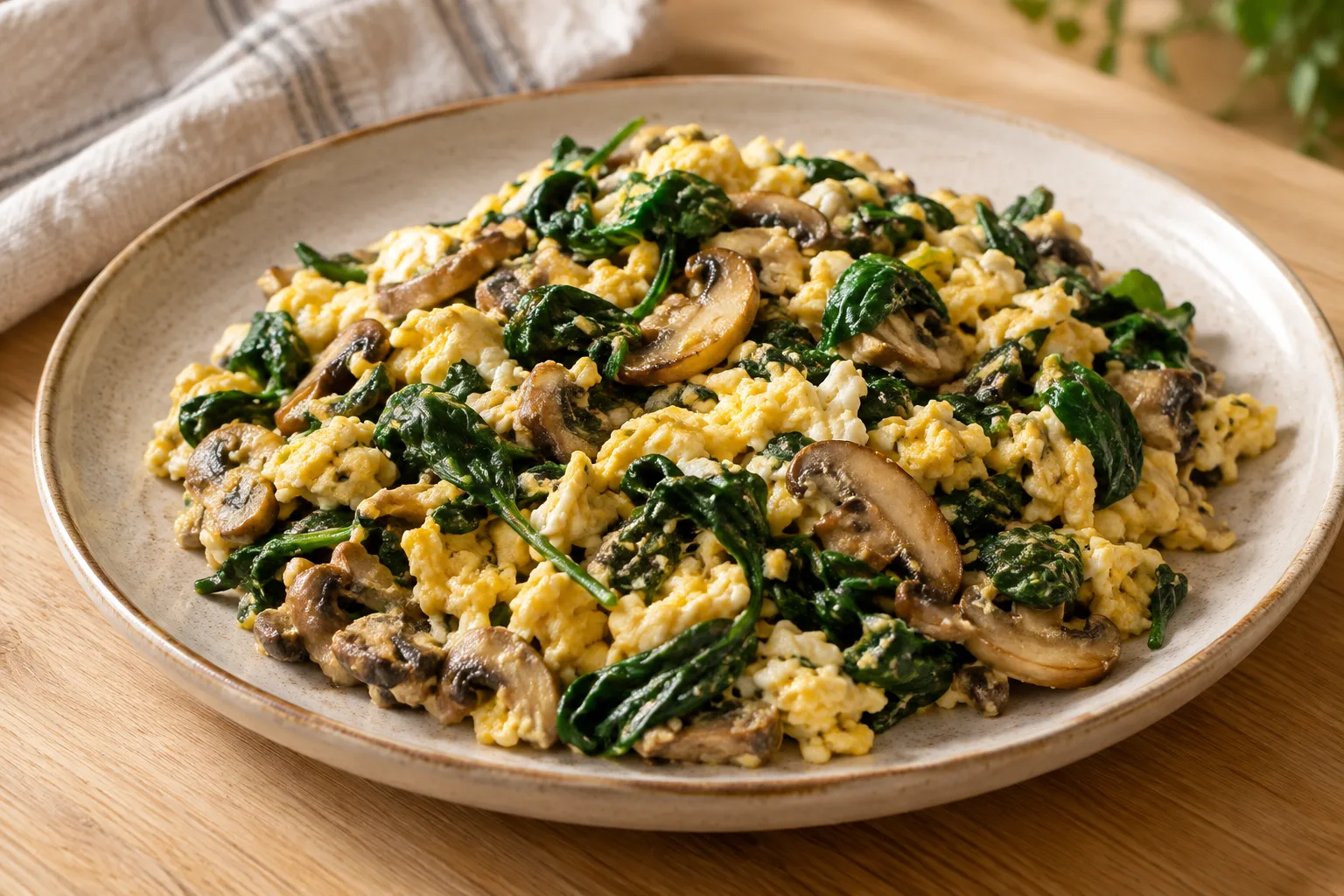
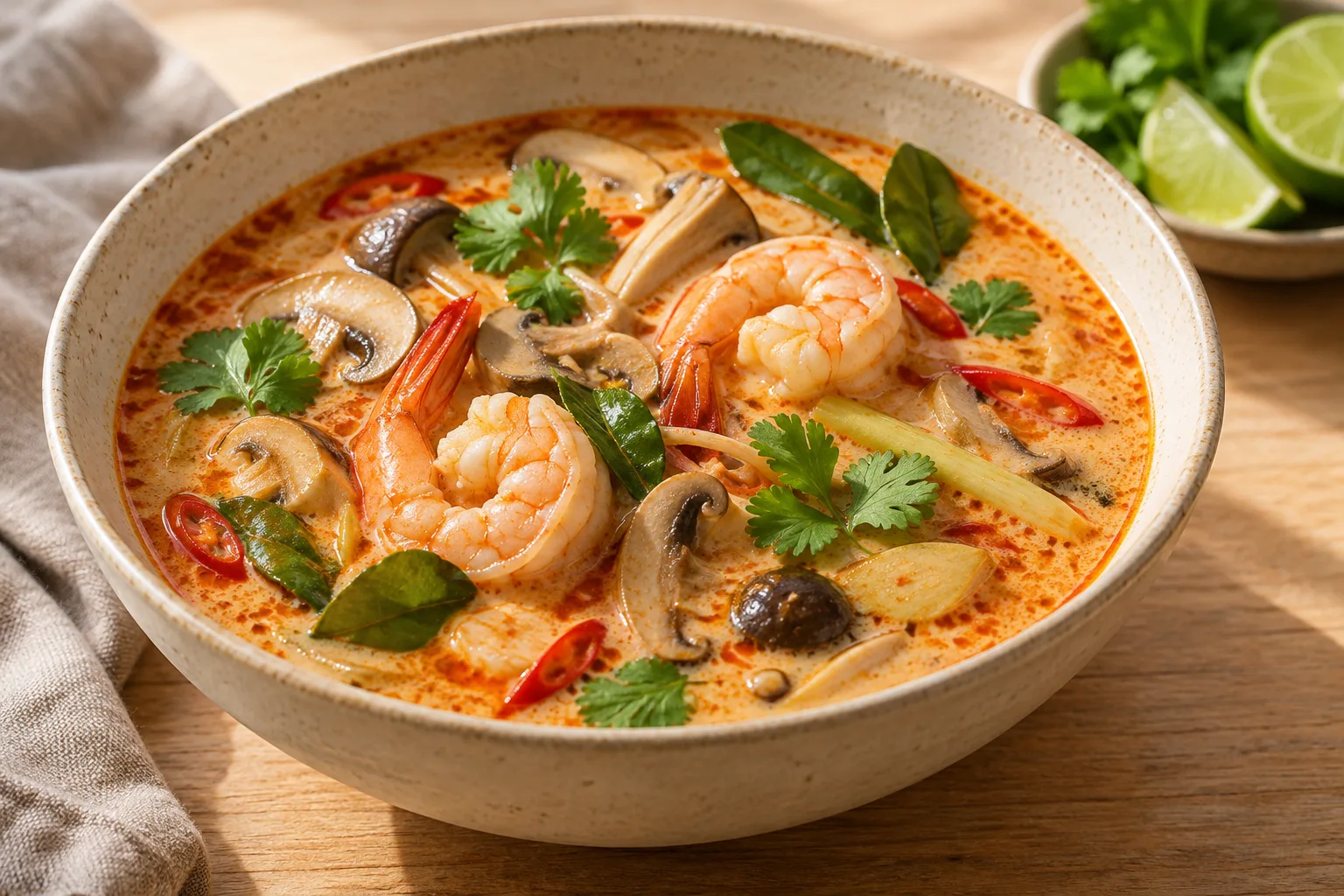
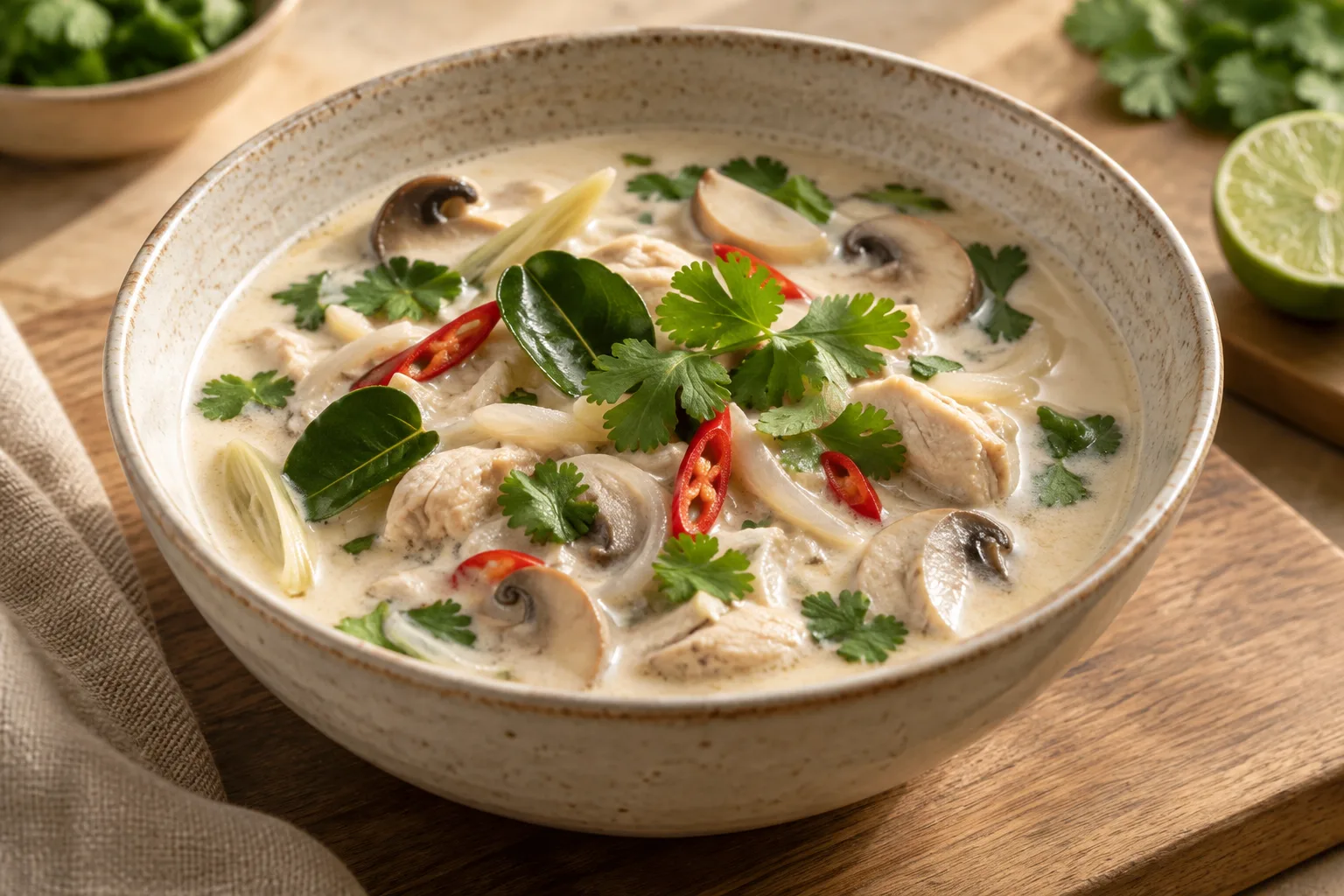
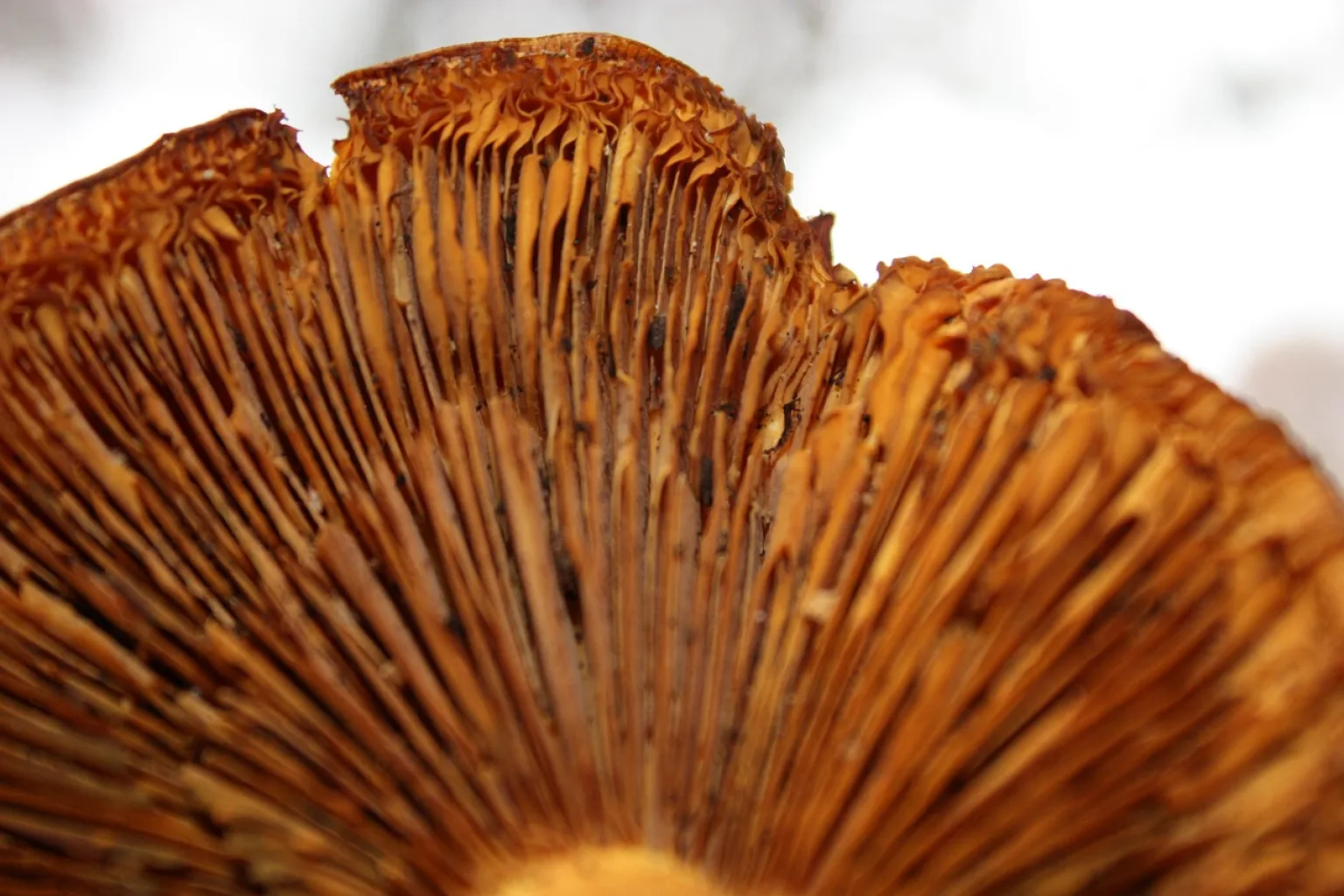
Mushrooms is a broad culinary name for edible fungi from different species, not one ingredient with a single, consistent flavor. The varieties described in the supplied sources include button mushrooms, porcini, shiitake, saffron milk caps, chanterelles, king oyster mushrooms, and black trumpets. Their profiles range from mild to pronounced, with earthy, fruity, or umami notes and textures that may be meaty or fibrous. This profile refers to fresh edible mushrooms; a property or instruction for one species should not automatically be applied to all the others.
When to use it
Use mushrooms when you want to add their distinctive texture and flavor to soups, stews, salads, or sautés. The variety matters: the sources describe mild-tasting button mushrooms, intensely flavored porcini, umami-rich shiitake, and fruity chanterelles. Choose a mild variety for a more delicate dish, or a more aromatic one when you want the mushroom flavor to stand out. The evidence does not support one season that applies to mushrooms as a whole.
How to use it
First identify the variety and follow the package or seller’s instructions, since the general name does not define one preparation for every mushroom. The sources describe button mushrooms in sautés and salads, and mushrooms as ingredients in soups and stews. You can sauté them or add them to a cooked dish when that preparation suits the identified product. Some dried varieties are crushed and used as a seasoning; this use should not be assumed for every fresh mushroom. The evidence also notes that certain species need cooking and should not be eaten raw, so do not apply generic preparation advice to an unidentified species.
Flavour and texture
Flavor and texture differ by variety: button mushrooms are described as mild and meaty, porcini as intense, shiitake as umami-rich, and chanterelles as fruity. Other species may be firm, fibrous, or especially aromatic. “Mushrooms” therefore does not describe one single flavor or texture.
How to choose it
Choose mushrooms identified by variety and explicitly offered as edible; the general name alone does not confirm the species. For packaged products, check the product name, use and storage directions, and any applicable allergen information. If you cannot confirm the identity of a wild mushroom, do not treat it as a familiar edible variety.
Storage
The available sources do not establish a universal storage time or method for all fresh mushrooms. Follow the package or retailer’s directions where provided, and do not infer a shelf life from this profile. Any storage information on the product label should be followed.
Substitutions
There is no single exact substitute for every mushroom: species differ in aroma and texture. You can replace one variety with another identified edible mushroom if the recipe can accommodate a different result. A mild variety may work when you do not want the mushroom flavor to dominate.
Common mistakes
Treating every mushroom as if it had the same flavor, texture, or preparation is a mistake: the sources describe differences among species and note that some need cooking. Do not eat an unidentified wild mushroom or apply instructions for one variety to another.
Safety and allergens
Buy mushrooms identified as edible and follow the package or seller’s use and storage directions. Some species mentioned in the sources may be toxic raw or confused with inedible species; do not eat wild mushrooms unless their identity is confirmed. The available material does not provide specific official guidance for foraging.
Culinary uses
- Ingrediente para sopas y guisos
- Ingrediente para salteados y ensaladas
- Aromatizante cuando ciertas variedades se secan y se trituran
Recommended techniques
- Saltear
- Cocer en preparaciones como guisos
- Secar y triturar ciertas variedades para usarlas como aromatizante
Pairs well with
- Sopas
- Guisos
- Ensaladas
Frequently asked questions
Do all mushrooms taste the same?
No. The sources describe, among other profiles, mild button mushrooms, intense porcini, umami-rich shiitake, and fruity chanterelles.
Can all mushrooms be eaten raw?
Do not assume so. The evidence says certain species require cooking and may be toxic raw; follow instructions for an identified variety.
How can I substitute one mushroom variety for another?
Try another identified edible mushroom if the dish can accommodate a change in aroma and texture. There is no universal one-to-one equivalent among species.
Estimated nutrition
- Fat
- 0 g
- Saturates
- 0 g
- Carbohydrate
- 5.38 g
- Sugars
- 2.31 g
- Fibre
- 2.3 g
- Protein
- 1.54 g
- Salt
- 0.75 g
Sources and review
Automatically researched, cross-checked and validated content. Sources consulted:
- En el etiquetado alimentario hay algunas menciones que son obligatorias eletiquetadocuentamucho.aesan.gob.es
- Monográfico: Cocinando con setas cordonbleu.edu
- Cooking Food Storage | USU extension.usu.edu
- The Essential Glossary of Cooking Terms for the Culinary Arts - Escoffier escoffier.edu
- Variedades de Setas - Ybarra en tu cocina ybarraentucocina.com
- Comer setas puede salvar el planeta: por qué la micología es clave para una alimentación sostenible doi.org
- Food Selection & Storage | Home & Garden Information Center hgic.clemson.edu
- Culinary MakerSpace | Auxiliary Services | Binghamton University binghamton.edu
- Currants | Cooperative Extension Service uaf.edu
- Setas : Center for Agriculture, Food, and the Environment (CAFE) at UMass Amherst umass.edu
- Cruciferous Vegetables | Linus Pauling Institute | Oregon State University lpi.oregonstate.edu
- Agencia Española de Seguridad Alimentaria y Nutrición aesan.gob.es
- Lessons 97-122: An Eventful Week | Institute of Culinary Education ice.edu
- Planning the Kitchen ir.library.oregonstate.edu
- Food – Page 2 – To GT-Europe…and Beyond! gtlblog.gatech.edu
- Food, IMAX, Planetarium, and Store | National Air and Space Museum airandspace.si.edu
- Culinary Program stchas.edu
- Kitchen Organization in Full-Service Restaurants: Reducing Heat and Stress, Boston Hospitality Review | Boston Hospitality Review bu.edu
- Recreational Cooking Classes - Classic Cooking Academy ccacademy.edu
- ¿Cuáles son los tipos de setas comestibles más comunes y sus usos culinarios? naturitas.es
- Los 10 tipos de setas más conocidos | El arte de comer bien | mentta mentta.com