- Category
- Oils and fats
- State
- Liquid
- Usual unit
- cup
What it is
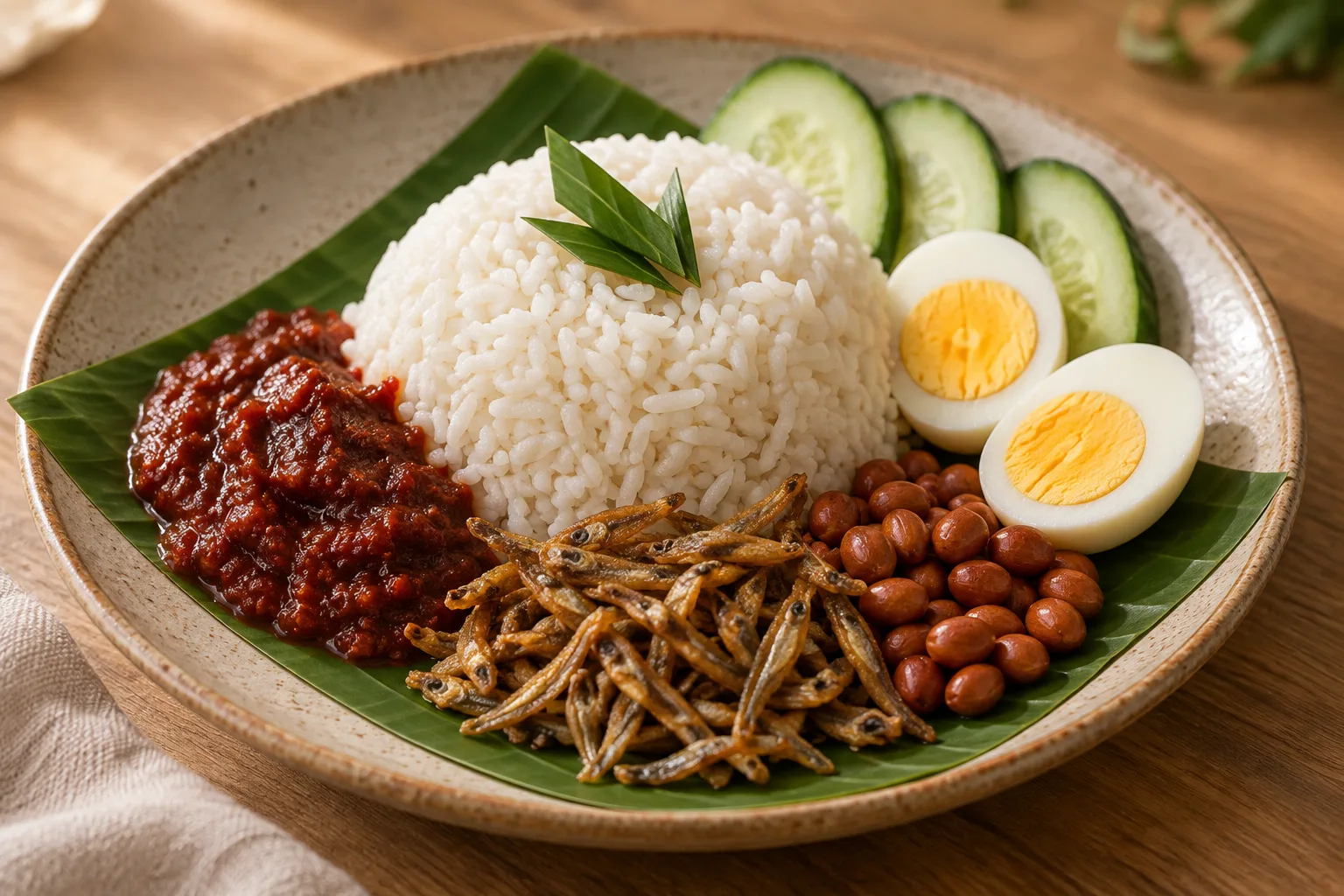
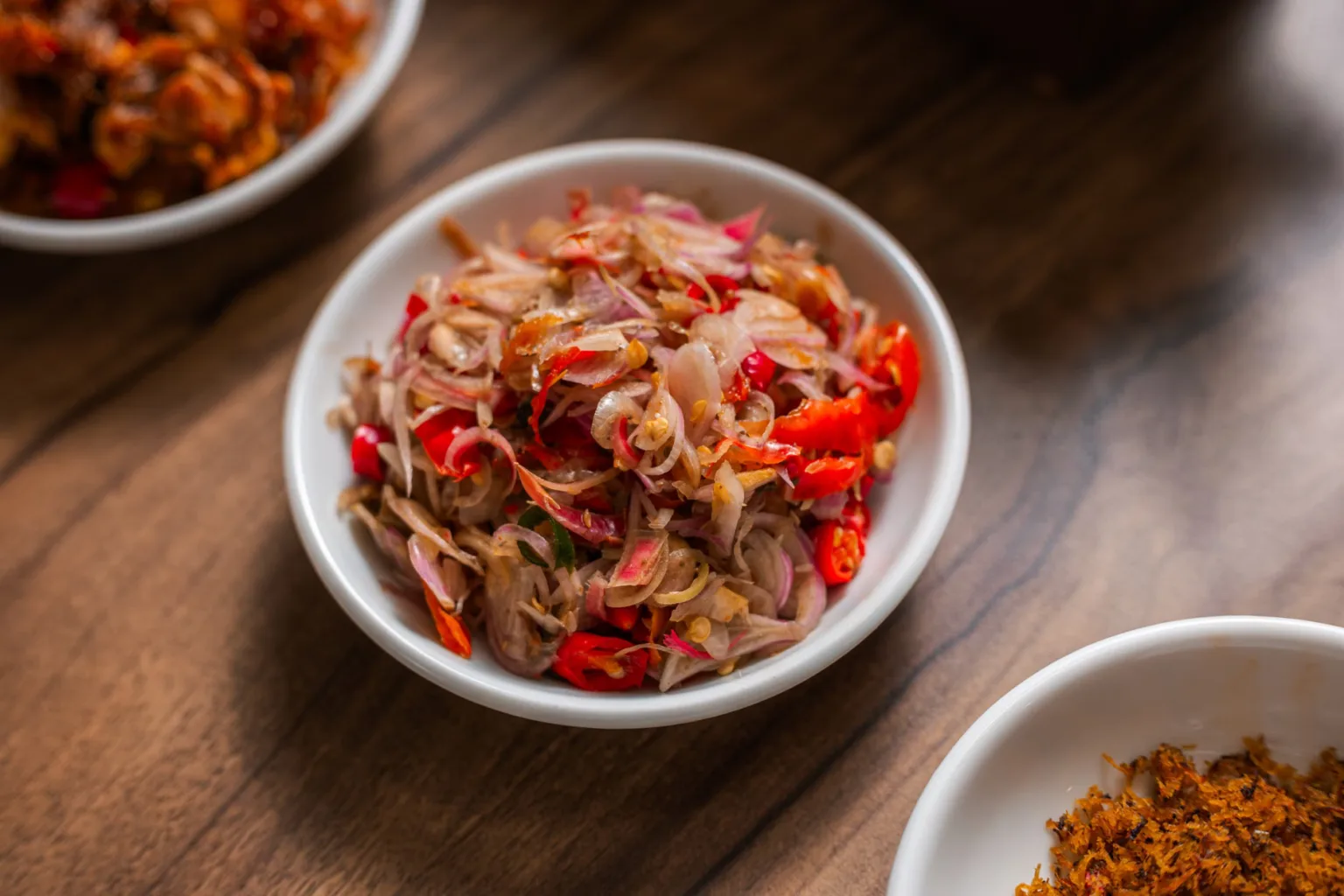
“Neutral oil for sambal” describes the use of a cooking oil whose flavour and aroma do not dominate the preparation. It is not the name of a particular variety, and it does not specify a seed, extraction method or degree of refining. Sambal is made in different ways, and some versions cook or fry chillies with oil. In that use, oil serves as a cooking medium for the ingredients. The choice depends on how much flavour of its own you want to add; mild oils such as sunflower, canola or corn are identified as neutral-style options in the available sources.
When to use it
Use it when making an oil-based sambal and you want the oil’s own flavour to stay in the background while the chillies and other ingredients stand out. It can suit preparations in which chillies or aromatics are fried, as in some sambal variations. “Neutral” describes a flavour preference; it does not mean every oil has the same properties or that every oil is suitable for every cooking temperature.
How to use it
Choose a mild-tasting cooking oil and use it as the cooking medium when preparing sambal. Add it in the amount specified by your recipe, and cook the chillies or aromatics in it when the chosen method calls for frying or sautéing. Some sambal variations combine chillies with ingredients such as garlic, onion, tomato, shrimp paste or acidic ingredients; they do not all use the same additions. Since “neutral oil” does not name a specific product, check the oil label and recipe instructions to decide how to use it. Do not assume this category has one universal smoke point.
Flavour and texture
The desired quality is a mild flavour and aroma, so the oil does not mask the other ingredients. The actual profile varies with the oil selected, so “neutral” is relative and does not mean every product is completely flavourless. Oil can also give the mixture a more unctuous feel, although the final texture of sambal depends on its ingredients and how they are ground or cooked.
How to choose it
Look for a cooking oil described on the package as mild-tasting, or choose one with a subdued flavour. Sunflower, canola or rapeseed, and corn oils are among the options associated with a neutral flavour in the available sources. Read the label to identify the oil and do not assume that “neutral” specifies a particular variety or production method. Choose according to the flavour you want in the sambal and the product’s stated use.
Storage
This profile does not set a universal storage period or method for all oils, because the ingredient name does not identify one specific oil. Follow the directions on the product you buy and keep it closed when not in use. Light, heat and storage conditions can affect the quality of some oils, so follow the manufacturer’s advice and check the product before cooking.
Substitutions
If you do not have the oil specified, choose another mild-tasting cooking oil, such as sunflower, canola or corn oil. The result can vary by product and brand: the aim is to keep the oil’s flavour in the background, not to reproduce a particular variety. Check the label to see whether your choice suits the cooking method in your recipe.
Common mistakes
Do not assume that “neutral oil” names one specific oil or that all mild oils behave the same when heated. Avoid a strongly flavoured oil if you want the chillies and aromatics to stand out. This category also has no universal smoke point; that depends on the particular product.
Safety and allergens
Use an oil intended for food and follow its package directions and your recipe. This profile does not give a temperature or smoke point for a category that includes different oils.
Culinary uses
- Medio de cocción para preparar sambal
- Aportar aceite sin dominar el sabor de los demás ingredientes
Recommended techniques
- Freír o cocinar los ingredientes del sambal en aceite
- Saltear brevemente los ingredientes aromáticos con aceite
Pairs well with
- Chiles y ajo
- Cebolla o chalota y pasta de camarón
- Tomate y cítricos o tamarindo
Frequently asked questions
What does “neutral oil” mean in a sambal recipe?
It means an oil with a mild flavour and aroma that will not dominate the other ingredients. It does not name one specific oil.
Which oils might work?
The available sources identify sunflower, canola or rapeseed, and corn oils as mild-flavoured options. Check the label of the product you choose.
Does all sambal contain oil?
Not necessarily. Sambal has many variations; some are served raw, while others cook or fry the chillies with oil.
Sources and review
Automatically researched, cross-checked and validated content. Sources consulted:
- Client Challenge doi.org
- - YouTube youtube.com
- Conoce los tipos de aceite para cocinar | Recetas Nestlé recetasnestle.com.ec
- Tipos de aceite: cuál elegir para cocinar, freír, aliñar o dar sabor abc.es
- Sambal - Wikipedia, la enciclopedia libre es.wikipedia.org
- ▷ ¿Qué es el aceite neutro para cocinar? | Como Cocinar y Comer comococinarocomer.com
- Descubre los tipos de aceites neutros: guía completa teniscrossfit.com
- Sambal - Wikipedia en.wikipedia.org
- ¿Qué se entiende por aceites "neutros"? es.cooking.asklobster.com
- ▷ ¿Cuál es el aceite más neutro? | Como Cocinar y Comer comococinarocomer.com