- Category
- Oils and fats
- State
- Liquid
- Usual unit
- ml
What it is
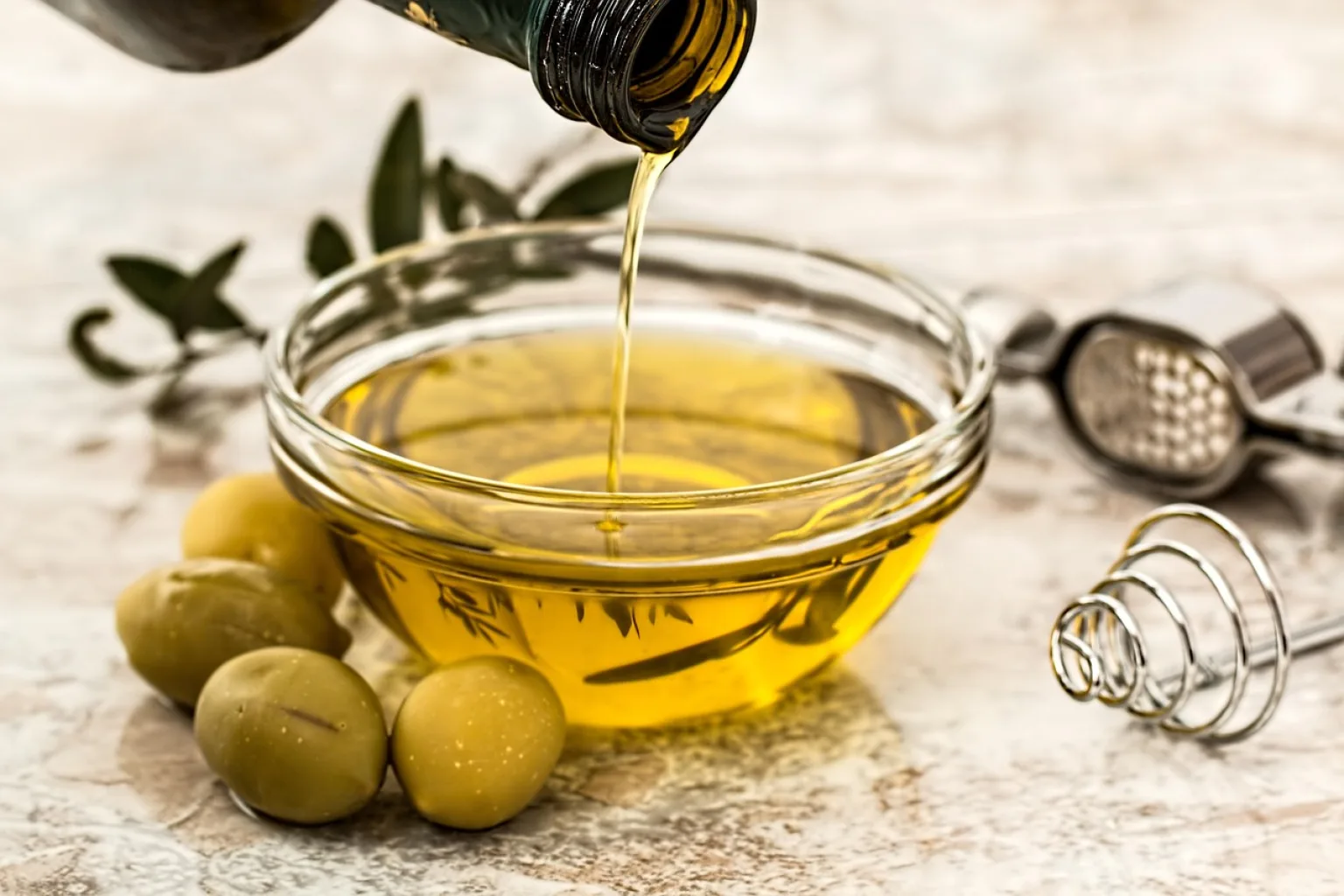
“Neutral vegetable oil” describes an edible plant-derived oil whose flavor does not dominate a dish; it does not identify one particular variety. The product may come from a seed or fruit, or be a blend of oils. As a result, products sold under similar generic wording can differ in ingredients, flavor and cooking behavior. Sunflower, rapeseed or canola, and corn oils are among the options described as neutral, but do not assume every generically labeled product contains the same oil. Read the ingredients and the product’s use instructions to know what you have.
When to use it
Choose this oil when you want to add fat without a strong flavor, for example in dressings, sauces, mayonnaise, sautés, or sweet recipes such as cakes and cookies. It can be useful when the flavor of a more aromatic oil would compete with other ingredients. For high-heat cooking or frying, do not infer suitability from the word “neutral”: vegetable oils are not all alike. Check the label for the specific product and follow its recommended uses.
How to use it
Measure the amount called for by your recipe and add it to the preparation. Use it uncooked in a dressing, or incorporate it as directed when making an emulsified sauce. In batters and sweet recipes, its mild flavor can add fat without introducing a pronounced aroma. It can also be used for cooking, but “neutral vegetable oil” alone does not reveal its exact composition or heat suitability. Before frying or using high heat, check the specific oil’s label; do not assume guidance for one variety applies to another.
Flavour and texture
The intended flavor profile is mild or unobtrusive, though the actual taste depends on the seed or fruit, processing and blend stated on the label. Like other oils, it adds a fluid, fatty texture; some vegetable oils remain liquid at room temperature. Do not expect every generic product to be identical: some may have a more recognizable aroma or a different texture.
How to choose it
Read the ingredient list to identify the oil or blend instead of assuming that “vegetable” names one particular variety. If you want a mild flavor, look for a product described as neutral and check that its aroma suits your intended use. For frying or high-heat cooking, follow the package instructions; “neutral” alone does not guarantee suitability for every technique.
Storage
Check the package for storage instructions for the specific product and keep it closed between uses. The generic name does not establish one shelf life or storage condition for every oil, since composition and packaging can vary. Do not apply storage guidance for one oil to a blend without checking its label.
Substitutions
You can substitute sunflower, rapeseed or canola, or corn oil if the product has a similarly mild flavor and is suitable for the recipe. The result can vary with each oil’s composition and aroma. If the oil’s flavor matters to the dish, try a small amount first and follow the product’s use instructions.
Common mistakes
Do not assume all vegetable oils are interchangeable or that “neutral” means suitable for every temperature. The label may describe a blend or a specific variety. Check the ingredients and use instructions, and avoid replacing it with a strongly flavored oil when you want the recipe to remain mild.
Safety and allergens
Use oil labeled for food and follow the package’s use and storage instructions. The available evidence does not establish a specific warning for this broad category; individual products may differ in composition and recommended uses.
Culinary uses
- Aportar grasa a preparaciones dulces y saladas sin imponer un sabor marcado
- Servir de base para aliños, salsas y emulsiones
Recommended techniques
- Aliñar en crudo
- Emulsionar en salsas como la mayonesa
- Cocinar o freír solo cuando la etiqueta del aceite concreto indique que es adecuado
Pairs well with
- Verduras y ensaladas
- Preparaciones dulces, como bizcochos y galletas
- Salsas y aliños
Frequently asked questions
Is neutral vegetable oil always sunflower oil?
No. The term can refer to different vegetable oils or a blend. Check the product’s ingredients.
Can I use it for frying?
That depends on the specific oil and its label. “Neutral” describes flavor; it does not guarantee that an oil is suitable for frying.
Can I use it in baking?
A mild-flavored oil can add fat to recipes such as cakes and cookies. Check that the recipe allows oil.
Estimated nutrition
- Fat
- 14.7 g
- Saturates
- 2.34 g
- Carbohydrate
- 41.4 g
- Sugars
- 0.3 g
- Fibre
- 3.8 g
- Protein
- 3.43 g
- Salt
- 0.52 g
Sources and review
Automatically researched, cross-checked and validated content. Sources consulted:
- Aplicaciones de la Biotecnología en Seguridad Alimentaria aesan.gob.es
- Listado Aceites Vegetales: El aceite de oliva y otras variedades tiendaybarra.es
- FICCIONES DE PATAGONIA - UKnowledge uknowledge.uky.edu
- Azahares 2024 uafs.edu
- Aceite de cocina - Wikipedia, la enciclopedia libre es.wikipedia.org
- A Panoramic View From the Interior of the Later Spanish Church | ClipVR ETC etc.usf.edu
- Utilization of soybean components in foods dr.lib.iastate.edu
- Phytochemical Composition and Biological Activity of the ... scholarworks.montana.edu
- Chris Branam extension.oregonstate.edu
- All Graduate Theses and Dissertations, Spring 1920 to Summer 2023 | Graduate Studies | Utah State University digitalcommons.usu.edu
- Los diferentes tipos de aceites que puedes encontrar en el supermercado (y cómo puedes usarlos en la cocina) vitonica.com