- Category
- Vegetables
- State
- Paste
- Usual unit
- tablespoon
What it is
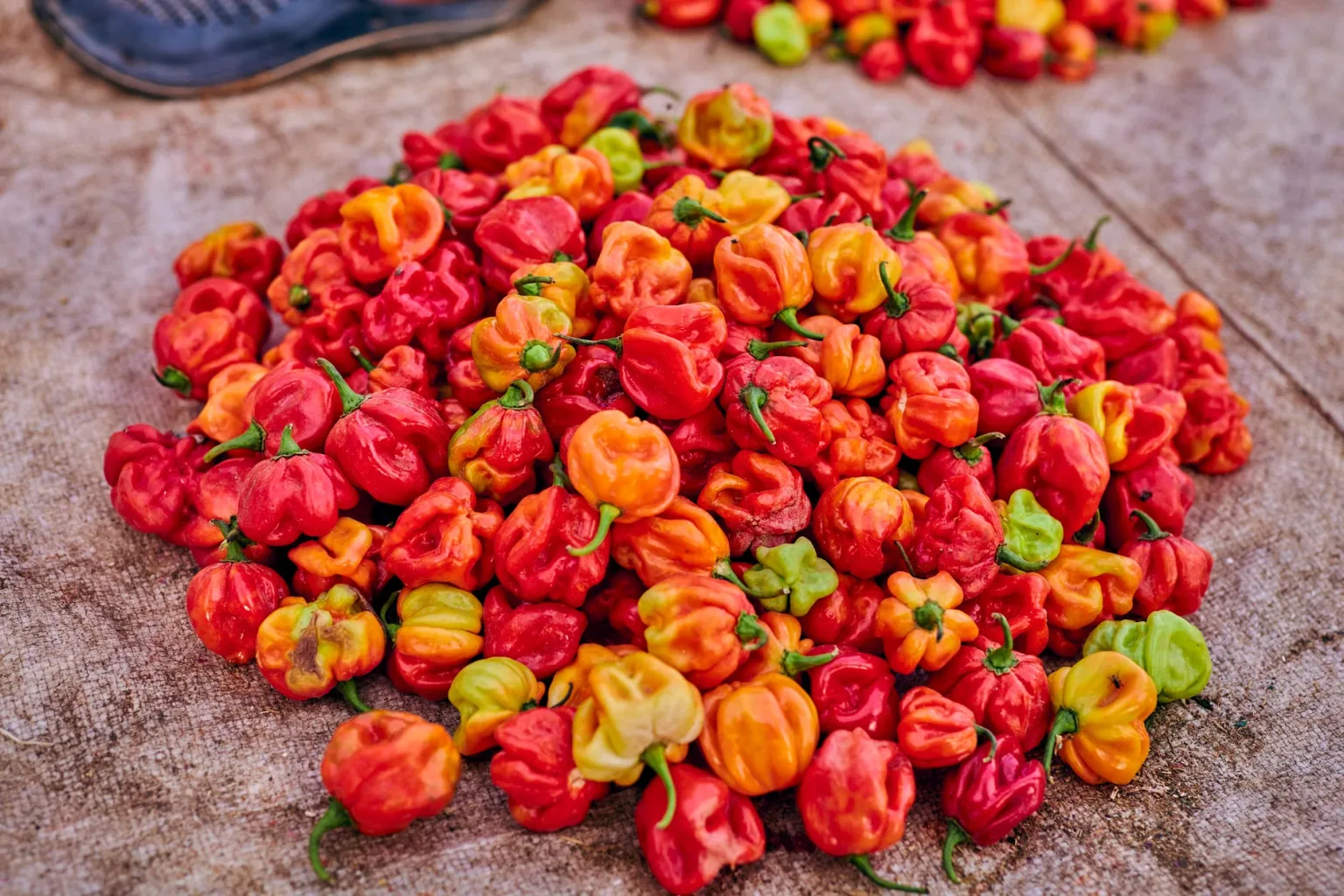
Ñora pepper flesh is the edible pulp of the ñora, a small, round pepper. Dried ñoras can be used as paprika or as pulp, which is obtained after the pepper has been hydrated. Prepared pulp is also sold ready to use in cooking. Packaged versions are not necessarily identical: some products list only ñora pepper flesh, while others also declare citric acid. The ingredient name alone therefore does not establish what is in every jar; check the label of the product you have.
When to use it
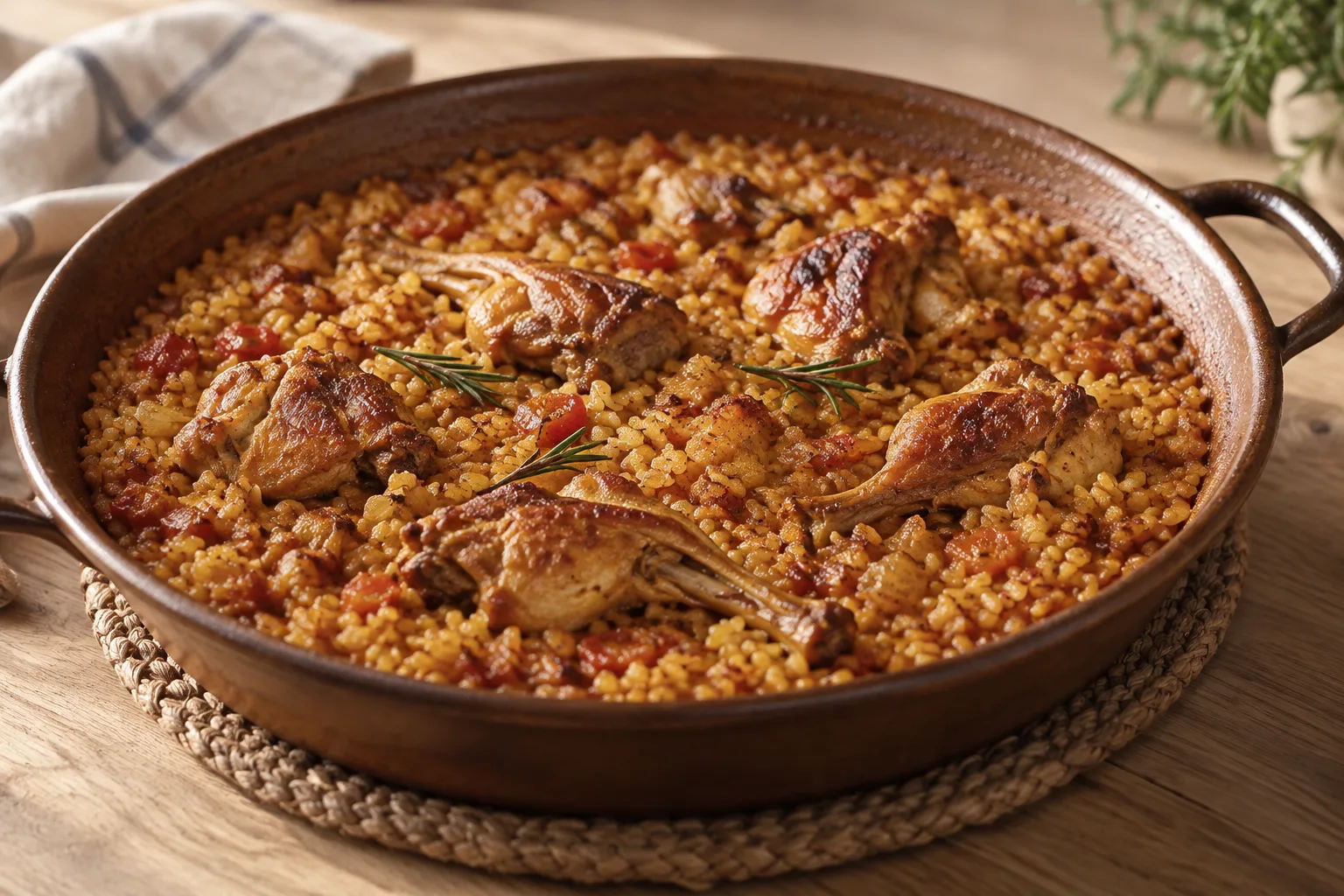
Use it when you want to add a sweet pepper flavor and an intense aroma without preparing the pulp from a dried ñora yourself. It is recommended as a seasoning for soupy rice dishes, stews, vegetable and legume soups, fish dishes and sauces such as romesco. The available sources do not establish a universal quantity, so begin with a modest amount and adjust to taste for your recipe and product.
How to use it
Add ñora pepper flesh as a seasoning to stews, soupy rice dishes, soups and sauces. You can also mix it into romesco sauce or use it to flavor fish, vegetable and legume dishes. If using packaged pulp, check its ingredient list and follow the maker’s directions; formulations can differ. If starting with dried ñoras, the pulp is obtained after hydrating them, but use a suitable method for that product and a reliable recipe. Do not confuse prepared pulp with a whole ñora or assume that every form should be measured in the same way.
Flavour and texture
Ñora pepper flesh is described as sweet and intensely aromatic, and can add flavor and color to dishes. Packaged versions are generally sold as ready-to-use pulp; texture and formulation may vary between products. Read the label to see whether the jar contains only pepper pulp or also other ingredients, and adjust the amount to suit the result you want.
How to choose it
Look for a product clearly named ñora pepper flesh or pulp. Check the ingredient list: some products declare only ñora pepper flesh, while others include citric acid. Inspect the packaging and follow any directions from the maker. If you prefer to prepare the pulp yourself, dried ñoras can be hydrated to obtain it; make sure you are buying whole dried peppers rather than a ground seasoning.
Storage
There is no single storage direction that applies to every ñora pepper flesh product. Follow the label, especially any instructions for after opening. Food-label information may include special storage or use conditions when needed. Do not apply the time limits or advice for one specific brand to other jars.
Substitutions
You can replace the prepared pulp with ñora pepper in paprika or ground form, or with pulp made from hydrated dried ñoras. These forms differ and may change the texture and intensity of the result, so adjust to taste and to the recipe. No universal quantity conversion is established.
Common mistakes
Do not assume every jar contains only ñora pepper: some products include other ingredients, such as citric acid. Nor should you assume that one brand’s quantity or storage directions apply to every product. Prepared pulp, hydrated whole ñora and ñora paprika are different forms.
Safety and allergens
Handle the food hygienically and avoid cross-contamination. Check the label for the product’s ingredients and specific use and storage directions; the available sources do not identify a specific safety warning for ñora pepper flesh.
Culinary uses
- condiment
- flavor base for stews and sauces
- color and flavor enhancer
Recommended techniques
- stir into stews
- mix into sauces
- add to rice dishes as a seasoning
Pairs well with
- rice dishes
- fish stews and soups
- vegetable soups
- legumes
- romesco sauce
Frequently asked questions
What is ñora pepper flesh?
It is the pulp of a small, round pepper called a ñora, also sold prepared for use as a seasoning.
Which dishes can I use it in?
It is recommended for soupy rice dishes, stews, fish or vegetable soups, legumes and sauces such as romesco.
Do all jars have the same ingredients?
Not necessarily. Check the label: some products list only ñora pepper flesh, while others also include citric acid.
Sources and review
Automatically researched, cross-checked and validated content. Sources consulted:
- En el etiquetado alimentario hay algunas menciones que son obligatorias eletiquetadocuentamucho.aesan.gob.es
- Vamos a Conservar Alimentos: Carnes extension.psu.edu
- ¿Por qué la muerte es origen de miedos y tabúes? doi.org
- Cooking Food Storage | USU extension.usu.edu
- How to Cook Nopales for a Flavorful Experience • southernwv.edu staging.southernwv.edu
- Higiene de los alimentos aesan.gob.es
- icuitu a ^ - [^evista a¢ropecua a mapa.gob.es
- Carne seca (Spanish) - National Center for Home Food Preservation nchfp.uga.edu
- Wild Side of the Menu No. 3 Preservation of Game Meats and Fish | NDSU Agriculture ndsu.edu
- Fantastic Food: Recipe - Carne de Res Guisada Beef Stewed with Tomato Sauce commtechlab.msu.edu
- Storing Meats & Seafood | Home & Garden Information Center hgic.clemson.edu
- Carne de ñora | Conserves Ferrer c-ferrer.com
- ¿Qué es y para qué sirve la ñora? Propiedades y recetas para aprovecharlas al máximo 20minutos.es
- Carne de Ñora laespanolameats.com
- Carne de Ñora labarraca1912.es