- Category
- Oils and fats
- State
- Fresh
- Usual unit
- tablespoon
What it is
“Oil or ghee for the dough” describes an ingredient choice rather than one fixed fat with a single composition. Oil can refer to different types, while ghee is dairy fat made by clarifying butter, a process that separates away much of its water and milk solids. The available evidence describes ghee as golden and potentially nutty or toasted in flavor. In a dough recipe, this ingredient name indicates that one of these fats is intended; it does not specify a quantity or guarantee that the two will produce the same result. Check the particular recipe for its measurements and method.
When to use it
Use this ingredient when a dough recipe calls for oil or ghee, and choose according to the flavor you want and the product available. Oil is a plant-based option, but its characteristics vary with the type selected. Ghee brings the character of clarified dairy fat and a more toasted, nut-like flavor. If the recipe explicitly offers both choices, follow its stated amounts; otherwise, do not assume they behave identically. For a delicate dough or a recipe that relies on a specific texture, it is safer to use the fat specified.
How to use it
Measure the oil or ghee as directed and add it at the point specified in the recipe. If the recipe allows a choice, select oil for a plant-based fat profile or ghee when you want the toasted flavor of clarified dairy fat. The available evidence does not establish a universal conversion ratio, so do not change quantities by guesswork. If the ghee is firm, follow the recipe’s directions before adding it, and do not add it hot unless the method says to. Mix until the fat is evenly distributed, while keeping the recipe’s other ingredients and mixing instructions unchanged.
Flavour and texture
Flavor depends on the product: oil varies by type, while ghee can have toasted, sweet, or nut-like notes. Ghee is clarified dairy fat, so it should not be described as a plant-based oil. The available information cannot predict the final texture of a dough on its own; that also depends on the recipe and its other ingredients.
How to choose it
Check whether the container holds plant-based oil or ghee; these names do not identify the same product. For oil, check the specific type and the uses stated on the label. For ghee, confirm that the product is the clarified dairy fat you intend to buy and review its ingredients. If you need to avoid milk, do not assume ghee is suitable: read the label and allergen information.
Storage
The ingredient may be oil or ghee, and storage directions can depend on the specific product and its packaging. Follow the manufacturer’s instructions after opening and keep the container closed as directed. The available evidence does not support a universal storage period for all oils and ghees, so do not infer one from this generic ingredient name.
Substitutions
Oil and ghee can serve as the fat in some recipes, but they are not exact equivalents: one may be plant-based, while the other is clarified dairy fat with its own flavor. Substitute only when the recipe allows it, and keep to the stated amount. Ghee can also replace butter in some baked preparations, but whether that works depends on the recipe.
Common mistakes
Do not assume every oil has the same flavor or behavior, or that ghee is a plant-based oil. It is also a mistake to presume that substitutions work in every dough or to change quantities without guidance from the recipe. Check which product the preparation calls for and follow its directions before adding it.
Safety and allergens
Ghee comes from dairy fat, even though it is clarified. If you need to avoid milk because of an allergy, do not automatically treat it as allergen-free: check the package and the manufacturer’s information. Follow the label’s use and storage instructions for any product.
Culinary uses
- Aportar grasa a una masa
- Contribuir a la riqueza y al sabor de preparaciones horneadas
Recommended techniques
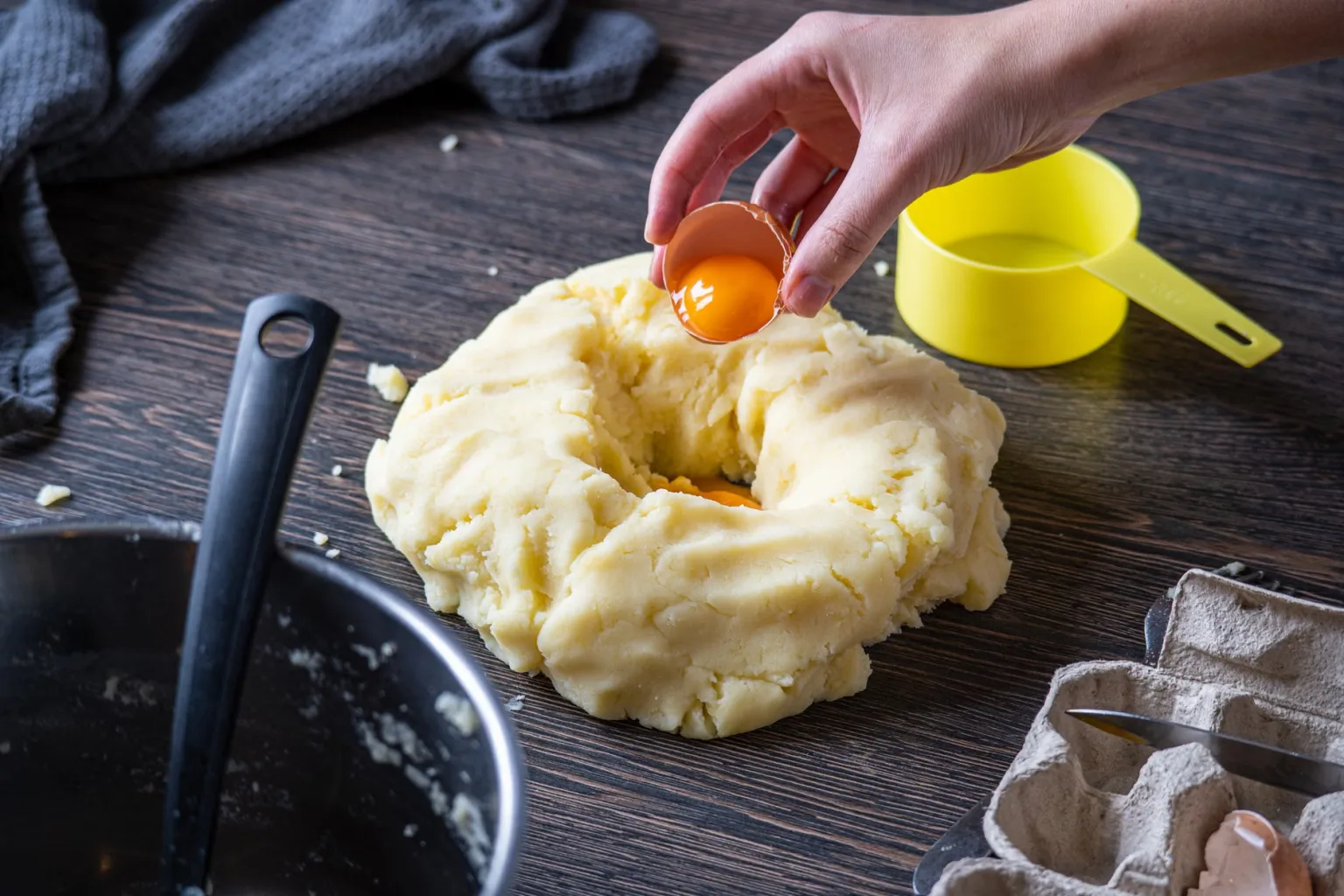
- Incorporación a la mezcla de una masa
- Uso como grasa para cocinar o dorar
Pairs well with
- Masas elaboradas con harina
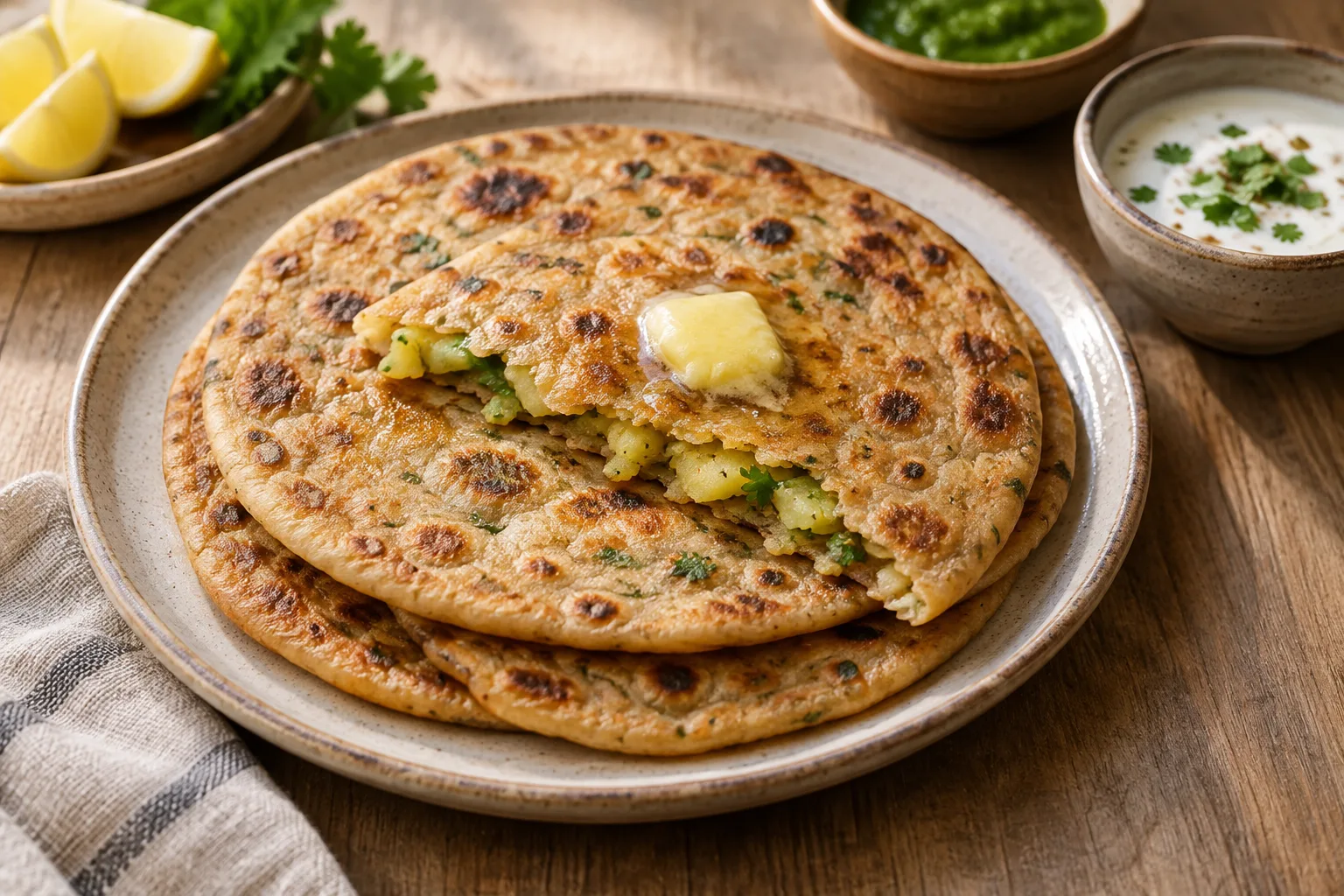
- Pan plano, como chapati, especialmente con ghee
- Especias, en preparaciones donde se busca aromatizar una grasa
Frequently asked questions
Are oil and ghee the same?
No. Oil may be plant-based, while ghee is clarified dairy fat and can have toasted notes.
Can I replace oil with ghee in any dough?
There is no confirmed universal substitution. Do so only if the recipe allows it, and follow its quantities.
Is ghee suitable if I need to avoid milk?
Do not assume so. It is made from dairy fat; check the label and ask the manufacturer if needed.
Sources and review
Automatically researched, cross-checked and validated content. Sources consulted:
- Client Challenge doi.org
- The Essential Glossary of Cooking Terms for the Culinary Arts - Escoffier escoffier.edu
- Gastronomía de la India - Wikipedia, la enciclopedia libre es.wikipedia.org
- Qué es eso llamado epistemología, para qué sirve, por qué es inexcusable para la universidad y para la paz | Reencuentro. Análisis de problemas universitarios doi.org
- DISEÑO DE UN PRODUCTO ALIMENTICIO PARA EL ... upcommons.upc.edu
- Los secretos del ghee, más que una mantequilla clarificada - Blog Conasi conasi.eu
- Todo sobre el ghée, el nuevo alimento de moda del 2025 elle.com
- Ghee - Wikipedia, la enciclopedia libre es.wikipedia.org
- Qué es y cómo hacer Ghee | alimento y conciencia alimentoyconciencia.com
- ¿Qué es el ghee? Todo sobre el alimento de moda | El arte de comer bien | mentta mentta.com
- Ghee: origen, propiedades y su preparación - Spice and Colour spiceandcolour.com
- Ghee: qué es, para qué sirve y cómo se hace en casa | Fond fond.kitchen
- ¿Hay diferencias entre mantequilla, ghee y margarina? Una guía útil para entender las grasas que tanto sabor aportan a los platos directoalpaladar.com
- (PDF) Manual de hierbas y especias Editado por translate.google.com