- Category
- Fruit
- State
- Preserved
- Usual unit
- cup
What it is
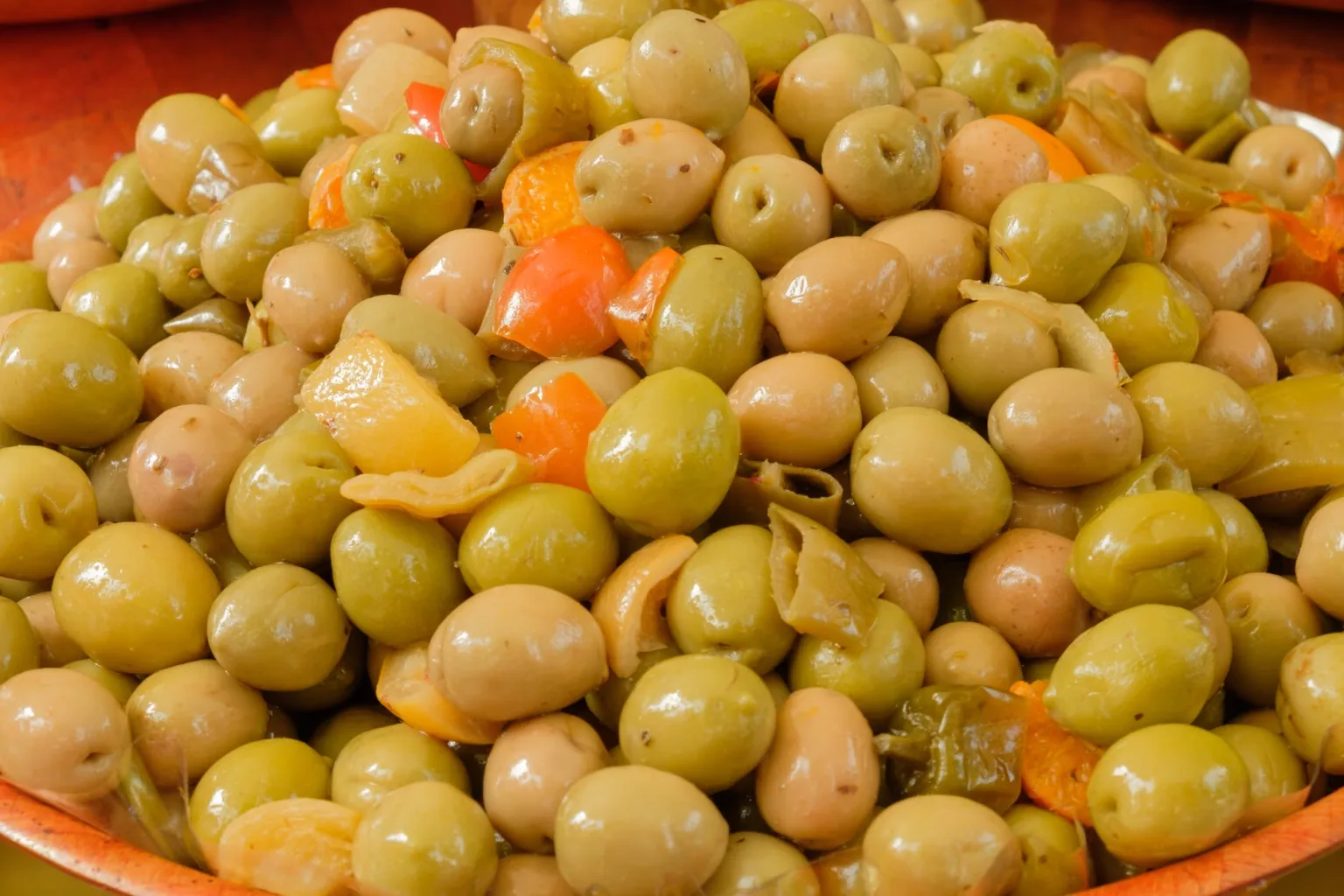
An olive is the fruit of the olive tree (Olea europaea) and, botanically, a drupe. In cooking, olives may be green, purple, or black, and sold whole, pitted, sliced, or stuffed. Color can reflect a different stage of ripeness, but it can also result from processing, so a black olive was not necessarily picked ripe. Freshly picked fruit is very bitter, and table olives are processed to make them suitable to eat. Curing can use methods such as water or brine, and it changes flavor and texture. Table olives are not the same thing as olive oil: they are the prepared fruit eaten as it is or used as an ingredient.
When to use it
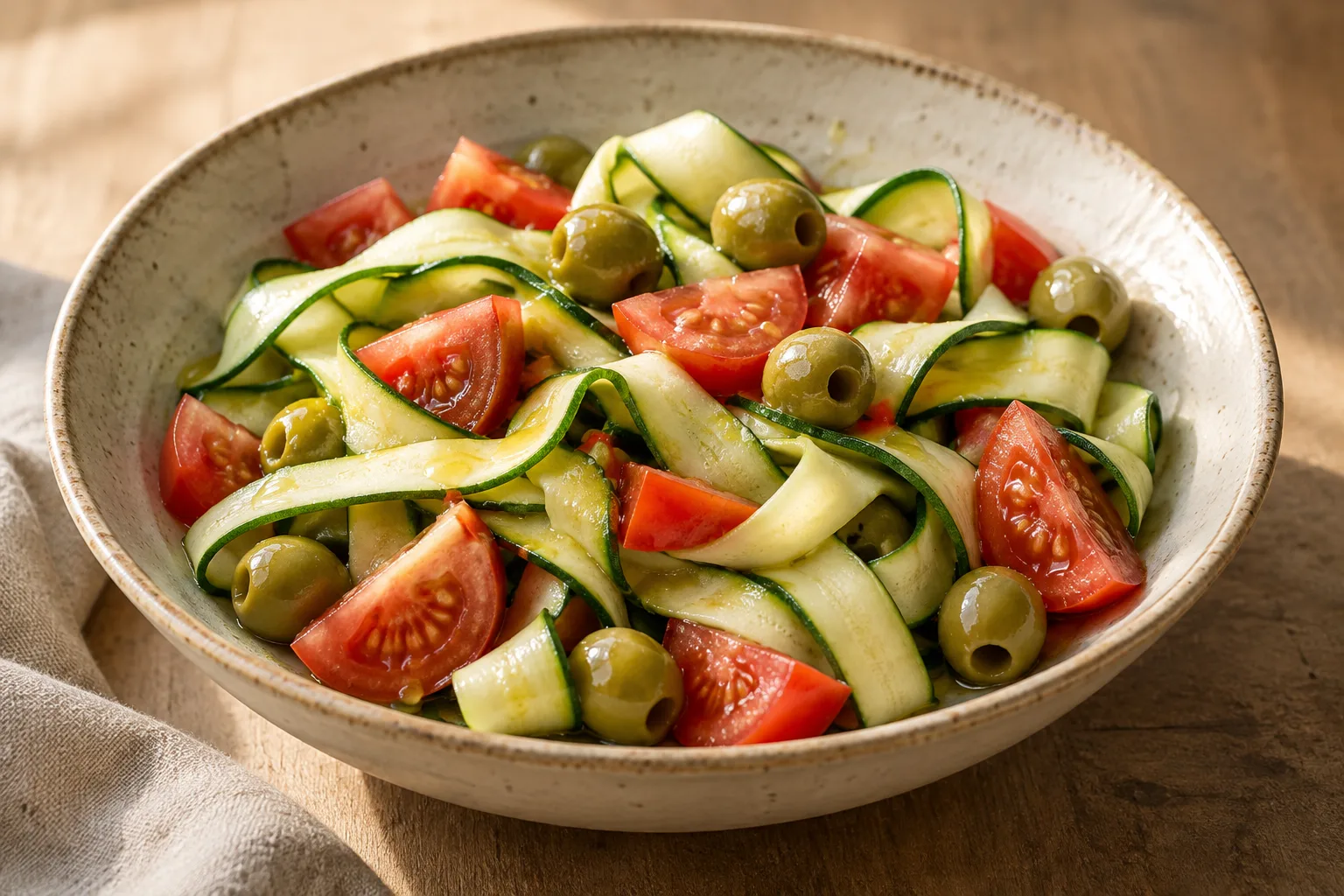
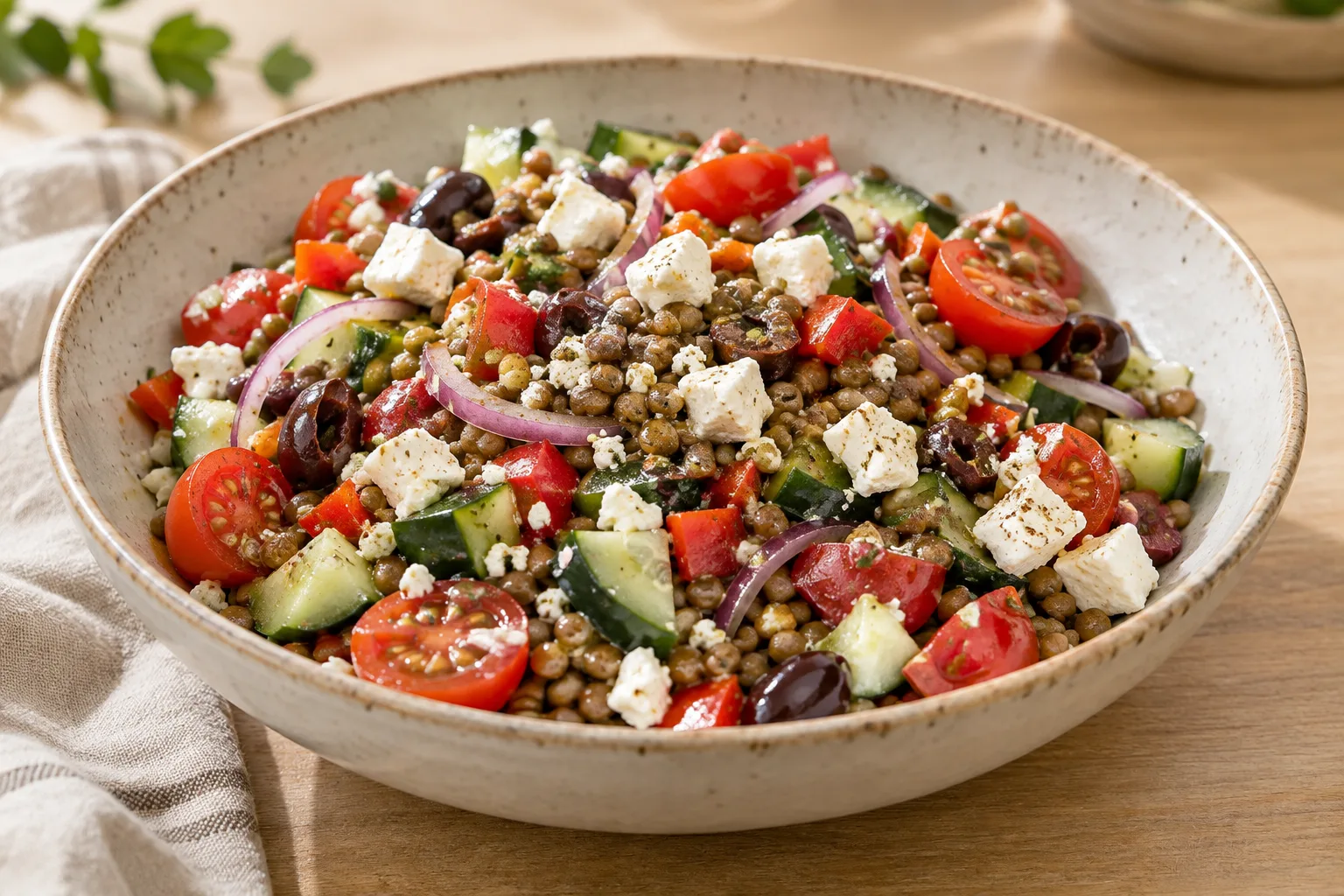
Use olives when you want to add salty, sour, bitter, or fruity notes and a meaty texture to a dish. Whole or sliced olives work as an appetizer and in salads and other cold dishes; chopped olives are easier to distribute through cooked recipes. They can also be used in spreads, fillings, and dressings. Choose according to the result you want: size, variety, curing, color, and seasoning ingredients can all affect the finished flavor. If the olives are already seasoned or stuffed, taste a little before adding more salt or other seasoning to the dish.
How to use it
Check whether the olives contain pits and remove them before serving to anyone who expects pitted olives; slice or chop them to suit the texture you want. Add them whole or cut to salads, appetizers, and cold dishes, or include them in cooked recipes where their pronounced flavor can mingle with the other ingredients. For a spread, blend the olives with other ingredients to taste. You can also season them with herbs, spices, or ingredients such as sliced onion and paprika. Because preserved olives and their seasonings can contribute plenty of flavor, taste the dish before adjusting the salt. Follow any storage or use directions on the package.
Flavour and texture
The flavor can combine salty, bitter, sour, and fruity notes, with differences depending on variety, ripeness, and processing. Green olives are often described as firmer and more bitter, while natural black olives may be darker and softer; color alone does not reveal the full flavor profile. The flesh may be meaty, firm, or softer, and the pit changes the eating experience. Seasonings and fillings add their own flavors too, so taste the particular product before deciding how to season a recipe.
How to choose it
Choose the format for your intended use: whole olives for serving as an appetizer, pitted or sliced ones for convenience, and stuffed olives when you want the filling to be part of the bite. Do not infer ripeness from color alone, since some olives are darkened through processing. Read the product name and ingredient list to identify the style, seasoning, and filling ingredients, and check the package directions. If buying loose olives or eating them in a food-service setting, ask what ingredient and allergen information is available.
Storage
Storage conditions depend on the product and how it is sold, so there is no single instruction that applies to every olive. Read and follow the package directions, particularly any instructions for after opening. For loose olives or olives served by a food business, ask how they are stored and use the information provided by the seller. Do not assume seasoned, stuffed, brined, and other styles all require exactly the same care. Do not eat a product if its label or observed condition indicates that it should not be consumed.
Substitutions
Capers can replace olives in dishes where a salty, pickled flavor fits, although they are smaller and do not reproduce olives’ meaty texture. Pickled peppers work in salads, pizzas, and appetizers, but have their own flavor and may be hot. Artichoke hearts can work when a meatier alternative is wanted; the culinary source suggests adding salt and vinegar. None is an exact match: adjust the amount and taste the dish before seasoning it.
Common mistakes
Do not assume every black olive is a different variety or was picked ripe: color can also result from processing. Do not expect a freshly picked olive to taste like a cured table olive; unprocessed fruit is very bitter. Another common mistake is adding salt automatically, since preserved olives, fillings, and seasonings may already contribute plenty of flavor. Check for pits and read the ingredients if you need to know about a filling or seasoning.
Safety and allergens
The available sources do not identify a specific safety warning for olives as an ingredient. Check the label, the ingredients in fillings and seasonings, and the product’s storage and use directions; ask for allergen information when olives are served unpackaged. Freshly picked fruit is very bitter and is not the same as processed table olives.
Culinary uses
- Aperitivo o ingrediente para picar
- Aporte salado, ácido, amargo y de textura a platos fríos y cocinados
- Base para pastas untables de aceituna
Recommended techniques
- Picar o cortar en rodajas para incorporarlas a ensaladas y otros platos
- Triturar para preparar una pasta de aceitunas
- Aliñar con hierbas, especias u otros ingredientes
Pairs well with
- Ensaladas y platos fríos
- Pan, quesos y aperitivos
- Hierbas, especias y otros ingredientes de aliño
Frequently asked questions
Are olives a fruit?
Yes. They are the fruit of the olive tree and are botanically classified as drupes.
Are black olives always picked ripe?
No. Some are picked green and darkened through processing, while others are naturally black. Color alone does not show how they were made.
Can you eat olives straight from the tree?
Freshly picked fruit is very bitter. Table olives are processed or cured before they are eaten.
How can I use olives in a recipe?
Serve them as an appetizer, slice them into salads or cold dishes, add them to cooked preparations, or blend them into a spread.
Estimated nutrition
- Fat
- 16.5 g
- Saturates
- 5.85 g
- Carbohydrate
- 9.2 g
- Sugars
- 0 g
- Fibre
- 0 g
- Protein
- 11.8 g
- Salt
- 2.41 g
Sources and review
Automatically researched, cross-checked and validated content. Sources consulted:
- En el etiquetado alimentario hay algunas menciones que son obligatorias eletiquetadocuentamucho.aesan.gob.es
- Aceituna - Wikipedia, la enciclopedia libre es.wikipedia.org
- Client Challenge doi.org
- Variedades de aceitunas – Aceite Córdoba aceitecordoba.com
- Tipos de aceitunas y sus usos en cocina elespanol.com
- Qué tipos de aceitunas existen y qué puedes hacer con ellos academianutricionydietetica.org
- Aceitunas y maridajes: vinos y quesos - Aceitunas Torrent aceitunastorrent.com
- Aesan - Agencia Española de Seguridad Alimentaria y Nutrición aesan.gob.es
- Aceituna: Origen, beneficios, tipos y cómo prepararlas en casa frutamerca.com
- Datos Curiosos sobre las Aceitunas: Historia, Beneficios y Variedades - SAT San León satsanleon.com
- Conoce todo sobre los tipos de aceitunas que existen agrabamx.com
- Aceitunas. Variedades, tipos y beneficios abc.es
- Todo lo que debes saber sobre las aceitunas: origen, beneficios para la salud y ¡su uso en la cocina! - Aperitivos LA REAL aperitivoslareal.com
- Aceitunas: Historia, Variedades y Beneficios - El Paladar elpaladar.es
- AI para Cocinar: 15 Formas Innovadoras de Optimizar tu Cocina con Inteligencia Artificial | Blog AI Chef Pro blog.aichef.pro
- Los 8 mejores sustitutos de la aceituna para tus recetas - Cook & Logic cookandlogic.com
- 5 maridajes para aceitunas que te sorprenderán - Aceitunas de Campo Real aceitunasdecamporeal.com