- Category
- Herbs and spices
- State
- Fresh
- Usual unit
- leaves
What it is
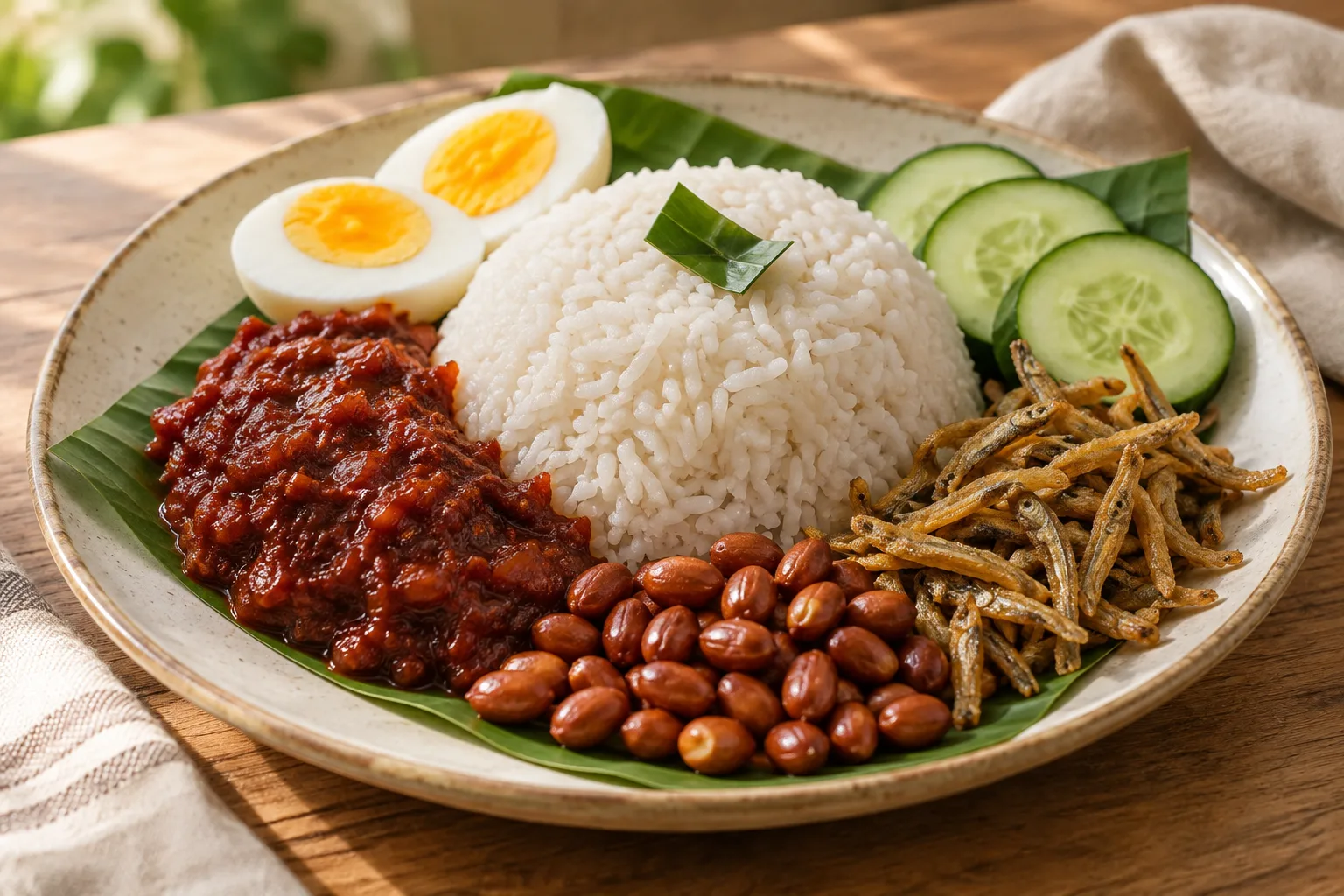
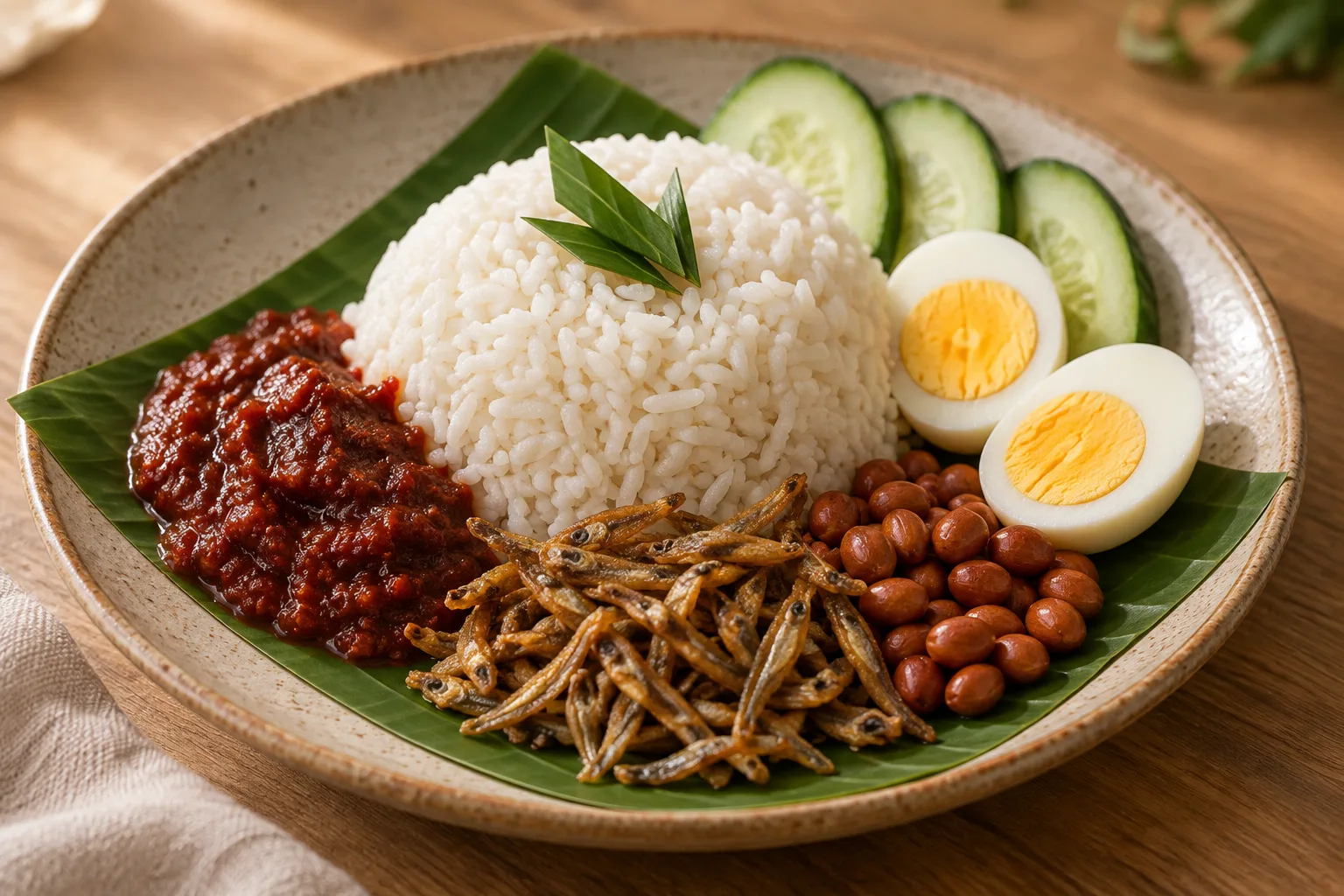
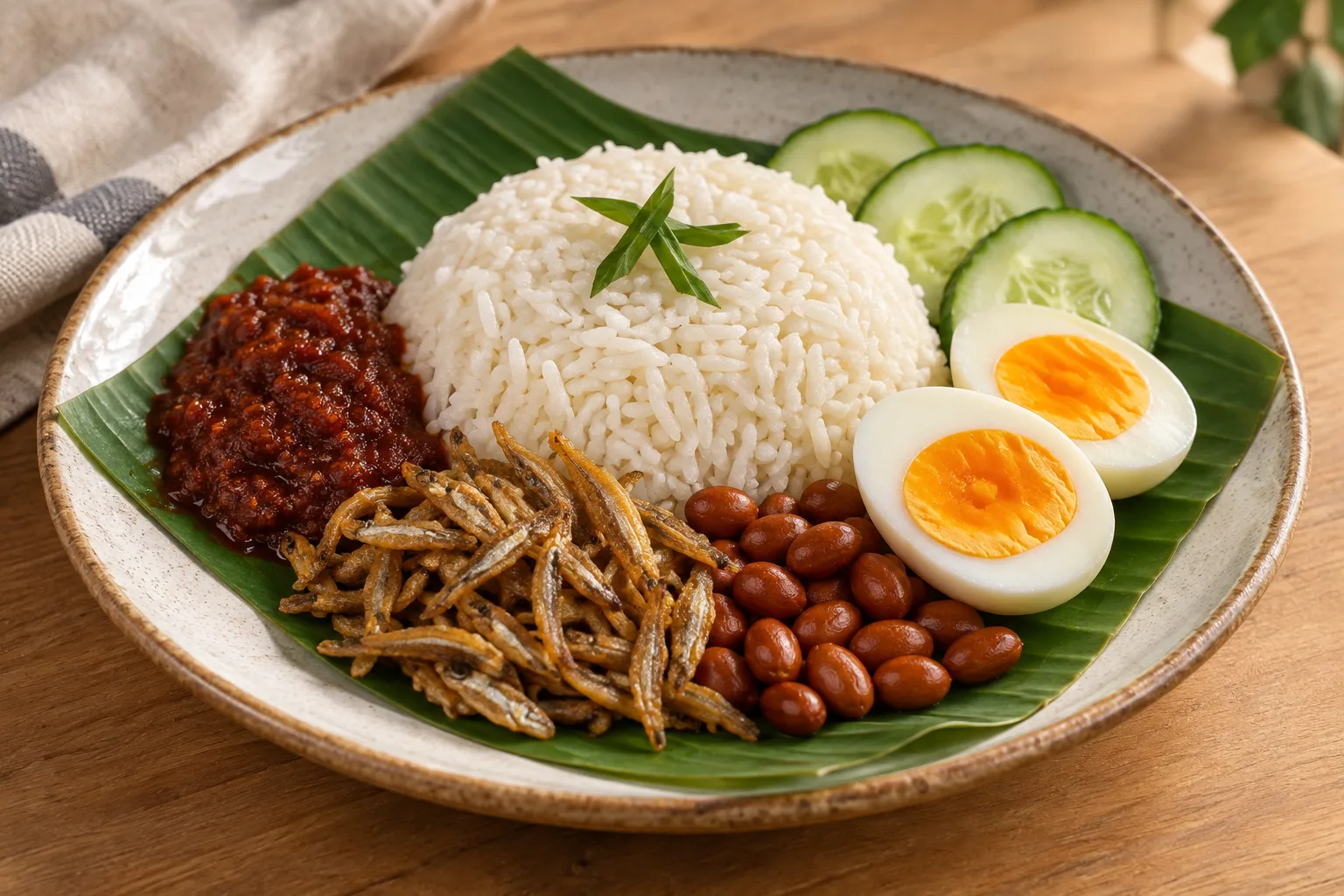
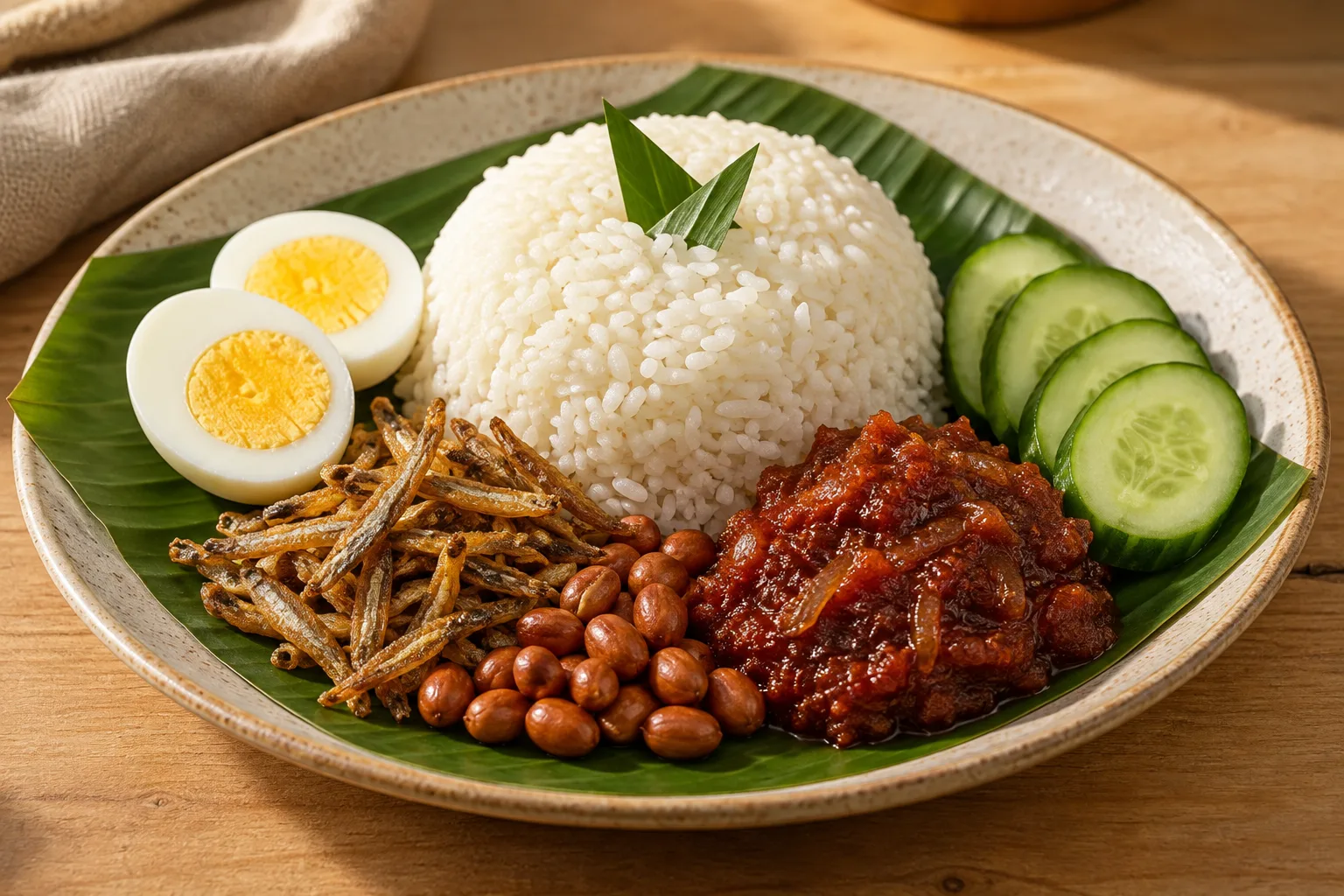
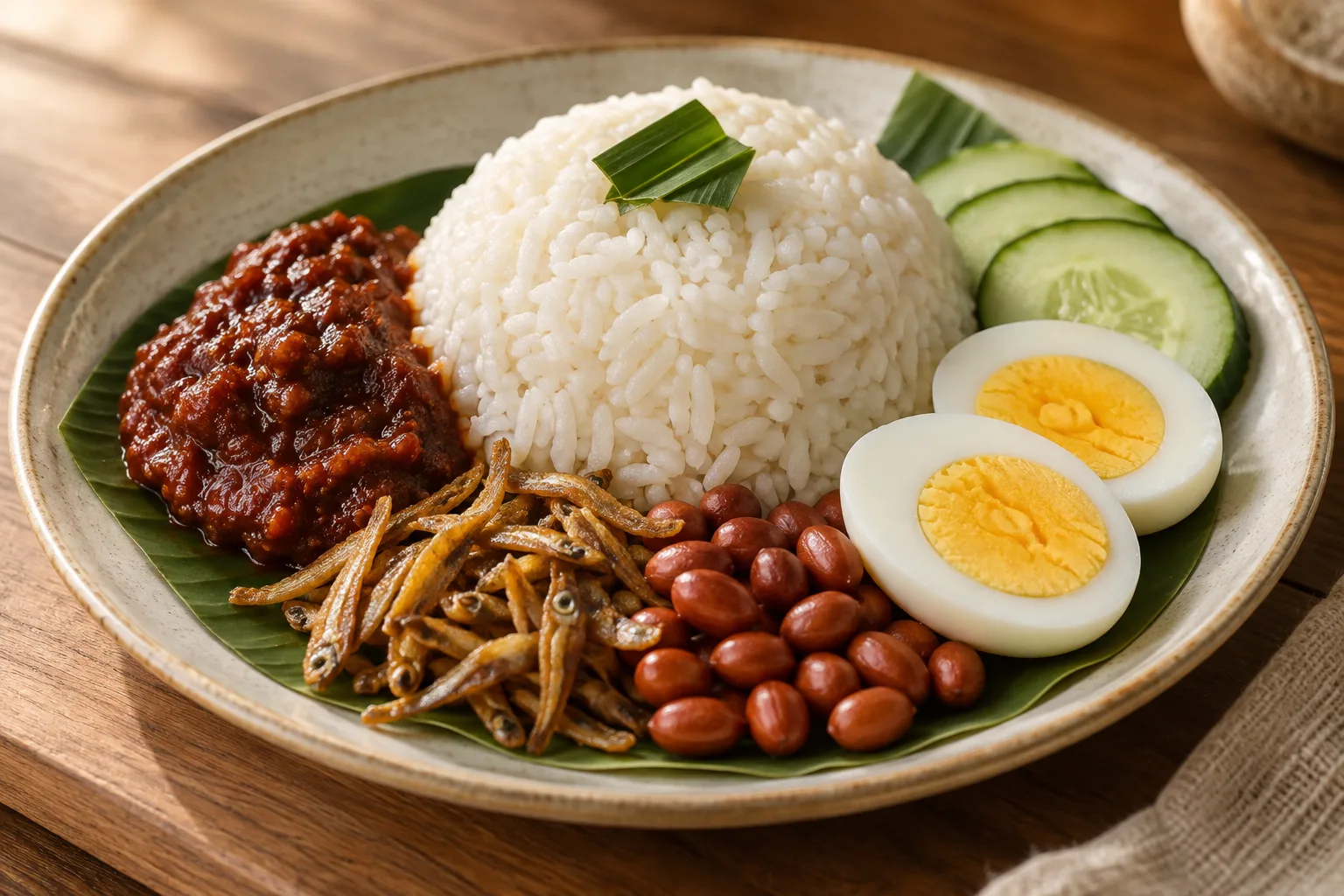
Pandan is an aromatic leaf used to perfume food and drinks. Fresh leaves have a distinctive sweet, herbal fragrance; their flavor is described as subtle and perfumed, and can become more noticeable when the leaves are cooked or infused. Depending on the recipe, they may be used whole, cut or lightly crushed. Frozen and dried leaves, as well as pandan extract, are also available. Some preparations associate pandan with a greenish color, but this is not guaranteed: the result depends on the product and how it is used. In cooking, pandan is chiefly an aromatic ingredient rather than a leaf that must be served for eating.
When to use it
Use pandan leaves when you want to add a sweet, herbal fragrance to a dish rather than a forceful flavor on its own. They can perfume rice, infusions, drinks, creams, doughs and desserts, and may also be used with savory foods. Pandan can play a subtle or more prominent role; the final intensity depends on the format and how the aroma is extracted. Fresh or frozen leaves are suggested for recipes where a more pronounced aroma is wanted. Dried leaves are described as milder and can suit preparations where pandan should accompany rather than dominate the other flavors.
How to use it
To infuse pandan, cut the leaves or crush them lightly and let the heat of the preparation draw out their aroma. You can also cook them with rice or add them to liquids, creams and drinks. To perfume a dish without mixing the leaves into it, roll or tie them together and remove them when cooking is finished. Pandan can be used in steamed preparations and marinades; the final aroma depends on the format and condition of the leaves. For desserts where pandan should stand out, the source suggests fresh or frozen leaves. Do not assume that the leaves will produce an even green color: that effect varies with the product and method of use.
Flavour and texture
Pandan has a distinctive sweet, herbal fragrance, with notes that may be perceived as fresh and slightly floral. Its flavor is described as subtle and perfumed, and often becomes more noticeable when the leaves are cooked or infused. Intensity varies with the format, thickness and condition of the leaf, so results are not always identical. Pandan is also associated with a greenish tone in some preparations, but color depends on the product and technique; do not choose the leaves assuming they will color a dish uniformly.
How to choose it
Check whether the product is clearly identified as fresh, frozen, dried or extract: each format can produce a different aromatic intensity. For fresh leaves, look for a firm appearance, reasonably even color and no excessive spotting. For frozen leaves, the source recommends checking that the package preserves their form and does not contain excessive ice buildup. For dried leaves, avoid those that are overly brittle or have a faded aroma. If you are buying for a specific recipe, choose the format according to whether you want a more pronounced or gentler fragrance.
Storage
Format matters when keeping and using pandan. The source describes fresh leaves as having a shorter usable life and frozen and dried versions as practical options for longer storage, but gives no exact time limits or conditions. Follow the package directions for frozen, dried and extract products. Store each product according to its label, and do not assume fresh leaves will remain in good condition for a particular length of time without specific instructions.
Substitutions
If fresh leaves are unavailable, frozen pandan leaves can work in cooked or infused preparations; their texture may change when thawed. Dried leaves generally provide a gentler aroma and may need a longer extraction, according to the source. Pandan extract is another available format, but its concentration may differ from that of whole leaves. These forms are not automatically interchangeable in equal amounts: adapt the use to the recipe and product instructions.
Common mistakes
A common mistake is expecting fresh, frozen and dried leaves to provide the same aromatic intensity: the source notes that format affects the result. It is also easy to assume pandan will always make food green, although the color depends on the product and method. To avoid a faded aroma, check the condition of the leaves and avoid dried leaves that are excessively brittle. If you want a prominent fragrance, account for the difference before choosing a milder format.
Safety and allergens
The available evidence does not identify a specific safety warning for pandan leaves. Use a product identified for culinary use and follow its package directions; no storage times or conditions are established here.
Culinary uses
- Aromatizar arroces, infusiones, cremas y masas
- Aportar un aroma dulce, herbal y característico
- Añadir un matiz de color en algunas preparaciones
Recommended techniques
- Infusionar cortada o ligeramente triturada
- Cocer o cocinar al vapor junto con el alimento
- Atar o enrollar las hojas para perfumar líquidos y preparaciones
- Usar en marinados
Pairs well with
- Arroz
- Infusiones y bebidas
- Cremas
- Masas y postres
- Preparaciones saladas
Frequently asked questions
What does pandan taste like?
Its flavor is described as subtle and perfumed, with a distinctive sweet, herbal aroma. The intensity can become more noticeable when the leaves are cooked or infused.
How do you use pandan leaves?
Cut or lightly crush them for an infusion, cook them with rice, add them to liquids, or tie them together to perfume a preparation and remove them afterward.
Do pandan leaves turn food green?
Some preparations are associated with greenish tones, but the color depends on the product and how it is used. An even result is not guaranteed.
Which pandan format should I choose?
The source suggests fresh or frozen leaves for a more pronounced aroma; dried leaves are generally milder, and extract is another available format.
Sources and review
Automatically researched, cross-checked and validated content. Sources consulted:
- ¿Por qué la muerte es origen de miedos y tabúes? doi.org
- Nuez (tipo de fruto) - Wikipedia, la enciclopedia libre es.wikipedia.org
- Herbs to Avoid During Pregnancy utep.edu
- Patterns and processes in crop domestication faculty.washington.edu
- Women Farmworkers and Gardening | ReVista revista.drclas.harvard.edu
- LOS POPOL WUJ Y SUS EPISTEMOLOGÍAS digitalrepository.unm.edu
- La Cocina del Sudeste Asiático Marítimo: Islas Llenas de Sabor | Remitly remitly.com
- Especias, hierbas aromáticas o condimentos usados en la cocina ecuatoriana portal.amelica.org