- Category
- Bread and dough
- State
- Dry
- Usual unit
- cup
What it is
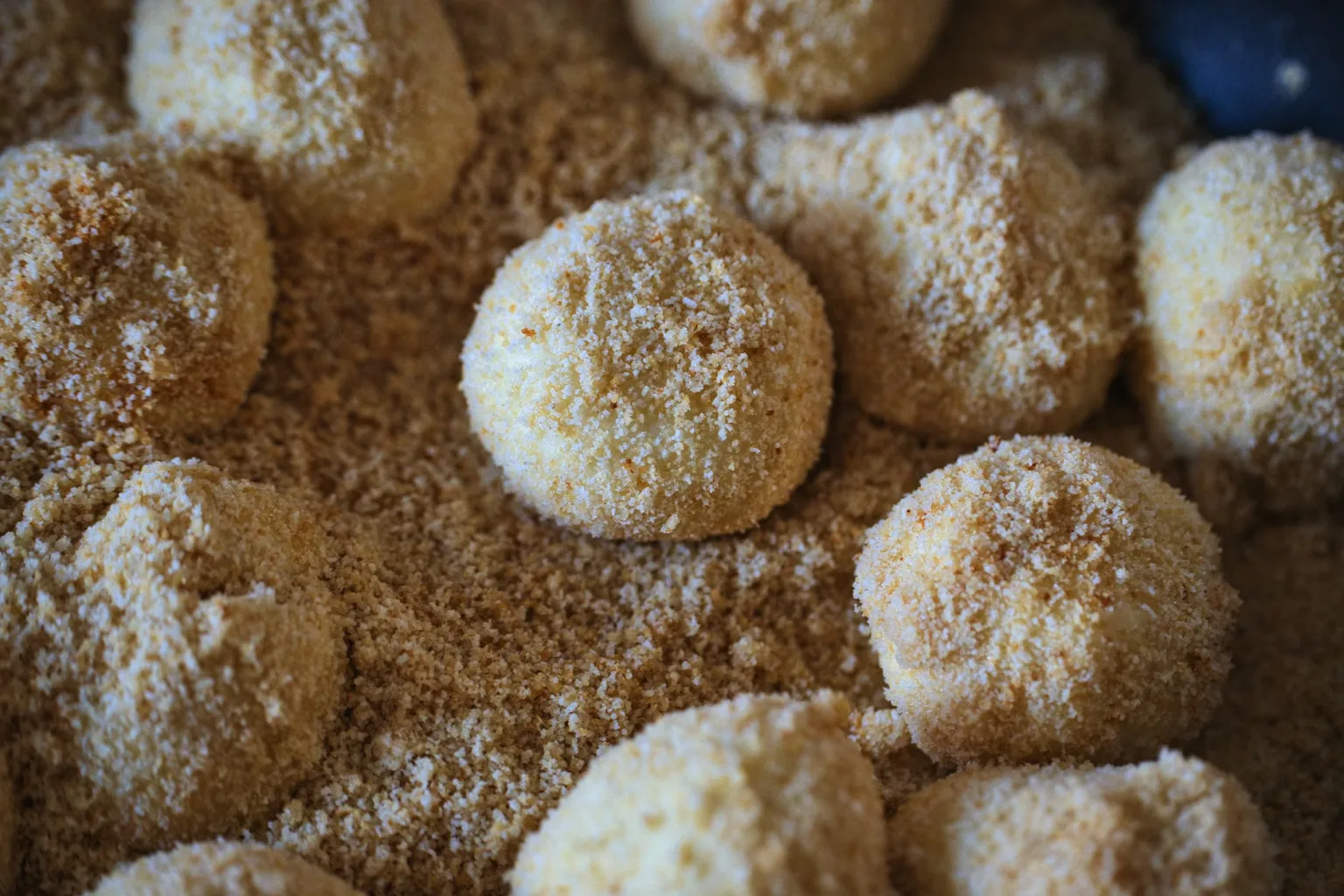
Panko is a type of breadcrumb usually sold as light, irregular flakes rather than a fine powder. Available descriptions make it from bread crumb, often white bread without crust, which is then dried and formed into flakes. Products vary in flake size, shape, and ingredients, so they do not all have the same texture or cook in exactly the same way. Panko is used as a coating for breaded foods and as a crunchy topping for oven-cooked dishes. Traditional panko may contain wheat and gluten, although alternatives made with other ingredients are also sold; always check the product label.
When to use it
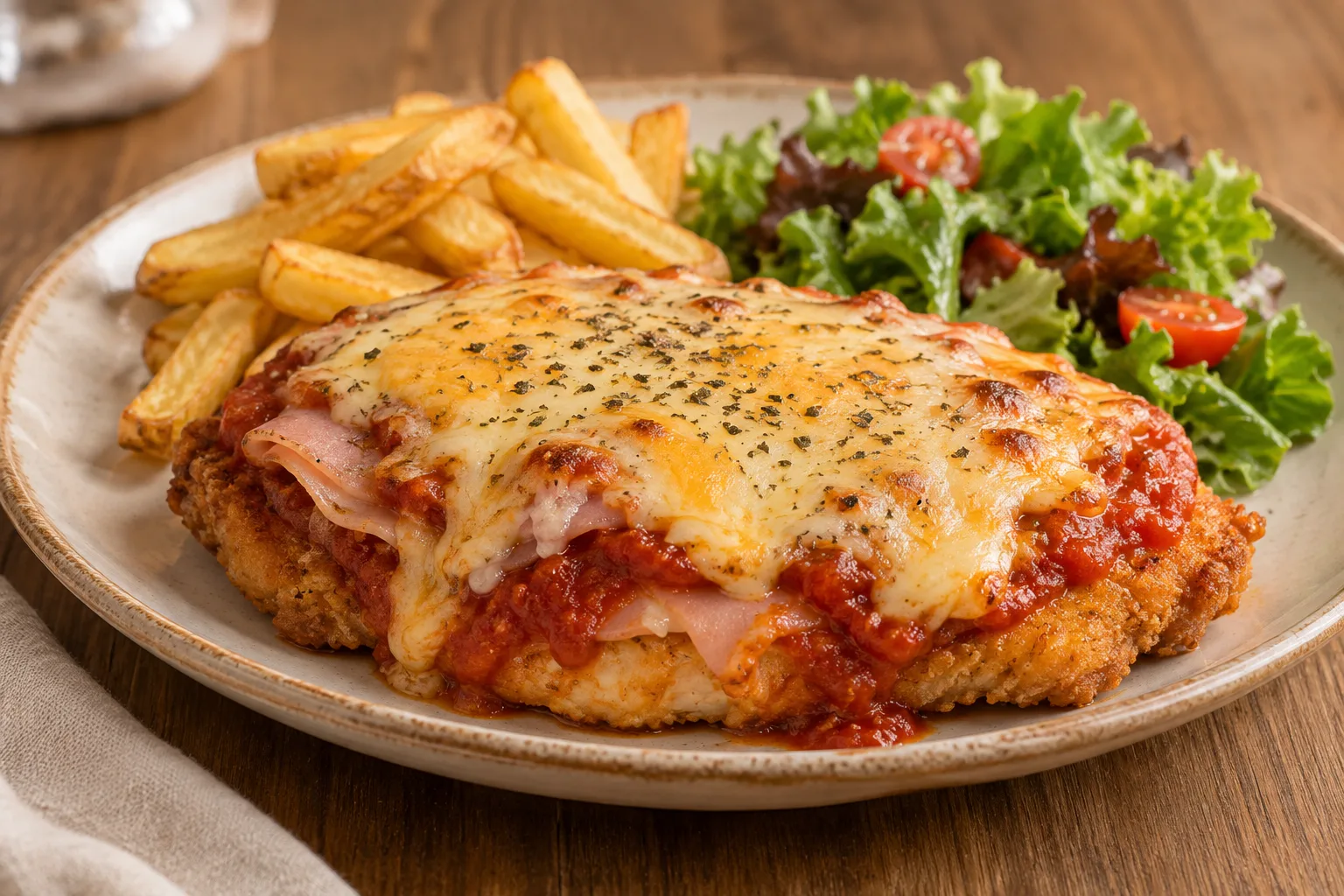
Choose panko when you want a coating with visible flakes and a crisp result on breaded fish, seafood, chicken, pork, or vegetables. It can also coat croquettes and add a crunchy surface to a gratin. Its flakes often make a lighter, more open coating than fine breadcrumbs, but the result depends on flake size and the preparation. If a recipe needs a compact texture or relies on crumbs as a binder, regular breadcrumbs may be a better fit. For gluten-free cooking, check that the product is specifically labelled as suitable.
How to use it
For a coating, prepare the food using the breading sequence specified by your recipe, then finish by covering it with panko. Some recipes use egg to help the flakes adhere; press only enough to attach them without crushing the flakes together. Cook the food using the method and doneness specified for that ingredient: panko is used in both fried and oven-cooked dishes. You can also scatter it over a gratin for a crunchy surface or add it as a topping near the end of preparation. Flake size varies among products, so observe the coating and adjust the amount to the recipe rather than assuming every panko behaves identically.
Flavour and texture
Its flavor is mainly bread-like and usually mild, so seasonings in the recipe can come through. The defining feature is its texture: flakes tend to be larger, more open, and lighter than fine breadcrumbs, and can form a crisp coating. Products differ in flake size and shape, so the crunch and density of the coating vary. Panko is not the same as tempura batter: it gives a crumb coating, not a layer of batter.
How to choose it
Compare flake size and shape with the finish you want: products range from finer to coarser. Read the ingredient list and allergen information, especially if you need to avoid wheat or gluten; alternative versions exist, but do not assume all panko is gluten-free. Check whether the product is plain or seasoned, since seasoned varieties can change the flavor of a dish. The package should clearly identify the product and provide storage instructions.
Storage
Follow the package storage instructions first, because the available evidence does not establish one universal shelf life for all commercial products. Reseal the package after opening and keep the crumbs from becoming damp. For homemade panko, one culinary source recommends storing it fully cooled in an airtight container in the refrigerator for a few days; another suggests freezing it for longer storage. Since products and recommendations vary, do not apply that time period to commercial panko.
Substitutions
Regular breadcrumbs can replace panko, but they usually make a finer, denser coating; they can also work better when a recipe needs crumbs to bind. Gluten-free panko products made with alternative ingredients, such as rice or corn, are available, but check the label and allergen information. Crushed cornflakes are another coating option, although they change the flavor and texture. No substitute reproduces every feature of panko flakes exactly.
Common mistakes
Do not assume every panko has the same flake size, ingredients, or cooking performance: products differ, and the result also depends on the recipe. Avoid grinding the flakes to powder if you want an open, crisp coating. Do not confuse panko with tempura, which is a batter. Finally, do not assume panko is always gluten-free or that it can replace compact binding crumbs without changing the result.
Safety and allergens
Check the label for ingredients and allergens, and follow the package storage instructions. Use the product while it is in good condition and do not use it if you notice changes; the available sources provide no specific official warning for panko.
Culinary uses
- Cobertura crujiente para rebozados
- Topping para gratinados
- Acabado crujiente para platos y guarniciones
Recommended techniques
- Rebozar alimentos y freírlos
- Rebozar y cocinar al horno
- Espolvorear sobre preparaciones para gratinar
- Añadir al final como topping crujiente
Pairs well with
- Pescado y marisco
- Pollo y cerdo
- Verduras
- Croquetas y rellenos
Frequently asked questions
How is panko different from fine breadcrumbs?
Panko usually comes as larger, airier flakes, while fine breadcrumbs tend to make a more compact coating. Individual products can vary.
Can panko be used for gratins?
Yes. It can be scattered over oven-cooked dishes to add a crunchy surface, as well as used for breaded coatings.
Does panko contain gluten?
Panko made from wheat bread contains wheat and gluten. Alternative versions are also available; check the label to confirm the ingredients.
Estimated nutrition
- Fat
- 0 g
- Saturates
- 0 g
- Carbohydrate
- 75 g
- Sugars
- 0 g
- Fibre
- 5 g
- Protein
- 5 g
- Salt
- 3.88 g
Sources and review
Automatically researched, cross-checked and validated content. Sources consulted:
- ¿Por qué la muerte es origen de miedos y tabúes? doi.org
- Pan - Wikipedia, la enciclopedia libre es.wikipedia.org
- Client Challenge doi.org
- mezcla de especias estilo italiano Archives | Dinner Tonight dinnertonight.tamu.edu
- ¿Qué es el panko? Descubre este pan rallado japonés sibuyaurbansushibar.com
- ¿Qué es el panko? el pan rallado japonés que está de moda | Ibercook Food Service ibercook.com
- Panko frente al pan rallado normal: usos comerciales jiudufood.com
- Todo sobre el panko directoajapon.com
- Qué es el Panko: análisis y comparativa de los mejores productos para hacer comida asiática thaibistro.es
- Panko casero, cómo hacer el pan rallado japonés de forma fácil en casa bonviveur.com
- Pan rallado vs. panko: descubre las diferencias | Gastronosfera gastronosfera.com
- El pan rallado como alternativa a los picatostes, una buena opción en algunas recetas | Gastronomía & Cía gastronomiaycia.com
- Pan Rallado y Panko Caseros - Tia Clara tiaclara.com
- Alternativas al pan rallado: 12 ideas sanas y crujientes hogarmania.com
- Cómo hacer panko casero. Receta de pan rallado japonés abc.es