- Category
- Nuts and seeds
- State
- Fresh
- Usual unit
- cup
What it is
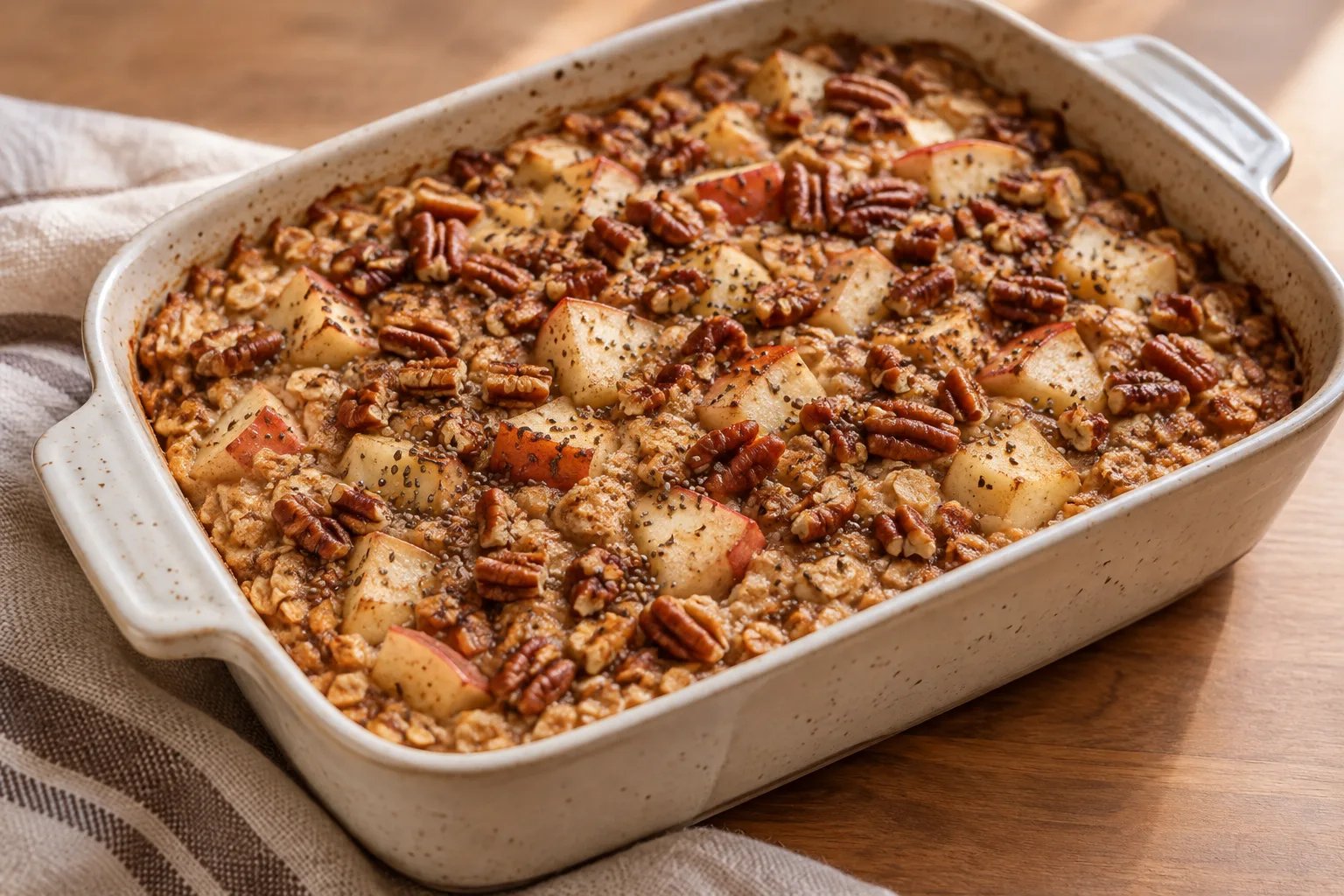
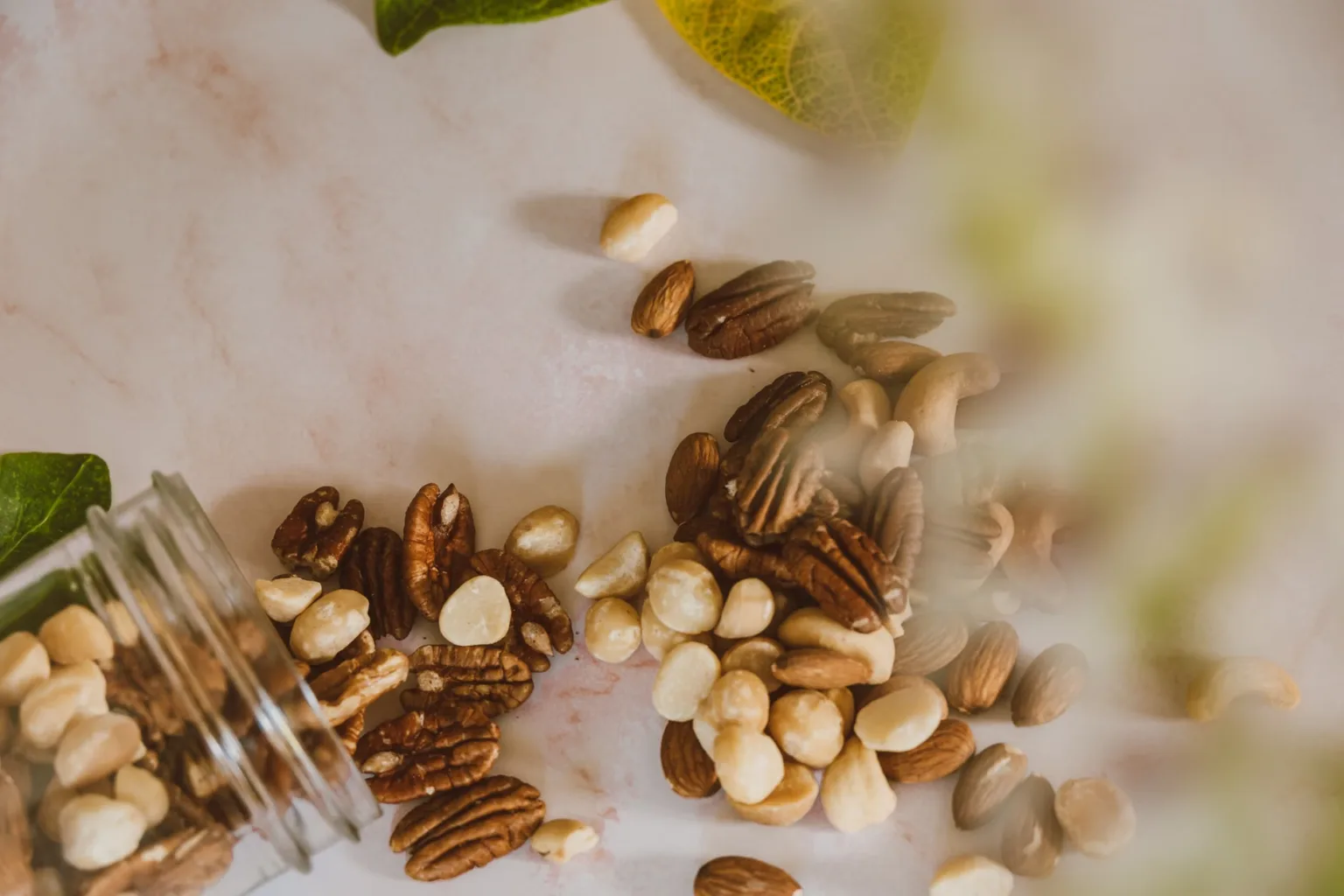
Pecans are the edible seeds of the Carya illinoinensis tree, in the Juglandaceae family. They are generally more elongated than common walnuts and have a milder, sweeter, more buttery flavor. They are sold in the shell or shelled, whole or chopped; variety and processing can affect their appearance and texture. In cooking, pecans can be the main ingredient, as in pecan pie, or used in smaller amounts to add flavor and texture to everyday dishes.
When to use it
Use pecans when you want a delicate crunch and a sweet, buttery note without the more pronounced bitterness that common walnuts can have. They are especially suited to pies, cookies, brownies and cakes, but can also add contrast to salads, vegetable soups and roasted vegetables. Add them whole or chopped, depending on the texture you want. If a recipe is already very sweet, try a small amount first so the pecan flavor does not get lost.
How to use it
Eat pecans on their own or add them whole, halved or chopped to a dish. Fold them into cookies, brownies, cakes, pies and granola; they also work as a topping for salads or vegetable soups and in fillings. A light toast before use can bring out their aroma; watch them closely and avoid scorching, which can make the flavor unpleasant. For an even distribution in a batter, chop them into similar-sized pieces. In savory dishes, balance their sweetness with ingredients that are more robust or slightly tangy.
Flavour and texture
Pecans are typically mild, sweet and buttery, with a more pronounced toasted note after roasting. Their texture is crisp, though the bite can feel tender and slightly creamy. Flavor and texture vary among products and varieties; chopped pecans may also seem less crisp than whole halves.
How to choose it
Choose a well-sealed package and check the product details to see whether the pecans are plain, roasted, salted or sweetened. If possible, look for kernels that appear whole rather than excessively shriveled, soft or crumbled. Size, shape and color can vary by variety, so these alone are not reliable indicators of quality.
Storage
Keep pecans sealed in a cool, dry place, away from foods or materials with strong odors: pecans can absorb aromas, and their fat can become rancid over time. Shelled pecans benefit from refrigeration to help maintain quality. If you buy a large quantity, set aside what you will use soon and protect the rest from air and moisture; follow the package directions.
Substitutions
Common walnuts can replace pecans in a similar amount, but their flavor is stronger and may be more bitter. Chopped hazelnuts or almonds also add crunch, though they change the flavor of the dish. In baking, remember that a substitute may alter the result; do not assume the flavor or outcome will be identical.
Common mistakes
Do not leave pecans over heat for too long when toasting: scorching makes their flavor harsh. Avoid storing them open near strongly scented items, since they can absorb odors, and do not assume salted or sweetened pecans will work like plain ones in a recipe.
Safety and allergens
Pecans can cause an allergic reaction. If you have a tree-nut allergy, do not eat them unless you have confirmed they are safe for you; check package allergen information or ask the food provider. Do not use a product with damaged packaging or storage conditions you cannot verify.
Culinary uses
- Aporte crujiente para ensaladas, cremas y platos salados
- Fruto seco protagonista o complemento en repostería y postres
Recommended techniques
- Picar o trocear para añadir a masas, rellenos y coberturas
- Tostar suavemente para intensificar el aroma antes de incorporarlas
Pairs well with
- Manzana o pera y hojas verdes
- Queso de cabra o azul y vinagretas suaves
- Calabaza o boniato asados
Frequently asked questions
Can pecans be eaten raw?
Yes. They can also be chopped or lightly toasted for use in sweet and savory dishes.
What recipes use pecans?
They are common in pies, cookies and brownies, and can add texture to salads, soups and roasted vegetables.
How should pecans be stored?
Keep them sealed in a cool, dry place away from strong odors. Refrigeration can help maintain the quality of shelled pecans.
Estimated nutrition
- Fat
- 72 g
- Saturates
- 6.18 g
- Carbohydrate
- 13.9 g
- Sugars
- 3.97 g
- Fibre
- 9.6 g
- Protein
- 9.17 g
- Salt
- 0 g
Sources and review
Automatically researched, cross-checked and validated content. Sources consulted:
- En el etiquetado alimentario hay algunas menciones que son obligatorias eletiquetadocuentamucho.aesan.gob.es
- Client Challenge doi.org
- Aesan - Agencia Española de Seguridad Alimentaria y Nutrición aesan.gob.es
- Commercial storage of whole and diced almonds, pecans and hazelnuts? | Postharvest Research and Extension Center postharvest.ucdavis.edu
- Ask IFAS: Topic - Nueces pecanas edis.ifas.ufl.edu
- Un calendario para productores de nueces pecanas | Oklahoma State University extension.okstate.edu
- Storing Pecans | New Mexico State University - BE BOLD. Shape the Future. pubs.nmsu.edu
- Pecan Processing & Storage | Fruit & Nut Research & Information Center ucanr.edu
- Food Safety and Preservation s3.wp.wsu.edu
- Nueces pecanas, la prima más dulce de la nuez: qué son, cuáles son sus propiedades y cómo usarlas en la cocina directoalpaladar.com
- Nueces Pecanas propiedades, beneficios y cómo comerlas teresamate.es
- Nueces pecanas: qué son, propiedades y cómo usarlas en la cocina abc.es
- Nueces pecanas: qué son, propiedades y contraindicaciones bonviveur.com
- Origen y propiedades de las Nueces Pecanas - Aperitivos LA REAL aperitivoslareal.com
- Nueces pecanas: ¿por qué son perfectas para su uso en repostería? hola.com
- Nueces pecanas: propiedades y recetas dulces y saladas finedininglovers.com
- Nuez pecana, la reina de los frutos secos basmatic.com