- Category
- Nuts and seeds
- State
- Dry
- Usual unit
- g
What it is
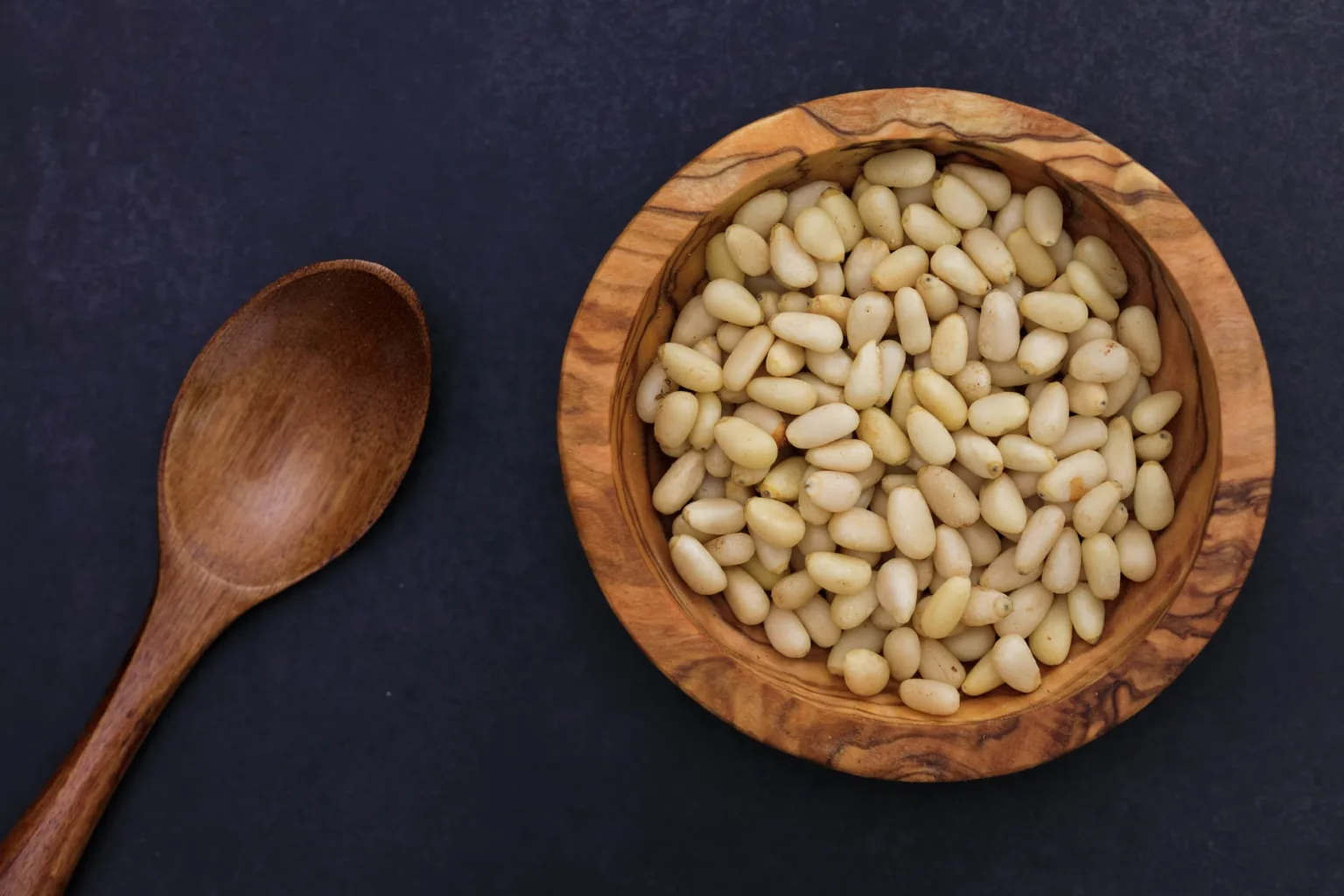
Pine nuts are the edible seeds found inside the cones of certain pine species. Although they are often grouped with nuts in cooking, botanically they are seeds. They are usually sold without their outer shell, with an elongated shape and a pale color, though appearance and flavor can vary by species. Their delicate character makes them useful whole, chopped, or ground in both savory and sweet dishes. They are a familiar ingredient in pesto and can also add a crisp accent to pasta, salads, rice dishes, and desserts.
When to use it
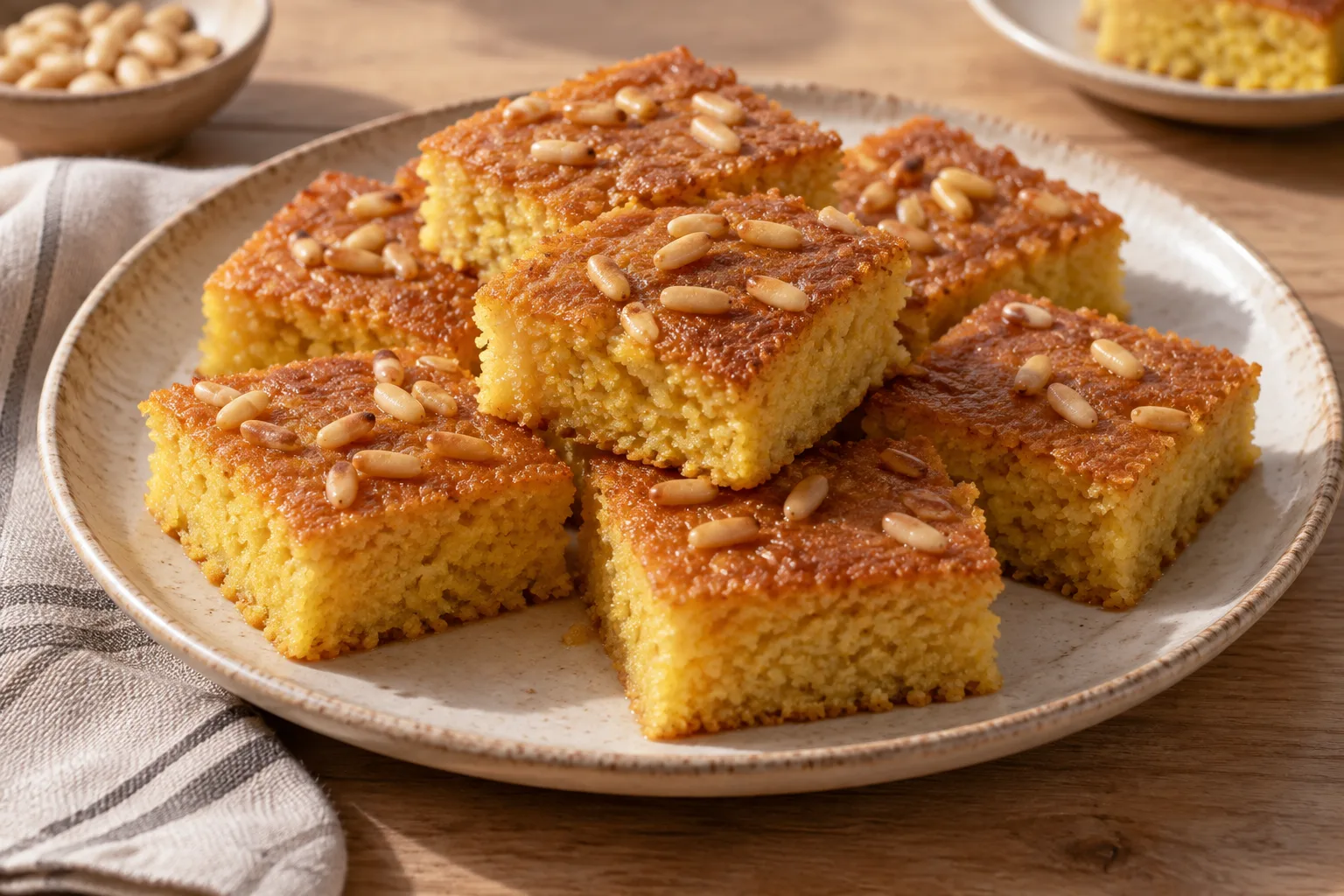
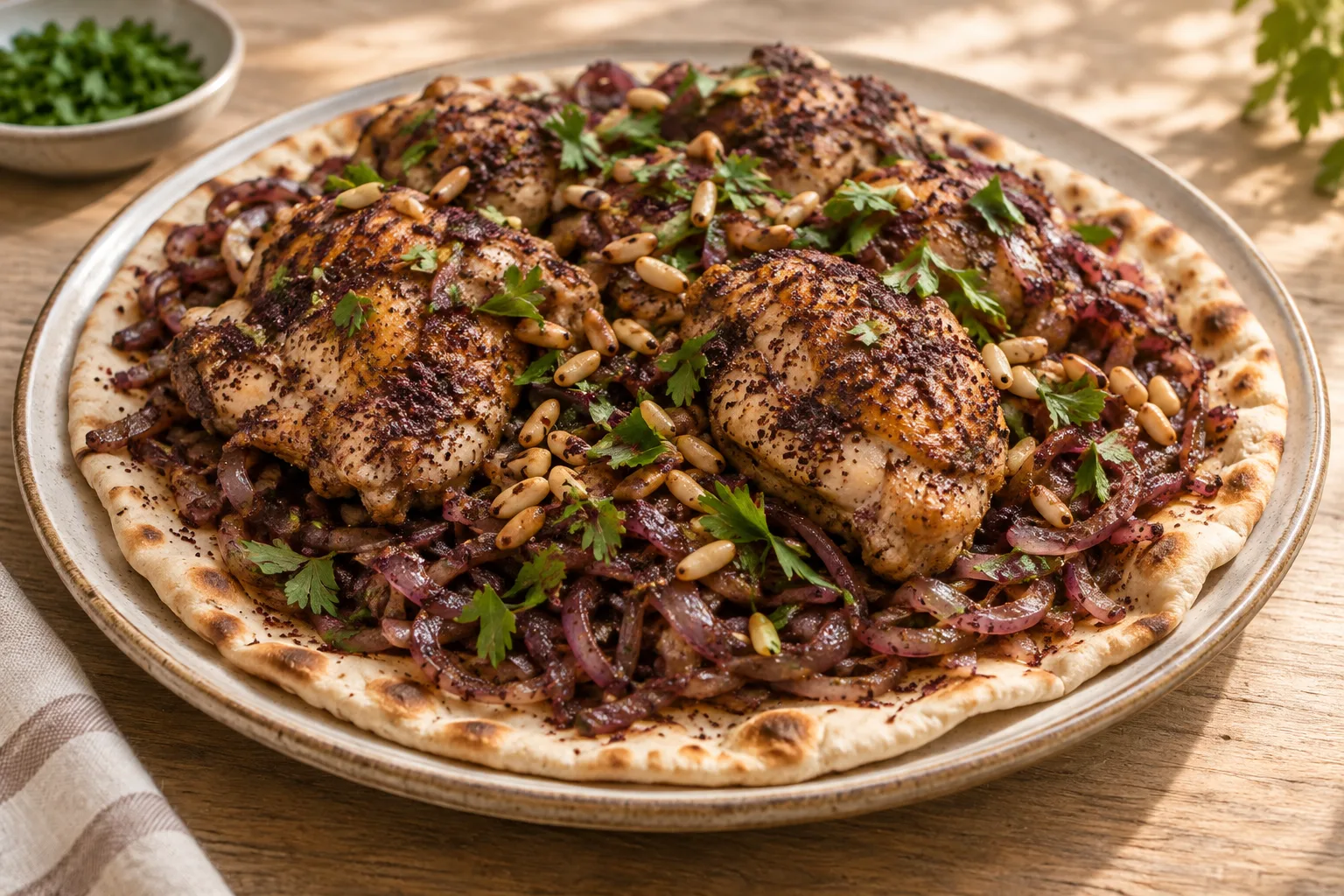
Use pine nuts when you want a mild, buttery, slightly sweet note that does not overpower a dish. They work well blended into sauces such as pesto, sprinkled over pasta or salads, mixed into rice and vegetables, or added to fillings and desserts. Whole nuts provide little bursts of texture; ground nuts blend more smoothly into a sauce or creamy preparation. For a more pronounced aroma, toast them gently and add them near the end so they retain some texture.
How to use it
Pine nuts can be used whole, chopped, or ground. For pesto, blend them with basil, garlic, Parmesan, and olive oil, adjusting the texture to suit your preference. You can also add them directly to salads, pasta dishes, or rice, or mix them into a filling. For a deeper flavor and crisper texture, toast them gently in a dry pan and watch closely; their small size means they can go from golden to burnt quickly. Let them cool, then add them near the end of cooking. In desserts, use them whole or chopped as an addition to a batter or topping.
Flavour and texture
Their flavor is delicate, mild, and slightly sweet, with a buttery quality and a tender texture when raw. Toasting brings out a deeper note and makes the surface crisper. Shape, color, and flavor nuances can vary between species and products, so a difference in appearance is not necessarily a sign of a problem. A distinctly bitter or rancid taste is a reason to check their freshness before use.
How to choose it
Choose pine nuts that look consistent, smell clean, and show no visible signs of moisture or spoilage. Since shape and color can vary by species, do not judge quality by size or shade alone. Check that the package is intact and read its ingredient and allergen information. If buying them in bulk, look for nuts protected from moisture and strong odors. Do not use pine nuts that taste rancid or markedly bitter.
Storage
Keep pine nuts in a tightly closed container in a cool, dry place away from light. Their fat content can contribute to rancid flavors if they are stored for too long or exposed to air. Follow the package directions and check their smell and taste before use, especially after opening. Do not use them if they smell unpleasant or taste rancid or strongly bitter. The available evidence does not establish a universal storage period for every product.
Substitutions
Cashews or macadamia nuts can stand in for pine nuts when a recipe calls for a tender texture and mild flavor. The result will not be identical: a substitute can change the intensity, shape, and consistency of a sauce or dish. For pesto, blend the alternative with the other ingredients and adjust the amount and texture gradually. Always check labels, since alternative nuts may be unsuitable for people with allergies.
Common mistakes
Do not toast pine nuts unattended: their small size means they can quickly go from golden to burnt and bitter. Avoid leaving them open, exposed to light, or in a damp place, as they can lose quality and develop rancid flavors. Do not assume every pine nut will have exactly the same size or color. If the smell or taste is unpleasant, rancid, or distinctly bitter, do not try to disguise it in a sauce.
Safety and allergens
Pine nuts can cause an allergic reaction. If you have a known food allergy, check the label and avoid the product if you cannot confirm it is suitable for you. Do not use pine nuts with an unpleasant smell or rancid taste.
Culinary uses
- ingrediente para salsas y pesto
- guarnición crujiente para platos salados y dulces
Recommended techniques
- tostar suavemente
- triturar o moler
- añadir sin cocinar
Pairs well with
- albahaca, ajo, parmesano y aceite de oliva
- pasta, ensaladas y postres
Frequently asked questions
Are pine nuts nuts or seeds?
They are edible seeds from certain pine species. They are often grouped with nuts in cooking, but botanically they are seeds.
Do pine nuts need to be toasted before use?
No. You can use them raw or toast them gently for a deeper aroma and a crisper texture. Watch them closely so they do not burn.
How can I tell if pine nuts have gone rancid?
An unpleasant smell or a distinctly rancid or bitter taste is a reason not to use them. Store them closed, in a cool, dry place away from light.
Estimated nutrition
- Fat
- 60.6 g
- Saturates
- 9.09 g
- Carbohydrate
- 18.2 g
- Sugars
- 3.03 g
- Fibre
- 9.1 g
- Protein
- 12.1 g
- Salt
- 0.08 g
Sources and review
Automatically researched, cross-checked and validated content. Sources consulted:
- Client Challenge doi.org
- The Essential Glossary of Cooking Terms for the Culinary Arts - Escoffier escoffier.edu
- tico en la alergia alimentaria aesan.gob.es
- Growing Together: Strengthening La Conde’s Community Kitchen & Programs wp.wpi.edu
- Dynamic Duo: A Powerhouse Team of Alumni Sous Chefs | Institute of Culinary Education ice.edu
- CIA Culinary School Blog | Culinary Institute of America ciachef.edu
- Cookery, Shopping, and Meal Planning Guides - Government Recipes and Cookbooks - Guides at University of North Texas guides.library.unt.edu
- Remembering Jan Longone | University of Michigan Library lib.umich.edu
- Food Waste Reduction Strategies in Supermarkets scholarworks.waldenu.edu
- What Restaurants Can Teach Us about Reducing Food Waste - - Johns Hopkins Center for a Livable Future clf.jhsph.edu
- Food Composition and Heat Treatment with Special Emphasis ... digitalcommons.unl.edu
- Piñones: origen, propiedades, usos en la cocina y 21 recetas para usar uno de los frutos secos más queridos (y caros) del mercado directoalpaladar.com
- ▷ Propiedades de los piñones y en qué recetas puedes utilizarlos | Blog turronesydulces.com
- Piñones: qué son, origen, beneficios y usos culinarios bonviveur.com
- Qué son los piñones y por qué incluirlos en tu alimentación agrabamx.com