- Category
- Nuts and seeds
- State
- Fresh
- Usual unit
- tablespoon
What it is
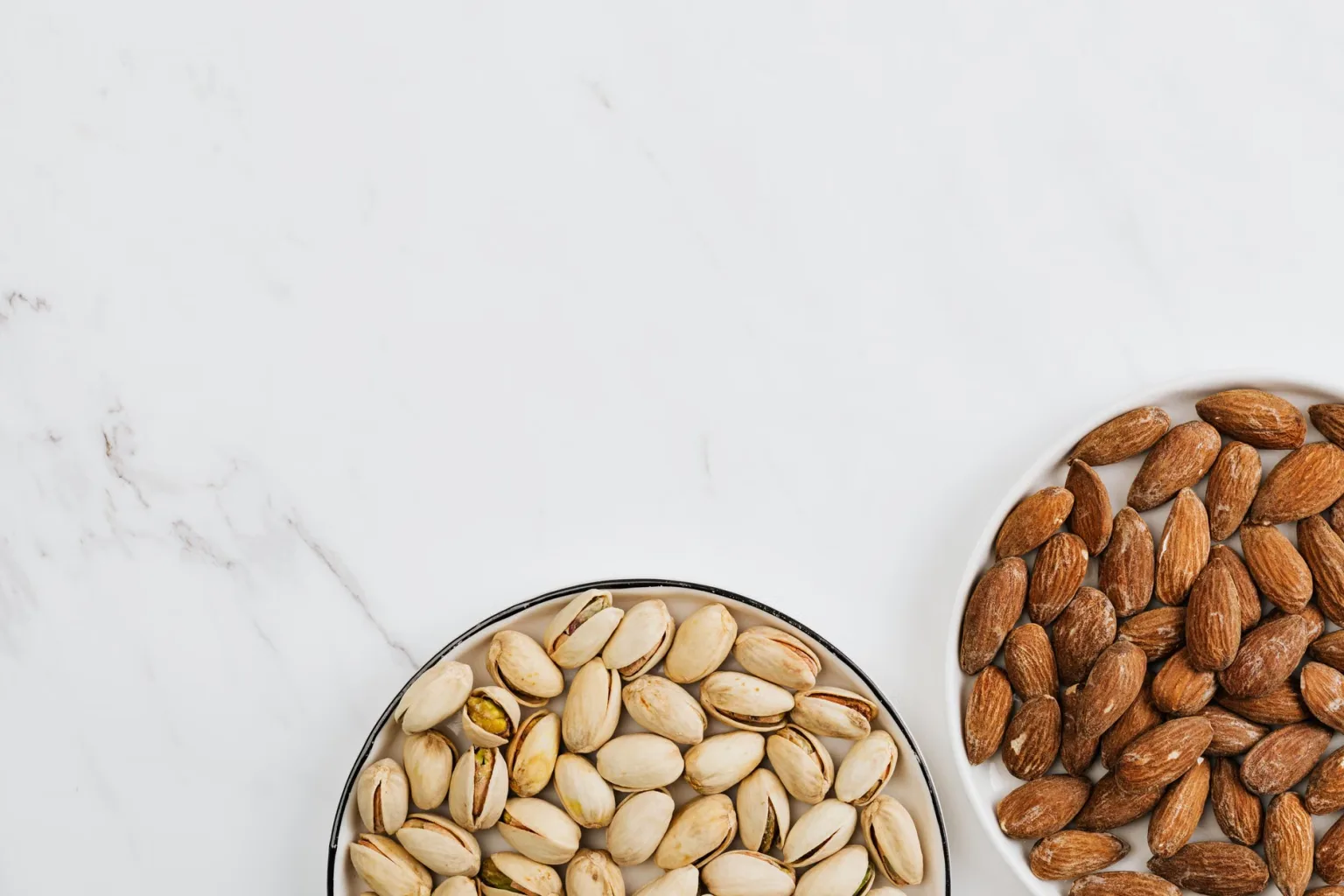
The pistachio used in cooking is the edible seed of the pistachio tree, Pistacia vera. Although commonly called a nut, botanically it is a seed enclosed in a hard shell within a drupe. Pistachios are sold in the shell or shelled, and may be raw or roasted, sometimes salted as well. Their green color and firm texture make them useful both as an ingredient and as a visual finishing touch. Shape and flavor intensity can vary with the product and its processing, so choose a form that suits the dish you have in mind.
When to use it
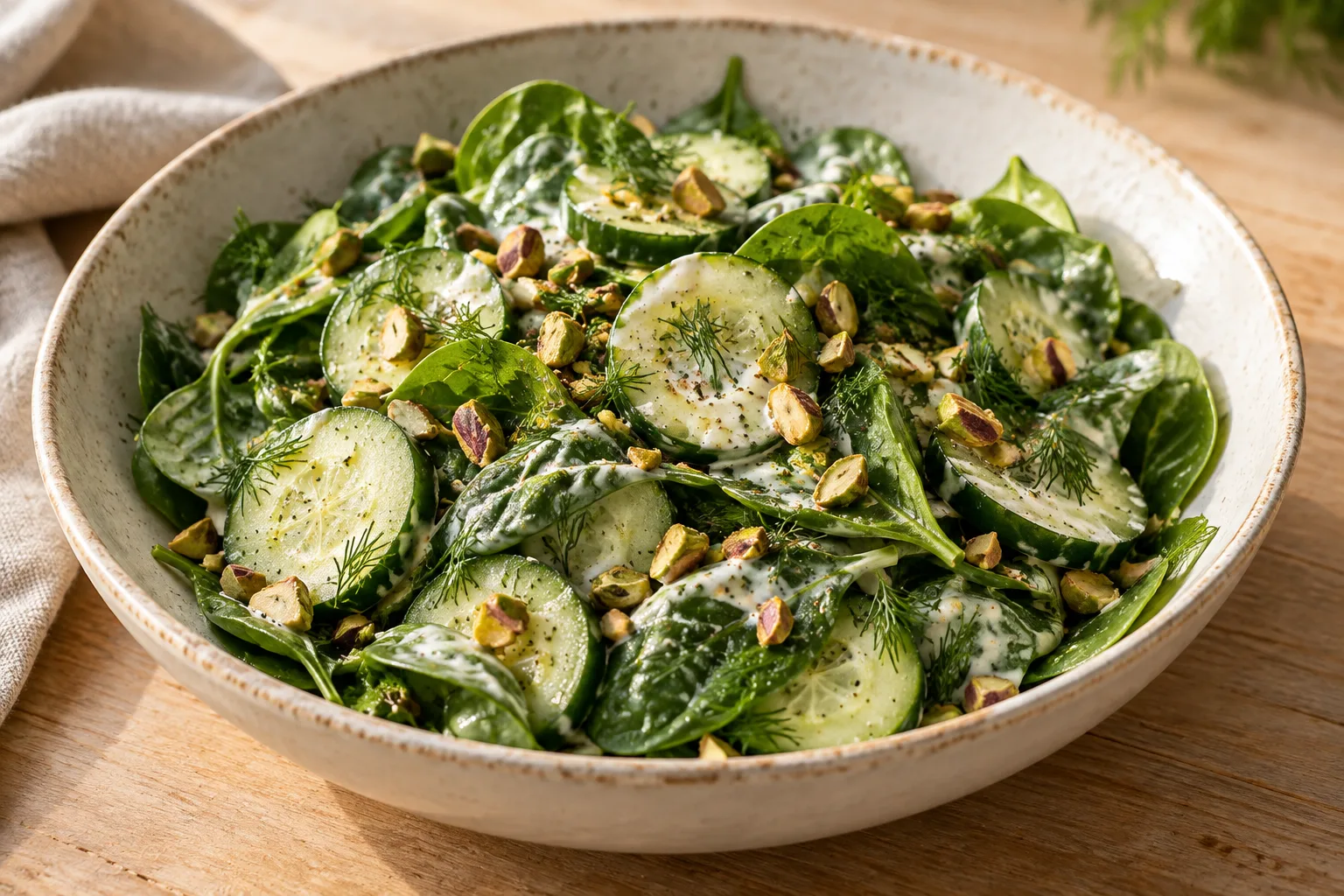
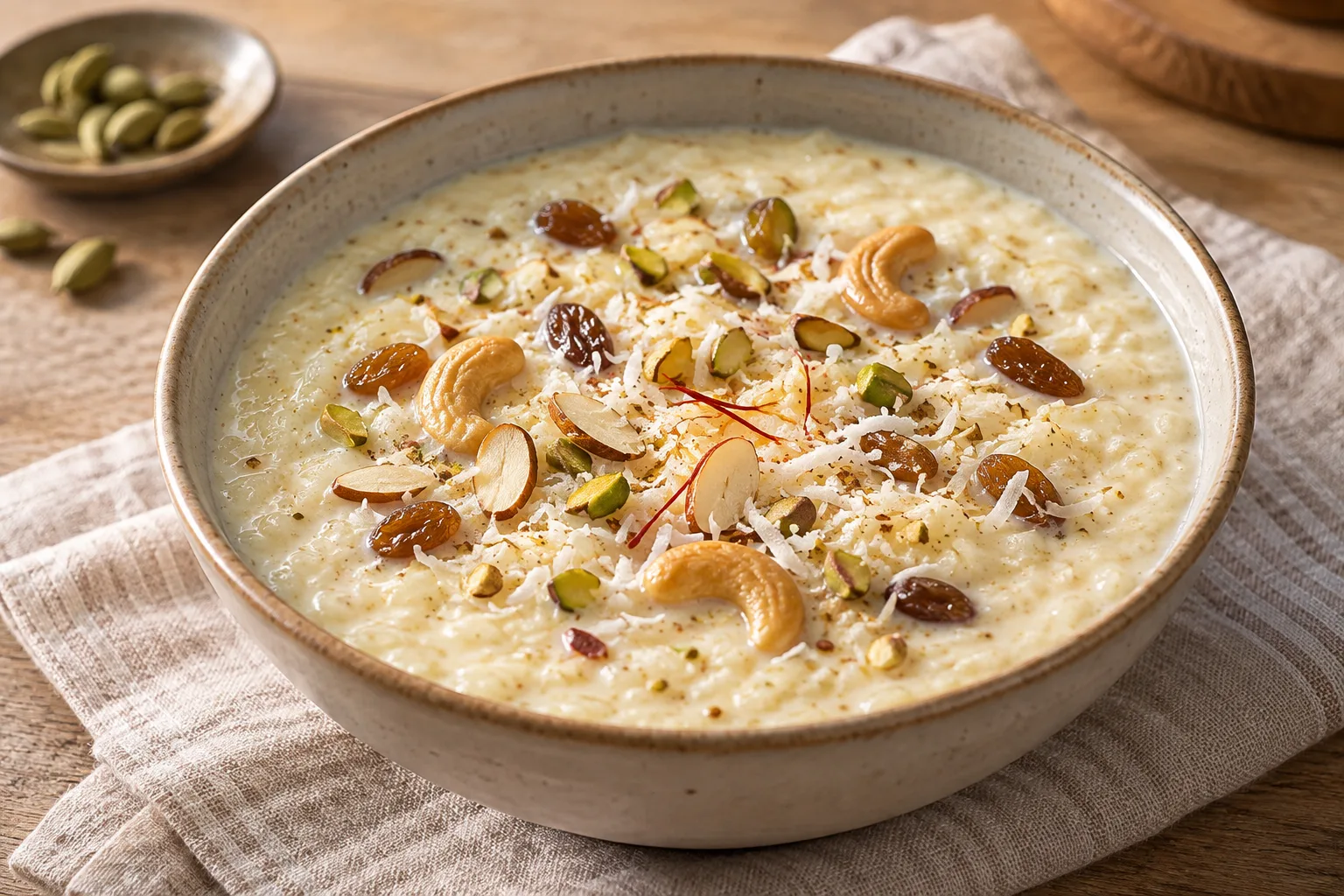
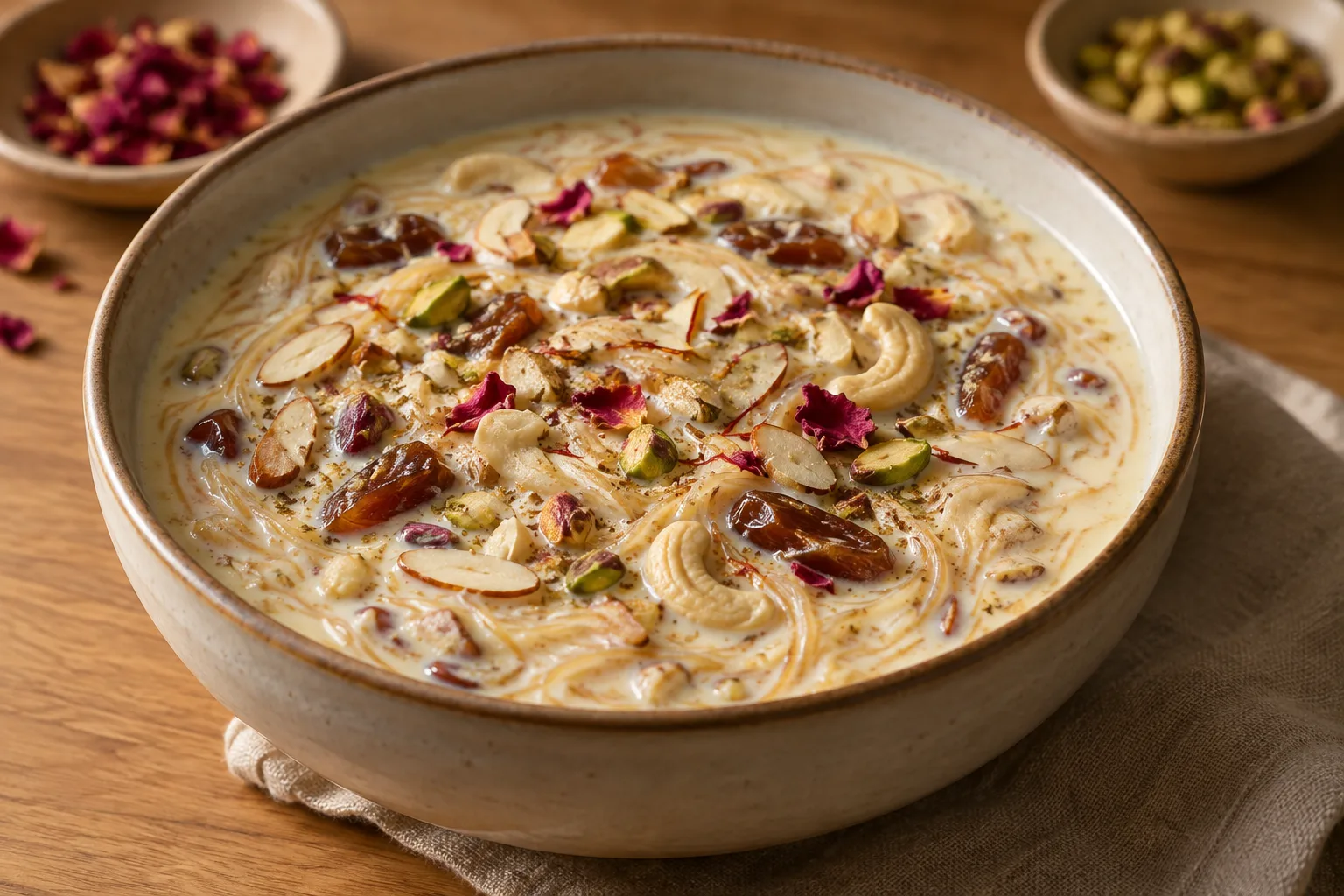
Use pistachios when you want to add crunch, green color, or a roasted flavor to a dish. Whole or chopped, they work as a snack and as a topping for salads, rice or pasta dishes, vegetable dishes, and desserts. Blended pistachios can be part of a sauce or spread. In baking, they add texture to doughs, fillings, and toppings. Roasted pistachios have a stronger flavor, while raw ones are milder. If the pistachios are salted, account for that before adding more salt to the recipe.
How to use it
Open in-shell pistachios and remove the shells; shelled pistachios can be used directly. For a crunchy finish, chop them with a knife and add them at the end to salads, rice, pasta, vegetables, or desserts. For a smoother result, blend them and use them in a sauce, cream, or spread, adjusting the consistency with the other recipe ingredients. You can also toast pistachios to intensify their aroma, taking care not to burn them. Roasted and salted pistachios are convenient as a snack but may change a dish’s salt balance. For extra visual appeal, reserve a few pieces to scatter on top.
Flavour and texture
Pistachios have a nutty flavor with mild, slightly sweet notes; roasting makes their aroma and flavor more pronounced. The whole seed is firm and crunchy, while chopped pistachios add small bursts of texture. Blended pistachios can give body to a sauce or cream. Their color is usually green, though it varies between products and should not be used on its own to judge quality. Salted versions also contribute a savory saltiness that can carry through the whole dish.
How to choose it
Choose a form that fits the recipe: in-shell for snacking, shelled for easy chopping or blending, and roasted when you want a more pronounced flavor. Pistachios are also sold salted, so check the package if the recipe needs careful salt control. Avoid kernels that are visibly discolored or blackened, and check that the package is intact. If buying in-shell pistachios, remember that some shells may be empty; the outside does not guarantee a usable seed inside.
Storage
Keep pistachios in a tightly closed container and protect them from air and moisture. Heat contributes to quality loss; to help preserve their flavor, keep them at no more than 20 °C. Refrigeration or freezing may help slow oxidation for longer storage. If they smell or taste rancid, do not use them. Also follow the storage directions on the package, as the product may have specific requirements.
Substitutions
Almonds or walnuts can replace chopped pistachios in some dishes, but the flavor, color, and texture will change. Cashews may also work in recipes that can accommodate a different nut. Do not expect a substitute to reproduce pistachios’ distinctive green color. Choose an alternative that suits the dish, and check whether it is roasted or salted, since that can affect the result.
Common mistakes
A common mistake is using salted pistachios without adjusting the salt elsewhere in the recipe. It is also easy to blend them too finely when you want a crunchy texture, or to leave them over heat until they burn and taste bitter. Do not store them in a hot, damp, or open place: air and heat speed quality loss. If a pistachio smells or tastes rancid, do not try to hide it by mixing it into another dish.
Safety and allergens
Check the package label and allergen information, especially when cooking for others. This profile does not assign a specific allergen category because the available sources do not identify the applicable classification for pistachios. Required food information can vary with the product’s presentation and method of sale; if you are unsure about a product’s ingredients or safe use, ask the seller or manufacturer.
Culinary uses
- Aperitivo o tentempié
- Ingrediente crujiente para platos dulces y salados
- Base para salsas, cremas y pastas
Recommended techniques
- Picar o trocear
- Triturar para preparar salsas o cremas
- Tostar para intensificar el aroma
Pairs well with
- Chocolate y preparaciones de repostería
- Ensaladas y platos de arroz o pasta
- Carnes blancas y pollo
- Hierbas y cítricos
Frequently asked questions
Can pistachios be used in both sweet and savory recipes?
Yes. Add them to desserts and baked goods, or chop them over salads, rice, pasta, and other savory dishes. They can also be blended into sauces or creams.
Should I buy raw or roasted pistachios?
It depends on the recipe. Raw pistachios have a milder flavor, while roasting makes their aroma and flavor stronger. Check whether they are salted so you can adjust the seasoning.
How should pistachios be stored?
Keep them tightly sealed and protected from air, moisture, and heat. Keeping them at no more than 20 °C helps protect quality; refrigeration or freezing may be considered for longer storage.
Estimated nutrition
- Fat
- 42.9 g
- Saturates
- 5.36 g
- Carbohydrate
- 28.6 g
- Sugars
- 7.14 g
- Fibre
- 10.7 g
- Protein
- 17.9 g
- Salt
- 1.43 g
Sources and review
Automatically researched, cross-checked and validated content. Sources consulted:
- En el etiquetado alimentario hay algunas menciones que son obligatorias eletiquetadocuentamucho.aesan.gob.es
- Client Challenge doi.org
- Cooking Food Storage | USU extension.usu.edu
- Informe del Comité Científico de la Agencia Española de ... aesan.gob.es
- 5 Tips for Buying and Storing Spices (at the Holidays and All the Year Round) | Institute of Culinary Education ice.edu
- Mapa mapa.gob.es
- Pistachio | Postharvest Research and Extension Center postharvest.ucdavis.edu
- Hints on Home Processing of Pistachios grotjahn.ucdavis.edu
- Presented by PISTACHIOS wifss.ucdavis.edu
- Perfect Canned Peaches extension.psu.edu
- Growing Pistachios in New Mexico | New Mexico State University - BE BOLD. Shape the Future. pubs.nmsu.edu
- FOOD PRESERVATION SERIES RECOMMENDED VARIETIES hOW TO STORE archive.lib.msu.edu
- Pistacho: el tesoro verde de la gastronomía | Recetas Nestlé recetasnestle.cl
- Pistachos. Propiedades, beneficios y usos en la cocina tradicional y actual abc.es
- Orígenes del pistacho - Pistì pisti.it
- Pistachos: origen, valores nutricionales, preparación | FreshMAG by Liebherr liebherr.com
- Pistachos: propiedades, usos en cocina y once recetas para sacarles todo el partido directoalpaladar.com