- Category
- Fruit
- State
- Dry
- Usual unit
- g
What it is
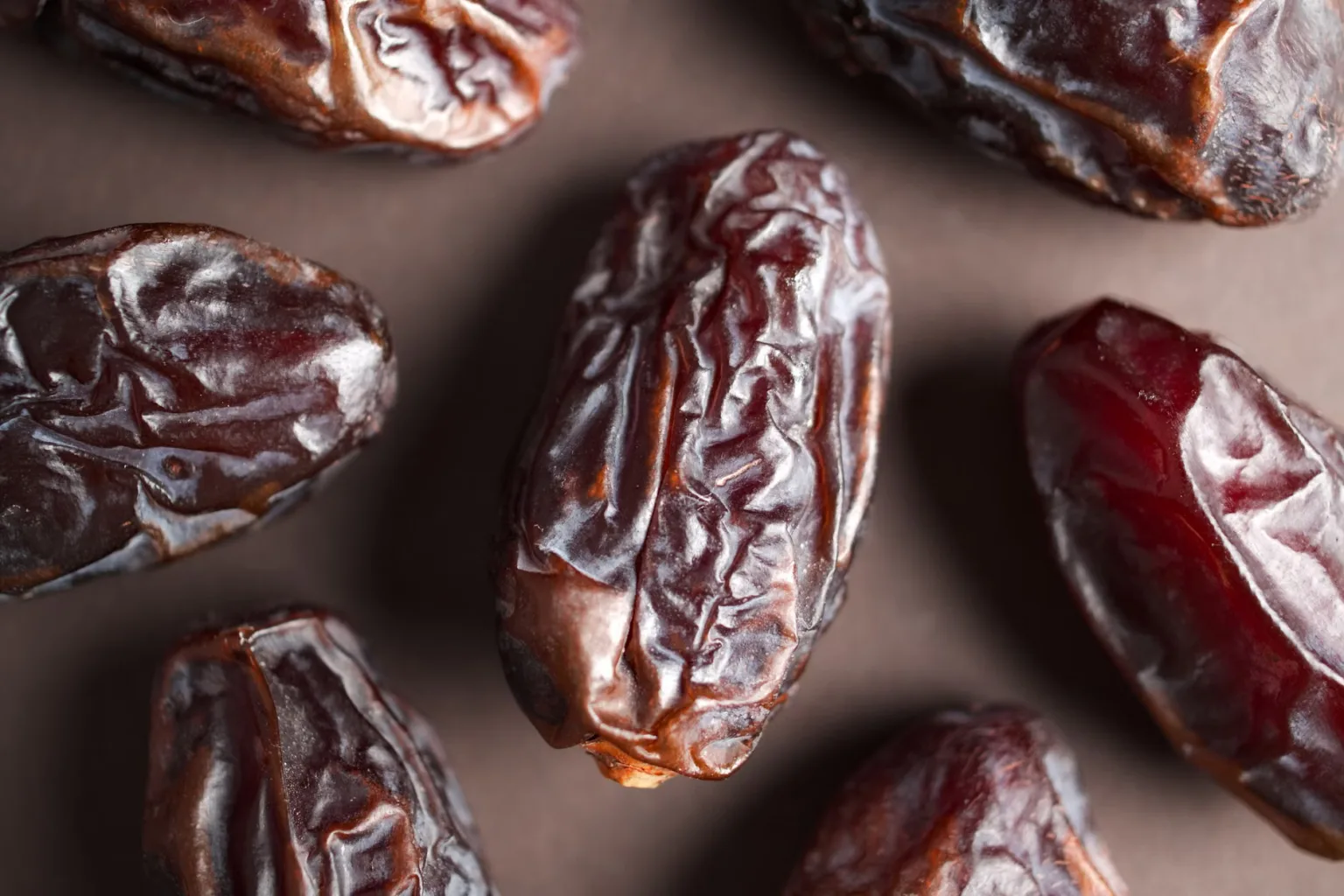
Dates are the edible fruit of the date palm and contain a seed that is removed to make pitted dates. The name describes how the fruit is prepared, not a particular variety: pitted dates may come from different types with differences in size, moisture, firmness, and sweetness. Many dates sold in markets are dried, although the condition and texture vary by product. Medjool dates are often softer and fleshier, while Deglet Noor dates tend to be firmer and drier. Because the fruit is already pitted, it is convenient to eat, stuff, chop, or blend; still, check the product and the recipe to decide whether a moist or firm texture is more suitable.
When to use it
Use pitted dates when you want sweetness and a chewy texture in a snack, cereal mix, salad, or baked recipe. Larger, softer dates are convenient for stuffing or blending; firmer ones are easier to cut into pieces that hold their shape. They can also go into savory dishes when you want a sweet contrast. Since sweetness and moisture vary among varieties and products, taste a small amount and adjust the rest of the ingredients, especially in recipes where texture matters.
How to use it
First check that no seed fragments remain, then cut the dates to suit the recipe. Serve them whole or open them to add a filling, such as nuts. Chop them for cereal, salads, soups, or dough; if they are sticky, separating the pieces before mixing can help distribute them more evenly. To make a paste or syrup, blend the dates with liquid to the consistency your recipe needs. They can also be incorporated into cookies and other baked goods. Adjust sweetness and moisture as you go, since dates do not all have the same texture or flavor.
Flavour and texture
Dates have a pronounced sweetness that can suggest caramel or brown sugar. Texture depends on variety and drying: some dates are soft, tender, and fleshy, while others are firmer, drier, and chewier. Medjool dates are often especially soft, while Deglet Noor dates tend to be firmer and drier. Wrinkled skins or differences in size do not mean every date in a package will have the same texture.
How to choose it
Choose a well-sealed package and check its label, including the variety and any added ingredients. Appearance and texture naturally differ by type: some dates are softer and juicier, while others are firmer and drier. For stuffing, larger, tender dates may be convenient; for chopping or mixing into dough, a firmer texture can be useful. Since the dates are sold pitted, still check for any remaining seed fragments before serving.
Storage
Store dates according to the package directions and reseal the package after opening to protect them from moisture and odors from other foods. Follow any specific label instructions, as products can differ in moisture and processing. Keep them in a clean container and check their appearance and smell before use; discard dates that show clear signs of spoilage. Do not assume that all pitted dates require identical storage conditions.
Substitutions
Date paste can replace some of the sugar or honey in a recipe, but it changes sweetness as well as moisture and texture. Do not automatically substitute it in equal amounts: begin with a partial replacement and adjust liquid and sweetness. One date variety can also stand in for another, bearing in mind that softer dates blend and stuff differently from firmer ones.
Common mistakes
Do not assume that all pitted dates have the same sweetness, size, or moisture. A firm variety may need more blending or liquid for a smooth paste, while a very soft date may fall apart when chopped. Avoid adding a fixed amount of date paste without adjusting the recipe, and check for seed fragments even when the product is sold pitted.
Safety and allergens
Check the package and product before use, and follow the storage directions on the label. Although sold pitted, dates should be checked for any remaining seed fragments.
Culinary uses
- Edible snack
- Sweetener and ingredient for sweet or savory dishes
Recommended techniques
- Eat whole or chop
- Stuff with a filling
- Blend into a paste or syrup
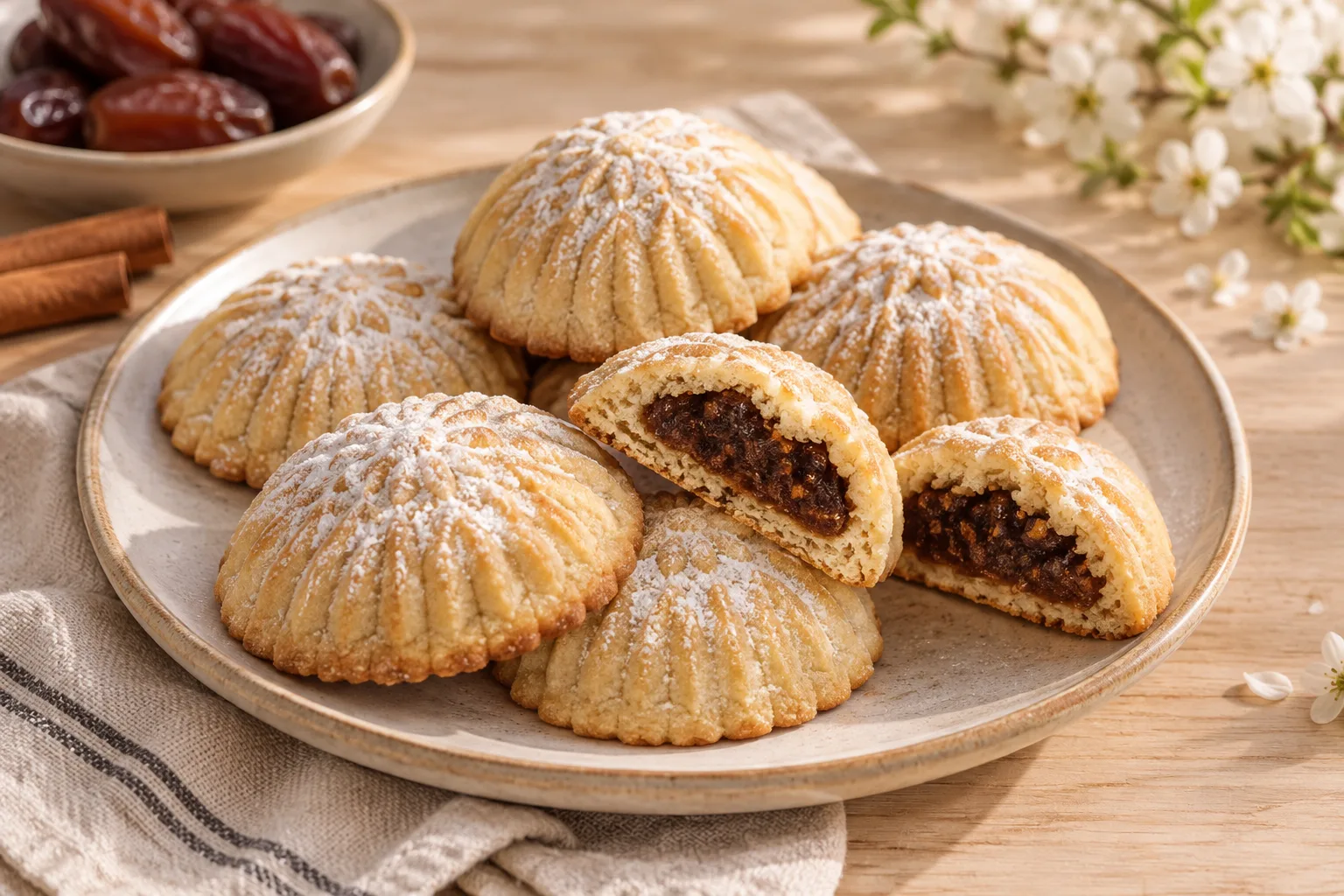
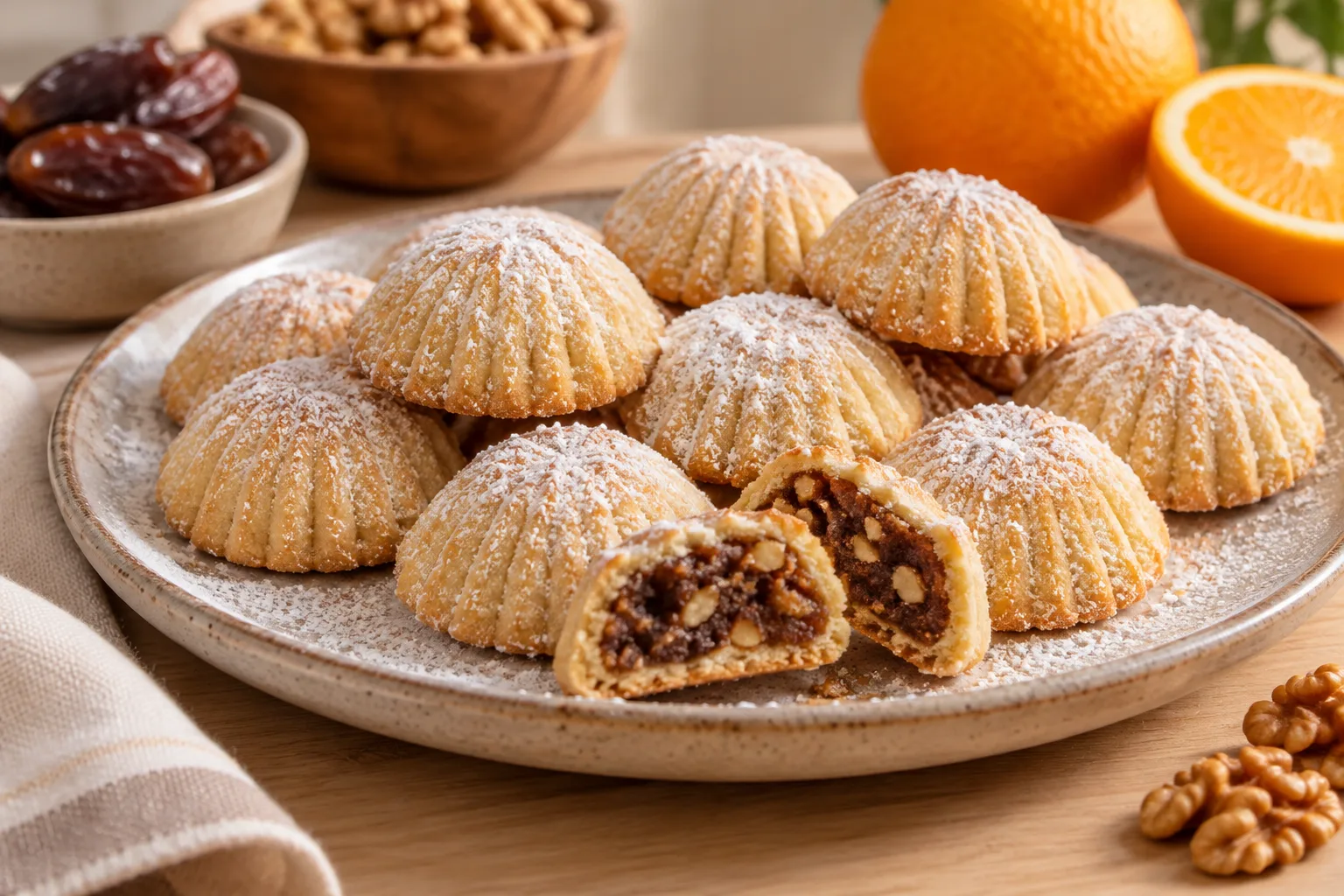
- Mix into baking and other recipes
Pairs well with
- Almonds, walnuts, pecans, or other nuts
- Cashew cheese, thyme, and chili
- Cereal, granola, and salads
Frequently asked questions
Are pitted dates always dried?
Not necessarily. Many are sold dried, but the condition and texture depend on the product. Check the label and whether the dates feel soft or firm.
How can I use pitted dates in baking?
Chop them into a dough or blend them into a sweetening paste. Adjust moisture and sweetness to suit the recipe and the type of date.
Can pitted dates be stuffed?
Yes. Open them if needed to make room for a filling, such as nuts. Check first that no seed fragments remain.
Estimated nutrition
- Fat
- 0.2 g
- Saturates
- 0.2 g
- Carbohydrate
- 72 g
- Sugars
- 70 g
- Fibre
- 2 g
- Protein
- 2.2 g
- Salt
- 0 g
Sources and review
Automatically researched, cross-checked and validated content. Sources consulted:
- Client Challenge doi.org
- Dátil: qué es, sus propiedades, beneficios y 13 recetas en donde la pequeña fruta dulce popular en Medio Oriente brilla directoalpaladar.com
- Mexican Immigrants´ Foodways In El Paso, Texas, 1880- ... scholarworks.utep.edu
- Itinerary and diary of Francisco Atanasio Domínguez and Francisco Silvestre Vélez de Escalante | Early Americas Digital Archive (EADA) eada.lib.umd.edu
- Maduración de la Fruta y Manejo del Etileno ucanr.edu
- ISSUE 20 La ciudad en la literatura hispánica de los siglos ... lehman.edu
- Mucho honra storage.lib.uchicago.edu
- e l c o r n o e m p l u m a d o 2 5 .^p?^-#.^ "i^^ V ^ % W opendoor.northwestern.edu
- Dátiles Enteros sin Hueso Ecológicos | Mapryser | Líder en Distribución y Venta Mayorista de Alimentos Ecológicos mapryser.eco
- ¿Conocías los distintos tipos de dátiles? | El arte de comer bien | mentta mentta.com
- Tipos de dátiles – VisitElche visitelche.com
- ¿Dátiles, variedad Medjool, sin hueso, crudos? (¿orgánico?) | Fundación G+E diet-health.info