- Category
- Dairy and eggs
- State
- Fresh
- Usual unit
- g
What it is
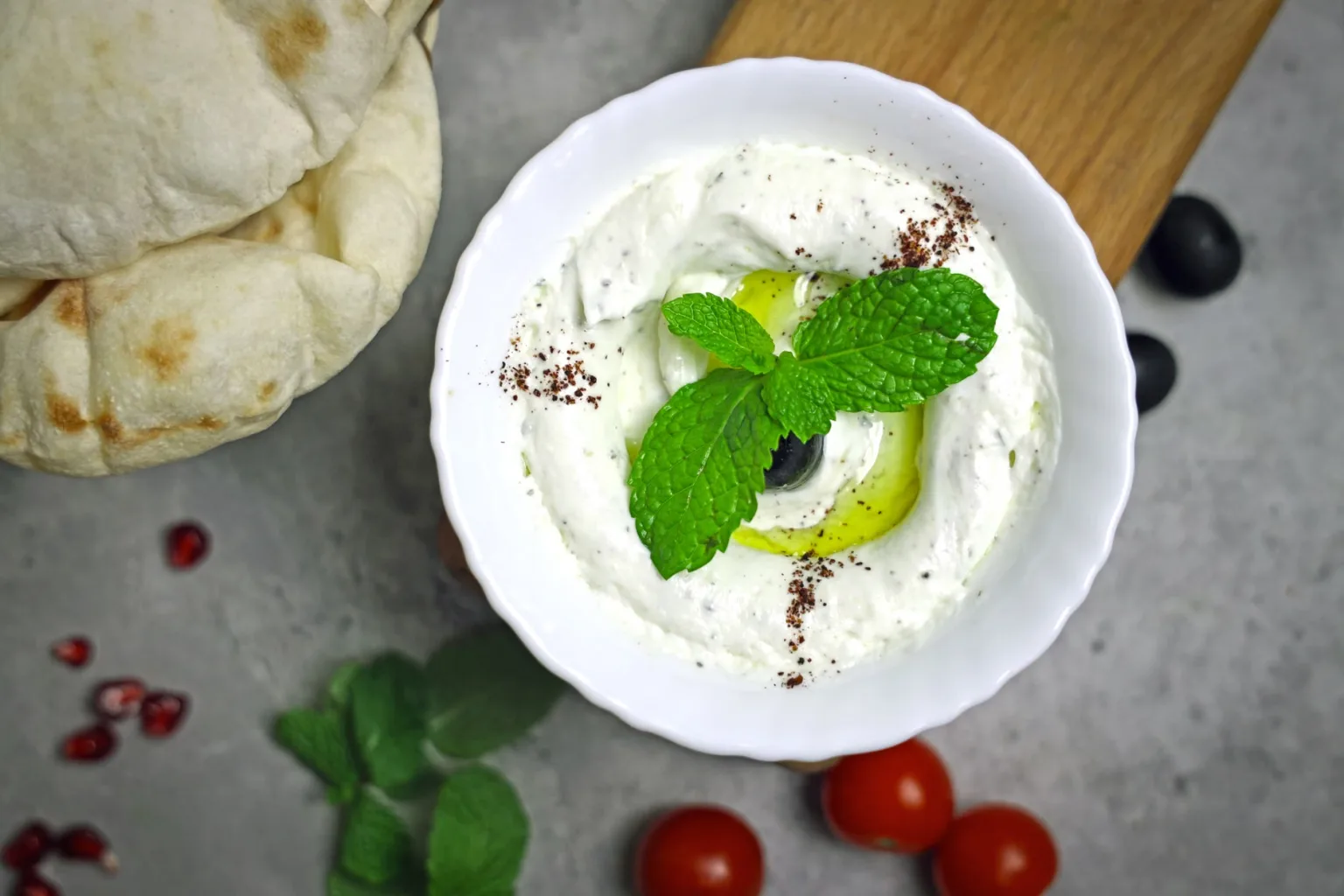
Plain Greek yogurt is an unflavored yogurt known in cooking for its thick, creamy consistency. Traditional Greek-style yogurt is commonly made by straining yogurt to remove some whey; however, products sold as Greek or Greek-style do not necessarily use one uniform method. Some achieve thickness through other ingredients or processing. The name alone therefore does not guarantee the same composition from one brand to another. In this guide, “plain” means that the yogurt has no added flavoring; it does not mean every product has exactly the same ingredient list. It is a versatile dairy ingredient that can be served on its own or used in cold preparations, sauces, smoothies, desserts and baking.
When to use it
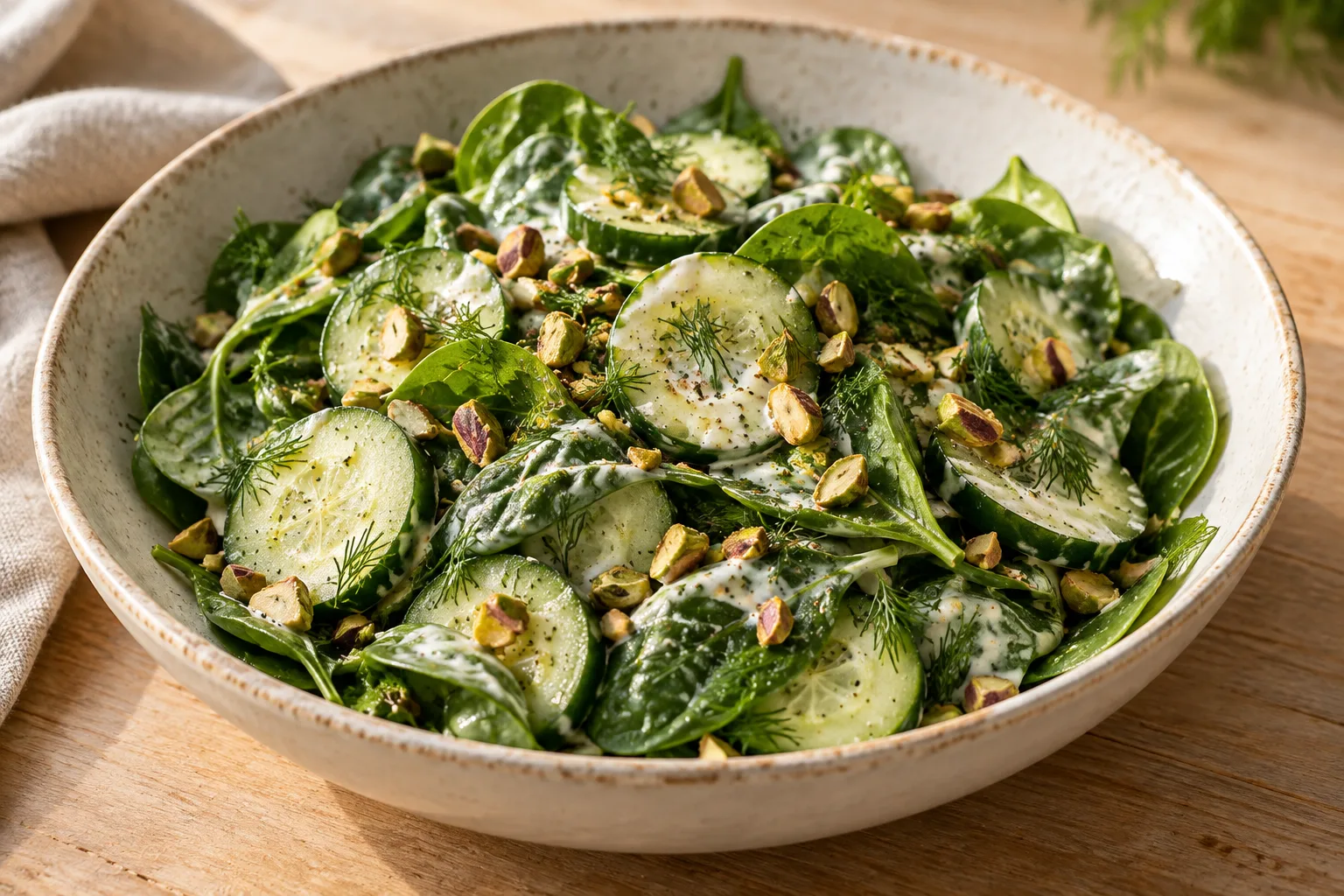
Use it when you want a creamy base that gives body to a sauce, dressing or dip, or when you need a dairy accompaniment for fruit, cereals and breakfast dishes. It is also useful in smoothies, desserts and some baked goods. For savory dishes, combine it with cucumber, garlic or herbs, or serve it alongside spiced foods. If a recipe calls for a particularly thick texture, check the consistency of your yogurt and consider straining it further; if a looser mixture is needed, whisk it or adjust it with the other liquids in the recipe.
How to use it
Serve it as it is, either plain or with fruit, honey, nuts or cereal. For a sauce or dip, combine it with ingredients such as cucumber, garlic and dill, or add herbs and spices to taste. For a smoothie, blend it with fruit and the liquids specified in the recipe until smooth. It can also be mixed into batters and baking recipes, though its thickness and acidity may affect the result if the recipe was designed for a different dairy product. Stir or whisk it first if you want a smoother texture. Strain it further if you want it thicker. In hot preparations, follow the recipe and do not assume that every product will behave identically, since formulations and consistency vary between brands.
Flavour and texture
Its flavor is typically dairy-rich, mildly tart and not very sweet when no sweetening ingredients have been added. Its texture is thick and creamy compared with that of many unstrained plain yogurts. The strength of its flavor, acidity and body can vary with the milk and the production method. Some commercial Greek-style yogurts achieve their thickness with added ingredients, so they do not all have the same profile. Check the label if you are looking for a particular composition.
How to choose it
Choose a package clearly identified as plain yogurt and read the ingredient list to find out what that particular product contains. The words “Greek-style” do not by themselves prove that the yogurt was made by straining; some commercial products use other means to create a thick texture. Also check allergen information, the stated date, and the storage and use directions. If you need to avoid a particular ingredient, do not rely on the product name or appearance alone.
Storage
Follow the storage directions on the package, both before and after opening. Observe the stated date and the manufacturer’s use instructions; do not infer a different storage period from texture or smell alone. Close the container after serving and consult the manufacturer’s directions if you are unsure how to use the product once opened. Recommendations may differ by product and packaging.
Substitutions
Plain unsweetened yogurt can stand in for Greek yogurt if it is strained to make it thicker, although the result depends on how much whey is removed. Sour cream can work in sauces, dressings and some baking recipes, but brings its own flavor and texture. Blended cottage cheese can provide creaminess, though it will not taste identical. Ricotta can suit some preparations; choose an alternative according to the texture and flavor the recipe needs.
Common mistakes
Do not assume that every product called “Greek” has the same ingredients, acidity or thickness: commercial production can vary. Also avoid replacing it automatically with another dairy product without considering the flavor and consistency the recipe needs. When mixing it into a sauce, add the other ingredients gradually and taste as you go. Do not overlook allergen information or package directions just because the yogurt is plain.
Safety and allergens
This is a milk product; check the ingredient and allergen information, especially when cooking for someone with an allergy or intolerance. Follow the package instructions for storage, date and safe use. An alert has been issued for a specific plain Greek yogurt product containing gluten and tree nuts; this is not a general feature of the ingredient, so check the information for the exact product.
Culinary uses
- Base cremosa para salsas, aderezos y dips
- Acompañamiento para preparaciones dulces y saladas
- Ingrediente para batidos, postres y repostería
- Ingrediente para marinadas
Recommended techniques
- Batir o mezclar para alisar la textura
- Combinar con hierbas y especias para preparar salsas
- Incorporar a batidos y mezclas de repostería
- Colar de nuevo para obtener una consistencia más espesa
Pairs well with
- Pepino, ajo y eneldo
- Fruta fresca, miel y frutos secos
- Cereales y granola
- Especias, curry y platos de carne
Frequently asked questions
Is all Greek yogurt made by straining yogurt?
Not necessarily. Traditional Greek-style yogurt is commonly strained, but some commercial products may achieve thickness through other ingredients or processes. Check the ingredient list.
How can I use plain Greek yogurt in a sauce?
Mix it with ingredients such as cucumber, garlic and dill, or with herbs and spices. Stir until evenly combined and adjust the other ingredients to taste.
What can I use if I do not have Greek yogurt?
Strain plain unsweetened yogurt to make it thicker. Sour cream, blended cottage cheese or ricotta may work in some recipes, although each changes the flavor and texture.
How should I store it?
Follow the storage and use directions on the label and observe the stated date. Recommendations may differ by product and packaging.
Estimated nutrition
- Fat
- 1.92 g
- Saturates
- 1.23 g
- Carbohydrate
- 3.94 g
- Sugars
- 3.56 g
- Fibre
- 0 g
- Protein
- 9.95 g
- Salt
- 0.08 g
Sources and review
Automatically researched, cross-checked and validated content. Sources consulted:
- En el etiquetado alimentario hay algunas menciones que son obligatorias eletiquetadocuentamucho.aesan.gob.es
- Client Challenge doi.org
- Aesan - Agencia Española de Seguridad Alimentaria y Nutrición aesan.gob.es
- Yogur griego - Wikipedia, la enciclopedia libre es.wikipedia.org
- Yogur griego | Qué es, tipos y beneficios para la salud codinafoods.com
- Yogurt Griego - CocinoPedia.com cocinopedia.com
- Yogurt griego: características y recetas | Recetas Nestlé recetasnestle.com.co
- Yogurt griego, sabor y tradición viajesoceanic.com
- Yogur griego: composición, beneficios y receta ceupe.com
- Sustituto de Yogur Griego: Las Mejores Alternativas para Cualquier Receta - SubstituteChef substitutechef.com
- Yogur Griego Auténtico: Descubre la Diferencia con el Estilo Yogur Griego — KUZINA kuzinavlc.com
- Yogur Griego: Beneficios y Diferencias con el Natural - Danone danone.es
- Yogur griego: 7 beneficios y diferencias con el normal - Mejor con Salud mejorconsalud.as.com
- Tres platos deliciosos con yogur natural - Eroski Consumer consumer.es
- Los mejores yogures griegos | OCU ocu.org