- Category
- Bread and dough
- State
- Fresh
- Usual unit
- unidad
What it is
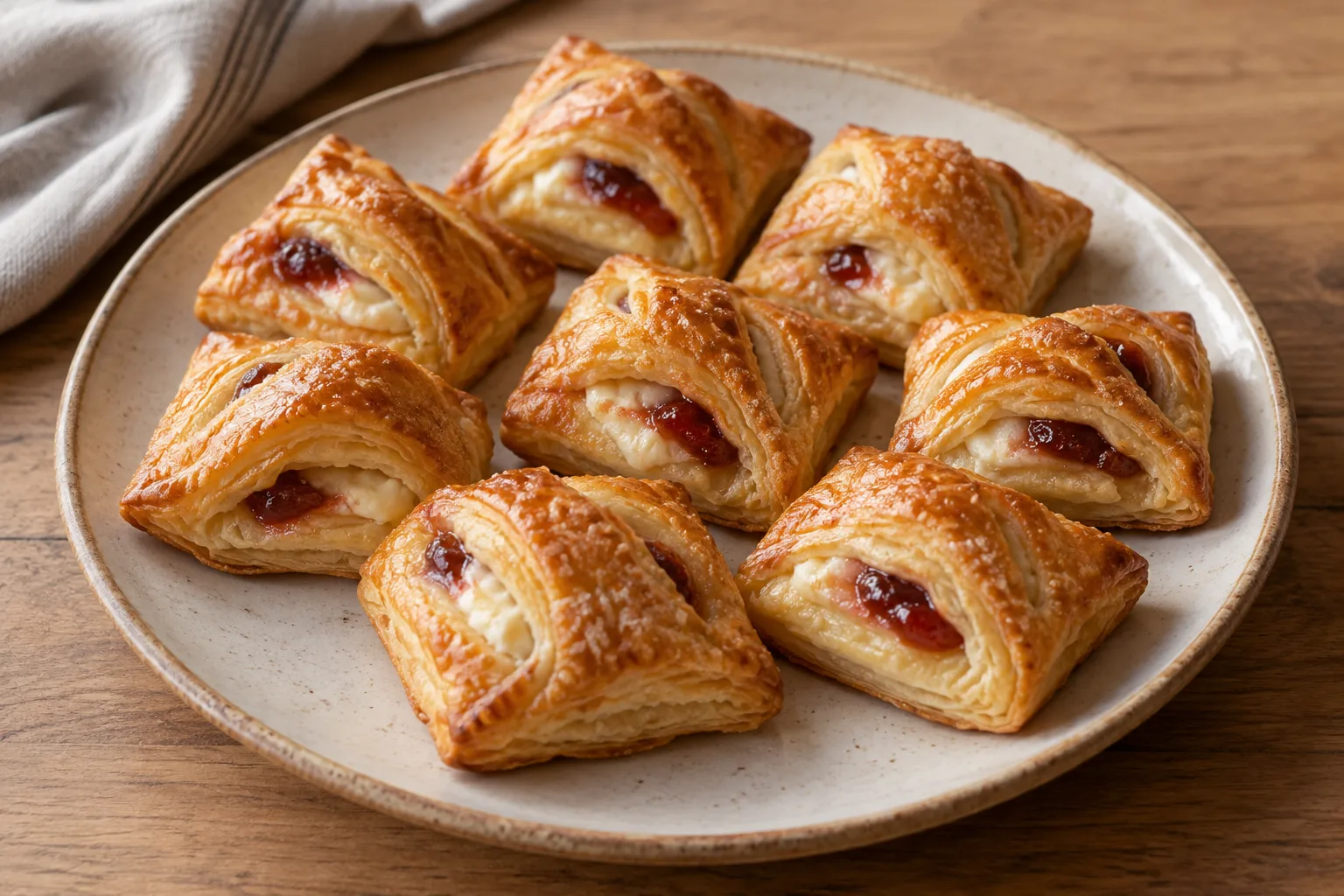
Puff pastry is a laminated dough known for its thin, overlapping layers. In a traditional method, dough and fat are combined through rolling and folding; baking separates the layers and creates a light, crisp texture. Recipes and commercial products can differ: the fat may be butter, margarine or another type, so check the ingredients of the specific product. Puff pastry is not the same as filo pastry. The two may be used in some similar ways, but their structure and preparation differ, and they do not produce identical results.
When to use it
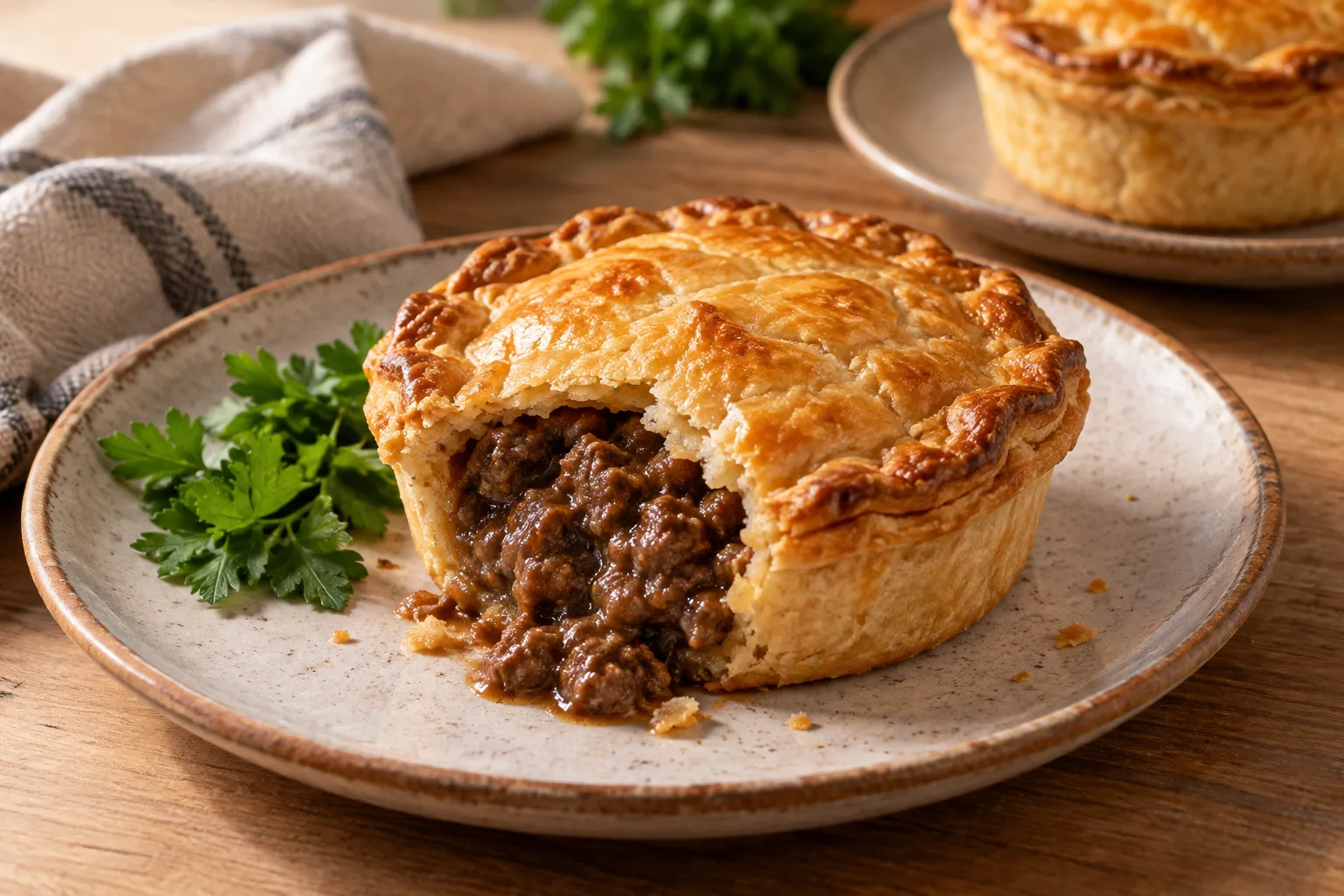
Choose puff pastry when you want a crisp base for a tart or pie, or a dough that can cover or enclose a filling. It can be used in sweet and savory preparations, including apple tarts, chocolate pastries, sugar-coated palmiers and other filled shapes. Pick a recipe that lets the pastry bake and brown without being overwhelmed by a very wet filling. The result also depends on the shape and preparation, so follow the instructions for the particular recipe rather than assuming one approach fits every product.
How to use it
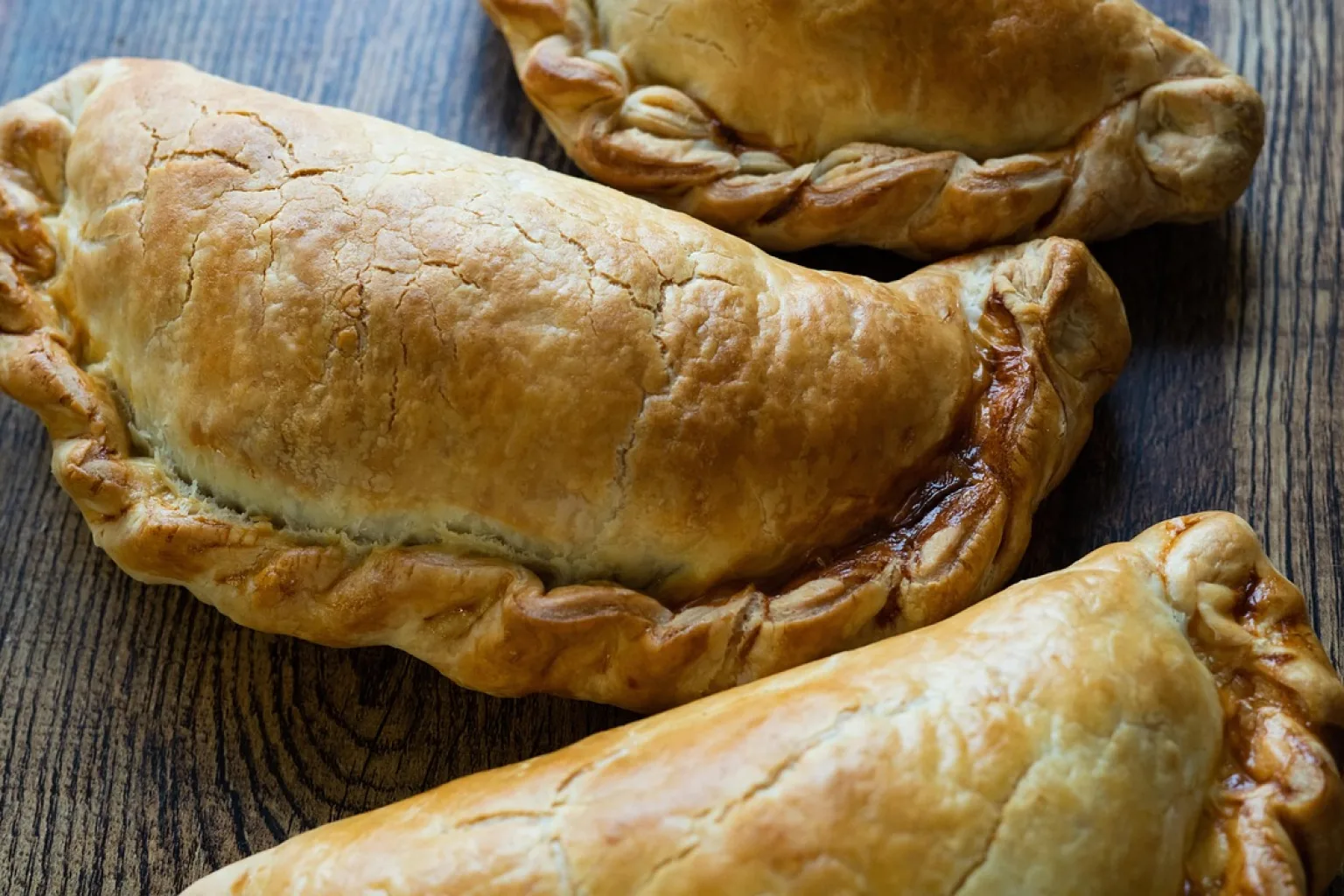
Unroll or roll out the pastry carefully, then cut or shape it for the recipe. Use it as a base, place a filling inside and enclose it, or make simple shapes with sugar. To preserve the layered effect, avoid crushing the edges when cutting and handle the dough without flattening its layers. Bake according to the package or recipe instructions; the evidence available does not support one universal baking time or temperature. Homemade versions can differ in how the fat is incorporated and how many folds are used, so the method may vary from one recipe to another.
Flavour and texture
Flavor and mouthfeel depend on the ingredients and formula; a butter-based pastry can have a buttery character. When baked well, puff pastry has distinct, thin, crisp layers and a lighter interior than a compact dough. Thickness, folding and the particular product all affect the final texture, so not every pastry will rise or taste exactly the same.
How to choose it
Read the ingredient list to see which fat is used: products may be made with butter, margarine or another fat. Choose a format that suits your recipe and check the package directions before using it. If you need to avoid wheat, gluten or milk, do not rely on the product name alone; verify the specific label and allergen information for that brand.
Storage
Follow the storage directions on the package for purchased pastry, including any refrigeration instruction on the label. One source describes freezing homemade puff pastry; wrap and portion it appropriately for the product, then use a reliable recipe's directions for thawing and handling it. A universal storage period cannot be stated here because it depends on the formula, packaging and manufacturer's instructions.
Substitutions
Filo pastry can work in some preparations, but it does not necessarily reproduce puff pastry's thickness, structure or crisp finish. Bread dough may replace it in certain filled bakes, but the result will be more bread-like and less layered. Choose a substitute based on the recipe and expect to adjust the shape and finish; these doughs are not interchangeable without a change in outcome.
Common mistakes
Do not assume every puff pastry contains butter or suits the same dietary needs; check the ingredients. Avoid crushing the layers when cutting, and do not apply one universal baking time or temperature: follow the recipe or package directions. Filo pastry and bread dough are alternatives for some uses, but they will not give the same finish.
Safety and allergens
Check the label for ingredients and allergens, especially if avoiding wheat, gluten or milk. Store and handle the pastry according to its package directions; if these are unavailable, ask the manufacturer rather than guessing a storage method or period.
Culinary uses
- Base para tartas y pasteles
- Envoltura o cubierta de rellenos dulces y salados
- Masa para piezas de pastelería
Recommended techniques
- Estirar
- Plegar y laminar
- Cortar y dar forma
- Hornear
Pairs well with
- Manzana
- Chocolate
- Azúcar
- Rellenos dulces o salados
Frequently asked questions
Is puff pastry always made with butter?
No. Formulas may use butter, margarine or another fat, so check the product's ingredient list.
Can I use puff pastry for savory recipes?
Yes. It is used in sweet and savory preparations, either as a base or to enclose fillings.
Is puff pastry the same as filo pastry?
No. Filo can be used in some similar ways, but its structure and preparation differ, so the result is not identical.
Estimated nutrition
- Fat
- 25 g
- Saturates
- 12.5 g
- Carbohydrate
- 39.3 g
- Sugars
- 0 g
- Fibre
- 0 g
- Protein
- 7.14 g
- Salt
- 0.36 g
Sources and review
Automatically researched, cross-checked and validated content. Sources consulted:
- ¿Por qué la muerte es origen de miedos y tabúes? doi.org
- The Essential Glossary of Cooking Terms for the Culinary Arts - Escoffier escoffier.edu
- La masa de hojaldre y su reinado - Escuela de Turismo escuelaturismopirineos.com
- Cómo hacer masa hojaldre - Cravings Journal es.cravingsjournal.com
- Hojaldre - Wikipedia, la enciclopedia libre es.wikipedia.org
- 21 Seminarios de panadería y pastelería | Culinary Institute Lenotre culinaryinstitute.edu
- Boysenberry Cream Cheese Roulade wpcdn.web.wsu.edu
- Identificación de Hierbas Problemáticas | Integrated Pest Management | College of Agriculture, Health and Natural Resources | University of Connecticut ipm.cahnr.uconn.edu
- En busca del gaviotín peruano: Invisible e Invencible | Smithsonian's National Zoo and Conservation Biology Institute nationalzoo.si.edu
- - YouTube youtube.com