- Category
- Nuts and seeds
- State
- Dry
- Usual unit
- g
What it is
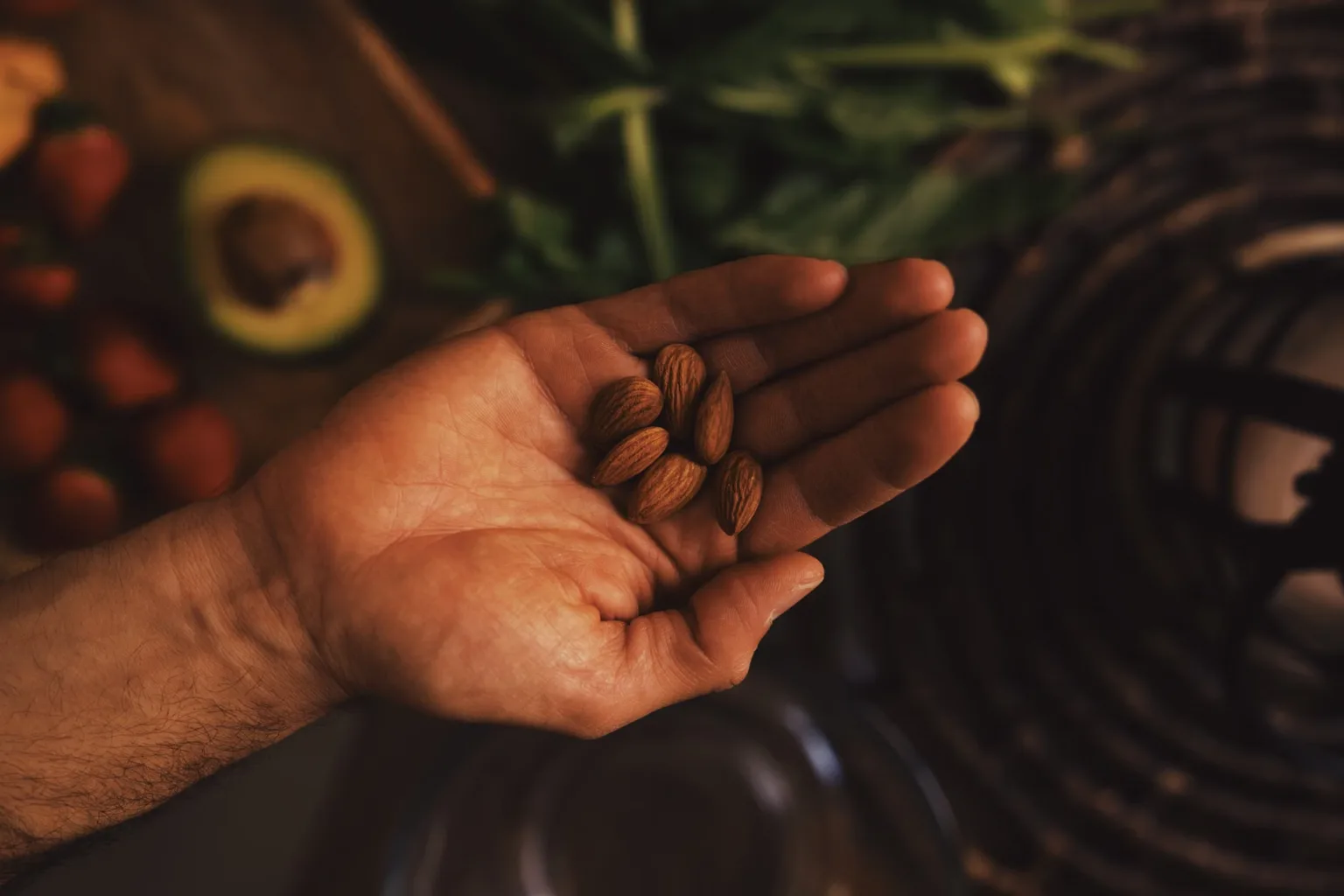
Raw unpeeled almonds are the edible kernels sold with their thin brown outer skin intact and without roasting. The skin is eaten along with the pale, firm kernel and gives each bite a slightly more rustic character. In food retail, “raw” distinguishes this product from roasted or fried almonds; it does not mean green, freshly picked almonds. This profile refers to sweet almonds sold for food use, not bitter almonds or flavoring products made from them.
When to use it
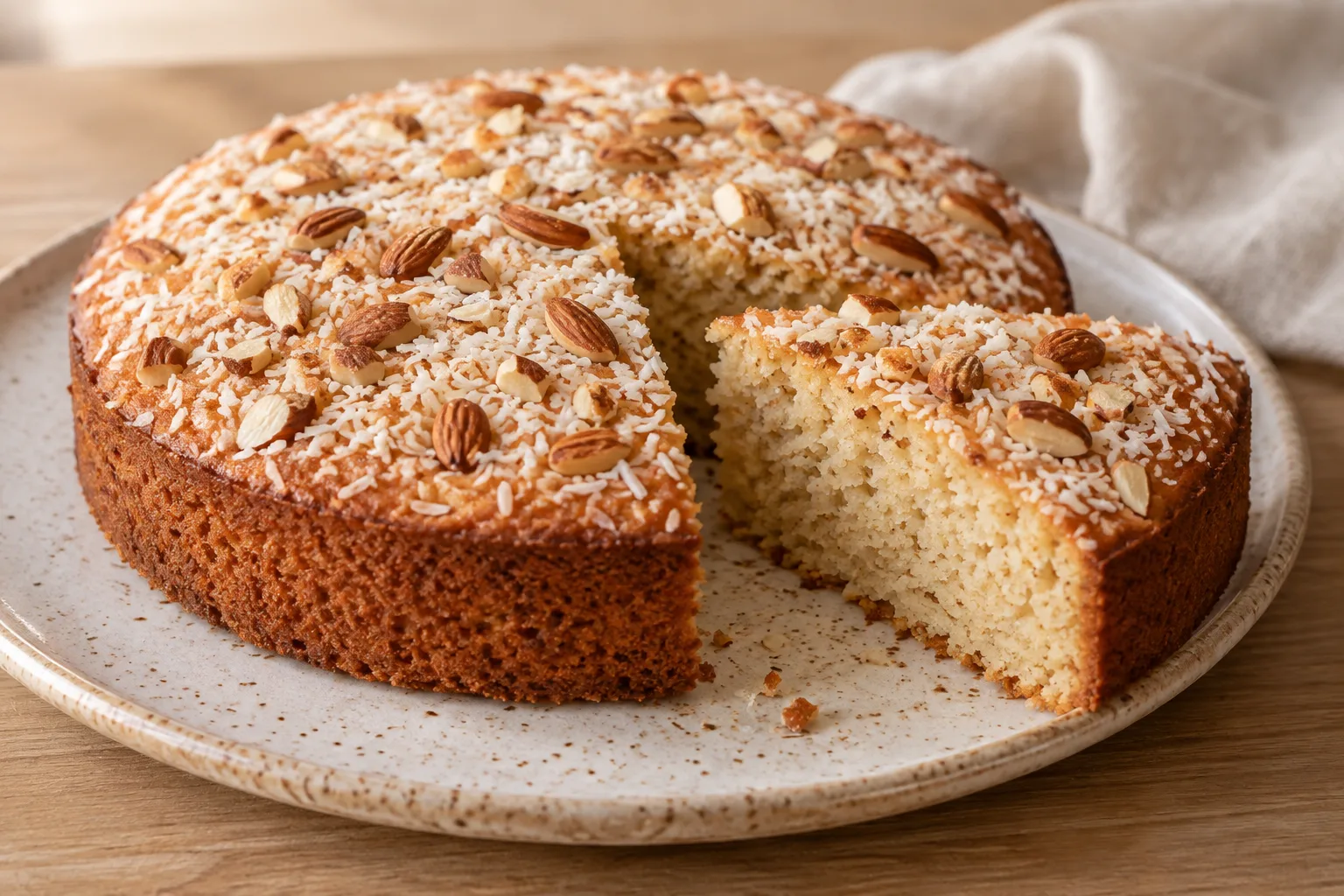
Use them when you want a crisp texture and a clear almond flavor, either as a snack or as part of a dish. Whole or chopped almonds can add contrast to salads, fillings, and meat dishes; ground almonds can be incorporated into batters, cakes, and other baked sweets. The skin is useful when a pale color or completely smooth texture is not essential, as it may be for some pastes or decorative finishes.
How to use it
Eat them as they are for a snack, or chop them with a knife to add to salads, fillings, and other dishes. For a finer texture, grind them and use them in batters, cakes, or other baking; the skin remains in the mixture, making the result darker and less uniform than one made with blanched almonds. You can also toast them for a more pronounced flavor, but they will no longer be raw. Pair them with orange, vanilla, chocolate, or cherries in sweet recipes, or with chicken and trout in savory dishes.
Flavour and texture
They have the characteristic flavor of almonds, with a slight bitterness associated with the skin and a firm kernel. Whole almonds are crunchy; chopped almonds add irregular pieces, while ground almonds produce a darker, less uniform mixture than blanched almonds. Flavor intensity and notes can vary between varieties and batches.
How to choose it
Look for a product clearly identified as raw almonds with skin, and check that the description matches whole, unroasted almonds with their brown covering intact. If buying in bulk, look for a sound appearance and the typical smell and taste of almonds; do not assume a variety, origin, or freshness that the seller has not stated. Check the package or seller information for allergen details as well.
Storage
Keep them in a well-sealed container in a cool, dry place away from light. Avoid exposing them to moisture or heat, and close the container again after serving. If the almonds are packaged, follow the specific storage directions on the label and observe any date shown; storage advice can vary with the product and how it is sold.
Substitutions
In some sweet recipes, try pistachios or another nut, bearing in mind that the flavor, color, and texture will change. For fillings or savory dishes, pine nuts may provide an alternative texture, though they are not equivalent to almonds. Choose a substitute according to the almond’s role in the recipe, and always check that the alternative is suitable for anyone with food allergies.
Common mistakes
Do not confuse “raw” with “green” or freshly harvested: here it means the almonds have not been roasted. Also, do not assume bitter almonds can be used interchangeably with the sweet almonds normally sold for eating. When you grind almonds with skin, expect a darker color and less even texture than with blanched almonds.
Safety and allergens
Almond is a relevant allergen for some people. If you have an allergy, do not eat this ingredient and check the allergen information on the package or with the seller; information requirements depend on how the food is sold. This profile refers to almonds identified as edible food, not almonds of uncertain identity.
Culinary uses
- Aperitivo o tentempié
- Ingrediente para repostería y postres
- Ingrediente crujiente para platos salados
Recommended techniques
- Picar o trocear
- Moler para obtener almendra molida
- Tostar para intensificar el sabor
Pairs well with
- Naranja y vainilla
- Chocolate y cerezas
- Pollo o trucha en preparaciones saladas
Frequently asked questions
Can you eat almond skin?
Yes. In this product, the thin brown skin remains attached and is eaten with the almond.
Are raw unpeeled almonds green almonds?
No. “Raw” means they have not been roasted; green or tender almonds are a different product.
Can I use raw unpeeled almonds in baking?
Yes. Chop or grind them for batters and sweets. The skin can make the result darker and less smooth than one made with blanched almonds.
Sources and review
Automatically researched, cross-checked and validated content. Sources consulted:
- En el etiquetado alimentario hay algunas menciones que son obligatorias eletiquetadocuentamucho.aesan.gob.es
- Gastronomía de Galicia - Wikipedia, la enciclopedia libre es.wikipedia.org
- Aesan - Agencia Española de Seguridad Alimentaria y Nutrición aesan.gob.es
- Variedades de almendras - Guía de tipos, calidades y abastecimiento | Nutrada nutrada.com
- Almendra: usos, variedades y combinaciones en pastelería pastrypedia.net
- Redescubre la almendra, el fruto seco más popular: sus propiedades, usos en la cocina y cinco recetas para disfrutarla directoalpaladar.com
- Almendras: qué son, propiedades y usos en cocina bonviveur.com
- La Almendra: Un Tesoro Nutricional y Culinario formacionavanzadaeuropea.com
- Almendra cruda con piel - La Salmantina lasalmantina.com
- Todo lo que necesitas saber sobre las almendras y sus beneficios academianutricionydietetica.org
- ALMENDRAS CRUDAS CON PIEL, tu Huerta de proximidad |deHigosaPeras dehigosaperas.com
- ▷ Tipos de Almendras Española - Secofrut - Envío gratis ✅ secofrut.com
- Tipos de almendras, ¿cuáles son las favoritas de los clientes? | Aperimax aperimax.com
- Almendra Cruda sin piel - Semilla y Grano semillaygrano.com
- Almendra cruda con piel - Frutos Secos David frutossecosdavid.es
- Almendras fritas con sal. El fruto seco 10.Frutos secos Auro frutossecosauro.es