- Category
- Herbs and spices
- State
- Dry
- Usual unit
- teaspoon
What it is
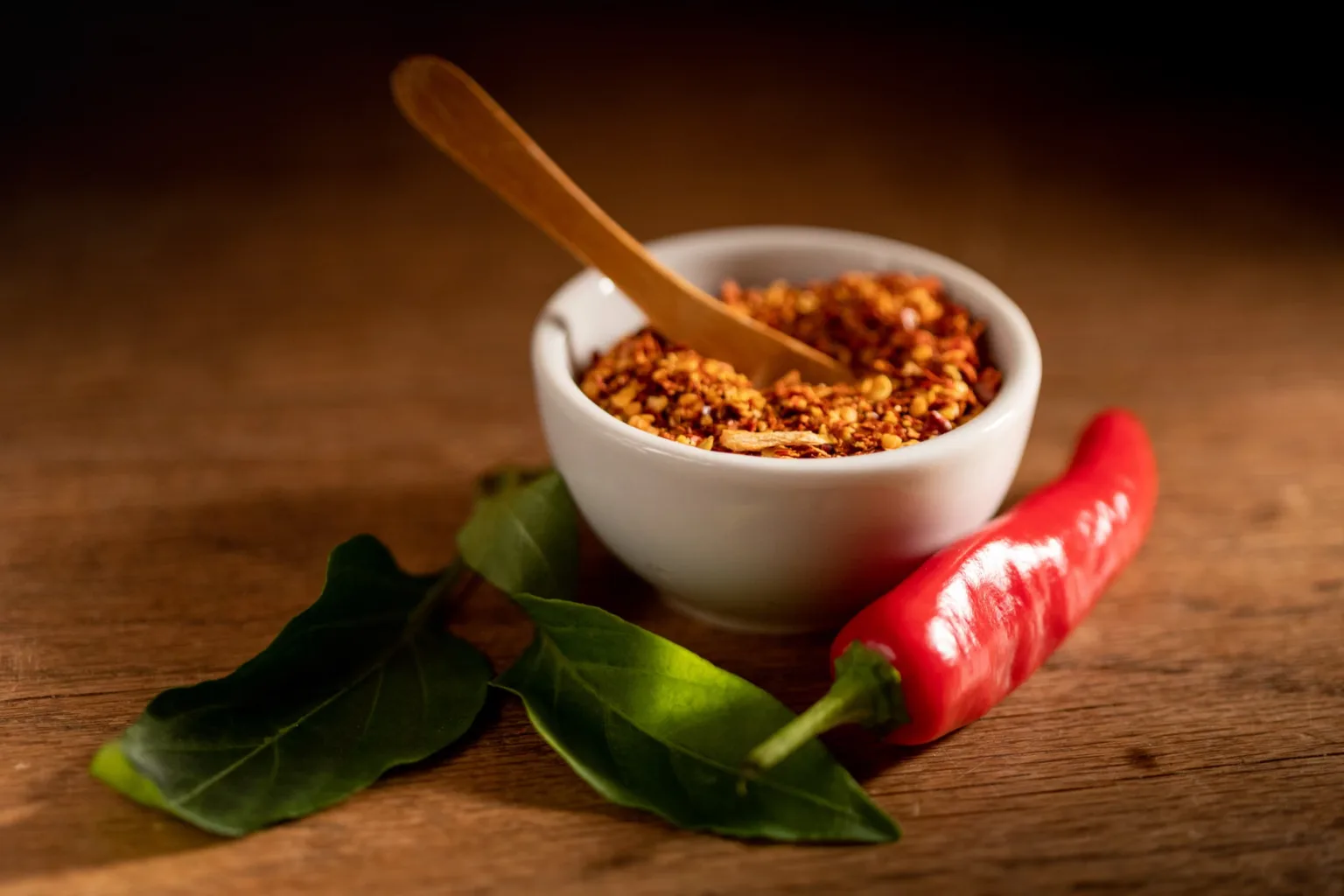
Red chili flakes are dried chilies crushed into pieces rather than necessarily ground to a fine powder. Depending on the product, they may contain seeds or be seedless, and the chili variety affects how hot they are. As a result, different packets of red flakes may give different levels of heat. They are used in small amounts to season food and can also be found in chili sauces and pastes. Do not automatically equate them with a spice blend called chili powder: that name can refer to a mixed seasoning, while ground dried chili may be a single ingredient.
When to use it
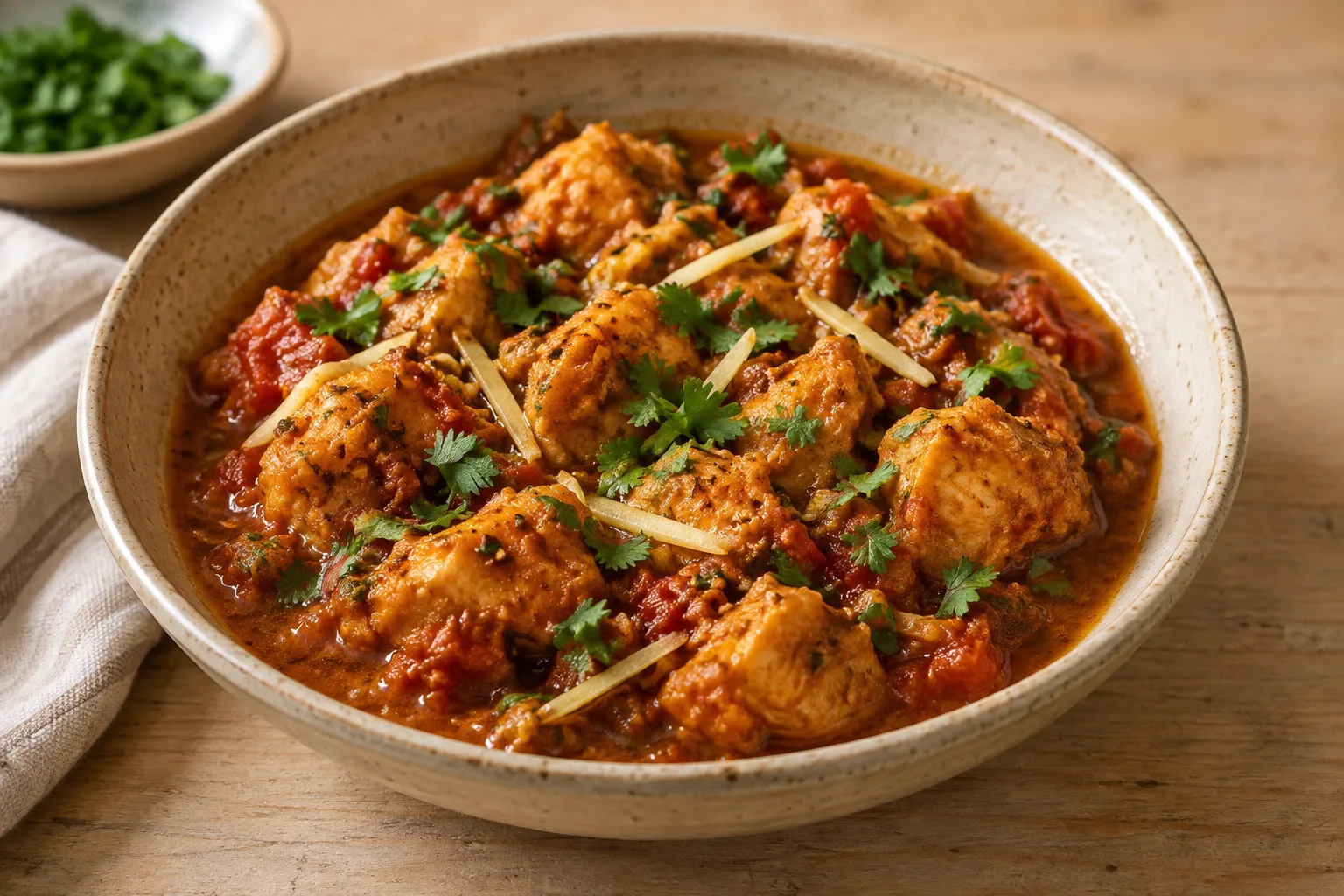
Use them when you want to add heat and would like small pieces of chili to remain visible in the food. They work in pasta, pizza, soups, stews, curries and sauces, and can also add contrast to some sweet combinations. Because chili variety and the presence of seeds can affect intensity, flakes are useful when you want to add heat gradually and taste as you cook. If you want a mild or uniform result, begin with a small amount or choose a different seasoning.
How to use it
Add a small amount, then taste before adding more: heat can vary from one product to another. Sprinkle flakes over pasta, pizza or salads, or stir them into sauces, chili pastes, soups, curries and stews to distribute their heat. They can also be paired with garlic and ginger in savory dishes. In sweet preparations, a little can provide contrast with fruit, chocolate, nuts or honey. Do not assume that a teaspoon of one brand or variety will have the same effect as a teaspoon of another; adjust to the result you want.
Flavour and texture
Their defining flavor is heat, but its intensity depends on the chili variety and product. The flakes have visible pieces, unlike fine powder, and may or may not include seeds. Dried chilies vary in their flavor notes, so red flakes do not all taste alike or provide exactly the same heat.
How to choose it
Check the label to see whether the product is crushed chili and whether it contains seeds, since flakes are sold both with and without them. If the variety is named, treat that as a guide rather than a guarantee of identical heat across brands. Choose a pack that suits your intended use; when the chili variety is not specified, begin with a small amount.
Storage
The available evidence does not establish universal storage conditions or a shelf life for these flakes. Follow the package directions and keep the label available for reference. Do not assume that every product has the same storage method or duration; if the pack gives no guidance, a specific period cannot be recommended here.
Substitutions
Ground red chili can replace flakes when the main aim is to add heat, but the texture will be finer and the intensity may differ by variety. Chopped fresh chili can also provide heat, though it adds moisture and fresh pieces. In either case, start with a little and taste before adjusting.
Common mistakes
Adding a large amount at once can make a dish much hotter than intended. Another mistake is assuming all flakes have the same heat, chili variety or amount of seed. Do not confuse chili flakes with a spice blend called chili powder: check the label and adjust the quantity for the product at hand.
Safety and allergens
Heat varies between products. Add flakes gradually and taste the food before adding more; do not assume one fixed measure will always produce the same result.
Culinary uses
- Aportar picor y sabor a platos salados
- Dar un toque final picante o un contraste en preparaciones dulces
Recommended techniques
- Espolvorear sobre la comida o incorporar poco a poco mientras se cocina
- Mezclar en salsas, pastas, guisos, sopas o curris
Pairs well with
- Ajo y jengibre
- Chutneys de mango o manzana
- Chocolate, fresas, frutos secos y miel
Frequently asked questions
Do red chili flakes always contain seeds?
No. They are sold with or without seeds, so check the product label.
How hot are red chili flakes?
Heat depends on the chili variety and product. Start with a small amount and adjust by tasting.
Can I use ground red chili instead?
Yes, it can add heat, but it has a finer texture and may differ in intensity.
Estimated nutrition
- Fat
- 0 g
- Saturates
- 0 g
- Carbohydrate
- 0 g
- Sugars
- 0 g
- Protein
- 0 g
- Salt
- 0 g
Sources and review
Automatically researched, cross-checked and validated content. Sources consulted:
- ¿Por qué la muerte es origen de miedos y tabúes? doi.org
- The Essential Glossary of Cooking Terms for the Culinary Arts - Escoffier escoffier.edu
- El chile, ingrediente esencial en la cocina de México - Formacion en Gastronomia formacionengastronomia.com
- filling gender gaps: determining how traditional knowledge of experts.esf.edu
- Chile Rojo en Polvo — Open Spice Box openspicebox.com
- Tipos de Chiles Secos Mexicanos: Características y Usos abarrotes.es
- Pantry Staples and Other Commodity Food Recipes – Food Smart Colorado foodsmartcolorado.colostate.edu
- Cocina Fácil, de la Despensa a la Mesa Enlaces de Nutrición - Número #10 extension.psu.edu
- Revista a¢ropecuar^a mapa.gob.es
- Toward unified and impactful policies for reducing ... cdr.lib.unc.edu
- Appendix of Useful Tables - Vegetable Resources Vegetable Resources aggie-horticulture.tamu.edu
- Hojuelas de chile (¿crudas?, ¿orgánicas?) | Fundación G+E diet-health.info