- Category
- Sauces and condiments
- State
- Liquid
- Usual unit
- tablespoon
What it is
Red wine vinegar is vinegar made from red wine, with a further fermentation converting alcohol into acetic acid. Like other vinegars, it is an acidic liquid used chiefly as a seasoning. Its strength and nuances can vary by product and production method; descriptions commonly characterize it as robust, acidic and slightly fruity. It is not the same as distilled white vinegar, which is made from different starting materials. In cooking, red wine vinegar can add acidity and flavor to dressings, vinaigrettes, sauces, marinades and meat dishes. Check the product label for its ingredient information and any specific directions for use or storage.
When to use it
Choose it when a dish needs an acidic counterpoint or a more pronounced flavor than a mild vinegar provides. It works in vinaigrettes and salads, and can be used in sauces, marinades and meat dishes, including stews. It can also bring contrast to assertive preparations. Add a little, taste, and adjust: the bold acidity of red wine vinegar can become dominant if it is not balanced with the other ingredients.
How to use it
For a vinaigrette, combine the vinegar with oil and, if they suit the dish, mustard, herbs or spices; whisk or shake to combine, then taste before adding more. You can also mix it into a marinade with the seasonings called for by the recipe, or use it to season sauces and meat dishes. In stews and other long-cooked dishes, follow the recipe and use it judiciously so its acidity complements rather than masks the other flavors. If you are replacing a different vinegar, adjust the amount to suit the flavor you want: different vinegar types are not identical.
Flavour and texture
This is a liquid with a pronounced acidic taste, commonly described as robust and slightly fruity. It may have more presence than white wine vinegar, which is described as milder. The exact intensity varies among products and production methods, so taste it before adjusting a dressing or sauce. Do not assume that every red wine vinegar has precisely the same flavor profile.
How to choose it
Check that the label identifies the product as red wine vinegar, and read any ingredient, use and storage information supplied by the maker. Products can differ in quality and maturation, so choose one that suits the flavor profile you want and do not assume all bottles taste alike. If you need to avoid an ingredient or manage an allergy or intolerance, consult the package label rather than inferring its contents from the name.
Storage
Follow the storage directions on the product label, since they may depend on the particular product and packaging. Keep the container closed as directed and check whether the maker gives specific instructions for storage after opening. No universal shelf life or storage condition can be established here for every brand; if the package gives different instructions, follow the manufacturer's information.
Substitutions
You can replace it with another culinary vinegar if that variety's flavor fits the recipe. White wine vinegar is an option for a milder result, but it will not provide exactly the same profile. Adjust gradually and taste before adding more; cider vinegar, sherry vinegar and other varieties can also change the finished dish's character.
Common mistakes
Adding too much at once can make the acidity dominate the dish. Start with a small amount, mix and taste before adjusting. Another mistake is treating all vinegars as interchangeable: their starting ingredients and flavor profiles can differ. When switching varieties, consider the result you want and adjust the dressing or sauce gradually.
Safety and allergens
Check the label for ingredients, allergens and any specific storage or use instructions. Use this product as a food ingredient; do not assume culinary vinegar disinfects surfaces or, by itself, guarantees safe food preservation.
Culinary uses
- Acidic seasoning for dressings and vinaigrettes
- Flavoring for sauces, marinades and meat dishes
Recommended techniques
- Whisk or shake into a vinaigrette with oil and seasonings
- Mix into a marinade or add as a seasoning to a dish
Pairs well with
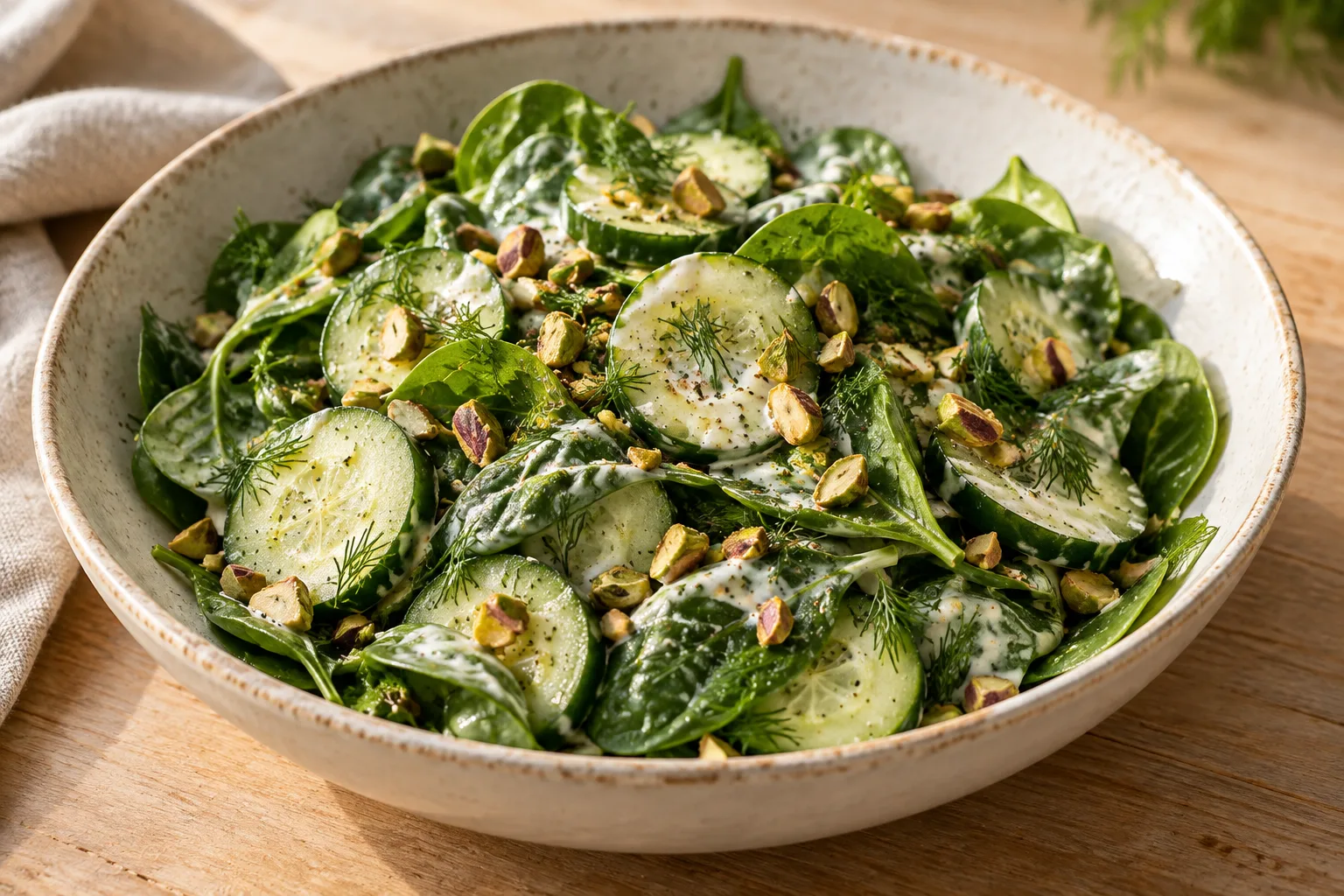
- Salad greens and oil-based vinaigrettes
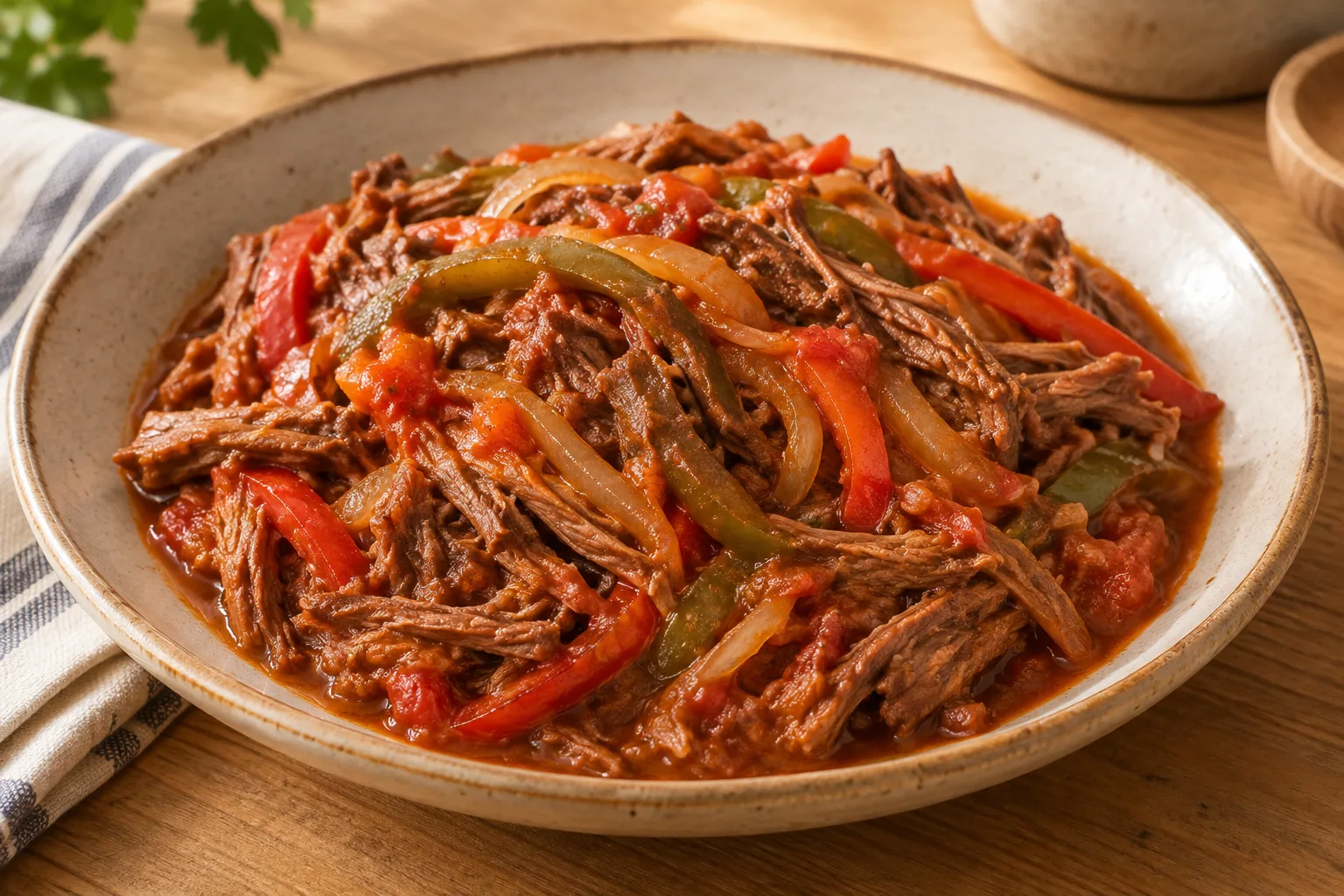
- Red meat, game, chicken and braised dishes
Frequently asked questions
What is red wine vinegar made from?
It is made from red wine, which undergoes further fermentation that converts alcohol into acetic acid.
How can I use red wine vinegar in cooking?
Use it in vinaigrettes, dressings, sauces, marinades and meat dishes. Add it gradually and taste to keep its acidity in balance.
Can I substitute white wine vinegar?
It can work when you want a milder result, but the flavor will differ. Adjust the amount to the recipe and taste before adding more.
Estimated nutrition
- Fat
- 0 g
- Saturates
- 0 g
- Carbohydrate
- 0 g
- Sugars
- 0 g
- Protein
- 0 g
- Salt
- 0 g
Sources and review
Automatically researched, cross-checked and validated content. Sources consulted:
- En el etiquetado alimentario hay algunas menciones que son obligatorias eletiquetadocuentamucho.aesan.gob.es
- Conoce los tipos de vinagre y sus usos | Consumer consumer.es
- ▶️ 10 Tipos de vinagre y sus usos en la cocina - Coosur coosur.com
- Vinegar • The Nutrition Source nutritionsource.hsph.harvard.edu
- Recetario Resumen cs.upc.edu
- A Guide to Cooking with Vinegar: Types, Uses & Flavor Profiles - Escoffier escoffier.edu
- Vinagre: propiedades, beneficios, tipos y usos en la cocina bonviveur.com
- 9 tipos de vinagre y usos en la cocina | El Diario Vasco diariovasco.com
- Aesan - Agencia Española de Seguridad Alimentaria y Nutrición aesan.gob.es
- PLIEGO DE CONDICIONES DE LA DENOMINACIÓN DE ORIGEN mapa.gob.es
- Vinagreta de Vino Tinto receta extension.oregonstate.edu
- Vinagreta tex-mex | University of Maryland Extension extension.umd.edu
- (PDF) EL VINAGRE academia.edu
- Vinagre de vino tinto | www.cocinista.es cocinista.es
- Vinagre de vino: diferencias, tipos y usos | Vinagres Prinz vinagreprinz.com.br