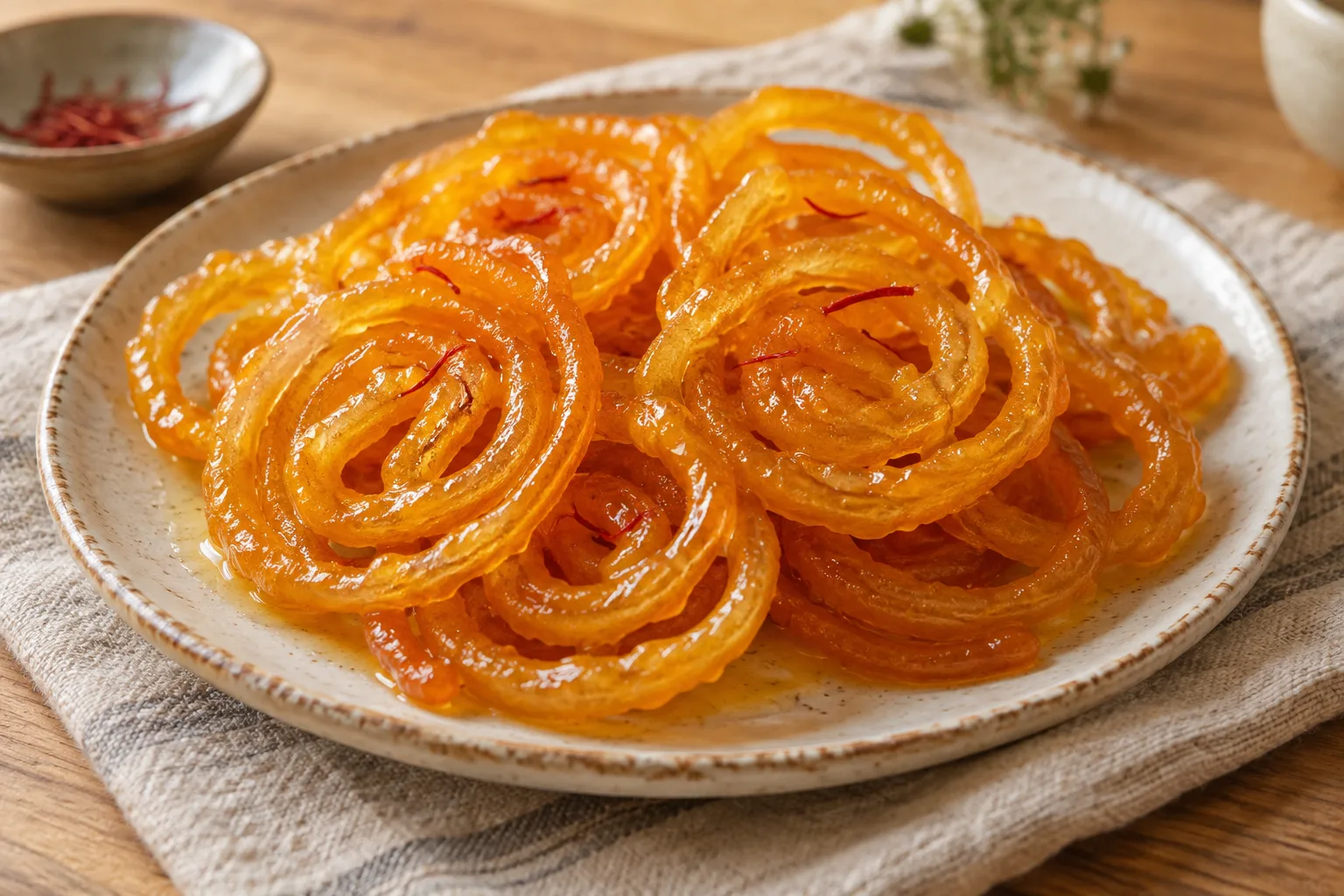
- Category
- Herbs and spices
- State
- Other
- Usual unit
- Variable
What it is
“Saffron for the batter” is the name supplied for this ingredient. The available information does not say whether the product is threads, powder, a liquid preparation or another form, nor does it describe the item sold under that name. It also provides no batter recipe that would confirm the ingredient’s role, amount or point of addition. One culinary source in the evidence package describes a light batter used for a fried preparation, but does not connect that method with saffron. This profile therefore retains the supplied classification and avoids asserting unsupported characteristics, origins or properties. Check the label and find product-specific instructions before using it.
When to use it
The name suggests use in batter, but the supplied evidence does not establish which recipes it suits or when to add it. Use it only when the package or a reliable recipe identifies the product and explains its application. Do not transfer a rice recipe that mentions saffron seasoning to batter: these are different contexts, and the source does not establish that they are interchangeable. If you cannot verify the ingredient’s form or directions, do not improvise an amount or method.
How to use it
Before cooking, check the package for the exact product name, form and directions. Find a verified recipe that specifically identifies the product and type of batter, and follow its guidance rather than guessing an amount or when to add it. The supplied documentation does not support advice on whether to add it dry, dissolve it, grind it, add it early or late, or prepare it in advance. A source in the evidence package explains that a preparation called “à la Romana” uses a light batter for frying, but it does not recommend saffron in that batter. Do not treat that description as a recipe for this ingredient.
Flavour and texture
The available documentation does not describe the aroma, taste, color or texture of the product called “saffron for the batter.” It cannot be characterized reliably, and different forms should not be assumed to behave alike when mixed or cooked. Consult the label and a product-specific recipe; do not adjust amounts based on general descriptions of other products called saffron.
How to choose it
Choose a product whose label clearly identifies its contents and the form in which it is sold. The supplied evidence does not establish quality criteria, origin, variety, preferred format or certifications for this use. Check that the directions are legible and relevant to the recipe you intend to make. If the label does not clarify whether the ingredient is saffron or how to use it, ask the seller or choose a product with clearly stated identity and use.
Storage
No product-specific storage directions were supplied, and the product’s form has not been confirmed. Follow the manufacturer’s instructions and keep the package and label available for reference. There is no sound basis here for recommending a temperature, container, storage period or method for a particular form such as fresh, dry or liquid; check the product itself.
Substitutions
The available evidence identifies no equivalent substitute for saffron intended for batter. A product mentioned in a rice recipe does not show that it can replace this ingredient in batter. If you do not have it, check whether the recipe allows omission without affecting the result; do not substitute another ingredient based only on its name, color or a presumed similarity.
Common mistakes
Do not assume that the name establishes the product’s form, flavor, quantity or method of use. Do not transfer a saffron mention from a rice recipe to batter, or mistake a description of fried batter for instructions to add saffron. The most avoidable mistake is cooking without checking the label or finding a recipe that matches the specific product.
Safety and allergens
The available information contains no product-specific warning. Check the label and follow the manufacturer’s directions; do not assume that an unidentified form or preparation is safe to use.
Culinary uses
- Laut der angegebenen Bezeichnung für eine Teigzubereitung vorgesehen; die konkrete Funktion ist nicht belegt.
- Die Verwendung sollte anhand der Produktkennzeichnung oder eines passenden Rezepts bestätigt werden.
Recommended techniques
- Produktform und Anwendungshinweise auf der Verpackung prüfen.
- Ein verifiziertes Rezept verwenden, das dieses Produkt ausdrücklich nennt.
Pairs well with
- Die im Produktnamen genannte Teigzubereitung; weitere Begleiter sind nicht belegt.
- Keine weiteren Kombinationen festlegen, solange kein passendes Rezept vorliegt.
Frequently asked questions
What form is saffron for batter sold in?
The available documentation does not specify. Check the product label; it does not establish whether the ingredient is threads, powder or another form.
When should I add it to batter?
There are no verified directions for this ingredient. Follow a recipe that identifies the product and explains when to incorporate it.
What can I use instead?
No equivalent substitute is documented. Check whether the recipe permits leaving it out, and avoid guessing at a replacement.
Sources and review
Automatically researched, cross-checked and validated content. Sources consulted:
- The Essential Glossary of Cooking Terms for the Culinary Arts - Escoffier escoffier.edu
- Agencia Española de Seguridad Alimentaria y Nutrición aesan.gob.es
- Qué es eso llamado epistemología, para qué sirve, por qué es inexcusable para la universidad y para la paz | Reencuentro. Análisis de problemas universitarios doi.org
- A Recipe for Memory: Hispanic Heritage as Told Through Cultural Dishes news.sunyempire.edu
- í cu Itu r^a - I2ev^sta a^ropecuar^a mapa.gob.es
- Capítulo I mapa.gob.es