- Category
- Herbs and spices
- State
- Dry
- Usual unit
- g
What it is
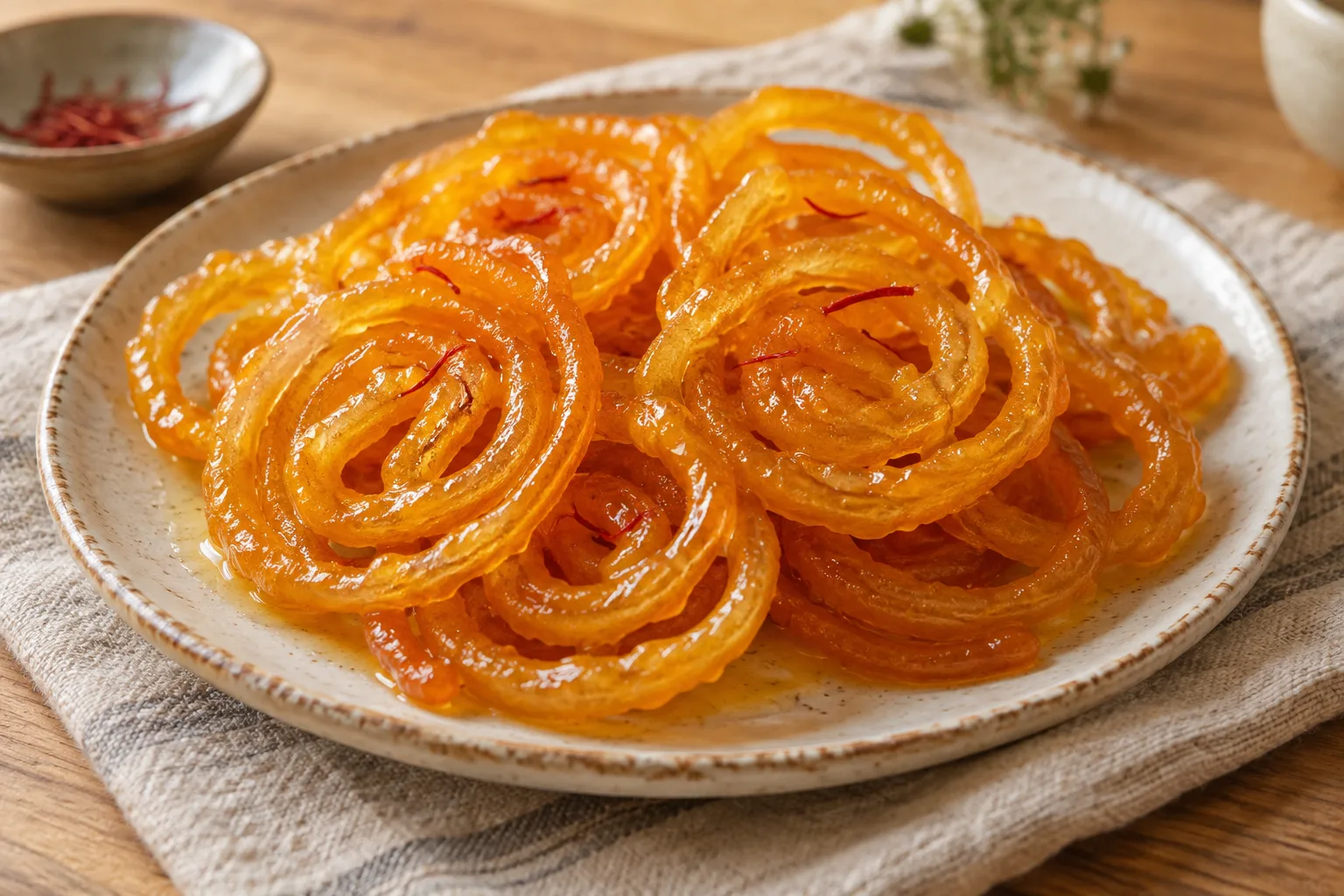
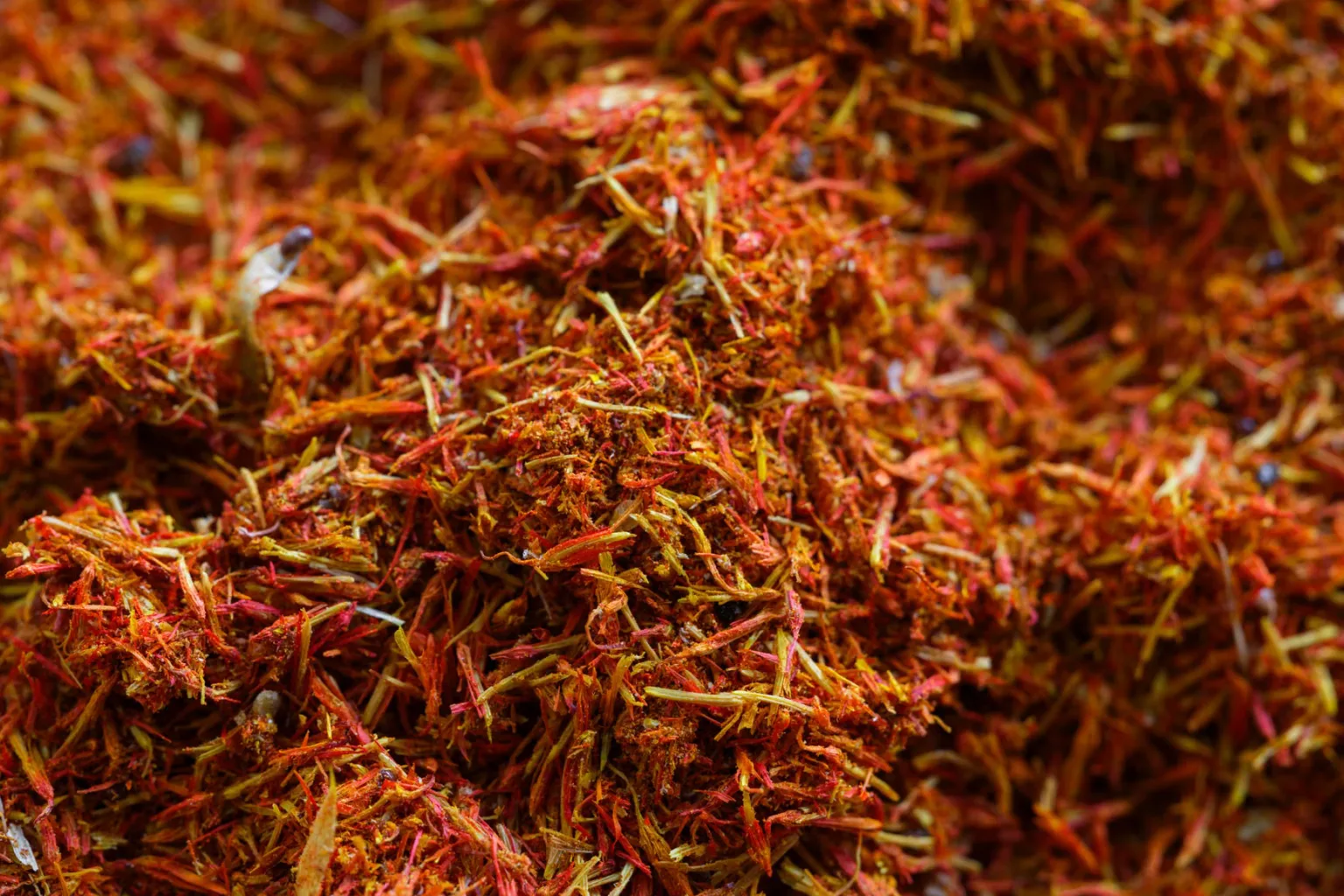
Culinary saffron comes from the stigmas of the Crocus sativus flower. It is sold as dried threads and also in forms such as powder or spray. For syrup, threads offer a practical way to extract and distribute aroma and color through an infusion. Its distinctive profile can contribute floral and earthy notes, as well as a slightly bitter edge. Because its flavor is potent, use it sparingly and taste the syrup as you prepare it. Saffron is not a fresh leaf: this profile classifies it as a dried spice, with the gram as the reference unit.
When to use it
Choose saffron when you want to perfume syrup for desserts, baking, or other sweet preparations where its distinctive aroma will work with the other ingredients. The available evidence also describes its use in desserts and drinks, though it does not provide a specific syrup recipe. If you need color alone and do not want the spice’s own flavor, saffron may not be the right choice. Add it sparingly and taste before increasing the amount.
How to use it
To flavor syrup, infuse the threads in a small amount of water or another liquid from the preparation, then add the infusion to the syrup. You can also crush the threads in a mortar before infusing them to help incorporate them. The available evidence does not establish universal quantities or timings: follow your recipe and build the flavor gradually, bearing in mind that saffron is potent. If you choose to toast the threads, do so very lightly; excessive toasting can burn them and add bitterness. Avoid unnecessarily prolonged cooking of the saffron.
Flavour and texture
Its distinctive aroma is described as floral and earthy, while its flavor can bring a slightly bitter note. Its contribution to syrup is primarily aromatic and coloring, rather than adding texture. Because the flavor is potent, a small amount can noticeably change the result; check its balance with the other ingredients.
How to choose it
Saffron is available as threads, powder, and, according to the available source, spray. Choose a product labeled for food use and check the format and declared origin on the package. Whole threads make the form of the product easy to see; format alone does not certify quality or authenticity.
Storage
Keep dried saffron in a tightly closed container in a cool, dry place away from light. These precautions are recommended to preserve its aroma and quality. Also follow the product label’s storage instructions, and avoid leaving the container open or exposed to moisture.
Substitutions
The evidence does not identify an alternative spice that reproduces both saffron’s aroma and flavor. Ground saffron and spray are other formats of the same ingredient, not substitutes with guaranteed equivalence. If using them, follow the package directions and taste before adding more.
Common mistakes
Do not use too much saffron: its flavor is potent and can dominate syrup. Avoid toasting the threads too much, as they can burn and turn bitter. Do not mistake dried saffron threads for fresh leaves or assume that powder and threads can be exchanged in equal proportions.
Safety and allergens
Use only a product labeled for food use and follow its package directions. The supplied evidence contains no specific official safety warning for culinary use; do not use saffron as a medical treatment.
Culinary uses
- Aportar aroma y sabor a caldos, arroces, sopas y salsas
- Dar color dorado a preparaciones saladas y dulces
- Perfumar postres y algunas bebidas
Recommended techniques
- Infusionar las hebras en un poco de agua o caldo antes de incorporarlas
- Machacar las hebras en un mortero
- Tostar muy ligeramente, evitando que se quemen
Pairs well with
- Arroz y paella
- Caldo, sopas y guisos
- Pescados y mariscos
- Salsas y postres
Frequently asked questions
Is saffron for syrup fresh or dried?
This profile refers to dried culinary saffron, commonly sold as threads; ground and spray formats are also available.
How should I add saffron threads to syrup?
You can infuse them first in a small amount of water or another liquid from the preparation, then add that infusion. The evidence gives no universal quantity, so follow your recipe and taste as you go.
Can I toast saffron before using it?
The evidence mentions light toasting but warns that excessive toasting can burn the threads and add bitterness. Toasting is not required for infusion.
Sources and review
Automatically researched, cross-checked and validated content. Sources consulted:
- Client Challenge doi.org
- The Essential Glossary of Cooking Terms for the Culinary Arts - Escoffier escoffier.edu
- Azafrán, el oro rojo de la cocina mediterránea - Secretos Del Sur secretosdelsur.com
- Origen del azafrán: propiedades, usos y secretos | Monastrell monastrell.com
- elBulli: un nuevo lenguaje en la gastronomía repositorio.ucjc.edu
- Glimpses of an 18th century Colonial Kitchen in Manila archium.ateneo.edu
- UTSA-Special-Collections-Recetas-Cookbook-2020.pdf lib.utsa.edu
- Mucho honra storage.lib.uchicago.edu
- biotecnología enzimática, industria alimentaria y ... repositorio.ucam.edu
- La historia detrás del azafrán de La Mancha y sus usos en la cocina alfileritos24.com
- Propiedades y recetas con azafrán hola.com
- Azafrán: el oro rojo de la gastronomía - Plantamus blog.plantamus.com