- Category
- Vegetables
- State
- Fresh
- Usual unit
- g
What it is
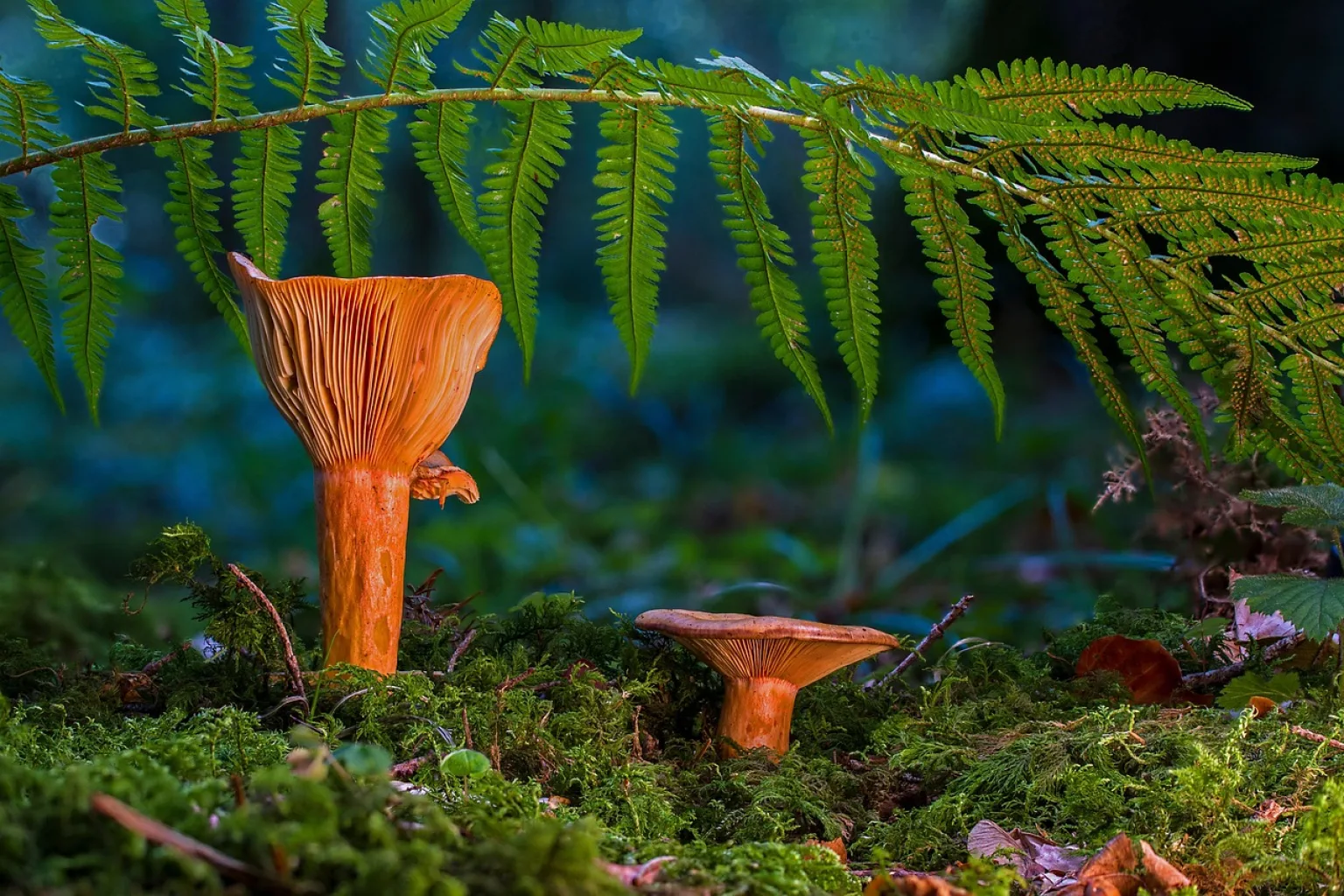
Saffron milk cap is a common name usually applied to Lactarius deliciosus and, depending on region or usage, to similar mushrooms in the Lactarius genus. In general terms, these mushrooms have an orange or reddish cap, often with concentric rings, and compact flesh. When cut, they may release orange latex and change color. Features vary among species and specimens, so a culinary description is not enough to identify a wild mushroom safely. In the kitchen, saffron milk caps are valued for their firm texture and pronounced flavor. The common name may be used more broadly in some regions than for a single species.
When to use it
Use them when you want a mushroom to contribute body and its own distinctive flavor rather than act as a neutral ingredient. They suit straightforward preparations such as grilling or sautéing, and also work in rice dishes, stews and pasta. Market availability is commonly associated with autumn, though it can vary by location and year. If buying wild mushrooms, make sure their identity has been confirmed by a reliable supplier before using them.
How to use it
Before cooking, carefully remove soil, leaves and other visible debris. The culinary sources consulted recommend cleaning them with a damp cloth or brush rather than rinsing under running water or soaking them; handle them gently to avoid breaking the flesh. Trim any damaged or dirty part of the stem if needed. Then grill, sauté or bake them, or add them to rice dishes, stews or pasta. In simple preparations, let their flavor stand out; in dishes with more ingredients, use them to add texture and character. Cook only specimens whose identity has been confirmed.
Flavour and texture
Saffron milk caps are described as flavorful and pleasantly aromatic, with earthy notes and firm, compact flesh that can be somewhat brittle. Their flavor may be acrid when raw, so they are generally enjoyed cooked. Appearance, aroma and intensity can differ among species sold or named in similar ways; color alone does not identify a specimen.
How to choose it
Choose fresh specimens with firm flesh and an intact appearance, but do not rely on color alone: shades vary, and related species can look alike. For wild mushrooms, buy from a supplier who can clearly identify the product. The common name “saffron milk cap” may cover related species, and a photograph or culinary description cannot replace reliable identification. If the mushroom’s identity cannot be confirmed, do not buy it for consumption.
Storage
The available information recommends eating saffron milk caps fresh without unnecessarily prolonged storage, since their physical qualities deteriorate over time. Handle them carefully and remove debris before cooking. The sources also mention freezing as a preservation option, but do not provide a precise home-storage period or complete instructions for every product. Follow the seller’s or package’s guidance, and do not assume a specific shelf life without reliable advice.
Substitutions
Lactarius sanguifluus and Lactarius salmonicolor are related species described as edible in the sources consulted, but they are not identical to the common saffron milk cap. Their appearance and some characteristics may differ, so do not assume they will behave exactly the same in a recipe. Consider them only when their identity and suitability for consumption have been confirmed by a reliable supplier; adjust their use to the dish and your taste.
Common mistakes
Do not treat a common name as reliable identification: some similar-looking mushrooms are not edible. Do not gather or eat wild specimens based only on a description, a photograph or color. During preparation, avoid rough handling and soaking; the available culinary guidance is to remove debris carefully with a damp cloth or brush.
Safety and allergens
This profile provides culinary information, not a guide to identifying wild mushrooms. Eat only specimens whose identity and suitability have been reliably confirmed; if in doubt, do not use them. Food information should help identify a product and explain safe use, but this profile does not replace supplier guidance or specialist identification.
Culinary uses
- Ingrediente principal en salteados y preparaciones a la plancha
- Aporte de sabor y textura a arroces, guisos y platos de pasta
Recommended techniques
- Saltear
- Cocinar a la plancha o a la parrilla
- Hornear
- Incorporar a arroces y guisos
Pairs well with
- Ajo y perejil
- Arroz y pasta
- Carne, incluido el conejo
Frequently asked questions
Are saffron milk caps always Lactarius deliciosus?
Not necessarily. The common name usually refers to Lactarius deliciosus, but it may also be used for related species. Check the product’s identity, especially if it is wild.
How should I clean them before cooking?
Remove soil with a brush or damp cloth and handle them gently. The culinary sources consulted advise against rinsing them under running water or soaking them.
What dishes can I make with them?
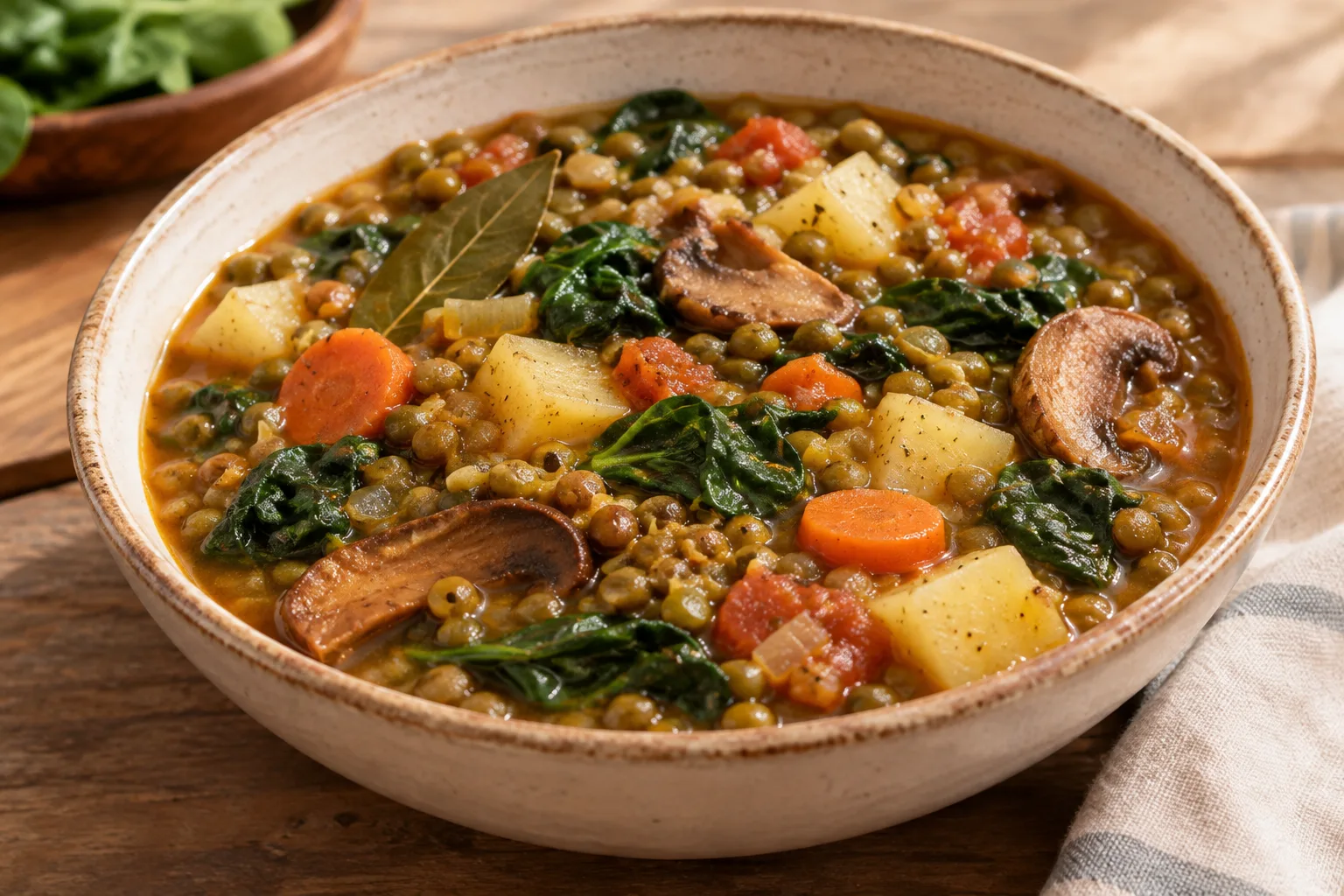
Grill, sauté or bake them, or add them to rice dishes, stews and pasta. Their firm texture and pronounced flavor also make them suitable as a main ingredient.
Sources and review
Automatically researched, cross-checked and validated content. Sources consulted:
- En el etiquetado alimentario hay algunas menciones que son obligatorias eletiquetadocuentamucho.aesan.gob.es
- Client Challenge doi.org
- Cooking Food Storage | USU extension.usu.edu
- The Essential Glossary of Cooking Terms for the Culinary Arts - Escoffier escoffier.edu
- Revista del comité científico de la aecosan número 24 aesan.gob.es
- Food Selection & Storage | Home & Garden Information Center hgic.clemson.edu
- Níscalos mapa.gob.es
- CULINARY ARTS (CULA-12.05) - Catalog 2025-2026 nicholls.edu
- (PPT) CONCEPTS THEORIES IN CULINARY ARTS academia.edu
- Níscalos o rebollones: qué es, beneficios y cómo cocinarlos finedininglovers.com
- Níscalos: propiedades, beneficios y su uso en la cocina vitonica.com
- Níscalos: qué son y cómo diferenciarlos del resto de setas pandesetas.com
- Características, propiedades, variedades y usos culinarios del rebollón o níscalo: guía completa jardineriaon.com
- Níscalos: propiedades, beneficios y cómo comer estas setas mundodeportivo.com
- Níscalos, una de las setas más populares y sabrosas en España para este otoño mejorconsalud.as.com
- Tipos de níscalos - Las mejores claves para diferenciarlos recetasgratis.net
- Níscalos o robellones: cómo seleccionar esta seta otoñal, propiedades, usos y recetas directoalpaladar.com
- La seta más famosa del otoño: propiedades, beneficios y recetas con níscalos | leonoticias.com leonoticias.com