- Category
- Herbs and spices
- State
- Dry
- Usual unit
- g
What it is
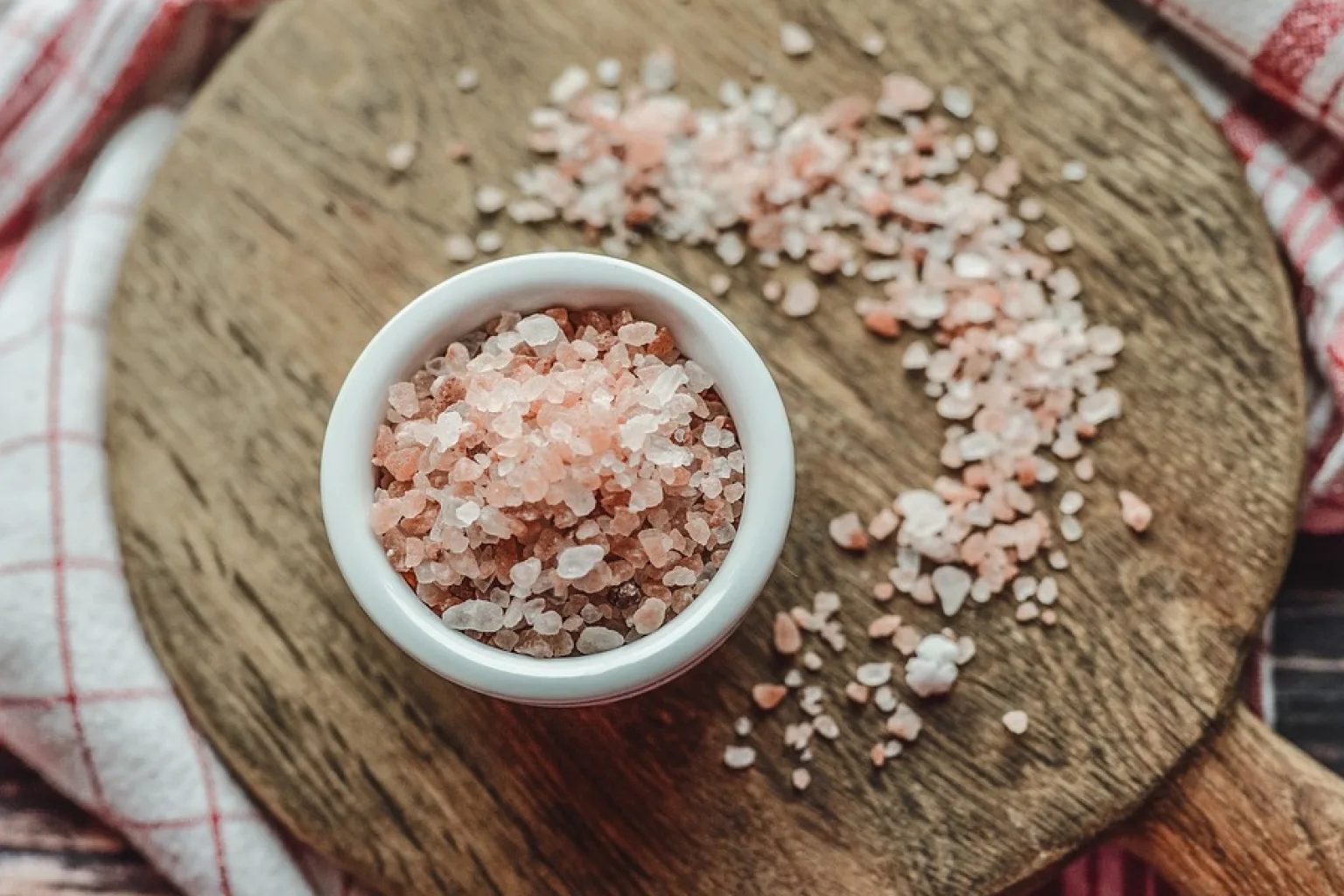
Salt is a mineral seasoning with a characteristic salty taste. In cooking, it is used to season food and to enhance some flavors or soften others. The name “salt for seasoning seafood” describes an intended use rather than one particular variety: it could refer to table salt or another salt with a different crystal size and texture. Fine salt is convenient for blending into a preparation, while larger crystals can serve a different purpose. Salt varieties do not all feel or dissolve in the same way, so check the product description and choose a texture suited to the result you want.
When to use it
Use it when you want to season a seafood or fish preparation, adding it during cooking or at the end depending on the texture you want. Fine salt is convenient for distributing through soups, stews, and other preparations. Coarse crystals may suit a more pronounced texture and are used for some fish cooked in salt. Since salt can enhance or modify the perception of other flavors, begin with a little, taste, and add more only if needed.
How to use it
Add salt gradually and distribute it evenly so that the seasoning does not collect in one spot. Fine salt is easy to incorporate into soups, stews, and similar dishes during cooking; taste before making an adjustment. For serving, a coarser salt can be used when you want the crystals to remain noticeable. Coarse salt is also used in some fish preparations cooked in salt. Adjust your method to the salt and the dish: crystal shapes and sizes vary, and texture affects how the salt is experienced. Do not treat this description as a fixed measurement; no universal quantity is established here.
Flavour and texture
Salt tastes salty and can enhance some flavors or soften others. In cooking, varieties differ chiefly in refinement, crystal size, and texture; these differences affect how salt is perceived and distributed. Fine salt blends readily, while larger crystals are more noticeable when eaten. The product's intended-use name does not, by itself, identify a particular texture.
How to choose it
Check the package to see whether the product is fine, sea, coarse, flaked, or another kind of salt. Crystal size affects how it is used: a fine texture is convenient for mixing in, while larger crystals are more noticeable as a finish or in particular preparations. Commercial names can differ between producers, so read the product description rather than relying on the name alone.
Storage
The available evidence does not specify storage conditions for this particular salt. As a prudent approach, follow the package directions and do not use it if the package is damaged or the product is visibly contaminated. Keeping it closed helps keep it clean and easy to handle, but no shelf life or specific storage temperature is stated here.
Substitutions
You can replace fine salt with another variety, such as sea salt or coarse salt, but crystal size and texture affect how it distributes and feels in the dish. Adjust gradually and taste as you go. Substituting one salt for another can preserve the seasoning role, but it does not guarantee an identical result.
Common mistakes
Avoid adding a large amount at once: salt can enhance or modify flavors, and an over-seasoned dish is difficult to correct. Another common mistake is treating fine salt, coarse salt, and flakes as if they had identical textures and uses. Check the label, add gradually, and taste before seasoning again.
Safety and allergens
The supplied evidence identifies no specific safety warning for this culinary salt. Follow the package directions and do not use it if it is visibly contaminated. Add it gradually so you can control the seasoning.
Culinary uses
- Condimento para sazonar
- Potenciador del sabor
Recommended techniques
- Añadir durante la cocción para sazonar el conjunto
- Usar sal gruesa en preparaciones de pescado cocinadas con sal
Pairs well with
- Pescado
- Carnes, guisos y sopas
Frequently asked questions
What kind of salt is salt for seasoning seafood?
The name describes a culinary use, not one unique variety. Check the package to see whether it is fine, sea, coarse, flaked, or another kind.
When should I add it?
Add it during cooking to season the dish throughout, or at the end when you want to control the finish. Add a little at a time and taste.
Can I substitute coarse salt?
You can use another salt variety, but coarse crystals feel different and distribute differently from fine salt. Adjust the amount gradually.
Sources and review
Automatically researched, cross-checked and validated content. Sources consulted:
- 15 tipos de sal para dar variedad a nuestros platos: cómo elegirlas y usarlas en la cocina directoalpaladar.com
- Sal Marina: Qué es, cuál es su historia y cuáles son sus beneficios - Monti pmonti.com
- Washington State Food Access English-Spanish Glossary wpcdn.web.wsu.edu
- Nutrition After Your Transplant - Health Online healthonline.washington.edu
- FSHN14-05s/FS275: De Compras Para la Salud: Mariscos ask.ifas.ufl.edu
- Guía de Alimentos Caseros 2026 - Illinois Extension extension.illinois.edu
- Los tipos de sal y sus usos en la cocina | Recetas Nestlé recetasnestle.com.mx
- Vamos a Conservar Alimentos: Sopas extension.psu.edu
- Orientaciones para la elaboración de menús saludables y ... aesan.gob.es
- Los expertos siguen buscando el origen del COVID-19: ¿por qué es preocupante? doi.org
- Family Food Cent$ newsletter - febrero 2022 - SDSU Extension extension.sdstate.edu
- Salsa de frijoles negros en capas - Extension Kenosha County kenosha.extension.wisc.edu
- Coma Bien gero.usc.edu
- - YouTube youtube.com
- Historia de la sal - Wikipedia, la enciclopedia libre es.wikipedia.org