- Category
- Dairy and eggs
- State
- Fresh
- Usual unit
- g
What it is
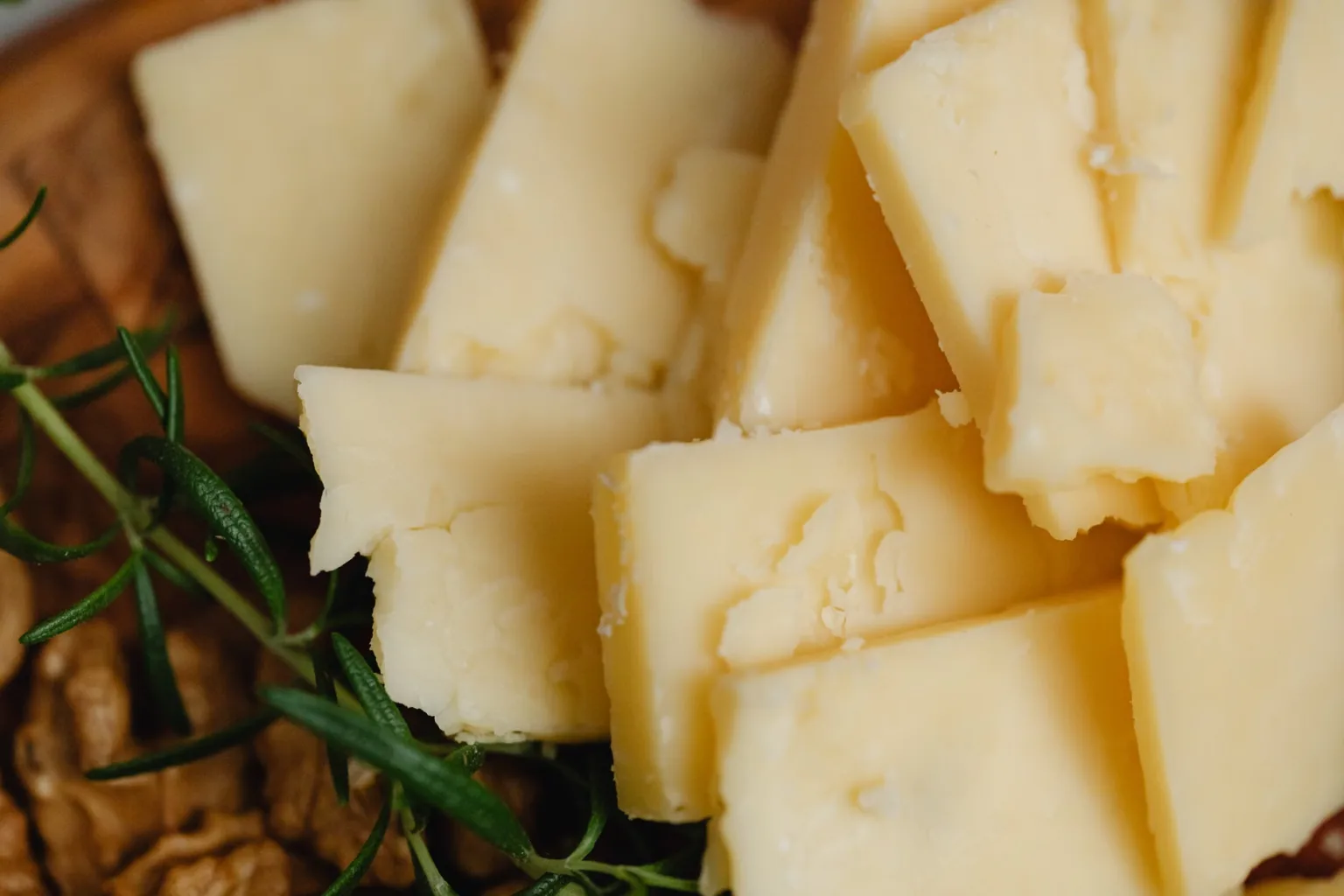
Scamorza is a pasta-filata cheese, meaning its curd is worked with heat until it becomes elastic and moldable. It is commonly made with cow’s milk, though versions made with other milks also exist. The cheese is often recognizable by its pear-like shape and narrow top. It is sold plain or smoked. Plain scamorza has a mainly milky, mild profile; the smoked version has a more pronounced aroma and flavor. Compared with fresh mozzarella, scamorza is generally more compact and less moist. Its texture and ability to melt make it useful in hot dishes, while it can also be sliced and served without cooking.
When to use it
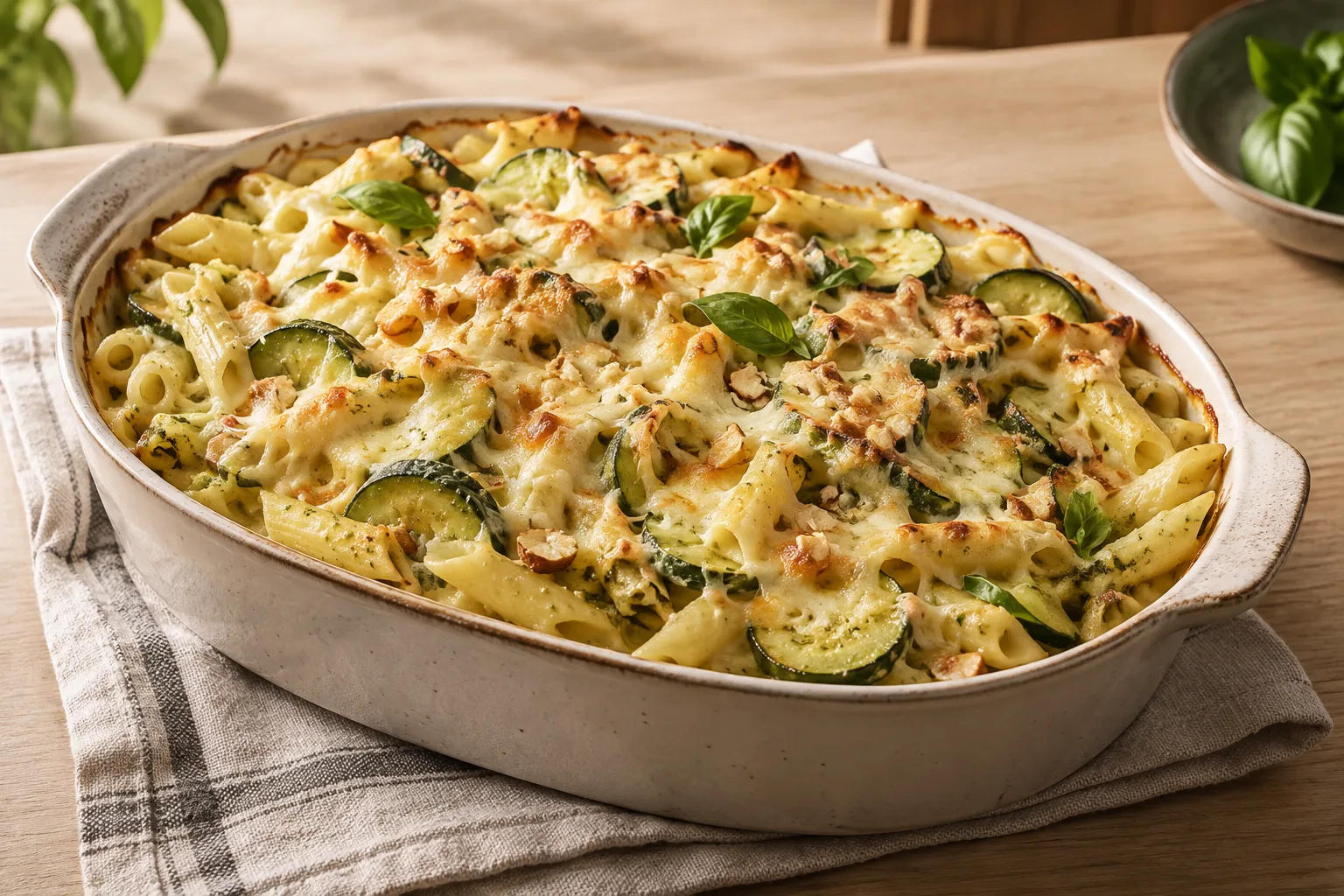
Choose scamorza when you want a cheese that melts and brings more body than fresh mozzarella without disappearing entirely into the dish. Plain scamorza suits recipes where you want a mild, milky note; smoked scamorza adds a stronger accent to simple preparations. Use it on pizza, in baked pasta, on focaccia or toast, or over vegetables before baking. It can also be sliced for a cheese board or eaten without cooking. Flavor and moisture vary between versions and producers, so taste the cheese before deciding how much salt a recipe needs.
How to use it
Remove the packaging and cut the scamorza into slices, cubes or pieces to suit the dish. For pizza, toast, baked pasta or vegetables, arrange it over the other ingredients and heat until it softens and melts to your liking. Smoked scamorza can dominate a delicate dish, so begin with a moderate amount. You can also cook slices on a hot griddle or add pieces to cooked pasta so the heat of the dish softens them. To enjoy its flavor without melting it, serve it sliced or cubed with bread. Check the product label for its ingredients and any specific storage or use instructions.
Flavour and texture
Plain scamorza tastes milky and slightly salty, with a firm, compact and elastic texture. It softens and melts when heated, while it may retain some structure. The smoked version has a more intense aroma and flavor, giving a dish a stronger cheese presence. The exact profile can vary with the milk and how the cheese is made; pieces will not all have identical flavor, moisture or firmness.
How to choose it
Check the label to see whether the cheese is plain or smoked, and review its ingredient and allergen information. The milk used can vary, so do not assume every product is identical. For cooking, choose plain scamorza when you want a milder result and smoked scamorza when you want the cheese to stand out. If buying it cut to order, ask for a piece and thickness suited to your intended use.
Storage
Store scamorza according to the product label, since storage directions can depend on the particular product and how it is sold. Keep the label and the producer’s date information, and wrap the cheese again after opening to limit exposure to air. Follow any special conditions or after-opening guidance on the package; one storage duration cannot be assumed for every scamorza.
Substitutions
Mozzarella is the closest straightforward substitute when you need a melting cheese, though it may contribute more moisture and a milder flavor. It will not reproduce the smoky aroma of smoked scamorza when that flavor is central to the dish. Another pasta-filata cheese with good melting qualities may also work, but the result will depend on its moisture, flavor and behavior when heated.
Common mistakes
Do not assume all scamorza tastes the same: smoked scamorza is more assertive than the plain version. Nor is mozzarella a perfect swap when a recipe depends on scamorza’s firmer texture or smoky notes. If the cheese is salty or smoked, taste the dish before adding more salt. Follow the package’s storage directions rather than assuming every piece keeps for the same length of time.
Safety and allergens
Scamorza is made with milk and may not be suitable for people with a milk allergy. Check the label, especially for products with added ingredients, and ask the seller if allergen information is unclear. Store and use the cheese according to the package directions.
Culinary uses
- Melting cheese for pizza, pasta, focaccia and baked dishes
- Table cheese for slicing and serving with bread
Recommended techniques
- Melt over pizza, pasta, vegetables or toast
- Grill or cook on a hot surface
- Serve sliced or cubed without cooking
Pairs well with
- Bread and tomato
- Pasta and baked dishes
- Vegetables
- Mushrooms, especially with smoked scamorza
Frequently asked questions
What is the difference between plain and smoked scamorza?
Plain scamorza has a milder, more milky profile. Smoked scamorza has a more pronounced aroma and flavor. Choose according to how prominent you want the cheese to be.
Can scamorza be eaten without cooking?
Yes. It can be served sliced or cubed as well as used in hot dishes.
Can I use scamorza instead of mozzarella?
Scamorza can replace mozzarella in many cooked dishes. It is generally more compact, and its flavor—especially when smoked—may be stronger.
How should scamorza be stored?
Follow the product label. After opening, wrap it again and observe the producer’s storage and use instructions.
Estimated nutrition
- Fat
- 25 g
- Saturates
- 10.7 g
- Carbohydrate
- 3.57 g
- Sugars
- 0 g
- Fibre
- 0 g
- Protein
- 21.4 g
- Salt
- 1.43 g
Sources and review
Automatically researched, cross-checked and validated content. Sources consulted:
- En el etiquetado alimentario hay algunas menciones que son obligatorias eletiquetadocuentamucho.aesan.gob.es
- Client Challenge doi.org
- Cooking Food Storage | USU extension.usu.edu
- PGI-ES-02307 Revisión 1 Página 1 de 8 PLIEGO DE CONDICIONES DE LA mapa.gob.es
- Cheese-Storage-Bulletin-4-8-20.pdf cdr.wisc.edu
- Handling of Cheese for Safety & Quality | Home & Garden Information Center hgic.clemson.edu
- 5 Major Cheese Styles Every Chef Should Know ice.edu
- Making Homemade Cheese | New Mexico State University - BE BOLD. Shape the Future. pubs.nmsu.edu
- Aesan - Agencia Española de Seguridad Alimentaria y Nutrición aesan.gob.es
- (PDF) African Journal of Microbiology Research Development and characterization of a symbiotic cheese added with Saccharomyces boulardii and inulin academia.edu
- Development of tools to improve the microbiological safety ... asset.library.wisc.edu
- Conoce el queso Scamorza: origen, características y recetas totale.es
- Scamorza: Descubre el Queso Italiano que Revoluciona tu Tabla de Embutidos donquesotori.es
- Scamorza: el queso que no puede faltar en tu cocina. spaghettiemandolino.it
- Queso Scamorza: Qué es, tipos, sabor y cómo se come lafamigliarestaurantes.com
- La scamorza: un queso, muchas recetas - La Bottega Clandestina labottegaclandestina.com
- Scamorza - Wikipedia, la enciclopedia libre es.wikipedia.org
- 'Scamorza': todas las propiedades de este queso italiano y tres recetas para explorar su sabor eldiario.es