- Category
- Nuts and seeds
- State
- Other
- Usual unit
- Variable
What it is
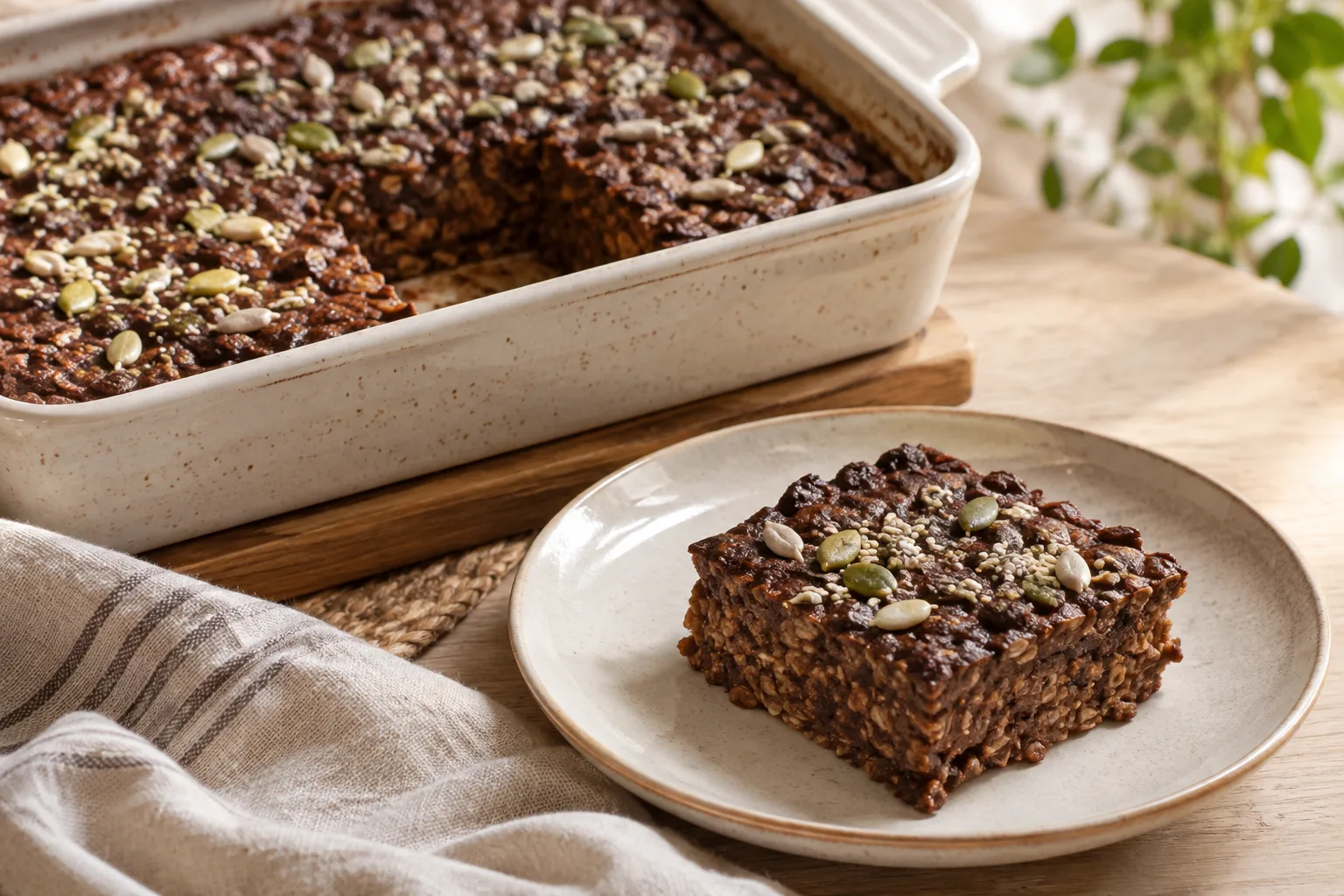
“Seeds for garnish” is a broad culinary description, not the name of one particular seed. It can mean individual edible seeds or a prepared mix intended to be sprinkled over food as a visible finishing touch. Sunflower and pumpkin seeds are examples used in culinary preparations; mixes can include other varieties. There is therefore no single flavor, size, or texture profile for this category. Check the package for the names of the seeds it contains, and decide how to use them according to the actual ingredients rather than assuming that all products with this name are alike.
When to use it
Use them when you want a visible finish and a textural contrast, rather than making seeds the main ingredient. They can work on salads, puréed soups, and vegetables, as well as in bread or baked goods. The result depends on the variety and whether it is used plain or toasted. If you want a particular flavor or need to avoid a specific seed, check the ingredients: “seeds for garnish” alone does not say which varieties the product contains.
How to use it
First check that the product is labeled for food use and read the ingredient list, especially for a mix. Sprinkle a small amount over the dish when serving so the seeds remain visible and provide contrast. Sunflower or pumpkin seeds can accompany salads and puréed soups; other seeds are used in bread and baked goods. If you want to toast them, do so only when the variety is suitable for that use and avoid scorching them; let them cool before adding. Do not assume that every seed needs soaking, grinding, or cooking: use depends on the specific seed and product.
Flavour and texture
There is no single flavor for this category: it depends on the seed or mix. As a finish, seeds can add visual interest and a crunchy contrast, but size and intensity vary among varieties. Preparation also affects the result; do not assume every seed tastes the same after toasting. Check the product directions and choose according to the dish.
How to choose it
Choose a product clearly identified as food and check which seeds it contains rather than relying on a generic name. Make sure the package is intact and that there is no visible moisture, unusual clumping, or obvious sign of deterioration. If a recipe depends on a particular variety, buy it identified by name rather than as a mix of uncertain composition. Read the label as well if you need to check whether it contains a specific seed.
Storage
Keep the product dry, tightly closed, and protected from moisture and heat, following the food package directions first. A seed-storage guide recommends an airtight container in a cool place for dry seeds, but it does not establish the conditions for every commercial food product. Follow any specific label directions and avoid combining newly opened product with older leftovers.
Substitutions
You can replace a mix with sunflower or pumpkin seeds when the recipe only needs a crunchy finish and those varieties suit the dish. Sesame or flax may work in other preparations, but they change the flavor and texture. Before substituting, check that the alternative is intended for eating and review its ingredients if you need to avoid any of them.
Common mistakes
Do not assume that every mix called “seeds for garnish” has the same ingredients or flavor. Avoid adding one without checking the package when you need a particular variety. Do not apply the same technique to every seed either: varieties and product directions can differ.
Safety and allergens
Use a product labeled for food use and check the ingredient list, especially if you need to avoid a particular seed. A generic name alone does not confirm what a mix contains; also follow the package directions.
Culinary uses
- Acabado decorativo y contraste visual
- Aporte crujiente en platos dulces o salados
Recommended techniques
- Espolvorear semillas comestibles sobre el plato al servir
- Tostar solo las variedades cuya etiqueta o uso culinario lo permita
Pairs well with
- Ensaladas, cremas y verduras
- Panes, galletas y otros productos de repostería
Frequently asked questions
What seeds are in a garnish mix?
There is no standard composition. Check the package ingredient list; the general name does not identify the varieties.
Can I toast them before using them?
Some seeds are used toasted, but there is no one instruction that applies to every variety. Check the product and toast only seeds suitable for that use.
Where can I sprinkle them?
Try them on salads, puréed soups, vegetables, bread, or baked goods. Choose according to the specific seeds and the flavor you want.
Sources and review
Automatically researched, cross-checked and validated content. Sources consulted:
- Client Challenge doi.org
- Cooking Food Storage | USU extension.usu.edu
- Aesan - Agencia Española de Seguridad Alimentaria y Nutrición aesan.gob.es
- (PDF) Almacenamiento de semillas academia.edu
- 1 PM 1893 April 2003 Iowa State University Horticulture Guide Home Gardening walworth.extension.wisc.edu
- Guardar semillas de hortalizas | Extensión de la UMN es.extension.umn.edu
- Bulletin #2750, An Introduction to Seed Saving for the Home Gardener - Cooperative Extension Publications - University of Maine Cooperative Extension extension.umaine.edu
- El Gran Escape de la Planta - Semillas -- ¿Comer o no comer? web.extension.illinois.edu
- Seeds: Collecting & Storing | UC Marin Master Gardeners ucanr.edu
- Ensalada de semillas | University of Maryland Extension extension.umd.edu
- Usos de semillas para cocinar: chía, amapola, hinojo y más -canalHOGAR hogar.mapfre.es
- Estas son las semillas que más utilizamos en la cocina hola.com
- 9 tipos de semillas comestibles amazonical.com
- Usos de las semillas en la cocina | ITAC Profesional itac-professional.com
- Especias de la A a la Z | Cocimania cocimania.com
- Semillas Comestibles Para Repostería Y Pastelería | CreaTuSabor creatusabor.com