- Category
- Oils and fats
- State
- Liquid
- Usual unit
- tablespoon
What it is
Sesame oil is a plant oil made from sesame seeds, the seeds of Sesamum indicum. A technical definition of refined sesame oil describes it as fixed oil obtained from seeds of one or more cultivated varieties of the plant. Not every bottle has the same profile: seeds may be pressed without toasting or after toasting, and a product may be refined or retain a more pronounced flavor. As a result, color and aroma vary; oil made from toasted seeds is often darker and more assertive than oil made from untoasted seeds. Before cooking, check the label to find out whether the product is pure sesame oil, a blend or a toasted variety. Those distinctions also help guide its use: an aromatic oil can work especially well as a seasoning, while a milder one may serve as a cooking fat if the product is intended for that purpose.
When to use it
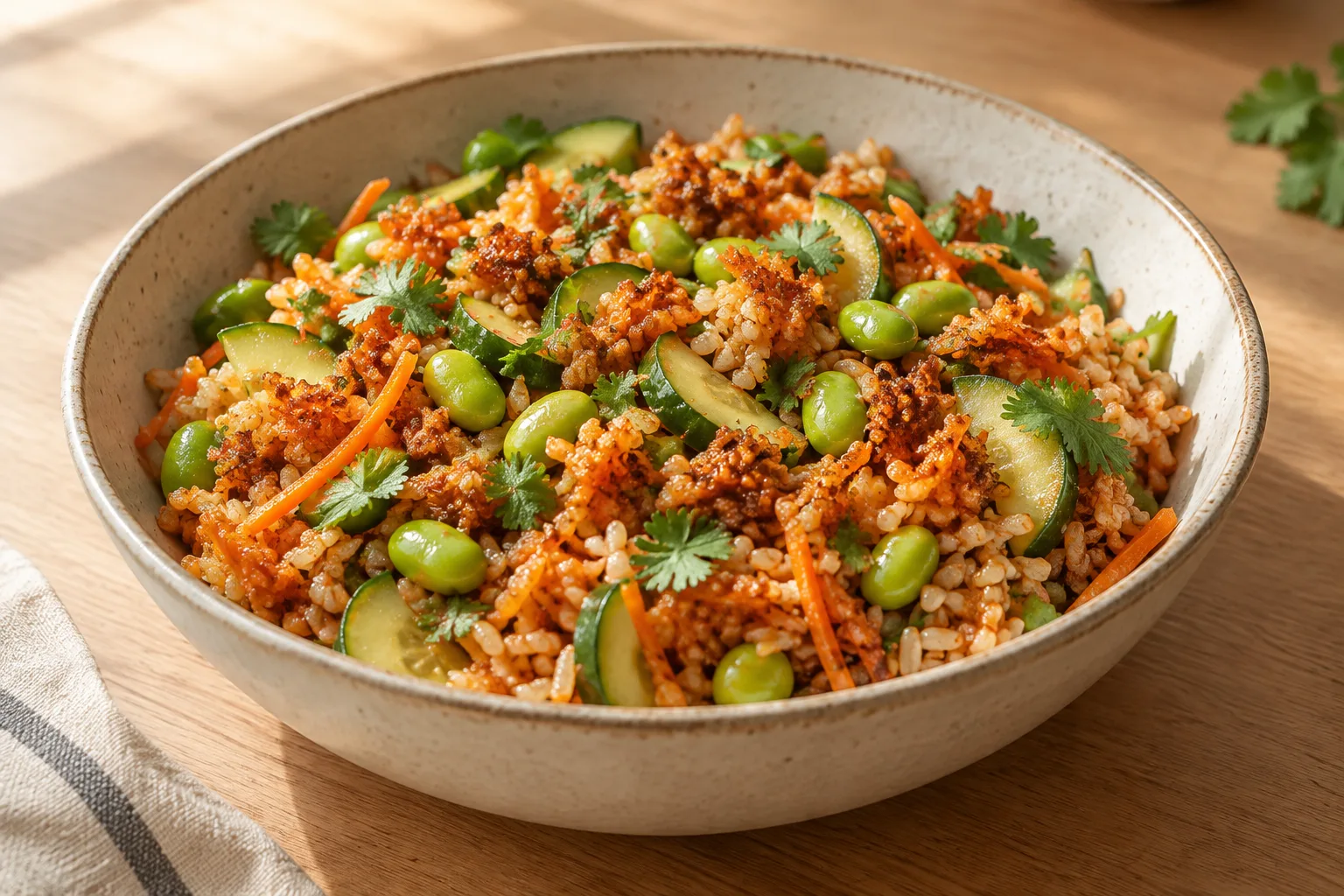
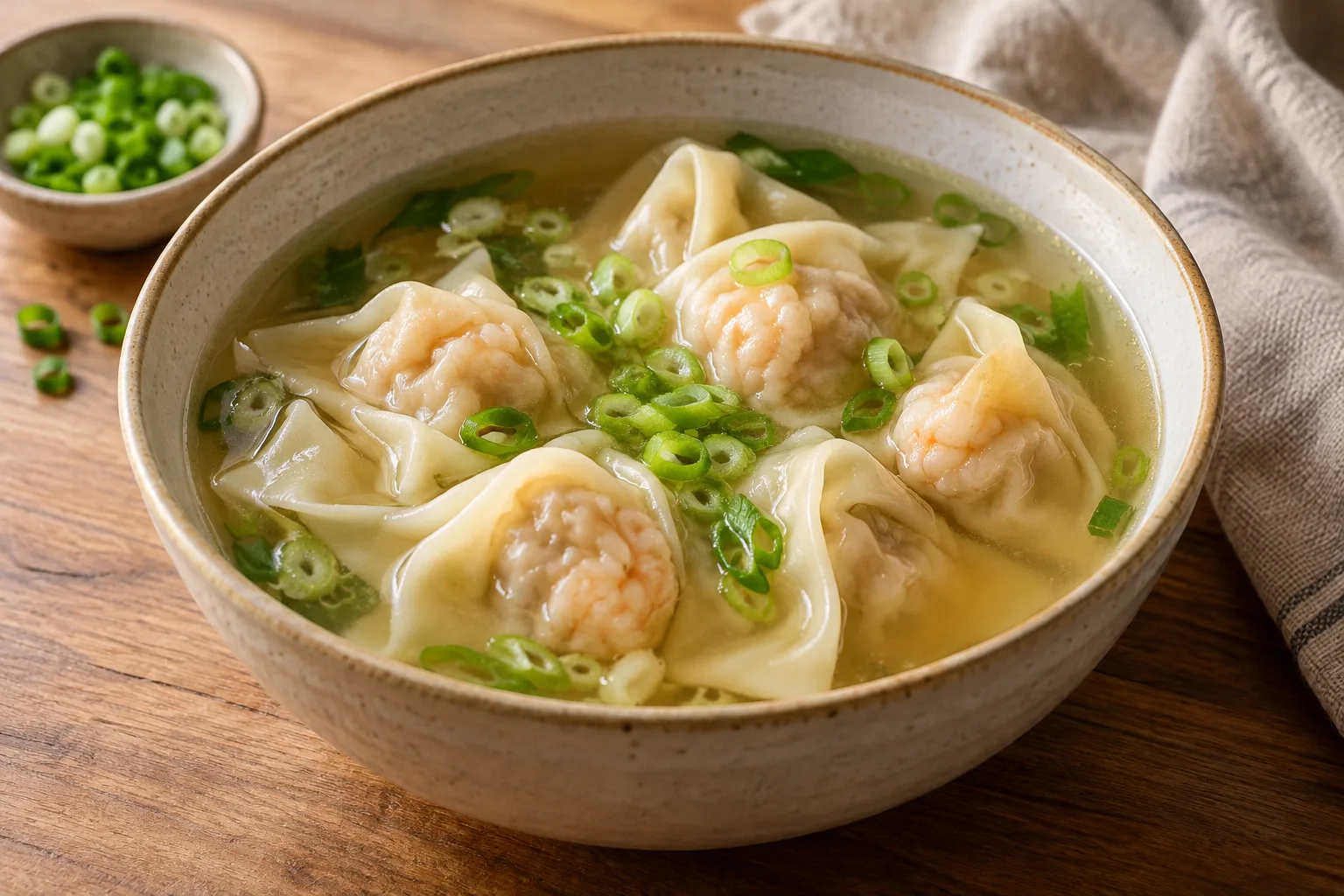
Choose sesame oil when you want a dish to have its distinctive sesame character rather than the neutral flavor of a plain cooking oil. An aromatic toasted variety can add a pronounced finishing note to noodles, soups, rice, sauces and stir-fries; a few drops may be enough for its aroma to stand out. In dressings and marinades, combine it with other ingredients to spread its flavor through the dish. If you mainly need a cooking fat and do not want sesame to dominate, choose a milder variety and check the label for its intended use. Do not assume that every sesame oil behaves the same way under heat: varieties and product directions can differ.
How to use it
Start with a small amount, especially if the oil is toasted and strongly aromatic, and taste the dish before adding more. For a simple finish, drizzle a few drops over prepared noodles, rice, soup or a stir-fry. For a dressing, sauce or marinade, mix it with the other ingredients and adjust the flavor gradually. It can also be used during cooking as a fat or stir-frying medium if the variety you bought is intended for that use; not every sesame oil needs to be used in the same way. Read the label to distinguish pure sesame oil from a blend and to check whether the seeds were toasted. When cooking with it, do not assume a strongly flavored variety will give the same result as a milder one. Sesame oil can enhance hot and cold dishes, but its intensity may mask other flavors if added without tasting.
Flavour and texture
Sesame oil is fluid and adds both fat and aroma. Its flavor recalls the seeds from which it is made. Varieties made from toasted seeds often have a deeper, toasted and more pronounced profile; those made from untoasted seeds can be milder and less intense. Color can also vary with the type of seed and how it was prepared, so no single shade identifies every product. Check the label and use the product description and aroma to guide how much to add.
How to choose it
Read the label to confirm that you are buying sesame oil and to check whether it is pure, blended, toasted or made from untoasted seeds. Toasted oil is often more strongly flavored, while untoasted varieties may be milder; color alone does not reveal every product characteristic. If you need a cooking fat rather than just a seasoning, check that the product is indicated for that purpose. Also review the ingredient list and allergen information on the package.
Storage
Keep the oil tightly closed and away from light and heat, following the storage directions on the package. Avoid leaving it beside a heat source such as a stove if the spot gets warm. Guidance can depend on the particular product, so do not replace the label’s instructions with a universal rule about refrigeration or shelf life. Before use, check that the container and oil show no changes that make you doubt their condition.
Substitutions
A neutral-tasting vegetable oil can replace sesame oil when you only need cooking fat, but it will not provide sesame’s distinctive aroma. Peanut oil may work for some cooking uses, although it has its own flavor and is not an allergen-free substitute. If sesame oil is contributing its aroma, swapping it for another oil will change the result; adjust the amount and taste rather than expecting an identical flavor.
Common mistakes
A common mistake is treating all sesame oils as if they have the same intensity and purpose. Toasted oil can be strongly aromatic, so adding a large amount at once may hide the other ingredients. It is also unwise to choose an oil for a cooking method without checking its variety and package directions, or to expect a neutral substitute to reproduce sesame flavor.
Safety and allergens
Sesame may be relevant to people with a sesame allergy. If an allergy is present, check the product’s ingredients and allergen information and avoid consuming it when appropriate; follow advice from a healthcare professional. Follow the package directions for storage and use.
Culinary uses
- Grasa de cocción
- Condimento y aromatizante
Recommended techniques
- Añadir unas gotas al final de la cocción o justo antes de servir
- Incorporar a aliños, salsas y marinados
- Usar como medio de cocción cuando la variedad y la etiqueta del producto sean apropiadas
Pairs well with
- Fideos y salsas para fideos
- Sopas y caldos
- Arroz y salteados
- Ensaladas y aliños
Frequently asked questions
Is toasted sesame oil the same as mild sesame oil?
Not necessarily. Oil made from toasted seeds is often more aromatic and pronounced; varieties made from untoasted seeds may be milder. Check the label.
How can I use it without letting it overpower a dish?
Start with a small amount, particularly if it is toasted, and add it gradually to dressings, sauces or finished dishes. Taste before adding more.
Can I use any sesame oil for frying?
Do not assume that you can. Varieties and intended uses can differ, so check the label and choose a product indicated for your cooking method.
Estimated nutrition
- Fat
- 100 g
- Saturates
- 14.2 g
- Carbohydrate
- 0 g
- Sugars
- 0 g
- Fibre
- 0 g
- Protein
- 0 g
- Salt
- 0 g
Sources and review
Automatically researched, cross-checked and validated content. Sources consulted:
- En el etiquetado alimentario hay algunas menciones que son obligatorias eletiquetadocuentamucho.aesan.gob.es
- Aesan - Agencia Española de Seguridad Alimentaria y Nutrición aesan.gob.es
- Platillos de sésamo (izq.) y arroz Sésamo, ajonjolí o alegría, mapa.gob.es
- Aceite de Sésamo doi.org
- Sesame in East Asia - Clarifying Butter - LibGuides at Conrad N. Hilton Library library.culinary.edu
- Sesame Seed Oil Properties - Oklahoma State University | Oklahoma State University extension.okstate.edu
- Academia.edu | (PDF) Extraction and Bottling Of Cooking Oil from Sesame Seeds academia.edu
- Sesame | Iowa State University Extension and Outreach Alternative Agriculture extension.iastate.edu
- Sesame-Production Guide - Texas A&M AgriLife Research and Extension Center at San Angelo sanangelo.tamu.edu
- Choose the Best Cooking Oil uaex.uada.edu
- ¿Qué es el aceite de sésamo? Usos y dónde comprarlo - Oriental Market orientalmarket.es
- Aceite de sésamo | www.cocinista.es cocinista.es
- Aceite de sésamo - Wikipedia, la enciclopedia libre es.wikipedia.org
- Aceite de sésamo para cocinar | Usos y cómo aprovechar su sabor distribucionesballester.es
- Aceite de sésamo: propiedades, usos y beneficios - Dietética Online dieteticaonline.es
- ¿Qué es el Aceite de sésamo? Beneficios y usos en la cocina marcwiner.com