- Category
- Nuts and seeds
- State
- Dry
- Usual unit
- Variable
What it is
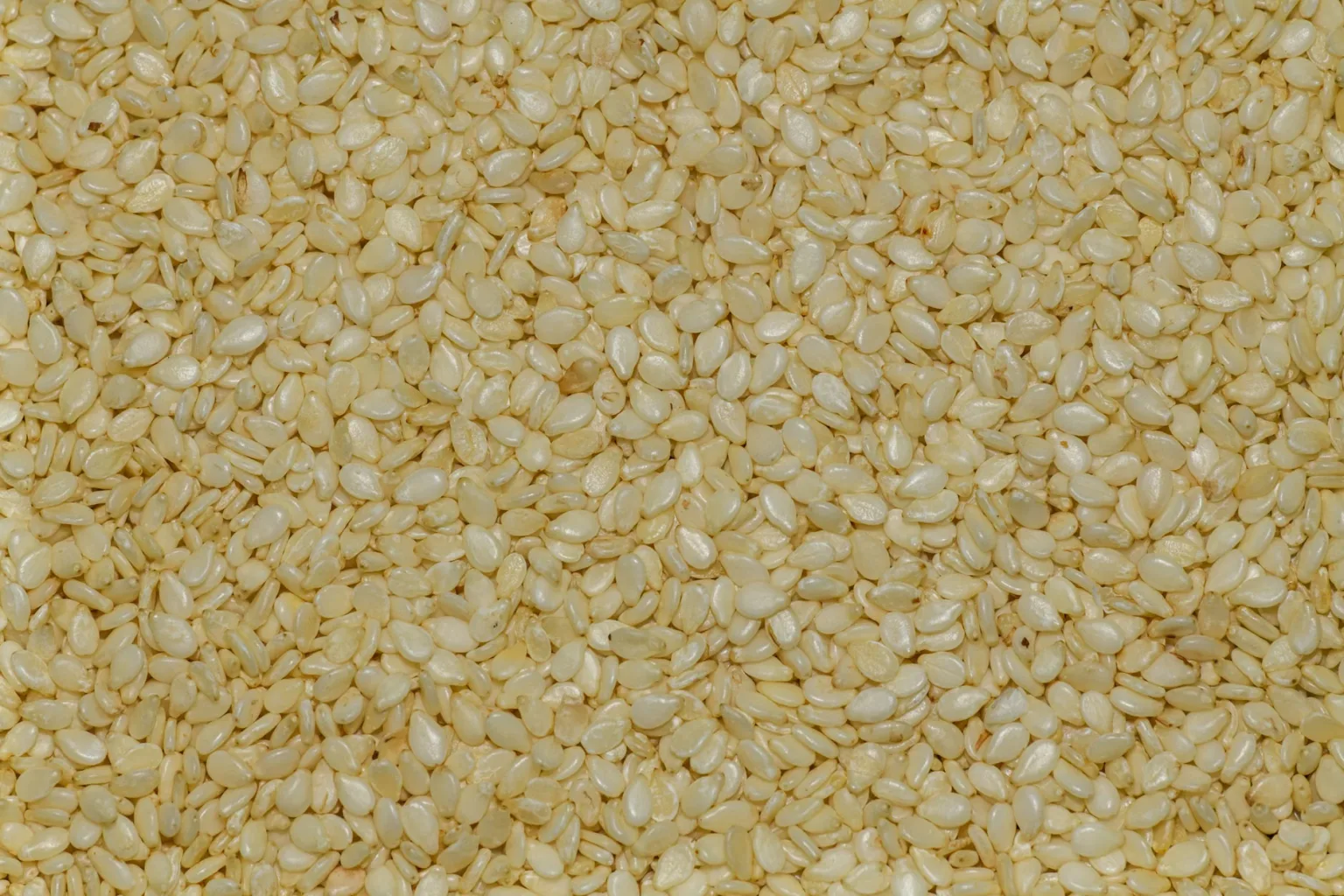
Sesame seeds are the edible seeds of Sesamum indicum, a plant in the Pedaliaceae family. They are sold in several colors, including white, golden or brown, and black; color may come with different flavor nuances. The seeds are used whole as a seasoning, ground into pastes such as tahini, and pressed to make oil. In cooking they may be untoasted or already toasted, so check the package before deciding how to use them. Whole seeds add texture, while ground seeds blend differently into sauces and pastes. Their flavor profile depends on the variety and whether they have been toasted.
When to use it
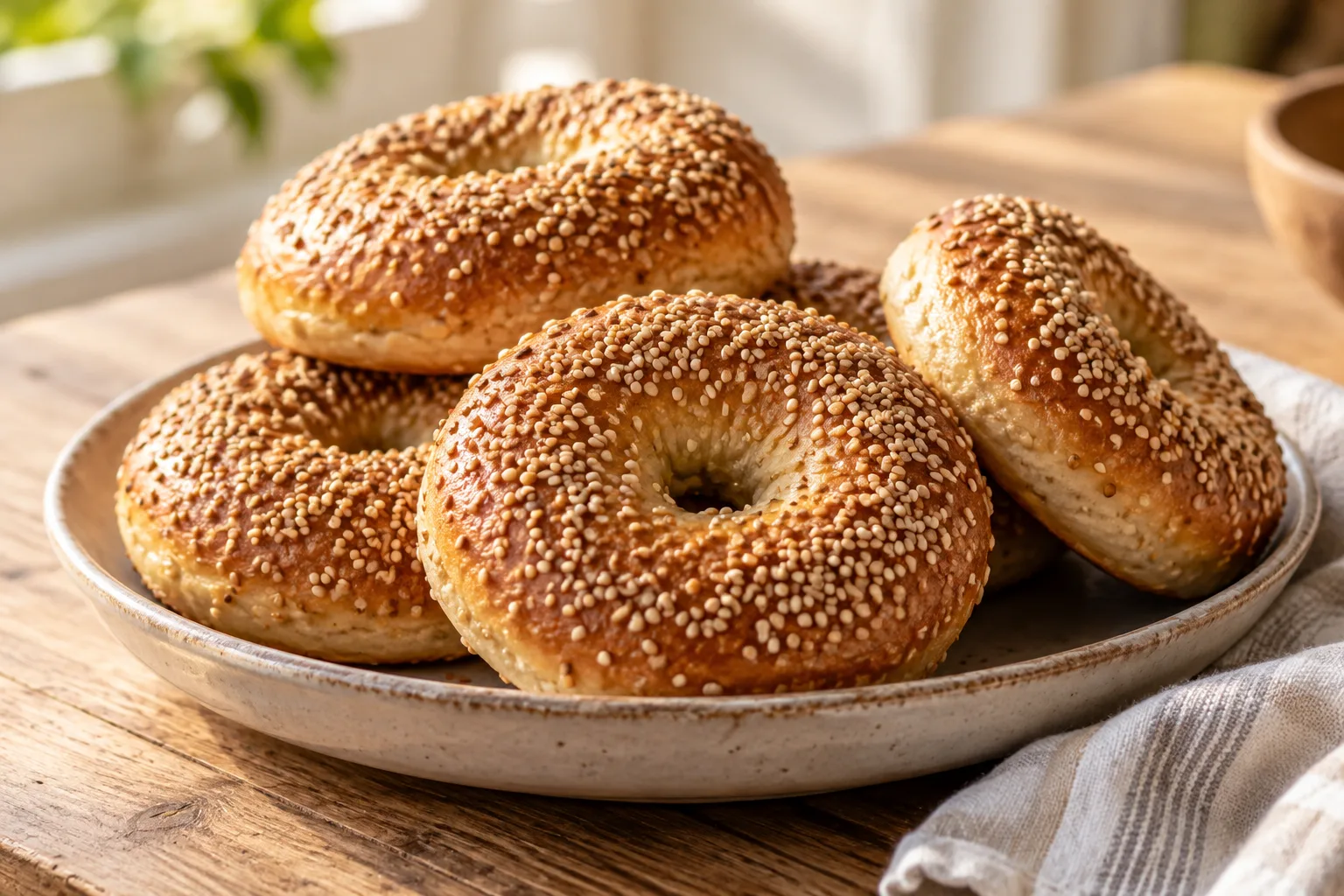
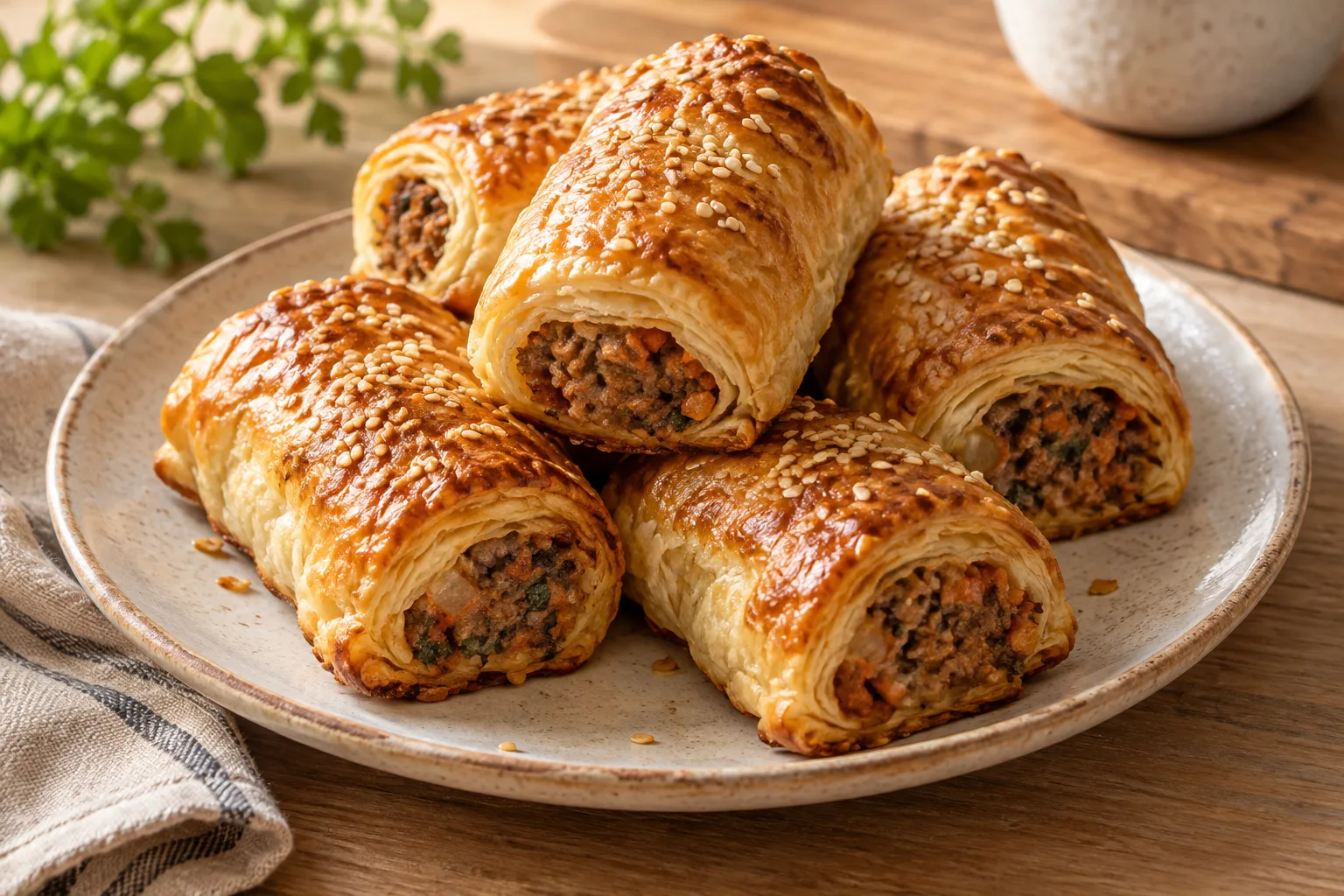
Use sesame seeds when you want a crunchy finish on bread, salads or vegetables, or a toasted note in a sweet or savory dish. Whole seeds are convenient for sprinkling at the end or incorporating into baked goods and pastry. For a creamy preparation, grind or crush them into a paste such as tahini, used in recipes with chickpeas or eggplant. Choose a color for the appearance and character you want, keeping in mind that varieties can differ. Check whether the seeds are already toasted before applying more heat.
How to use it
First check whether the package says the seeds are toasted; this prevents unnecessarily toasting them again. Sprinkle whole seeds over bread, salads or vegetables for texture, or incorporate them into doughs and baked goods. To bring out the aroma of untoasted seeds, toast them attentively and take them off the heat once fragrant; avoid scorching, since excessive toasting can turn the flavor bitter. You can also grind or crush the seeds into a paste such as tahini for chickpea or eggplant preparations. If a recipe calls for whole seeds, remember that replacing them with paste changes the texture.
Flavour and texture
Untoasted seeds have a milder flavor and less crunch; toasting brings out a stronger aroma, nut-like notes and a more pronounced crispness. White sesame is generally delicate, while black sesame may taste more intense and earthy. Golden or brown sesame offers another color and character. These differences can vary with variety and toasting, so do not assume all seeds have exactly the same profile.
How to choose it
Choose a color that suits the dish and check the package to see whether the seeds are toasted or untoasted. White, black, and golden or brown varieties are available, with visual differences and possible flavor nuances. Do not rely on color alone to tell whether seeds have been toasted: read the label, and if it is unclear, allow for the possibility that the product is already toasted. For tahini, choose whole seeds that you can grind or crush. Check the product information before use.
Storage
The available evidence does not specify a storage duration or particular storage conditions for sesame seeds. Follow the package directions and check the product label, especially for toasted or ground products. The information available does not support recommending a particular time, temperature or storage method. After opening the package, consult the manufacturer's instructions for that specific product and store it as directed on its label.
Substitutions
White and black sesame can replace one another when a recipe allows a change in appearance and flavor; the result will not be identical. Black sesame is described as more intense and earthy, while white sesame is usually milder. Choose the variety that suits the flavor and appearance you want. This substitution only changes the sesame variety; it does not make a dish suitable for someone who needs to avoid sesame.
Common mistakes
Do not assume seeds are raw just because the package does not emphasize toasting: some products may already be toasted. Do not toast them again without checking, or keep toasting until they become overly dark, as that can create bitter notes. Another mistake is expecting white, golden and black varieties to always give the same flavor or appearance. Also remember that paste does not have the same texture as whole seeds.
Safety and allergens
Check the product label and follow the manufacturer's directions. If you have a known food allergy or are unsure about a product's ingredients, confirm that it is suitable for you before eating it.
Culinary uses
- Condimento para aportar sabor y textura
- Base para pastas como el tahini
- Ingrediente para panes y repostería
- Semilla que puede prensarse para obtener aceite
Recommended techniques
- Espolvorear enteras sobre una preparación
- Tostar con cuidado para intensificar el aroma
- Moler o triturar para obtener una pasta
Pairs well with
- Panes y productos de repostería
- Ensaladas y verduras
- Garbanzos en preparaciones con tahini
- Miel en preparaciones dulces
Frequently asked questions
Are sesame seeds used untoasted or toasted?
They are available both ways. Check the package before use, because some seeds are already toasted and do not need to be toasted again.
What changes when sesame seeds are toasted?
Toasting makes the aroma more pronounced, adds toasted notes and makes the texture crunchier. Excessive toasting can create bitter notes.
Can sesame seeds be ground?
Yes. Ground or crushed seeds can form a paste such as tahini, used in preparations with chickpeas or eggplant.
Estimated nutrition
- Fat
- 50 g
- Saturates
- 6.25 g
- Carbohydrate
- 25 g
- Sugars
- 0 g
- Fibre
- 12.5 g
- Protein
- 12.5 g
- Salt
- 0 g
Sources and review
Automatically researched, cross-checked and validated content. Sources consulted:
- REGLAMENTO (UE) No 1169/2011 DEL PARLAMENTO ... eletiquetadocuentamucho.aesan.gob.es
- Empleo de semillas como ingrediente saciante: chía y sésamo | Anales de Veterinaria de Murcia doi.org
- Sesame-Production Guide - Texas A&M AgriLife Research and Extension Center at San Angelo sanangelo.tamu.edu
- tico en la alergia alimentaria aesan.gob.es
- INGREDIENTS DIRECTIONS wpcdn.web.wsu.edu
- Nabos y Zanahorias con Sésamo receta | Servicio de Extensión de OSU extension.oregonstate.edu
- Sesame – Gardening Solutions gardeningsolutions.ifas.ufl.edu
- Sesame Production Fact Sheet | NC State Extension Publications content.ces.ncsu.edu
- grains – Food Smart Colorado foodsmartcolorado.colostate.edu
- Parrilla de Sésamo Vegana - MyLLU - Loma Linda University myllu.llu.edu
- Conocé las propiedades culinarias del sésamo | Recetas Nestlé recetasnestle.com.ar
- Semillas de Sésamo - Javi Recetas javirecetas.com
- Sésamo: qué son estas semillas, propiedades y beneficios para la salud bonviveur.com
- Parts of Plants: Seeds (3rd Grade) coloradosph.cuanschutz.edu
- El sésamo en la cocina japonesa - Muy Japones muyjapones.com