- Category
- Nuts and seeds
- State
- Dry
- Usual unit
- g
What it is
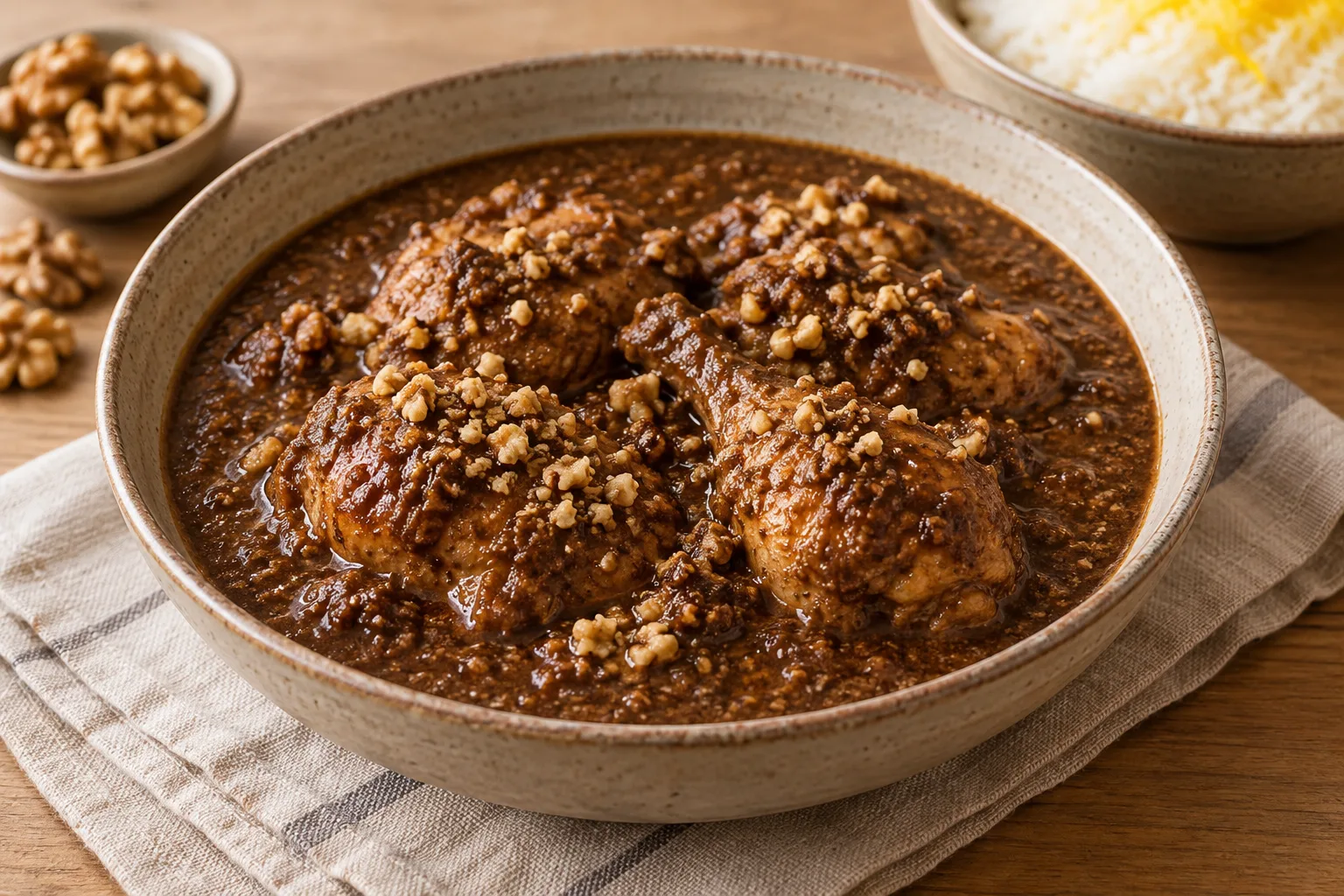
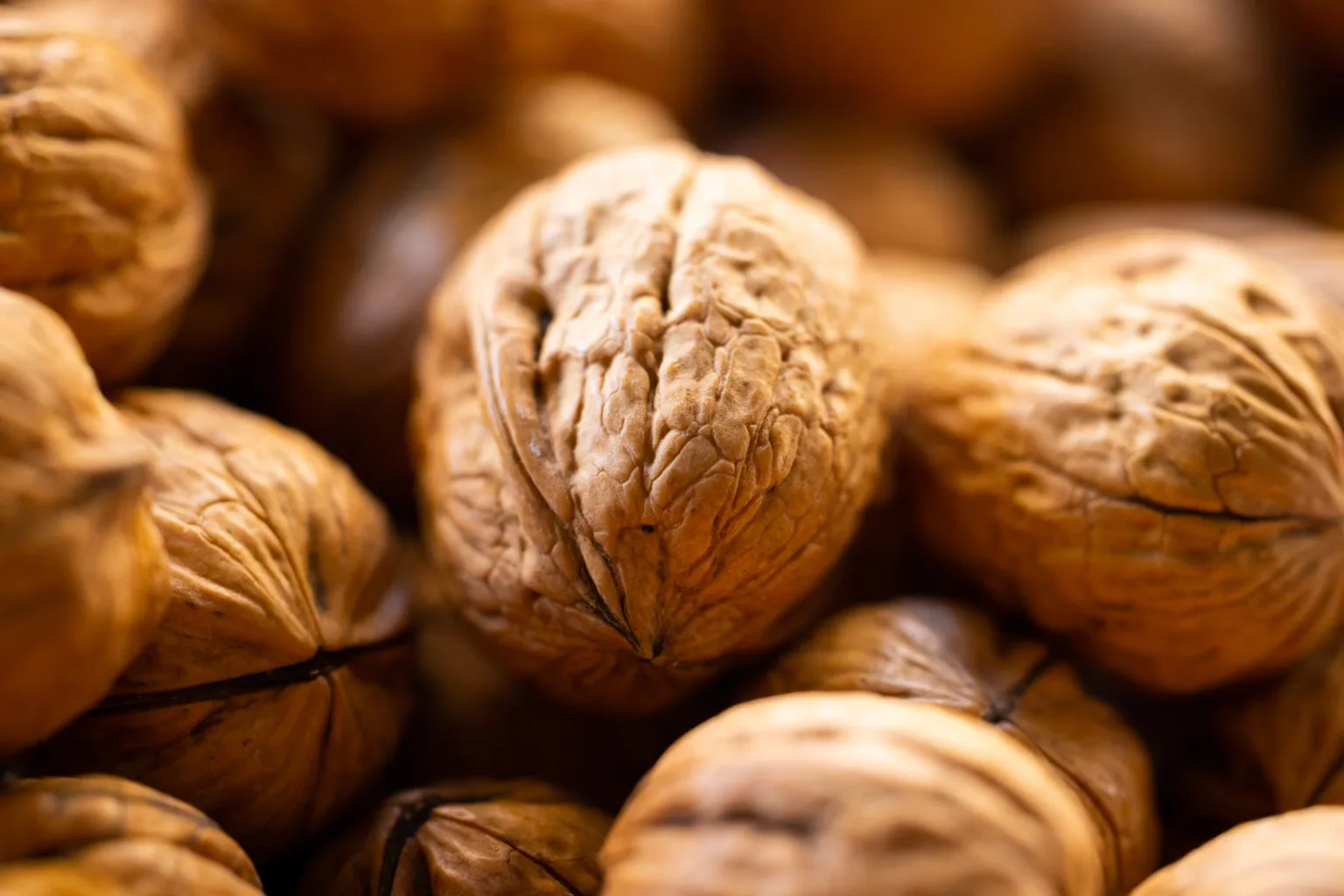
Shelled walnuts are the edible kernels left after the hard shell has been removed. They are sold whole or chopped and can be added to a recipe without cracking them at home. In cooking, they appear in both sweet and savory dishes: they add texture to salads and leafy greens, can be included in breads and desserts, and are often served with cheese or fruit. Their size, shape and color can vary with the variety and format; the name alone does not identify a specific variety.
When to use it
Use shelled walnuts when you want to add crunch and a distinctive flavor, or when a recipe calls for walnuts without their shells. They work in leafy salads, with cheese and grapes, in pasta dishes and sauces, and in breads, cakes and tarts. They can also be served on their own or with yogurt and other dairy foods. Because they are already shelled, they are convenient to add at the last moment; for a more toasted note, lightly toast them before adding them.
How to use it
Check that the walnuts are clean and in good condition, and remove any shell fragments you find. Add them whole for a more noticeable bite, or chop them to distribute through salads, pasta, breads, cakes and tarts. For a more pronounced character, lightly toast or caramelize them and let them cool before using. In savory dishes, try them with leafy greens, cheese or a sauce; in sweet dishes, pair them with chocolate, fruit or yogurt. Add them near the end when you want to keep their crunch, or mix them into a batter when the recipe calls for it.
Flavour and texture
Walnuts have a distinctive flavor described as sweet with a slightly bitter note. Their texture is generally crunchy, with some tenderness as they are chewed; size and the proportion of pieces depend on the product format. Light toasting can make their character more pronounced, while caramelizing gives them a sweet, crisp coating.
How to choose it
Choose a sealed package and check its date and product information. Shelled walnuts may be whole or chopped, so select the format that suits your recipe and check that they show no moisture, unusual odors or shell fragments. The available source recommends preferring packaged walnuts over loose ones, but does not establish that one variety is always better.
Storage
Keep shelled walnuts in a tightly closed container and protect them from heat and prolonged exposure to air, which can affect their flavor. The available source mentions vacuum packaging as a way to limit oxidation, but does not establish a universal shelf life or exact conditions for every product. Follow the package directions and reseal it well after each use.
Substitutions
Pecans or hazelnuts can work as alternatives in some recipes that allow other nuts, although the flavor and texture will change. They are not neutral replacements and cannot guarantee the same result. If a recipe depends on the specific flavor of walnuts, it is best to keep them; if substituting, check that the alternative is suitable for everyone eating the dish.
Common mistakes
Do not assume every shelled walnut has exactly the same size, flavor or texture: variety and format can make a difference. Avoid leaving them exposed to air or heat, which may impair their flavor. Nor do they always need to go in at the beginning: in salads and other dishes where crunch matters, adding them near the end helps preserve their texture.
Safety and allergens
Walnuts are tree nuts and may be relevant to people with a nut allergy. If an allergy is known, check the label and do not serve them unless you can confirm they are suitable. Also follow the package instructions.
Culinary uses
- crujiente para ensaladas y platos de hojas verdes
- ingrediente para repostería y postres
- complemento para platos de pasta y salsas
Recommended techniques
- servir crudas o troceadas
- tostar ligeramente
- caramelizar
Pairs well with
- quesos
- uvas
- hojas verdes
- chocolate
- yogur
Frequently asked questions
Can shelled walnuts be eaten without cooking?
Yes. Walnuts can be eaten raw or added directly to dishes and recipes.
What dishes are walnuts used in?
They are used in salads, breads, pasta, sauces and desserts. They also pair with cheese, grapes and yogurt.
Can walnuts be toasted or caramelized?
Yes. They can be lightly toasted or caramelized; either approach changes their flavor and texture.
Estimated nutrition
- Fat
- 64.3 g
- Saturates
- 7.14 g
- Carbohydrate
- 14.3 g
- Sugars
- 0 g
- Fibre
- 7.1 g
- Protein
- 14.3 g
- Salt
- 0 g
Sources and review
Automatically researched, cross-checked and validated content. Sources consulted:
- REGLAMENTO (UE) No 1169/2011 DEL PARLAMENTO ... eletiquetadocuentamucho.aesan.gob.es
- Client Challenge doi.org
- Nueces: qué son, beneficios y usos culinarios bonviveur.com
- educational content to support healthful lifestyle practices sjsu.edu
- Comité Científico aesan.gob.es
- Vamos a Conservar Alimentos: Papas y Batatas (Camote o Papa Dulce) extension.psu.edu
- Seasonal Produce Handouts | UNL Food | Nebraska food.unl.edu
- Fresh Produce Recipe Book | Wsu s3.wp.wsu.edu
- JOYA DE CERéN colorado.edu
- aplicación de un logit con parámetros aleatorios a la ageconsearch.umn.edu
- the florida state university repository.lib.fsu.edu
- Nueces: propiedades, beneficios y cómo comerlas teresamate.es
- Descubre Tipos de nueces: Guía completa | Recetas Nestlé recetasnestle.com.ec
- Nueces peladas: diferencias, usos y cuándo elegirlas - Benitoren benitoren.es