- Category
- Fish and seafood
- State
- Fresh
- Usual unit
- unit
What it is
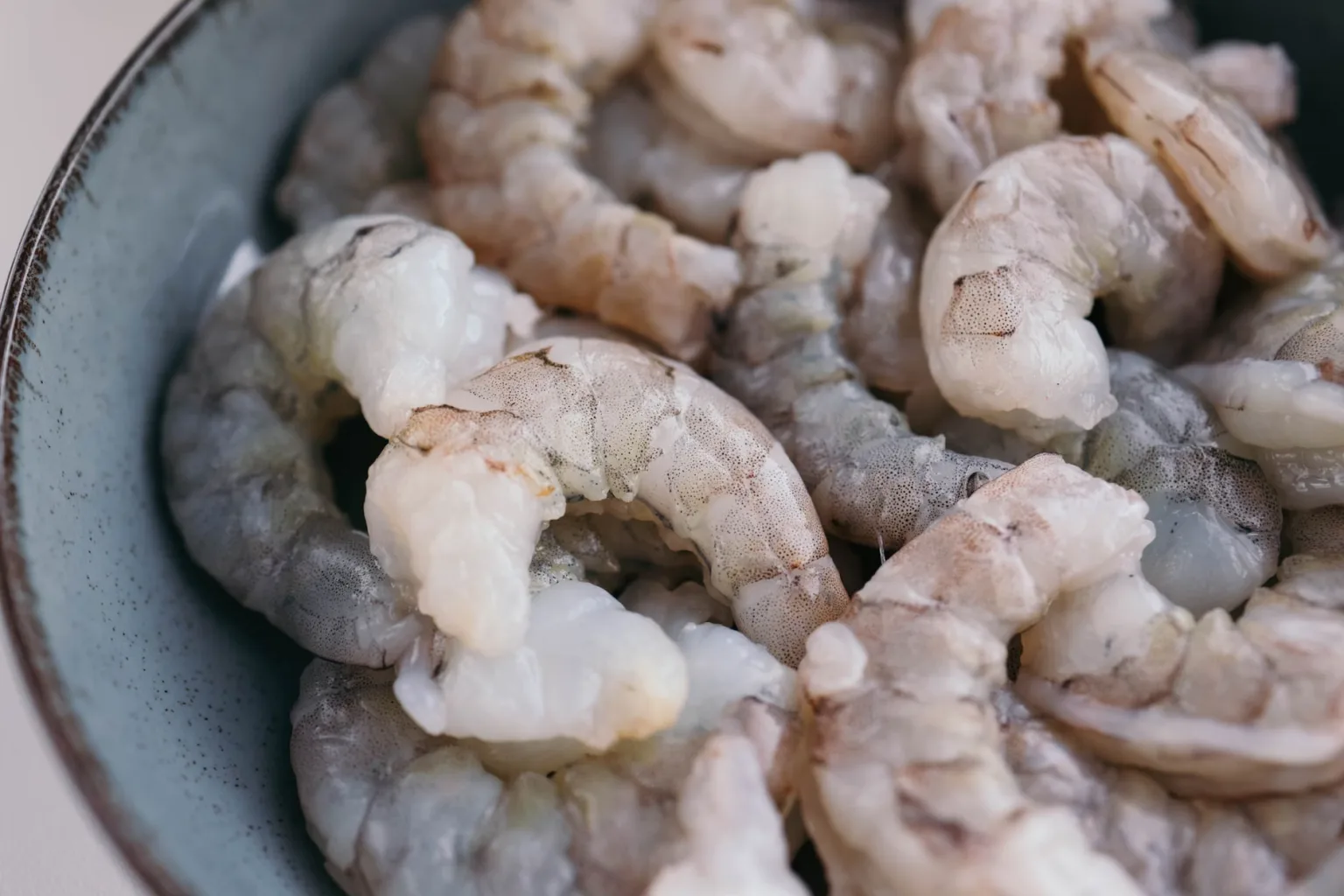
In cooking, “shrimp” can refer to decapod crustaceans rather than one single species. The name may cover different products with varying sizes and colors. Shrimp are valued for their tender flesh and delicate, mildly briny flavor. They may be sold fresh or frozen, whole or peeled, and used in simple preparations or alongside other ingredients. When shopping, check the specific product name and form instead of assuming all shrimp have the same size, flavor, or best use. (Sources: 7617, 7620, 15731)
When to use it
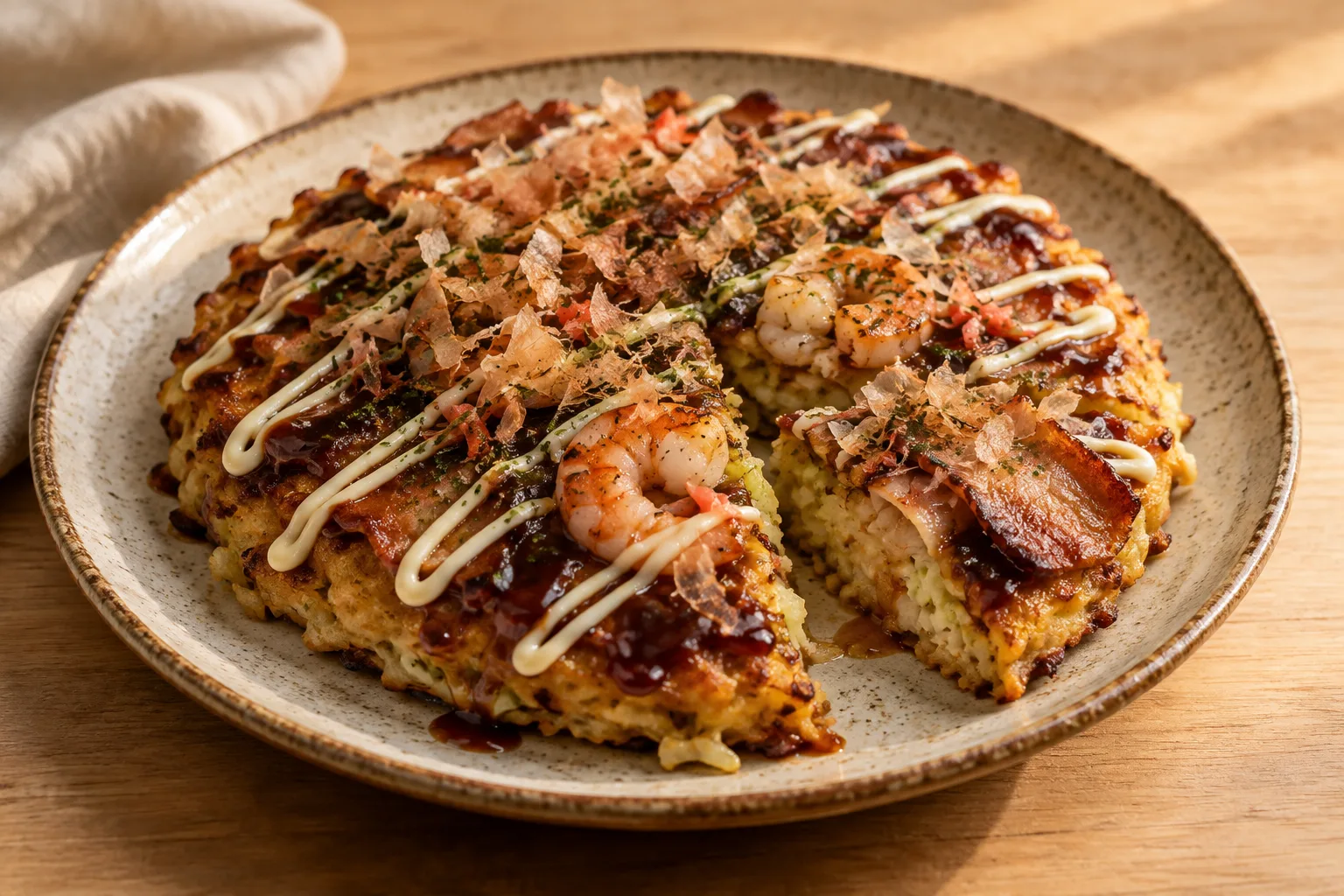
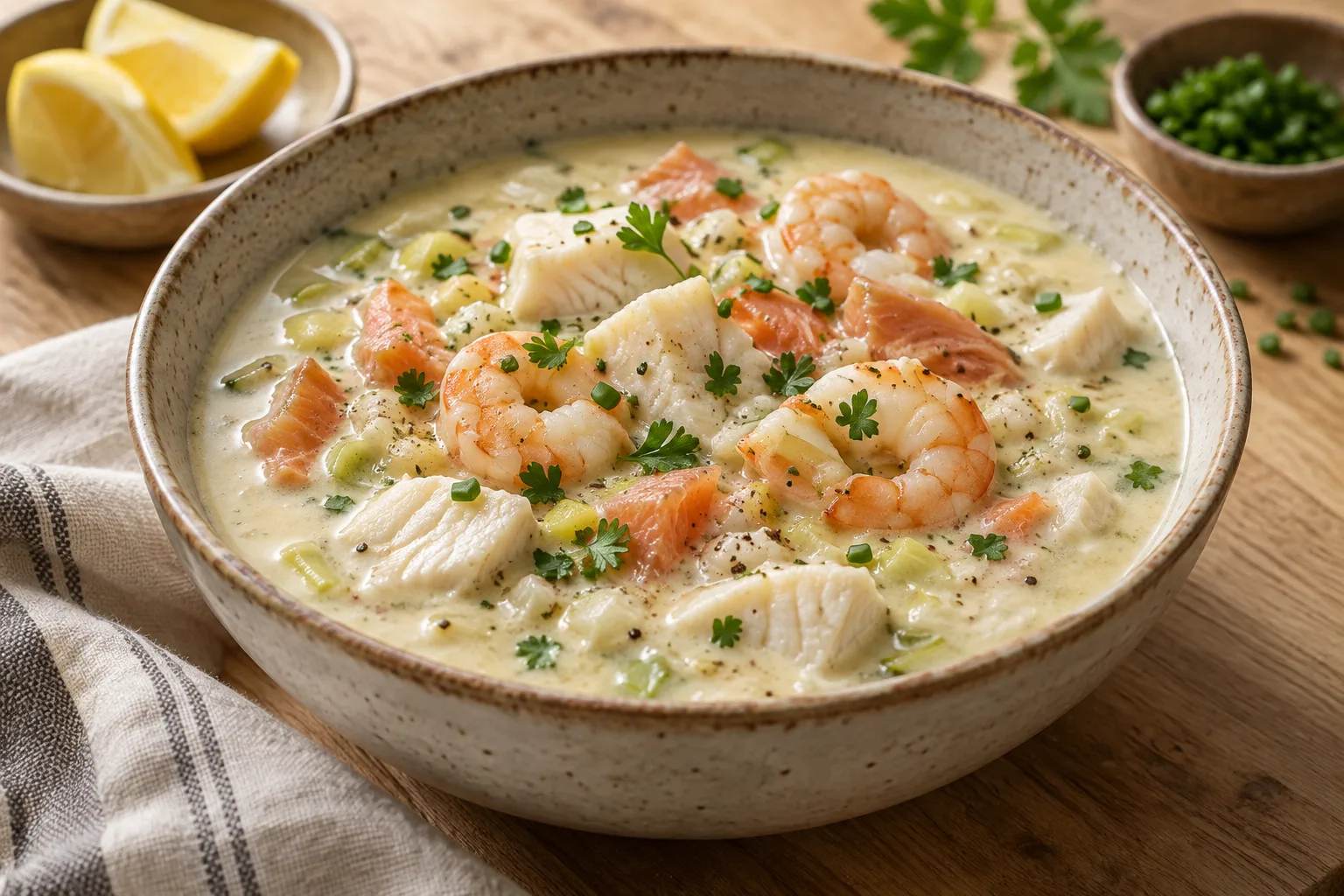
Use shrimp when you want to add a delicate sea flavor to a dish or make it the centerpiece of a small plate or main course. It can be added to rice dishes, pasta, salads, soups, and sautés, and is also prepared on a hot surface, fried, or with garlic. Products of different sizes will not present exactly alike, so choose a form that suits the recipe rather than assuming one particular variety is essential. In brief-cooking dishes, add shrimp toward the end to avoid unnecessarily prolonged cooking. (Sources: 7617, 15731)
How to use it
Choose a preparation that fits the product as sold: whole or peeled, fresh or frozen, and small or larger in size. Grill or sauté it, add it to rice or pasta, stir it into soup, or serve it cooked and chilled in a salad. Garlic and olive oil work in simple preparations; shrimp also appears with tomato, white wine, and parsley. For rice or pasta, add it near the end rather than cooking it for longer than needed. For a fried version, it can be coated in a light batter. Follow the package directions for handling and preparation when available; the evidence consulted does not establish universal cooking times or temperatures. (Sources: 7617, 11736, 15731)
Flavour and texture
Shrimp is described as having a delicate, mildly briny and sometimes sweet sea flavor, with tender, juicy flesh. Size, color, and intensity can vary with the type of shrimp sold; those normal differences alone do not establish quality or freshness. Overcooking can make the flesh rubbery, so keep an eye on it and avoid cooking it longer than needed. (Sources: 7617, 7620)
How to choose it
For fresh shrimp, look for a mild smell, firm shell, and fairly even color; avoid shrimp with a very strong or unpleasant smell. These are general pointers, not a substitute for information from the seller or the package. If buying frozen shrimp, check how it is presented and follow the manufacturer’s thawing directions; the evidence available does not support one method for every product. (Sources: 7617)
Storage
The evidence consulted does not establish a storage duration or detailed conditions that apply to all shrimp. Keep the product according to the package or retailer’s directions, and follow thawing instructions for frozen shrimp. Do not treat appearance or smell alone as proof that a product is safe. If handling or storage information is unclear, ask the seller or consult official food-safety guidance. (Sources: 7617, 8824)
Substitutions
Prawns and small shrimp are also decapod crustaceans and may work as culinary alternatives, but they are not exact replacements: size and flavor can differ. Choose a substitute that suits the dish and adapt the presentation to the product available. The evidence consulted does not establish quantity conversions or guarantee that one type will replace another in every recipe. (Sources: 7620, 7617, 15731)
Common mistakes
Do not assume that “shrimp” always means one species or a fixed size; products vary. Another mistake is cooking it longer than needed, which can make it rubbery. Nor should an acceptable appearance be treated as a safety guarantee, or package directions—especially for frozen product—be ignored. (Sources: 7617, 7620)
Safety and allergens
Shrimp are crustaceans. Anyone with a crustacean allergy should avoid them and check product information. Handle and prepare shrimp according to package directions or official guidance; the evidence available does not provide shrimp-specific cooking times, temperatures, or storage rules. (Sources: 7620, 8824)
Culinary uses
- Protagonista de platos principales, arroces y tapas
- Ingrediente para pastas, ensaladas, sopas y caldos
Recommended techniques
- A la plancha o a la parrilla
- Saltear, cocer o freír en una masa ligera
Pairs well with
- Ajo y aceite de oliva
- Arroz, pasta y tomate
- Vino blanco y perejil
Frequently asked questions
Are shrimp and prawns the same thing?
Not necessarily. The culinary names can refer to products that differ in size and characteristics, and everyday use of “shrimp” may cover different crustaceans. (Sources: 7617, 7620)
What dishes can I make with shrimp?
It can be used in rice dishes, pasta, salads, soups, sautés, and small plates; it can also be cooked on a hot surface or fried. (Sources: 7617, 15731)
How can I judge fresh shrimp when buying it?
As general pointers, the source recommends a mild smell, firm shell, and even color. These signs do not replace seller information or official safety guidance. (Sources: 7617, 8824)
Estimated nutrition
- Fat
- 1.79 g
- Saturates
- 0 g
- Carbohydrate
- 0 g
- Sugars
- 0 g
- Fibre
- 0 g
- Protein
- 25 g
- Salt
- 1.39 g
Sources and review
Automatically researched, cross-checked and validated content. Sources consulted:
- Client Challenge doi.org
- The Essential Glossary of Cooking Terms for the Culinary Arts - Escoffier escoffier.edu
- Gambas: origen, variedades, propiedades y cómo usarlas en la cocina abc.es
- Propiedades y beneficios de las gambas - Compesca compesca.com
- Agencia Española de Seguridad Alimentaria y Nutrición aesan.gob.es
- Spanish Surf & Turf | Institute of Culinary Education ice.edu
- Culinary Arts - Hennepin Technical College hennepintech.edu
- informe anual de indicadores - agricultura, pesca y alimentación servicio.mapa.gob.es
- “Running on Empty”: Students’ Experiences of Food Insecurity at the University of California, Santa Cruz (2020, October) – Center for Economic Justice and Action economicjustice.ucsc.edu
- Award-Winning Cookbook Author Offers a Fresh Take on New England Cuisine | Tufts Now now.tufts.edu
- Let Them Eat Kale: The Misplaced Narrative of Food Access ir.lawnet.fordham.edu
- Gambas, del océano a un platillo delicioso | Recetas Nestlé recetasnestle.com.ar
- ▷ Polvo de gamba: transforma tus platos con un sabor marino | La Casa de los Sabores lacasadelossabores.com